Chemical synthesis is the process of creating new compounds by combining atoms and molecules, and it is an essential technology in modern science and industry. This technology plays an important role in improving humanity's quality of life and solving a variety of problems.
This resource will explore the basic principles and historical background of chemical synthesis, various synthesis methodologies, applications in modern society, and future prospects in depth.
An Overview of Chemical Synthesis: Basic Principles and Historical Background
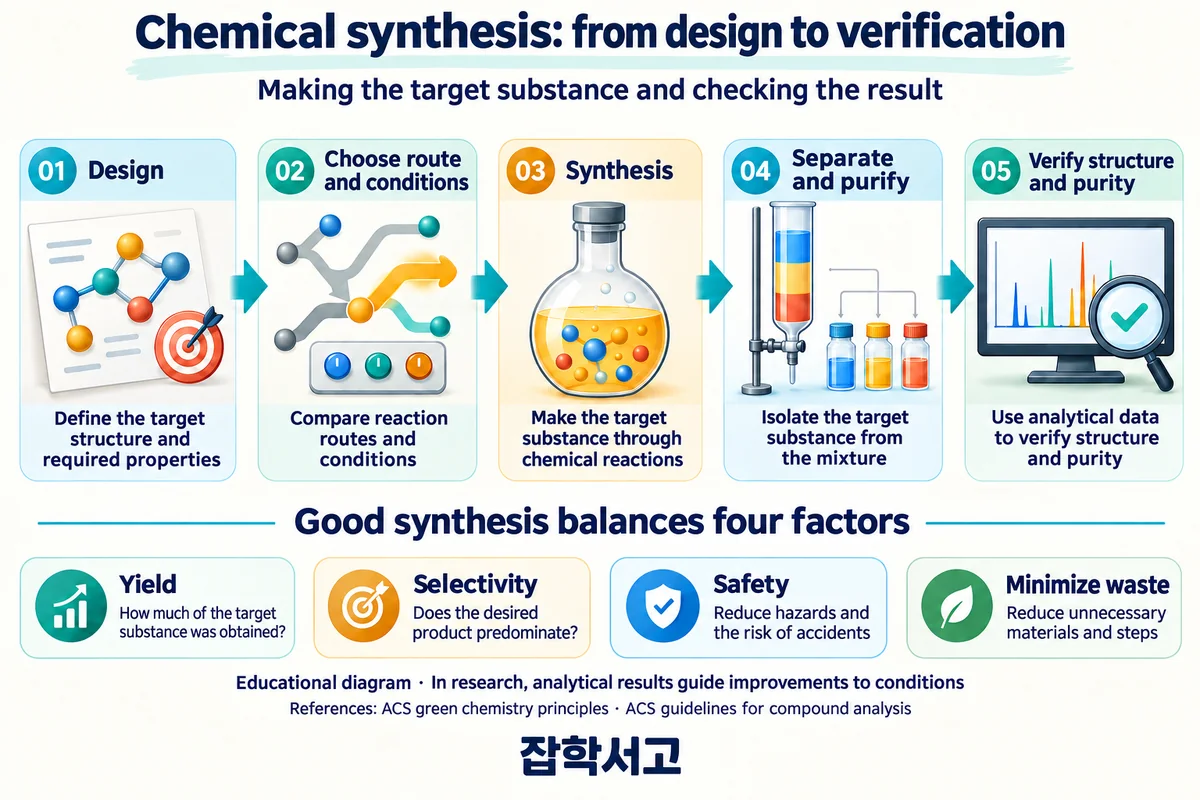

Chemical synthesis goes beyond simply combining atoms and molecules; it is a precise technology for designing molecular structures and efficiently producing desired substances. This technology is based on a deep understanding of the properties of chemical bonds and reaction mechanisms, and it is influenced by various factors, such as temperature, pressure, and catalysts.
The history of chemical synthesis begins with ancient alchemy. Alchemists experimented with combining and separating various substances to make gold, but these practices developed into systematic, scientific methods with the emergence of modern chemistry. In particular, the synthesis of organic compounds began in earnest in the late 19th century and early 20th century, leading to the development of various new substances, including pharmaceuticals, plastics, and pigments.
The First Breakthrough in Chemical Synthesis: Wöhler's Synthesis of Urea
An important turning point in chemical synthesis occurred in 1828, when Friedrich Wöhler synthesized urea, an organic compound, using ammonium cyanate, an inorganic compound. This broke down the boundary between organic and inorganic chemistry and opened up new possibilities for synthetic chemistry. This discovery prompted synthetic chemistry to develop in more sophisticated and multifaceted ways, and numerous studies and applications followed.
The Middle of the 20th Century: Woodward and the Development of Modern Synthetic Chemistry
By the middle of the 20th century, Nobel laureate Robert Burns Woodward had successfully synthesized complex organic compounds, greatly highlighting the importance of synthetic chemistry. His research made a significant contribution to understanding the precision and complexity of chemical synthesis, and this played a decisive role in laying the foundations of modern synthesis technologies. Woodward's work led to practical applications in various fields, including pharmaceuticals, pesticides, and polymers.
Modern Chemical Synthesis: Integration with Advanced Technologies
Modern chemical synthesis is becoming more precise and efficient through the use of advanced technologies such as computer simulation and artificial intelligence (AI). These technologies contribute greatly to predicting and optimizing chemical reaction pathways, enabling the rapid development of new substances. In particular, they make innovation possible in various fields, including drug development, materials science, and environmental protection. For example, in new drug development, computer modeling can quickly identify promising candidates among thousands of compounds, playing a major role in shortening development time and reducing costs.
Future Prospects for Chemical Synthesis
Understanding the principles and historical background of chemical synthesis reveals how important this technology is to modern science and industry. Chemical synthesis is expected to continue opening up greater possibilities through ongoing research and development. In particular, through the integration of sustainable development and advanced technologies, chemical synthesis will help make our lives safer and more prosperous. These advances will be a driving force behind new innovations in various fields, including pharmaceuticals, materials, energy, and environmental protection.
Chemical Synthesis Methodologies: Diverse Techniques and Approaches

An Overview of Chemical Synthesis Methodologies
There are various methodologies for chemical synthesis, and each is selected according to the properties and intended purpose of the compound to be synthesized. Representative methodologies include classical chemical synthesis, biological synthesis, physicochemical synthesis, artificial intelligence (AI)-based synthesis, and green chemistry. Each methodology has its own advantages and disadvantages and is used in various industries and research fields.
Classical Chemical Synthesis
Classical chemical synthesis is used primarily to synthesize organic compounds and involves assembling the desired molecule step by step through chemical reactions. This method includes reactions such as esterification, acylation, halogenation, and hydrogenation, each of which is carried out under specific conditions. The use of catalysts and an understanding of reaction mechanisms are central to this method. Classical chemical synthesis has historically played an important role and makes substantial contributions to the development of various new drugs and to materials science.
Biological Synthesis
Biological synthesis is a method of synthesizing compounds using living organisms, such as microorganisms, plants, and animal cells. This method is used primarily for the mass production of pharmaceuticals, biofuels, enzymes, and proteins. For example, insulin synthesized through recombinant DNA technology is a representative example of biological synthesis. Biological synthesis is environmentally friendly and has the advantage of efficiently producing complex molecules. It can also produce high-value-added products, giving it a very important role in biotechnology.
Physicochemical Synthesis
Physicochemical synthesis is a method of synthesizing compounds at high temperatures, under high pressure, or in a plasma state, and it is used primarily to synthesize inorganic compounds or nanomaterials. For example, advanced materials such as carbon nanotubes and graphene are manufactured using physicochemical synthesis methods. Although this method requires advanced technology and precision equipment, it has the advantage of producing highly distinctive and useful substances. Recently, these methodologies have been playing an important role in advanced technology fields such as semiconductors and energy storage devices.
Synthesis Based on Artificial Intelligence
Chemical synthesis methodologies that use artificial intelligence (AI) and machine learning are attracting attention. These technologies help predict chemical reaction pathways and determine optimal synthesis conditions, shortening experimental time and maximizing synthesis efficiency. AI also increases the likelihood of discovering new compounds, thereby driving innovation in various fields, including drug development and materials science. AI-based synthesis is developing rapidly and is highly likely to become a core technology in the future of chemical synthesis.
Green Chemistry: Sustainable Synthesis Methodologies
Green chemistry refers to chemical synthesis methods that minimize environmental impacts and aims to develop sustainable technologies. This methodology plays an important role in reducing the negative impacts of chemical synthesis on the environment and human health. Examples include using renewable resources and reducing the use of hazardous chemicals. Green chemistry serves as an important standard for present and future chemical synthesis and is becoming established as an essential approach to sustainable development.
Various chemical synthesis methodologies play essential roles throughout modern science and industry. Drawing on their respective characteristics and advantages, these methodologies drive innovation in various application areas and contribute to improving humanity's quality of life and promoting sustainable development. Chemical synthesis methodologies will continue to evolve and will play increasingly important roles through integration with new technologies.
Applications of Modern Chemical Synthesis

Modern chemical synthesis plays a central role in various industries and medical fields, and its range of applications is very broad. This technology is used as an essential tool in various areas, including drug development, agriculture, materials science, energy, environmental protection, and everyday consumer products.
Chemical Synthesis in Drug Development
Drug development is one of the most important applications of chemical synthesis. Drugs developed through chemical synthesis have brought groundbreaking changes to disease treatment and contribute to saving many lives. For example, important drugs such as antibiotics, anticancer drugs, and antivirals were all developed through chemical synthesis. These drugs provide new treatments for various diseases and make medical innovation possible. In particular, chemical synthesis also enables the design and development of drugs tailored to specific diseases, playing a major role in maximizing treatment effectiveness.
Chemical Synthesis in Agriculture
Chemical synthesis also plays an important role in agriculture. Insecticides, herbicides, and fertilizers are all products developed through chemical synthesis and contribute greatly to improving crop productivity and quality. These chemical products protect crops from pests and diseases and improve the nutritional condition of the soil to optimize food production. This plays an important role in addressing food shortages and strengthening global food security. In addition, new agricultural compounds developed through chemical synthesis are being improved to have more environmentally friendly properties, contributing to sustainable agriculture.
Chemical Synthesis in Materials Science
In materials science, chemical synthesis plays a central role in developing innovative new materials. Various materials, including plastics, rubber, and synthetic fibers, are produced through chemical synthesis and are used as essential components in various industries, such as automotive manufacturing, electronics, construction, and clothing. In particular, the development of high-performance materials and nanomaterials enables advances in cutting-edge technologies and provides materials with various properties, such as reduced weight, increased durability, and improved electrical conductivity. These new materials play an important role in enhancing the competitiveness of future industries.
Chemical Synthesis in Energy
Chemical synthesis has also become an essential technology in the energy industry. Electrolytes and electrode materials for lithium-ion batteries, as well as catalysts for hydrogen fuel cells, were all developed through chemical synthesis. These technologies improve the efficiency of energy storage and conversion, playing essential roles in electric vehicles, portable electronic devices, and renewable energy systems. Chemical synthesis also contributes to developing next-generation energy solutions and enables a sustainable energy supply.
Chemical Synthesis in Environmental Protection
Chemical synthesis also plays an important role in environmental protection and recycling. It is essential for removing pollutants, recycling waste, and developing environmentally friendly products. For example, compounds for drinking water treatment, agents for reducing air pollution, and biodegradable plastics are all made through chemical synthesis. These products reduce environmental pollution, promote the efficient use of resources, and contribute to sustainable development. In addition, new technologies developed through chemical synthesis play a major role in minimizing negative impacts on environmental protection and human health.
Chemical Synthesis in Everyday Consumer Products
Chemical synthesis also makes a substantial contribution to the development of everyday consumer products. Various products, including cosmetics, food additives, and perfumes, are made through chemical synthesis and enrich our everyday lives. For example, vitamins, antioxidants, and artificial sweeteners are all produced through chemical synthesis and used to support consumers' health and satisfaction. These products meet the needs of various consumers and play an important role in ensuring both quality and safety.
Modern chemical synthesis has become an essential technology throughout industry and medicine. This technology drives innovation in various application areas and contributes to improving humanity's quality of life. Chemical synthesis will continue to play an important role in addressing new challenges and achieving sustainable development. Through continued research and development in each field, chemical synthesis is expected to open up more possibilities.
Future Prospects for Chemical Synthesis: Innovation and Sustainability
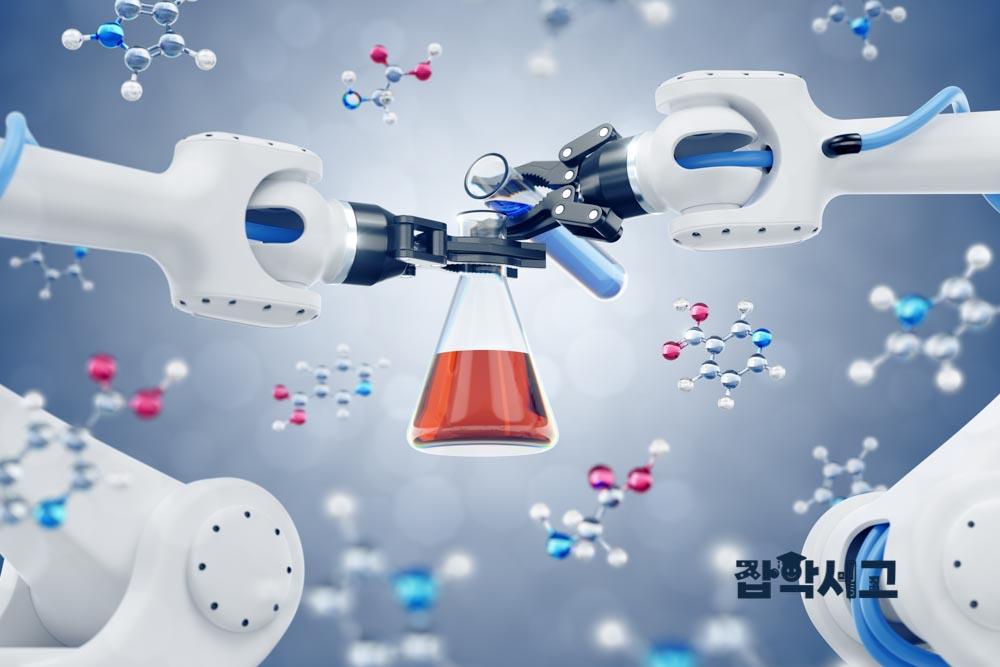
The Innovative Role of Artificial Intelligence and Machine Learning
Advances in artificial intelligence (AI) and machine learning will open up new possibilities for chemical synthesis. These technologies play an important role in predicting and optimizing complex chemical reaction pathways and accelerate the discovery of new compounds. In particular, AI can suggest optimal synthesis pathways by analyzing vast amounts of chemical data, thereby bringing innovative changes to fields such as drug development, materials science, and energy. These technological advances will maximize the efficiency of chemical synthesis and help solve previously unresolved problems.
Green Chemistry for Sustainability
Green chemistry is emerging as a key methodology for ensuring the sustainability of chemical synthesis. This approach focuses on developing environmentally friendly synthesis methods and minimizing the use of hazardous chemicals. Synthesis methodologies based on green chemistry have positive effects on both environmental protection and human health and make sustainable development possible. For example, synthesis using renewable resources and reaction design aimed at minimizing waste will become essential elements of the chemical industry in the future.
Advances in Bio-Based Synthesis Technologies
Advances in bio-based synthesis technologies will greatly transform the future of chemical synthesis. Advances in gene editing technologies and synthetic biology are substantially expanding the possibilities of biological synthesis. This will enable the mass production of pharmaceuticals, biofuels, and high-value-added compounds and will play an important role in complementing existing chemical synthesis methods. In particular, bio-based synthesis technologies will drive important innovations in the synthesis of complex natural products and the development of tailored pharmaceuticals.
The Future of High-Performance Materials and Nanomaterials
The development of high-performance materials and nanomaterials will play a very important role in the future of chemical synthesis. Graphene, carbon nanotubes, and metamaterials will enable innovative applications in various industries and give rise to new products and technologies. These materials could bring major changes to electronic devices, energy storage devices, and medical devices, making our everyday lives more convenient and prosperous. Future chemical synthesis will enable technological leaps in various industries through the development of these advanced materials.
Integration of Advanced Technologies and Traditional Synthesis Methods
Future chemical synthesis will drive innovation to a new level through the integration of traditional synthesis methods and advanced technologies. For example, combining 3D printing technology with chemical synthesis enables the development of customized medical devices, composite materials, and high-performance components. These integrated technologies will maximize the efficiency of manufacturing processes and dramatically improve product performance. In particular, these integrated technologies will play an essential role in producing new materials with complex structures and individually customized products.
The Importance of Research and Education
Education and research are paramount in driving the future of chemical synthesis. The development of new technologies and methodologies is made possible through continuous research and education, and cooperation between academia and industry is needed to translate them into practical applications. Worldwide cooperation and continuous knowledge sharing are essential for addressing global challenges. These efforts will enable continued innovation in chemical synthesis and help address new challenges.
Chemical synthesis goes beyond a simple laboratory technique and plays a significant role across various industries and society as a whole. It drives innovation and promotes progress in fields such as pharmaceuticals, materials, energy, and environmental protection, and its importance is expected to increase further in the future.
Through the integration of sustainable development and advanced technologies, chemical synthesis will help make our lives safer and more prosperous. It is hoped that research and applications in chemical synthesis will continue to advance and open up new possibilities in the future.