Food processing has played an important role in addressing humanity's food supply challenges and improving nutritional status. Today, food processing is evolving beyond techniques for simply preserving food to provide a variety of health benefits and meet consumer needs.
This article examines advances in modern technology, innovations in food processing, and their importance from a nutritional perspective, and explores the prospects for future food processing that takes sustainability and health into account. It also considers possibilities for further development through successful examples of nutritional innovation.
Innovations in Food Processing: The Introduction and Advancement of Modern Technology
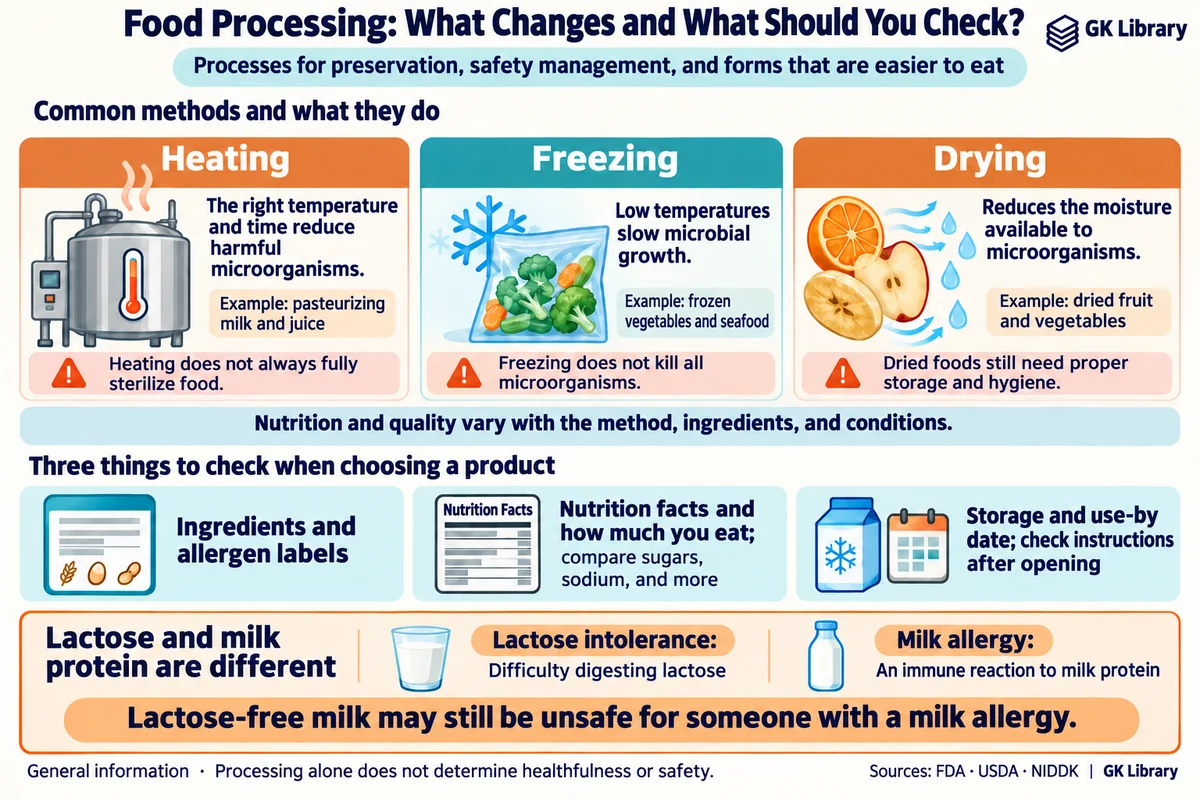
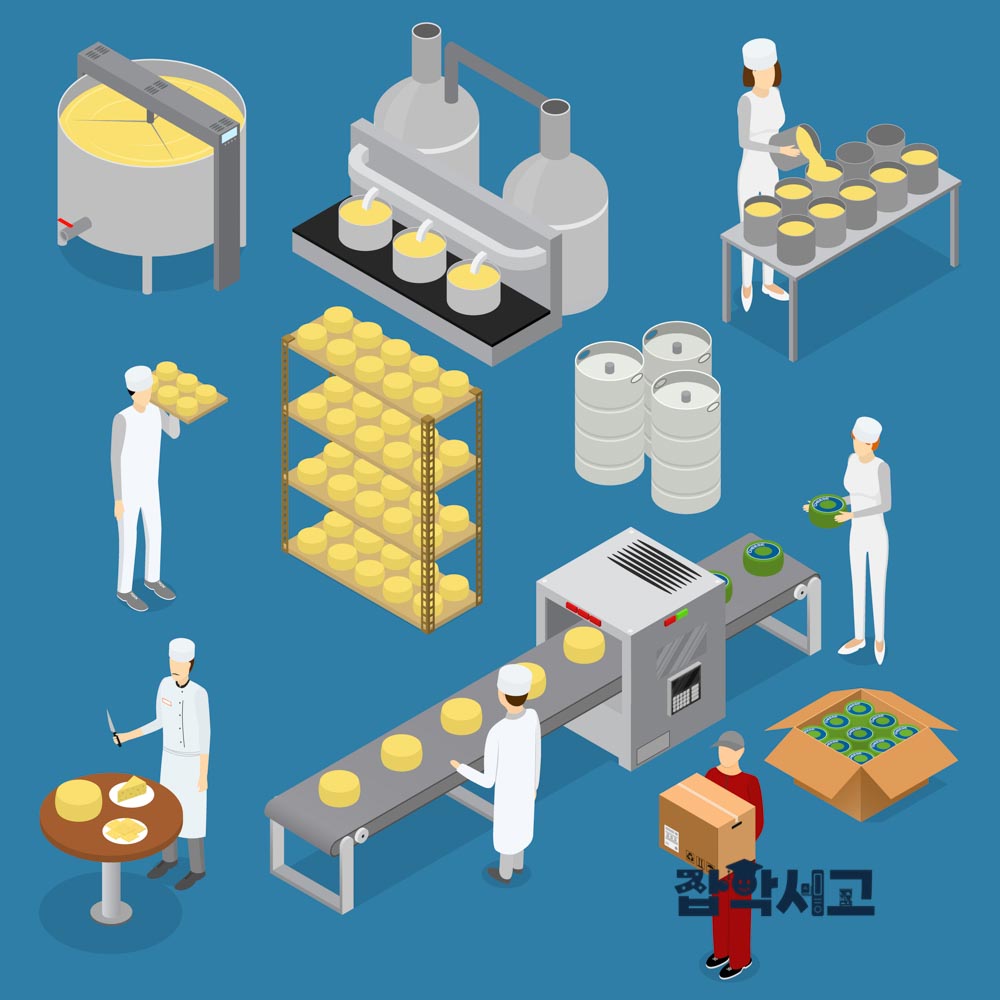
The Introduction and Advancement of Modern Food Processing Technologies
Modern food processing technologies are moving beyond traditional methods to improve food quality and safety through advanced technology. High-pressure processing eliminates microorganisms while minimizing nutrient loss, maintaining the quality of fresh juices and dairy products. These technologies help consumers enjoy fresh, healthy products.
Ultra-rapid freezing technology has also brought innovative changes to food processing. This technology quickly converts moisture within food into ice crystals, preserving its physical structure and reducing moisture loss during thawing to help retain its original flavor and texture. It is widely used particularly for premium seafood and meat, helping deliver food to consumers with its quality intact.
Enhancing Nutrition Through Biotechnology
Advances in biotechnology play an important role in increasing the nutritional value of processed foods. Genetic engineering has made it possible to produce personalized foods that take consumers' health into account by removing specific allergens or enhancing functional ingredients. For example, biotechnology is being used to develop crops rich in vitamins and minerals and create foods intended to prevent specific diseases. This maximizes the nutritional value of food and helps people maintain healthy lives.
Developing Personalized Foods Through 3D Printing
The introduction of 3D printing technology has opened up new possibilities for producing personalized foods tailored to individual nutritional needs. This technology is attracting particular attention in healthcare, where hospitals produce and provide food through 3D printing to suit patients' health conditions and nutritional needs. This is enabling approaches that support patients' recovery and optimize their nutritional intake. Personalized foods can be used as an important means of supplying essential nutrients, particularly to people with nutritional deficiencies.
It is also used in food design and fine-dining restaurants to create foods with aesthetically distinctive shapes. However, foods made through 3D printing are largely limited to simple ingredients and forms, and the technology is not widely used in everyday life.
Advances in Automation and Robotics
Automation and robotics are bringing innovative changes to the food processing industry. Production processes that use robots improve precision and efficiency and overcome the limitations of human labor to enable mass production. These technologies have become essential for large food production companies that need to continuously produce large quantities of food with consistent quality. In particular, robots can work safely even in hazardous environments, helping improve worker safety.
Ensuring Transparency and Safety Through IoT and Blockchain
IoT (the Internet of Things) and blockchain technology play an important role in ensuring transparency by tracking food production and distribution in real time. Consumers can learn where each food is produced and how it is distributed, increasing trust, while companies can manage the quality of their production processes more precisely. Blockchain has made it possible to prevent food safety problems in advance and respond quickly when problems arise. This is also maximizing the efficiency of food processing.
The Importance of Food Processing from a Nutritional Perspective
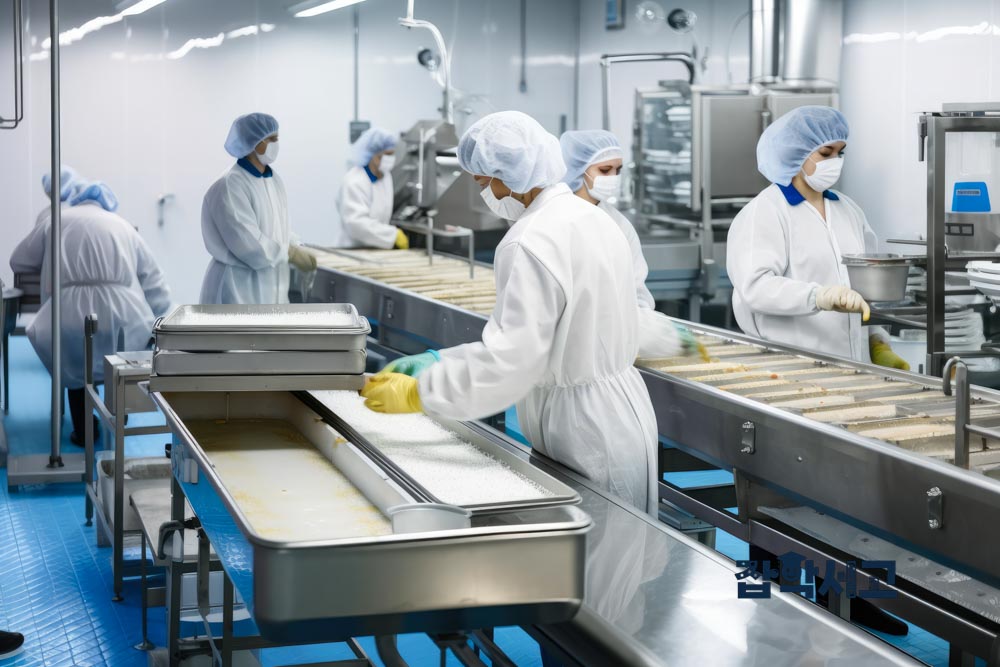
The Nutritional Importance of Food Processing
Food processing goes beyond simple storage techniques to play an important role in preserving and improving the nutritional quality of food. Processing can balance nutrients by reducing unnecessary fat and sugar and increasing dietary fiber and protein. This has made it possible to produce the nutritionally balanced convenience foods preferred by modern consumers. Ready-to-eat foods and healthy convenience foods are widely consumed amid busy daily lives, and these foods play an important role in compensating for dietary imbalances.
Technologies for Minimizing Nutrient Loss and Enhancing Nutritional Content
Processing technologies play an important role in preserving or enhancing the nutrients in food. For example, heat-sensitive nutrients such as vitamin C are easily lost during processing, but appropriate technologies such as freezing and drying can minimize nutrient loss. Freezing is particularly effective at preserving the nutrients in fresh food over long periods, while drying also helps maintain nutrient stability. Preserving nutrients through these technological approaches provides important support for consumers in maintaining healthy diets.
Removing Allergenic Substances
Food processing also plays an important role in removing or reducing allergenic substances. Consumers with conditions such as dairy allergies or gluten intolerance can choose safe alternative foods made possible through processing. Gluten-free products and lactose-free dairy products are representative examples. These foods provide more options for people with allergies and expand their opportunities to experience a variety of foods.
Improving Bioavailability
Food processing can also help increase the bioavailability of nutrients. Fermentation improves the digestibility and absorption of food and supplies microorganisms that benefit gut health. Representative examples include kimchi and fermented milk products, which are easy to digest and positively affect gut health by providing beneficial microorganisms. These fermented foods play an important role in maintaining a healthy gut environment and help nutrients be absorbed efficiently.
Nutrition Education to Support Healthy Food Choices
Food processing also helps consumers make better nutritional choices. Processed foods are fortified with nutrients and carry labeling that clearly indicates their nutritional content, allowing consumers to easily select foods that meet their nutritional needs. This labeling and information provide important guidance for consumers in managing their health. Nutrient fortification and labeling help consumers identify which nutrients they need and make healthier choices.
The Future of Food Processing: Sustainability and Health
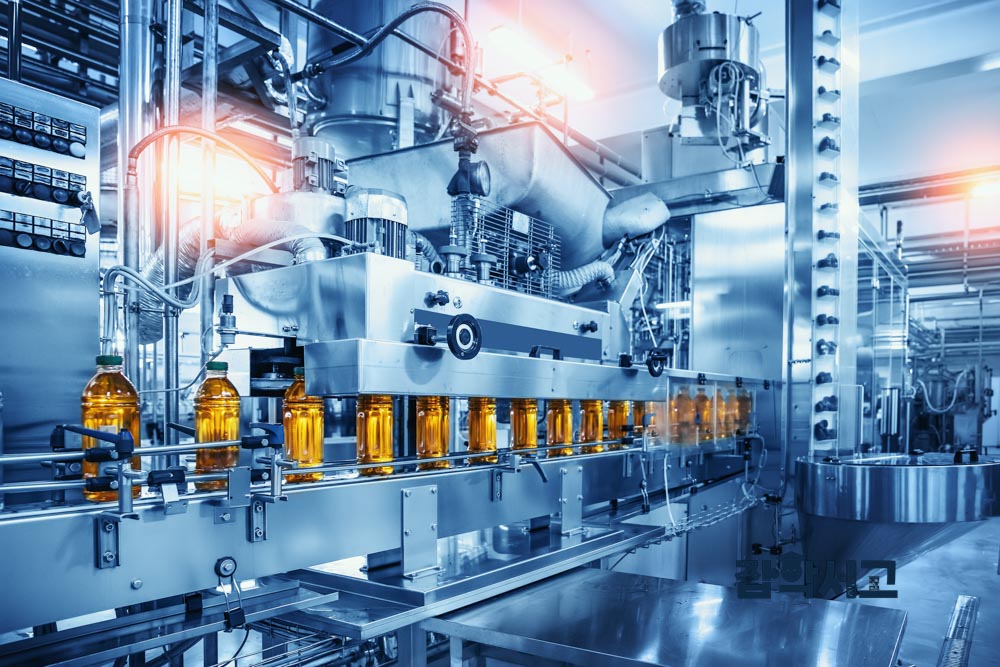
The Need for Sustainable Food Processing
Future food processing will develop with sustainability as its highest priority. Climate change and resource depletion have made environmentally friendly food production methods essential, and the food industry is responding by actively adopting processing technologies that minimize food waste and save energy. Representative examples include processes that use less energy, methods that reduce water consumption, and production facilities that use renewable energy. These sustainable processing methods represent important technological advances toward resolving future food supply challenges.
Alternative Proteins and Sustainability
Sustainability in food processing is closely linked to the development of alternative proteins. Traditional meat production consumes substantial resources and negatively affects the environment. Various alternative proteins, including plant-based proteins, insect proteins, and cultured meat, are being developed to replace it. These alternative proteins are advancing toward providing flavors and textures similar to meat while reducing environmental burdens. Alternative protein foods that processing technologies make readily accessible to consumers and satisfying in taste are becoming important options for sustainable diets.
Promoting Health Through Personalized Nutrient Provision
Another important development in future food processing is the personalized provision of nutrients. Technologies are being developed to provide foods tailored to each person's genetic information, health condition, and lifestyle, making it possible to supply nutrients optimized for each individual. These personalized foods will contribute to disease prevention and health promotion, enabling nutritional management tailored to individual needs. For example, foods can be processed on a personalized basis to compensate for specific nutrient deficiencies or align with an individual's health goals.
Developing Environmentally Friendly Packaging
The development of sustainable packaging is also emerging as an important issue in food processing. Traditional plastic packaging has been identified as a major cause of environmental problems, and biodegradable packaging and recyclable materials are being studied as replacements. This packaging maintains food freshness while minimizing its environmental impact. In particular, sustainable packaging is being used as an important means of conveying a message of environmental protection to consumers while maintaining food safety and freshness.
Introducing Real-Time Quality Control Systems
Advances in technology make real-time quality control systems possible in food processing. These systems monitor food safety and quality in real time and provide a framework for responding quickly when problems arise. As a result, consumers can choose safer foods, and the food industry can respond immediately when problems occur. Real-time quality control and monitoring improve the overall safety of food and further strengthen consumer trust.
Strengthening Sustainability Through Collaboration with Local Communities
Future sustainable food processing will be further strengthened through collaboration with local communities. Systems that process locally grown agricultural produce nearby help reduce the carbon footprint of food and revitalize local economies. These local processing systems not only reduce carbon emissions from transportation but also increase overall sustainability by strengthening cooperation between local agriculture and processing companies. Ultimately, this will promote mutually beneficial relationships with local communities and contribute to building sustainable food systems worldwide.
In this way, future food processing will enable sustainable, healthy diets through technological advances that consider the environment and health. These changes will positively affect both individual health and the sustainability of the planet.
Food Processing and Nutritional Innovation: Successful Examples
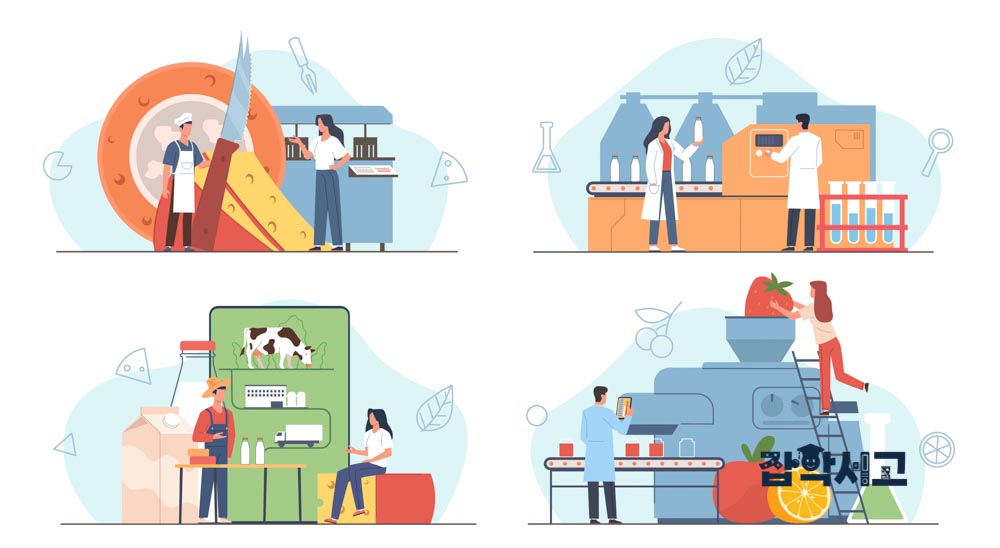
Advances in Functional Foods
The development of functional foods is a representative example of food innovation. As research has demonstrated the positive health effects of specific nutrients such as omega-3 fatty acids and vitamin D, a variety of functional foods fortified with these nutrients have emerged. For example, as the benefits of omega-3 fatty acids for cardiovascular health have become known, a variety of foods with added omega-3 have been introduced. Foods enriched with functional ingredients in this way offer consumers better health benefits and expand their options for health-oriented food choices.
Fermented Foods and Probiotics
Fermented foods that use probiotics are also an important example of food innovation. Probiotics, beneficial microorganisms generated during fermentation, promote gut health and strengthen immunity. Fermented foods such as yogurt, kimchi, and doenjang are rich sources of probiotics and are readily available in everyday diets. Through ongoing research and development, these fermented foods are contributing to improvements in consumers' gut health and have become an important category of functional foods.
Advances in Alternative Foods for People with Allergies
Food innovations aimed at addressing allergies are also making substantial progress. The development of products that remove or replace specific allergens has enabled people with allergies to safely consume a variety of foods. Gluten-free foods are a representative example. By using various ingredients such as rice, corn, and potatoes instead of wheat flour, these foods provide flavors and textures similar to traditional wheat-flour-based foods without gluten. These alternative foods enable people with allergies to maintain safe, healthy diets and provide a variety of choices.
The Growing Availability of Plant-Based Alternative Foods
Plant-based alternative foods that consider the environment and health are also an innovative example within the sustainable food industry. Representative examples include milk and meat alternatives made from plant ingredients, which can replace animal-based foods while increasing nutritional value and reducing environmental burdens. These alternative foods are gaining popularity particularly among consumers who want to reduce their negative environmental impact, and they provide more choices. This is emerging as a representative example of sustainable food processing.
Developing Personalized Foods
The development of personalized foods for preventing and managing specific diseases is another important innovation. Products that take health issues into account, such as low-sugar foods for people with diabetes and low-sodium foods for people with hypertension, are being researched and developed. These personalized foods help consumers with specific health conditions obtain the nutrients they need and manage their health effectively. Consumers have become able to choose nutrients suited to their needs, making diets that support more systematic health management possible.
Food Processing Linked to Smart Agriculture
Innovations in food processing that use smart agriculture technologies are also attracting attention as important examples of progress. Incorporating high-quality ingredients produced through smart agriculture into food processing has made it possible to provide consumers with higher-quality foods. For example, agricultural management systems that use IoT technology optimize crop growth, and the resulting harvested ingredients can be processed into fresher, more nutritious foods. This improves the efficiency of the entire food supply chain and contributes to establishing environmentally friendly production systems.
By exploring innovations in food processing and its future through this article, we have gained a deeper understanding of the impact of modern technology on the food industry. Food processing is moving beyond simple storage and distribution toward an approach that considers nutritional value and sustainability together. In the future, personalized foods and the establishment of sustainable food supply chains will make healthier, more environmentally friendly diets possible.
These innovations will play an important role in making our lives richer and healthier. The potential for future advances in food processing is limitless, and it will shine even more through close collaboration with nutritional science.