Gut health and immunity are emerging as important aspects of health in modern life. Because much of our body's immune system begins in the gut, maintaining gut health is essential to improving overall immunity. Lactic acid bacteria play an important role in maintaining gut health and strengthening immunity.
This article will examine in detail the main roles of lactic acid bacteria and their relationship with gut health, the importance of consuming lactic acid bacteria to improve immunity, the various types of lactic acid bacteria and their benefits, and effective ways to consume them in daily life.
The Main Roles of Lactic Acid Bacteria and Their Relationship with Gut Health
 What roles and functions do lactic acid bacteria perform?
Formation of Beneficial Microbial Communities
Lactic acid bacteria perform several important functions in the gut. First, they form beneficial microbial communities that inhibit the growth of harmful bacteria. This helps maintain the balance of microorganisms in the gut, improves digestion, and can prevent infections caused by harmful bacteria. Maintaining this balance is the foundation of gut health.
Promotion of Intestinal Mucosal Health
Second, lactic acid bacteria promote the health of the intestinal mucosa. The intestinal mucosa helps absorb nutrients from food and serves as an important line of defense against invading pathogens. Lactic acid bacteria promote the regeneration of intestinal mucosal cells and strengthen the intestinal wall, which can prevent problems such as leaky gut syndrome.
Regulation of Intestinal pH
Third, lactic acid bacteria regulate intestinal pH. They produce lactic acid to keep the intestinal environment acidic, creating conditions in which harmful bacteria struggle to multiply. This maintains the balance of microorganisms in the gut and helps beneficial microorganisms grow.
Activation of Immune Cells
Fourth, lactic acid bacteria help activate immune cells. The gut contains 70% of the immune system, and lactic acid bacteria strengthen the function of these immune cells to promote defense against pathogens. This plays an important role in preventing infectious diseases and improving immunity.
Regulation of Inflammatory Responses
Fifth, lactic acid bacteria regulate inflammatory responses. Inflammation in the gut can cause various diseases, and lactic acid bacteria contribute to suppressing inflammation and maintaining gut health through their anti-inflammatory action. This helps prevent inflammatory bowel diseases such as Crohn's disease and ulcerative colitis.
Contribution to Vitamin Synthesis
Sixth, lactic acid bacteria contribute to the synthesis of certain vitamins. For example, vitamin K and B vitamins can be synthesized by lactic acid bacteria. These vitamins support several important physiological functions, including blood clotting, nerve function, and energy metabolism. Receiving a continuous supply of these vitamins through lactic acid bacteria benefits both gut health and overall health.
The Importance of Consuming Lactic Acid Bacteria to Improve Immunity
 Why should you consume lactic acid bacteria?
The Relationship Between Gut Health and Immunity
Immunity refers to our body's ability to fight external pathogens, and this ability is closely linked to gut health. The gut contains 70% of our body's immune cells, which means that it plays an important role in the immune system. Lactic acid bacteria help activate these immune cells, improving immunity.
Activation of T Cells and B Cells
Lactic acid bacteria promote the activity of immune cells called T cells and B cells, strengthening defense against pathogens. T cells directly attack pathogens, while B cells produce antibodies to eliminate them. By activating the functions of these cells, lactic acid bacteria enable the immune system to work efficiently.
Interaction with Intestinal Mucosal Cells
Lactic acid bacteria also strengthen interactions between immune cells and intestinal mucosal cells. Intestinal mucosal cells serve as a physical barrier against invading pathogens, and lactic acid bacteria strengthen this barrier to improve immunity. This plays an important role in preventing infectious diseases and speeding up recovery when infection occurs.
Anti-inflammatory Action
Lactic acid bacteria improve immunity by suppressing inflammation through their anti-inflammatory action. Chronic inflammation is one of the main causes of a weakened immune system. Lactic acid bacteria regulate inflammation and help the immune system function normally.
Suppression of Allergic Reactions
Lactic acid bacteria also help suppress allergic reactions. Allergies occur when the immune system reacts excessively, and lactic acid bacteria can relieve allergy symptoms by regulating immune responses. For example, they contribute to reducing allergic reactions by balancing immune cells in the gut.
Strengthening Immunity Against Specific Infectious Diseases
Finally, lactic acid bacteria have the effect of strengthening immunity against specific infectious diseases. For example, they can help prevent and treat respiratory infections, enteritis, and urinary tract infections. This is due to their ability to inhibit the growth of pathogens and strengthen immune cell function.
Various Types of Lactic Acid Bacteria and Their Benefits
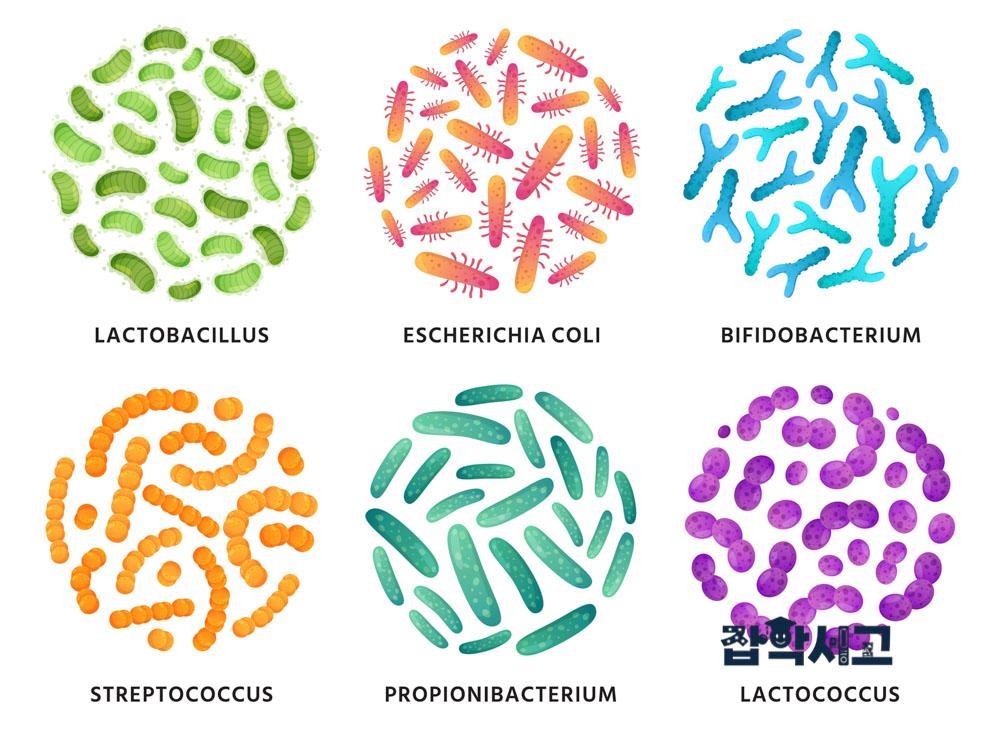 What types of lactic acid bacteria are there?
Lactobacillus
Lactobacillus is one of the best-known types of lactic acid bacteria. It is mainly active in the small intestine, helps with digestion and nutrient absorption, and is effective in preventing indigestion and constipation. It also helps prevent infections by activating immune cells.
Bifidobacterium
Bifidobacterium is mainly active in the large intestine. These lactic acid bacteria play an important role in maintaining gut health by suppressing harmful bacteria in the gut and protecting the intestinal mucosa. Bifidobacterium is also effective in regulating immune responses and suppressing inflammation.
Streptococcus thermophilus
Streptococcus thermophilus is frequently found in fermented foods and helps relieve lactose intolerance. These lactic acid bacteria break down lactose to aid digestion and can improve digestive problems caused by lactose intolerance.
Lactococcus lactis
Lactococcus lactis is found in fermented dairy products such as cheese and helps improve digestive health and strengthen immunity. These lactic acid bacteria activate digestive enzymes and suppress harmful bacteria in the gut, improving digestive function.
Enterococcus faecium
Enterococcus faecium is effective in improving the intestinal environment and inhibiting the growth of harmful bacteria. These lactic acid bacteria can also help prevent infections and improve immunity.
Saccharomyces boulardii
Saccharomyces boulardii is a yeast-type lactic acid bacterium that is particularly effective in preventing enteritis and diarrhea. These lactic acid bacteria maintain gut health by suppressing intestinal pathogens and protecting the intestinal mucosa. They also help strengthen immunity by activating immune cells.
Lactobacillus acidophilus
Lactobacillus acidophilus is active in the small intestine, relieves lactose intolerance, and promotes digestion. It also helps maintain vaginal health and is effective in restoring the balance of gut microorganisms after antibiotic treatment.
Lactobacillus casei
Lactobacillus casei improves digestive health and contributes to strengthening immunity. These lactic acid bacteria inhibit the growth of harmful bacteria and help maintain the balance of beneficial bacteria in the gut.
Bifidobacterium longum
Bifidobacterium longum is effective in improving the intestinal environment and preventing stress-induced enteritis. It also helps prevent infections by increasing immune cell activity.
Lactobacillus rhamnosus
Lactobacillus rhamnosus improves gut health and immunity and is particularly effective in preventing diarrhea in children. These lactic acid bacteria contribute to suppressing harmful bacteria in the gut and strengthening the immune system.
As shown, different types of lactic acid bacteria each have their own unique health benefits, so understanding them and consuming them appropriately is important for improving gut health and immunity.
Practical Ways to Consume Lactic Acid Bacteria in Daily Life
 Which foods contain abundant lactic acid bacteria?
Consuming lactic acid bacteria regularly is very important for maintaining gut health and immunity. Let us explore practical ways to do so.
Eating Fermented Foods
First, the most natural way to consume lactic acid bacteria regularly is to eat fermented foods. Fermented foods such as kimchi, doenjang, yogurt, and kefir contain abundant lactic acid bacteria. Eating these foods regularly allows you to replenish lactic acid bacteria naturally.
Using Lactic Acid Bacteria Supplements
Second, using lactic acid bacteria supplements is also a good approach. These supplements contain various types of lactic acid bacteria, allowing you to choose them according to specific health conditions or needs. In particular, they provide high doses of lactic acid bacteria, so you can expect quick results.
Drinking Beverages Containing Lactic Acid Bacteria
Third, drinking beverages containing lactic acid bacteria is also beneficial. Recently, a variety of juices, smoothies, and other beverages with added lactic acid bacteria have been introduced. These drinks are convenient because they are easy to consume in daily life, and they also taste good.
Eating Snacks Containing Lactic Acid Bacteria
Fourth, eating snacks containing lactic acid bacteria is also a good approach. Various snacks containing lactic acid bacteria, including chocolates and cookies, are available on the market. These snacks offer a tasty way to consume lactic acid bacteria.
Maintaining a Balanced Diet
Fifth, it is important to maintain a balanced diet. Eating foods rich in dietary fiber can help lactic acid bacteria multiply in the gut. Eating plenty of fruit, vegetables, and whole grains provides an environment in which lactic acid bacteria can multiply more readily in the gut.
Managing Stress and Getting Enough Sleep
Finally, it is important to manage stress and get enough sleep. Stress and lack of sleep can negatively affect gut health and immunity. Therefore, managing stress through regular exercise, meditation, and rest, and getting enough sleep help maximize the effects of lactic acid bacteria.
Lactic acid bacteria play an important role in improving gut health and immunity. We have examined their main roles and relationship with gut health, the importance of consuming them to improve immunity, their various types and benefits, and practical ways to consume them in daily life.
We hope that consistently consuming lactic acid bacteria will help you maintain gut health, strengthen immunity, and enjoy a healthier life. With continued attention and effort, you can maintain a healthy lifestyle.