Look at the back of a bag of snacks and you will see a number printed clearly, such as ‘Calories 250kcal.’ But who measured this number, and how? No factory burns its snacks one by one, and no one checks by feeding them to people. The calories of most foods are set by a simple calculation method that one scientist put together more than 100 years ago. That method is the ‘Atwater General Factor System.’
Put simply, the Atwater general factor system means estimating the calories in a food by multiplying each nutrient by a set energy value, such as ‘4kcal per gram for carbohydrate and protein, and 9kcal per gram for fat.’ The calorie figure on a nutrition facts label is the result of this multiplication, and Korea’s food labeling standards follow the same principle.
In this piece, we will look in turn at how the calorie as a unit and the Atwater factors came about, the principle behind the calculation and how it is actually used, and finally the limits of these numbers.
An Agreement That Turns a Food’s Energy Into Numbers
How Did the Atwater Factors Come About?
The unit of food energy, 1kcal, is the heat energy needed to raise the temperature of 1kg of water by 1℃, equal to about 4.184kJ. Attempts to measure the energy in food with this unit were active in 19th-century Germany, and the person who brought this work to the United States and refined it into a system was the chemist Wilbur Olin Atwater.
(1) Nutrition Research Learned in Germany
After earning a doctorate in agricultural chemistry at Yale University, Atwater went to Germany and studied under the physiologist Carl von Voit. He returned to Wesleyan University in Connecticut, where he led research analyzing the composition and digestibility of foods, and today he is called the father of modern American nutrition science.
(2) A Calorimeter a Person Could Enter
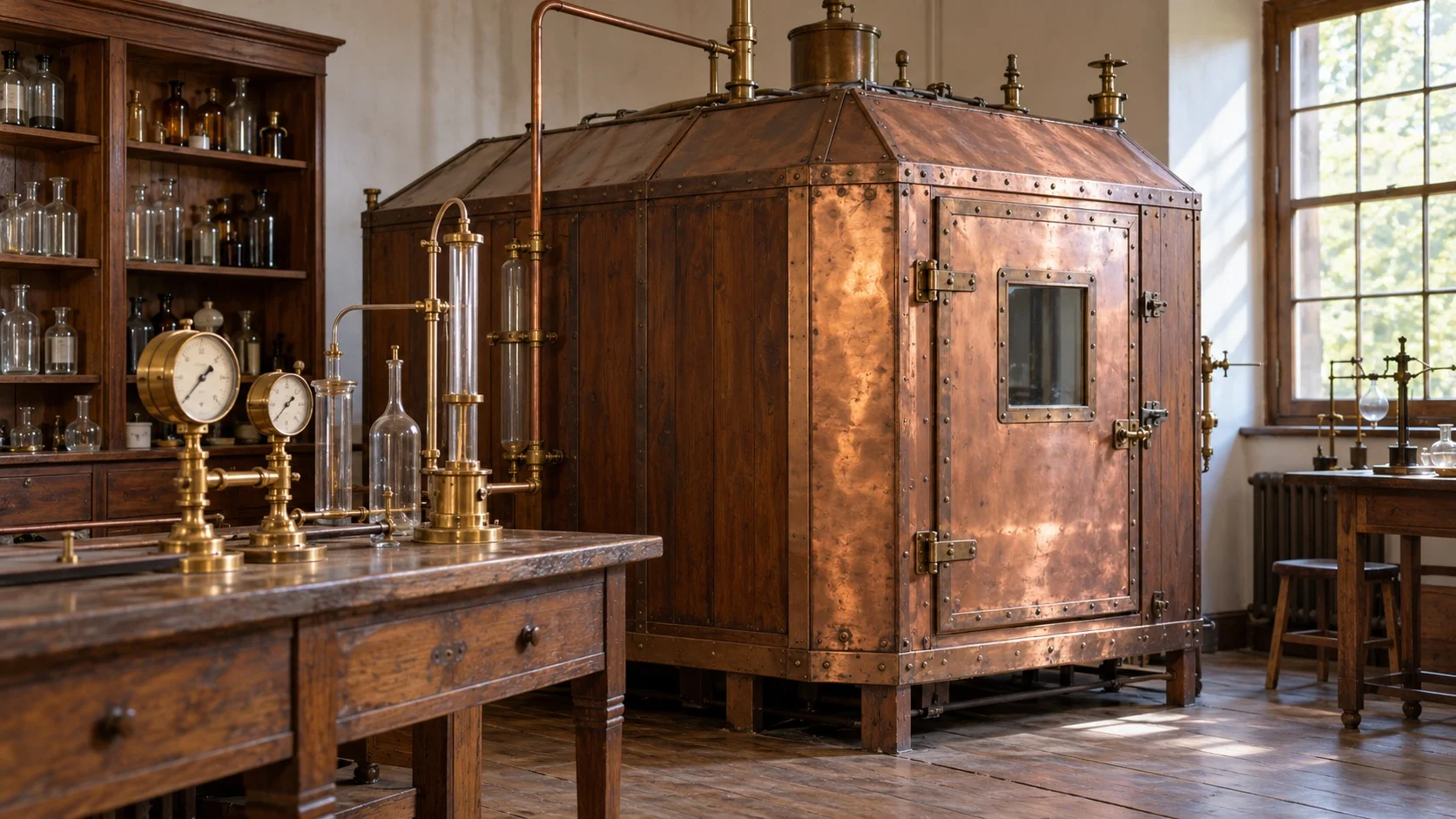
Together with the physicist Edward Bennett Rosa and the nutrition scientist Francis Gano Benedict, Atwater built a respiration calorimeter in which a person could stay for several days. It was a copper chamber about 2.1m long that measured the heat and breath given off while a person ate, slept, and worked inside, and from 1896 about 500 experiments were carried out. These experiments confirmed that the law of conservation of energy holds true for the human body as well.
How Are the 4, 9, and 4 Calculated?
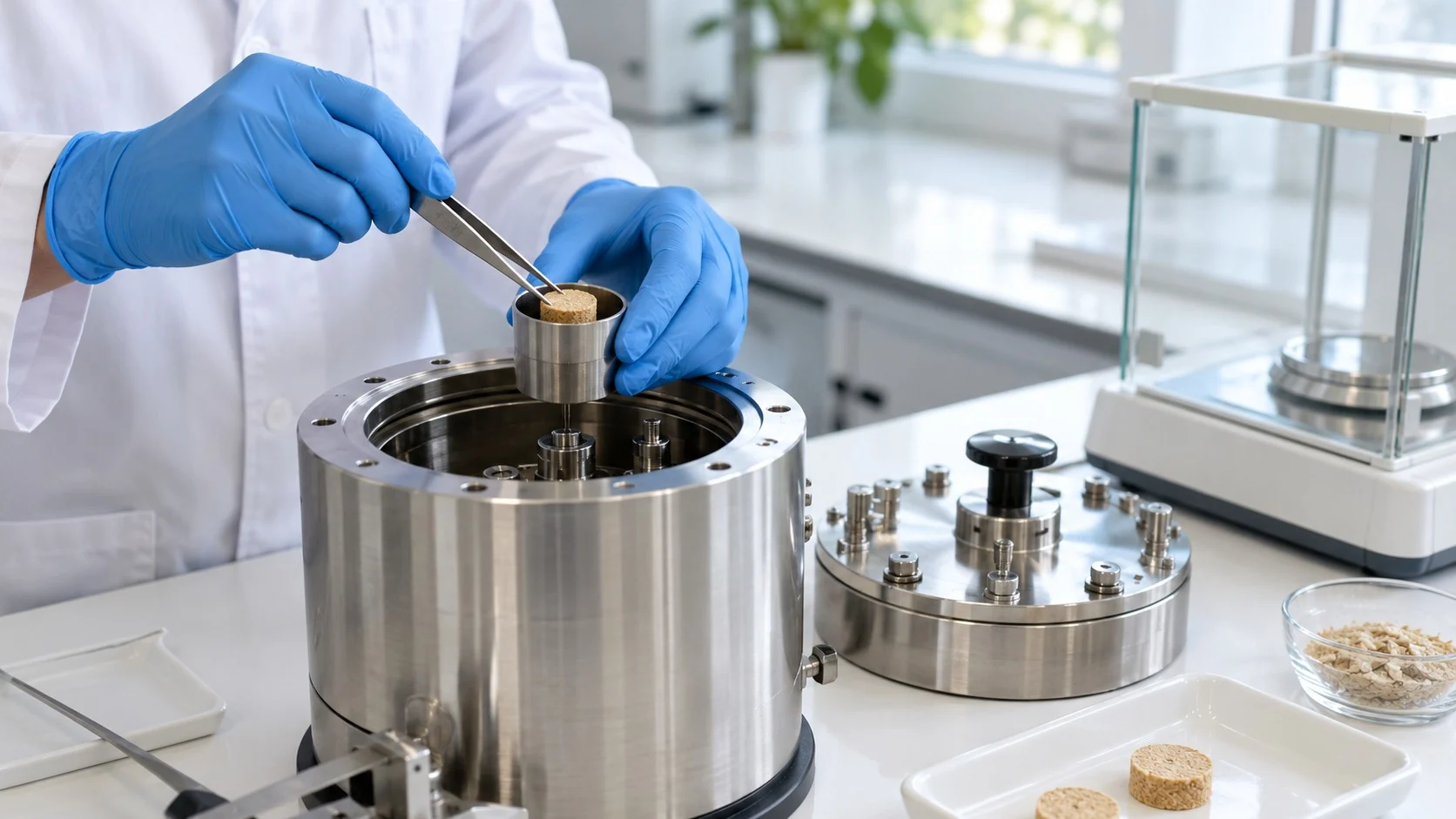
If food is burned completely in oxygen, all the energy it contains can be measured as heat. The device that measures it this way is called a Bomb Calorimeter. But because our bodies cannot use food completely, Atwater chose to subtract the share the body cannot use from the value obtained by burning.
- Gross Energy: The heat released when food is burned completely. Protein gives about 5.65kcal per gram, fat about 9.4kcal, and carbohydrate about 4.15kcal.
- Digestibility Coefficient: The proportion absorbed by the body. The part that is not absorbed leaves in the feces, and Atwater took about 92% of protein, about 95% of fat, and about 97% of carbohydrate to be absorbed.
- Urinary Loss: Nitrogen in protein becomes urea and is excreted in the urine, so that much energy is subtracted again.
Through this process he found the Metabolizable Energy, the energy the body can actually use, and rounding it off gave the simple numbers 4 for protein, 9 for fat, and 4 for carbohydrate. Alcohol is counted at 7kcal per gram.
The Atwater Factors on Nutrition Labels

The biggest reason the Atwater factors are so widely used is their simplicity. As long as you know how much carbohydrate, protein, and fat a food contains, anyone can work out its calories with a calculator.
(1) Korea’s Food Labeling Standards
Korea’s food labeling standards specify that calories are calculated by multiplying carbohydrate and protein by 4kcal per gram, fat by 9kcal, alcohol by 7kcal, and organic acids by 3kcal. If dietary fiber content is listed separately, that portion can be counted at 2kcal per gram and sugar alcohols at 2.4kcal, while sweeteners such as erythritol, which the body hardly uses for energy, are treated as 0kcal.
(2) A Simple Calculation Example
For a snack containing 30g of carbohydrate, 5g of protein, and 10g of fat, the result is 30×4 + 5×4 + 10×9 = 230kcal. The number on the back of the bag is the sum obtained by multiplying each nutrient content by its factor in this way.
(3) More Precise Specific Factors
In the 1950s, Annabel Merrill and Bernice Watt of the U.S. Department of Agriculture (USDA) introduced a method that uses different factors for each food group. It reflects the fact that even for the same nutrient, protein, meat and grains release different amounts of heat when burned and are absorbed at different rates.
What the Numbers Miss
The Atwater factors are a convenient agreement, but they do not fit every food and every person exactly.
(1) The Surprise of Nuts
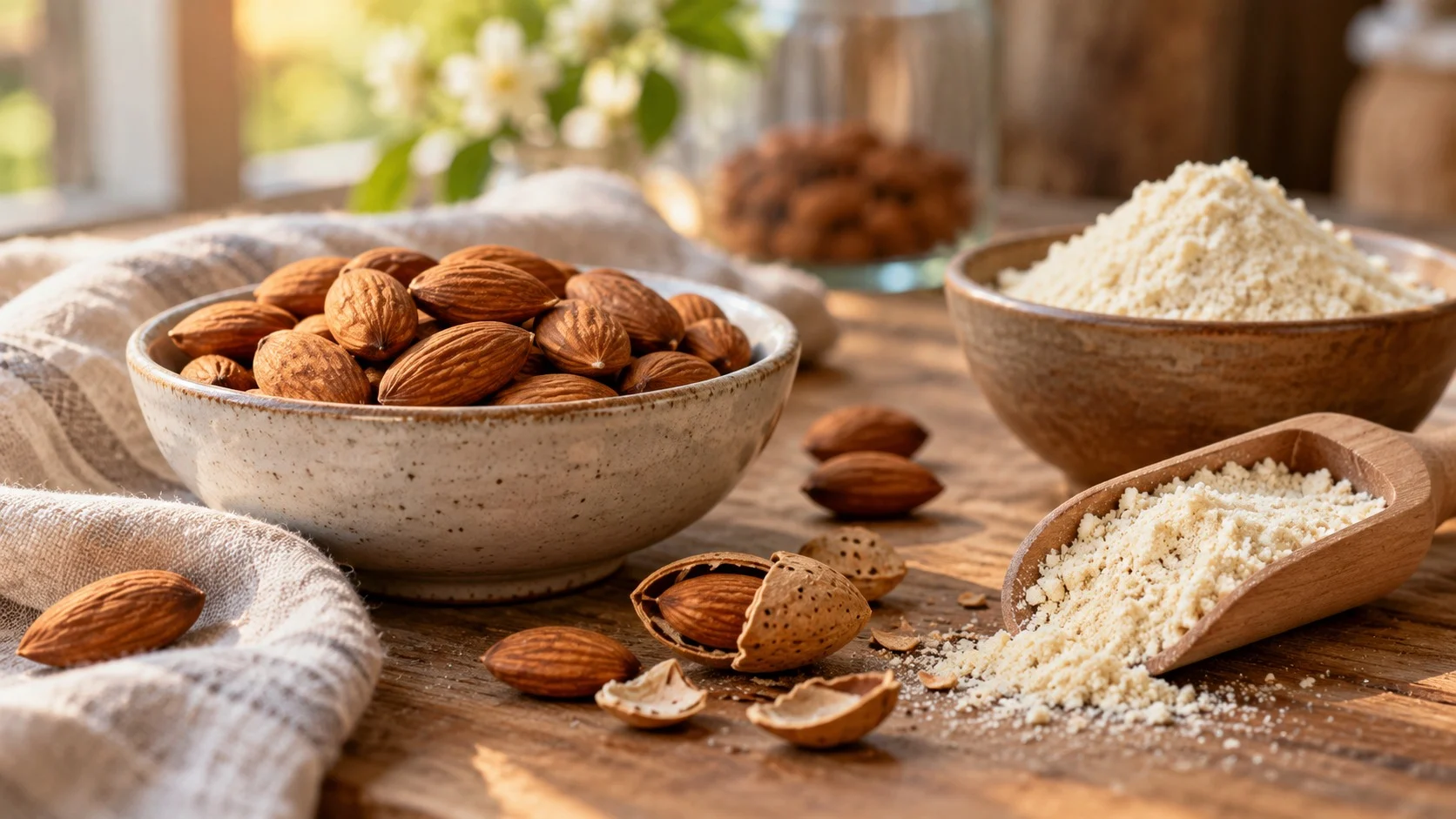
In 2012, when USDA researchers fed almonds to 18 adults and measured both intake and excretion, the actual energy in 28g of almonds came out at about 129kcal. That is about 32% less than the 168–170kcal calculated with the Atwater factors. This is explained by the fact that some of the fat wrapped in tough cell walls passes through without being digested.
(2) Cooking and Individual Differences
Even for the same food, cooking it or grinding it finely makes it easier to digest and can increase the energy the body gets from it. In addition, the makeup of gut microbes and the energy spent digesting food differ from person to person, so even when people eat the same number of calories, the amount their bodies retain is not the same.
By turning the energy of complex foods into a few numbers, 4, 9, and 4, the Atwater factors created a common language for food labeling, diet management, and nutrition research. Still, it is worth remembering that these numbers are estimates based on an average person and an average meal. Rather than treating a calorie figure as an absolute answer, we need to read it as a starting point that can vary with the type of food, how it is cooked, and the person eating it.
Understanding where the number on the back of the bag comes from: that is the first step in food and nutrition science toward designing a wise diet.