Inorganic chemistry is a branch of chemistry that, unlike organic chemistry, which centers on carbon, studies most elements other than carbon and their compounds. As a fundamental science for understanding the diverse substances found on Earth and their properties and putting them to use, inorganic chemistry plays a central role in many advances in modern science.
This material will examine in detail the definition and fundamental principles of inorganic chemistry, the structures and properties of inorganic compounds, their applications in modern science, and recent research trends and future prospects.
An Explanation of the Definition and Fundamental Principles of Inorganic Chemistry
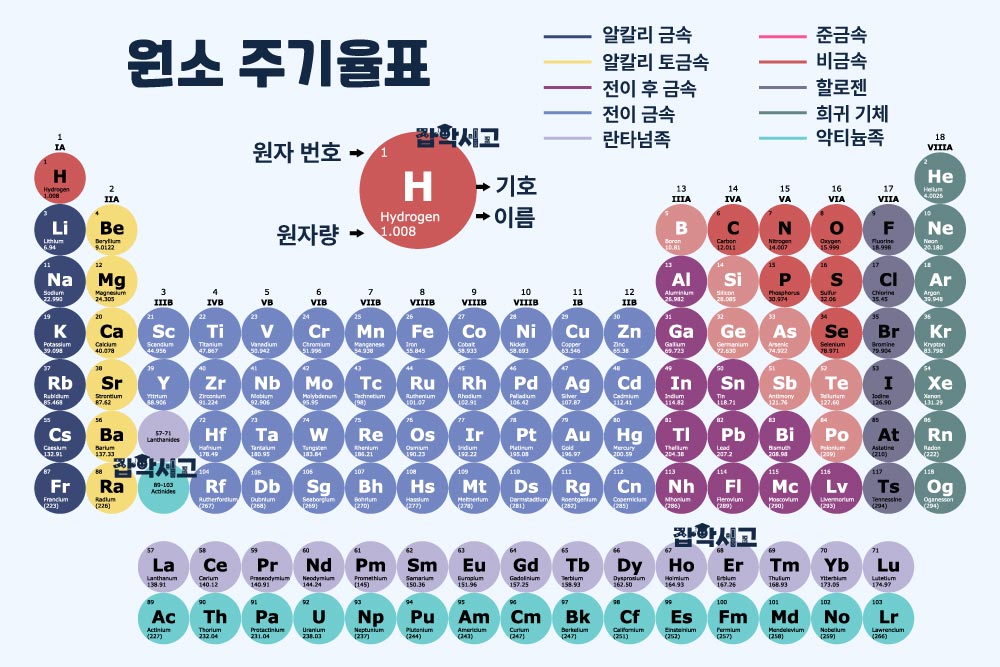
The Definition of Inorganic Chemistry
Inorganic chemistry (Inorganic Chemistry) is a branch of chemistry that studies most elements other than carbon and their compounds. It encompasses a wide range of elements, including metals, nonmetals, and metalloids, and investigates their bonding patterns, chemical reactions, and physical properties. Unlike organic chemistry, which focuses on carbon-based compounds, inorganic chemistry focuses on studying compounds of diverse elements and their complex structures.
The Periodic Table and the Fundamental Principles of Inorganic Chemistry
The fundamental principles of inorganic chemistry are closely related to the periodic table of the elements. The periodic table arranges elements by atomic number and shows the tendency of their chemical properties to recur periodically. The periodic table allows properties such as each element's electron configuration, ionization energy, and electronegativity to be predicted, providing an important basis for explaining the foundational theories of inorganic chemistry. These periodic properties play a central role in understanding the formation, reactivity, and stability of inorganic compounds.
Bonding Theory and Inorganic Chemistry
Bonding theory plays a very important role in inorganic chemistry. It explains how atoms bond and how these bonds affect the properties of substances. Various types of bonding exist, including ionic, covalent, and metallic bonding, and the physical and chemical properties of substances vary according to these bonding types. In inorganic chemistry, it is essential to understand the characteristics and principles of these bonds and their effects on the properties of substances. For example, understanding the formation of coordination compounds by metal ions, as well as their stability and reactivity, is based on bonding theory.
The Importance of Acid–Base Chemistry
Acid–base chemistry is also an important fundamental principle in inorganic chemistry. The roles of acids and bases are explained through the Brønsted–Lowry acid–base theory or the Lewis acid–base theory, which are essential for understanding the mechanisms of inorganic chemical reactions. For example, it is important to understand how metal ions participate in acid–base reactions and how these reactions affect the formation and structures of compounds.
Oxidation–Reduction Reactions and Their Applications
Another important principle of inorganic chemistry is oxidation–reduction reactions. These reactions involve the transfer of electrons and play important roles in various areas, including electrochemistry, catalysis, and the roles of metal ions in living organisms. The concept of oxidation states and the balancing of reactions based on this concept are central elements of inorganic chemistry, and these reactions have important practical applications in energy conversion, corrosion prevention, and the operating principles of batteries.
The Role of Symmetry and Group Theory
Symmetry and group theory play important roles in inorganic chemistry. Molecular symmetry and the group theory that describes it serve as important tools for analyzing molecular structures and energy states. They are particularly essential for analyzing the electronic structures and spectra of complex molecules and are highly useful for predicting and explaining molecular properties. Analyzing the symmetry properties of molecules through group theory makes it possible to understand their stability, reactivity, and characteristic peaks in their spectra.
Inorganic chemistry is a discipline that focuses on understanding the structures, properties, and reactivity of substances by studying diverse elements and their compounds. Various principles, including the periodic table, bonding theory, acid–base chemistry, oxidation–reduction reactions, symmetry, and group theory, form the foundations of inorganic chemistry and enable a wide range of chemical phenomena to be explained and applied. These principles of inorganic chemistry make important contributions to advances in modern science and technology and will continue to develop.
Analyzing the Structures and Properties of Inorganic Compounds
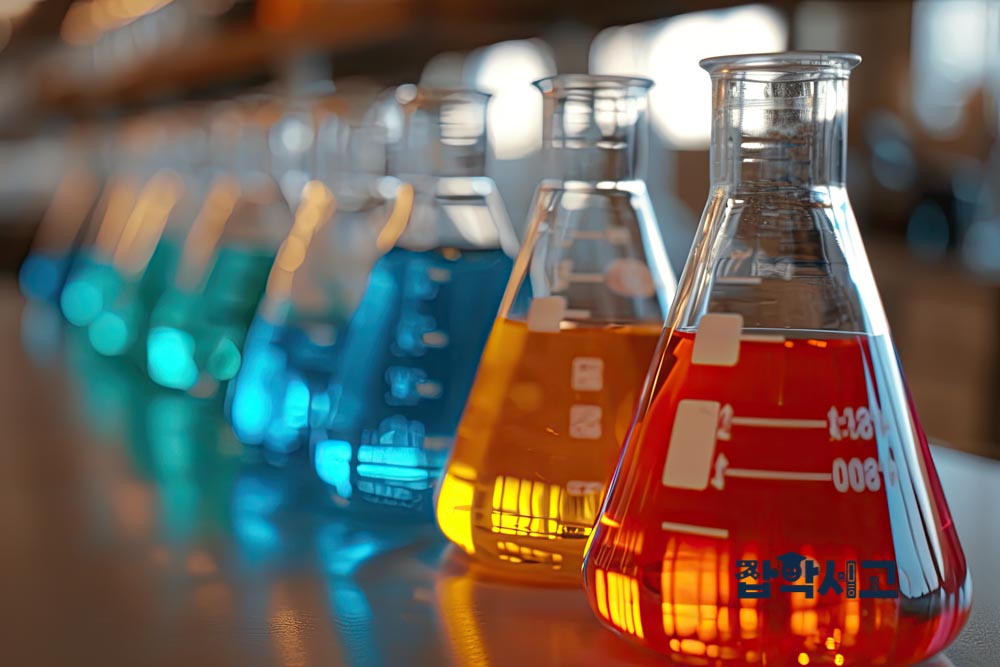
The Structures of Inorganic Compounds
The structures of inorganic compounds take complex forms depending on their bonding types and atomic arrangements. The structures of inorganic compounds vary with different types of bonding, including ionic, covalent, and metallic bonding, and this directly affects their physical and chemical properties. For example, inorganic compounds formed through ionic bonding generally have crystalline structures in the solid state, in which atoms form stable arrangements through electrical attraction and repulsion. Sodium chloride (NaCl) is a representative example in which sodium ions and chloride ions combine in a 1:1 ratio to form a cubic crystal structure.
In inorganic compounds formed through covalent bonding, atoms bond by sharing electron pairs, and these compounds can exist in solid, liquid, or gaseous states. This bonding type gives rise to a variety of physical properties in compounds. For example, silicon dioxide (SiO2) forms a very hard structure through strong covalent bonds and plays important roles in areas such as semiconductors and glass manufacturing.
In inorganic compounds formed through metallic bonding, metal atoms bond by sharing free electrons. This is an important concept for explaining properties of metals such as electrical conductivity, thermal conductivity, ductility, and malleability. Metals such as iron (Fe) and copper (Cu) have distinctive physical properties through metallic bonding, and these properties are widely used throughout industry.
Techniques for Analyzing the Properties of Inorganic Compounds
Advanced analytical techniques are essential for analyzing the structures and properties of inorganic compounds. X-ray crystallography is an important tool for analyzing the crystal structures of inorganic compounds at the atomic level, making it possible to understand their internal structures and bonding states. This technique plays a central role in understanding the structural characteristics of inorganic compounds.
Nuclear magnetic resonance (NMR) is a technique used to analyze the electronic structures of molecules and their surrounding environments. NMR analysis provides a detailed understanding of the chemical properties of inorganic compounds and offers important information for understanding their reaction mechanisms and bonding characteristics.
Electron microscopy is a technique that enables the microstructures of inorganic compounds to be observed at high resolution, allowing structural analysis at the nanometer scale. It can be used to analyze the crystal grains, defects, and surface structures of inorganic compounds.
Spectral Analysis and Inorganic Compounds
Spectral analysis plays a very important role in analyzing the properties of inorganic compounds. Various spectral techniques, including ultraviolet–visible (UV-Vis) spectra, infrared (IR) spectra, and Raman spectra, can be used to analyze electronic transitions and molecular vibrations in inorganic compounds. These analyses provide essential information for understanding the electronic structures, molecular structures, and chemical environments of substances and play important roles in predicting and applying the properties of inorganic compounds.
Predicting Inorganic Compounds Through Quantum Chemical Calculations
Quantum chemical calculations are used to understand and predict the structures and properties of inorganic compounds. They play an important role in calculating the electronic structures of complex molecules and using these results to predict chemical reaction pathways and energy changes. Together with experimental analysis, these calculations serve as essential tools for understanding the properties of inorganic compounds and play particularly important roles in developing new materials and analyzing reaction mechanisms.
Applications of Inorganic Chemistry in Modern Science

Applications of Inorganic Chemistry in Catalytic Chemistry
Inorganic chemistry plays a central role in catalytic chemistry. Inorganic compounds, particularly transition metal complexes, play important roles in controlling the rates of chemical reactions and improving reaction selectivity. These catalysts are widely used in petrochemicals, the pharmaceutical industry, and environmental engineering. For example, iron-based catalysts play an essential role in ammonia synthesis reactions on an industrial scale (the Haber-Bosch process). Transition metal catalysts such as palladium and platinum also enable selective hydrogenation reactions in organic synthesis, which are essential for producing a wide range of pharmaceuticals and chemical products.
Applications of Inorganic Chemistry in Energy
Inorganic chemistry is also essential in the energy sector. Silicon-based solar cells used in solar power generation, electrode materials for fuel cells, and electrodes and electrolytes for lithium-ion batteries are all achievements of inorganic chemistry. For example, inorganic compounds such as cobalt oxide and lithium iron phosphate are used as electrode materials in lithium-ion batteries, greatly improving energy density and charging speed. These technologies enable sustainable energy production and storage and make important contributions to addressing the energy challenges of modern society.
Applications of Inorganic Chemistry in the Life Sciences
Inorganic chemistry also plays an important role in the life sciences. Metal ions function as the active sites of enzymes in living organisms and play an important role as catalysts for biochemical reactions. For example, iron ions are essential for hemoglobin's oxygen transport function, while zinc ions participate in the activation of various enzymes. Inorganic compounds also play important roles in developing medicines such as anticancer drugs and antibiotics. Metal-based anticancer drugs such as cisplatin (Cisplatin) bind to the DNA of cancer cells and inhibit cell proliferation, and they are widely used to treat various cancers.
Applications of Inorganic Chemistry in Environmental Science
In environmental science, inorganic chemistry plays a central role in various areas, including the analysis and control of air pollutants, water purification, and waste treatment. For example, catalytic reduction reactions are used to remove harmful gases such as NOx and SOx from the atmosphere, based on the principles of inorganic chemistry. Technologies are also being developed that use inorganic materials such as zeolites and activated carbon to remove heavy metal ions for water purification. These technologies make important contributions to environmental protection and pollutant control.
Applications of Inorganic Chemistry in Materials Science
Inorganic chemistry also plays an important role in materials science. Various inorganic materials, including ceramics, glass, semiconductors, and superconductors, enable a range of industrial applications through their distinctive electromagnetic, thermal, and mechanical properties. For example, high-purity silicon is essential for manufacturing semiconductor devices, while gallium arsenide (GaAs) is used in high-speed electronic devices. Superconductors also play important roles in applications such as magnetic levitation and MRI equipment, and the development and application of these materials are achievements of inorganic chemistry research.
Applications of Inorganic Chemistry in Nanotechnology
Inorganic chemistry also holds an important position in nanotechnology. Various nanostructures, including nanoparticles, nanowires, and nanotubes, exhibit distinctive physical and chemical properties and are used in areas such as electronic devices, biosensors, and catalysts. For example, gold nanoparticles play important roles in biological imaging and drug delivery systems, and the development of these nanostructures is opening new possibilities for diagnosing and treating diseases.
Trends and Future Prospects in Inorganic Chemistry Research
Inorganic Chemistry Research Integrated with Advanced Technology
Recent research in inorganic chemistry is actively exploring new nanostructures and their potential applications through integration with nanotechnology. Various nanostructures, including nanoparticles, nanowires, and nanosheets, exhibit distinctive electronic, optical, and catalytic properties and play important roles in developing new materials and devices, such as electronic devices, catalysts, and energy conversion devices. As these nanostructures become smaller, their surface area increases, giving them high reactivity in chemical reactions and enabling innovative applications in various advanced industrial sectors.
Integrating Renewable Energy and Inorganic Chemistry
The role of inorganic chemistry is also becoming increasingly important in renewable energy. Research is actively underway to develop new inorganic materials and catalysts used in energy devices such as solar cells, fuel cells, and batteries. For example, perovskite solar cells are attracting attention for their high energy conversion efficiency and low manufacturing costs, while solid-electrolyte batteries show the potential to replace conventional lithium-ion batteries in terms of safety and lifespan. This research enables sustainable energy production and storage and will make important contributions to solving future energy challenges.
Expanding the Applications of Inorganic Chemistry in the Life Sciences
The applications of inorganic chemistry in the life sciences are gradually expanding. The development of metal-based drugs, biocompatible inorganic materials, and biosensors is actively underway, bringing important innovations to medical and life science research. In particular, drug delivery systems using metal nanoparticles offer the potential to target specific diseased cells, improve treatment effectiveness, and minimize side effects. Research is also increasing into the use of metal nanoparticles in biological imaging to develop more precise and sensitive diagnostic methods.
Contributions of Inorganic Chemistry to Environmental Science
Inorganic chemistry research also plays an important role in environmental science. Research is underway to develop new inorganic materials and catalysts to address various environmental problems, including the removal of harmful substances from the atmosphere, water purification, and waste treatment. For example, catalytic technologies for removing atmospheric NOx and SOx contribute to improved air quality, while the development of inorganic materials that effectively remove heavy metal ions during water treatment plays an important role in supplying clean water. This research contributes to environmental protection and sustainable development and is essential for responding to climate change.
Integrating Computer Simulation and Inorganic Chemistry
The use of computer simulation technology is becoming increasingly important in inorganic chemistry research. Quantum chemical calculations and molecular dynamics simulations enable the precise prediction and analysis of the structures and properties of inorganic compounds, greatly helping to complement experimental research and improve its efficiency. These simulation technologies serve as important tools in the design and development of new inorganic compounds and are also making significant advances in understanding and predicting complex chemical systems.
Future Prospects for Inorganic Chemistry Research
In the future, inorganic chemistry is highly likely to open new fields of research by integrating with various disciplines. The design and optimization of inorganic compounds using artificial intelligence (AI), the fabrication of inorganic materials using 3D printing technology, and bioinorganic chemistry are attracting attention as major areas of future research. This integrated research is expected to expand the scope of inorganic chemistry's applications and play important roles in addressing problems across various industries and society. Advances in inorganic chemistry will make central contributions to building a sustainable future and driving the development of innovative technologies.
Inorganic chemistry is an important discipline that forms a foundation of modern science and technology and has a significant impact on our lives and industries through the study of diverse elements and their compounds. Examining the fundamental principles of inorganic chemistry, the structures and properties of inorganic compounds, their various applications, and recent research trends and future prospects shows that inorganic chemistry is a constantly developing field that opens new possibilities.
Inorganic chemistry research is expected to continue making important contributions to sustainable development and the development of innovative technologies, which will require further research and attention.