Sugars play an important role in the diet, but excessive intake can cause a variety of health problems. To prevent these problems and maintain optimal health, it is essential to have a comprehensive understanding of sugars and follow the relevant guidelines.
This article aims to provide an in-depth analysis of the definition and main types of sugars, their physiological roles and effects on health, recommended daily sugar intake and guidelines, and foods high in sugars and prevention strategies.
Definition and Main Types of Sugars: Understanding the Basics
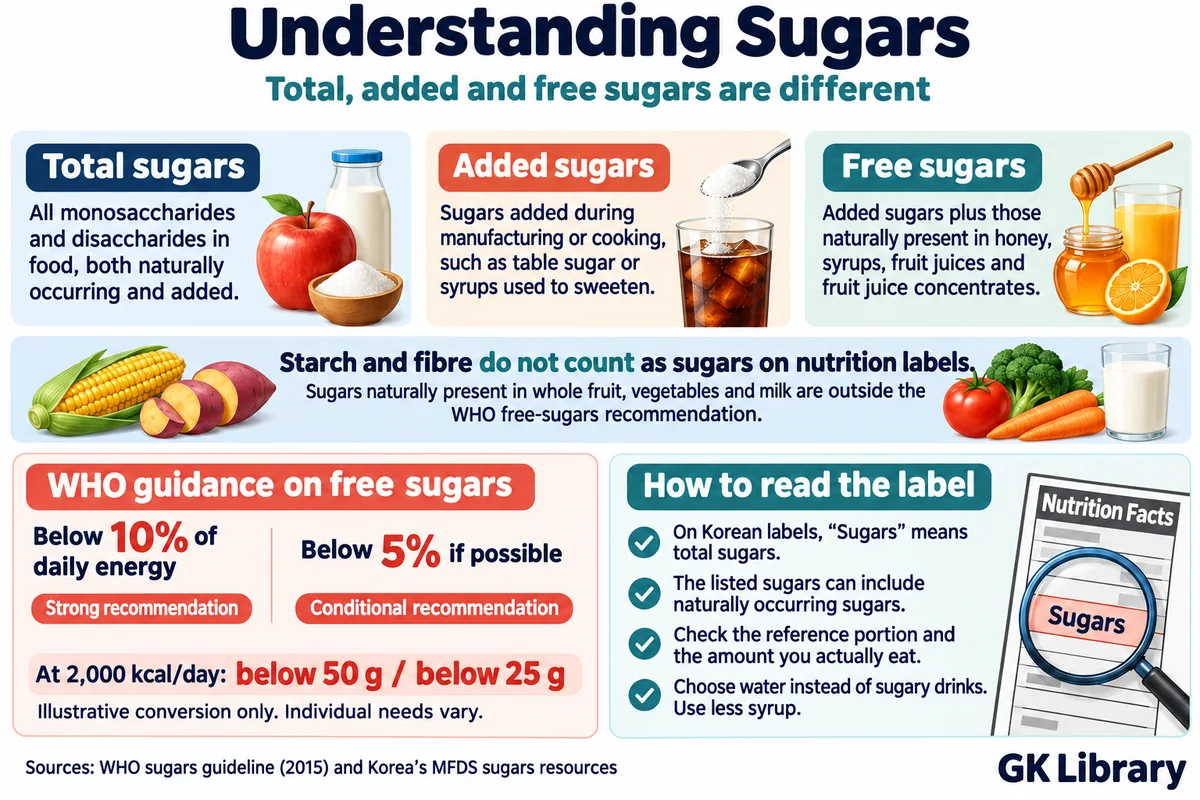

Definition and Main Types of Sugars
Sugars are a type of carbohydrate and are classified into monosaccharides, disaccharides, polysaccharides, and other categories. Monosaccharides are the simplest form of sugar and include glucose, fructose, and galactose. They consist of a single molecule and can therefore be used quickly as an energy source.
Disaccharides are formed by joining two monosaccharides and include table sugar (sucrose), lactose, and maltose. Table sugar is a combination of glucose and fructose, lactose consists of glucose and galactose, and maltose consists of two glucose molecules joined together. Disaccharides are broken down into monosaccharides in the body and absorbed.
Polysaccharides are complex carbohydrates formed by joining multiple monosaccharides, primarily including dietary fiber and starch. Polysaccharides are broken down into monosaccharides during digestion and used as an energy source, while dietary fiber is not digested and plays an important role in maintaining intestinal health.
Naturally occurring sugars are present in a variety of foods, including fruits, vegetables, grains, and dairy products, and supply vitamins and minerals along with important nutrients. In contrast, sugars added to processed foods and beverages are mainly provided in the form of refined sugar or high-fructose corn syrup, which can have negative effects on health.
Sugars serve as a rapid source of energy and play an essential role in brain and muscle activity. However, their effects on health can vary depending on the type and amount consumed, making it essential to understand these differences.
Physiological Roles of Sugars
Sugars serve as an important energy source in our bodies. Glucose, in particular, is the brain's main energy source and is essential for maintaining the normal functioning of the nervous system. Sugars also support muscle activity and assist the body's metabolic processes. During exercise or physical activity, muscles convert stored glycogen (a form of polysaccharide) into glucose to provide energy.
Sugars also play an important role in regulating blood glucose levels. Two main hormones, insulin and glucagon, help keep blood glucose within a certain range, which is essential for maintaining the body's overall energy balance.
Effects of Sugars on Health
Consuming appropriate amounts of sugars can have positive effects on health, but excessive intake can lead to various health problems. Excessive sugar intake can increase the risk of obesity, type 2 diabetes, and cardiovascular disease, and also has negative effects on dental health. In particular, frequent consumption of foods high in added sugars causes blood glucose to rise sharply, and the resulting increase in insulin resistance can raise the risk of developing diabetes.
Excessive intake of simple sugars, such as refined sugar, also promotes fat accumulation in the body and can lead to obesity. This can increase visceral fat in particular, potentially causing serious health problems such as metabolic syndrome.
Recommended Daily Sugar Intake and Guidelines
International organizations such as the World Health Organization (WHO) recommend reducing sugar intake to less than 10% of total calories. For adults, this means consuming approximately 50 g of sugars or less per day, and ideally, reducing intake to 25 g or less is recommended as more beneficial for health. To follow these guidelines, it is important to carefully check the added sugar content of processed foods, beverages, and similar products, and to build a balanced diet centered on foods containing naturally occurring sugars.
Physiological Roles of Sugars and Their Effects on Health

Physiological Roles of Sugars
Sugars serve as a major energy source in the human body and are particularly essential for brain and muscle activity. Glucose generates energy within cells in the form of ATP (adenosine triphosphate), which is a key element that makes all physical activity possible. Because the brain uses glucose as its sole energy source, maintaining stable blood glucose levels is very important.
Sugars are also stored in the liver and muscles as glycogen and quickly converted into an energy source when needed. During exercise, glycogen is broken down to supply energy, which plays an important role in maintaining and improving exercise performance. When glycogen stores are insufficient, fatigue may set in quickly and exercise performance may decline. Through these physiological roles, sugars contribute to maintaining the body's basic energy metabolism.
Positive Effects of Sugars on Health
Naturally occurring sugars have positive effects on health. The sugars in fruits and vegetables are provided together with vitamins, minerals, and dietary fiber, and this combination of nutrients slows the rise in blood glucose and prolongs feelings of fullness, helping with blood glucose management and weight control. In particular, the natural sugars in fruit are combined with antioxidants, contributing to the prevention of cellular damage and the strengthening of immune function.
In addition, naturally occurring sugars provide vitamins and minerals that play essential roles in the body's metabolic processes, helping maintain overall nutritional balance. This supports the body's normal functioning and helps optimize energy metabolism.
Risks of Excessive Sugar Intake
In contrast, excessive sugar intake can lead to various health problems. In particular, excessive intake of added sugars increases the risk of chronic diseases such as obesity, type 2 diabetes, and cardiovascular disease. Added sugars increase insulin resistance, promote inflammatory responses, and raise blood triglyceride levels, threatening cardiovascular health.
Excessive sugar intake also has negative effects on dental health. When sugars combine with bacteria in the mouth to produce acids, these acids erode tooth enamel and cause cavities. In particular, frequent consumption of sweet beverages or snacks greatly increases the risk of cavities, which is a major cause of worsening oral health.
Thus, although sugars are an essential energy source, their effects on health can vary greatly depending on the amount consumed and their type. By managing these factors appropriately, we can maintain a healthy life.
Recommended Daily Sugar Intake and Analysis of Existing Guidelines

Overview of Recommended Daily Sugar Intake
The World Health Organization (WHO) recommends reducing daily added sugar intake to no more than 10% of total energy intake and suggests lowering it to no more than 5% if possible. For adults, this means consuming approximately 25 g of added sugars per day, and these recommendations aim to prevent obesity, diabetes, cardiovascular disease, and other conditions. Similarly, the American Heart Association (AHA) recommends no more than 100 calories (approximately 25 g) of added sugars per day for women and 150 calories (approximately 37.5 g) per day for men, focusing on reducing the risk of cardiovascular disease.
Comparison of Domestic and International Guidelines
South Korea's Ministry of Food and Drug Safety also recommends limiting added sugar intake to no more than 10% of total daily energy intake. These guidelines focus particularly on limiting the consumption of added sugars in processed foods and beverages. Guidelines across countries share an emphasis on reducing added sugar intake and obtaining sugars from natural foods. This takes into account that natural foods can have positive effects on health because they also provide a variety of nutrients, including vitamins, minerals, and dietary fiber.
Differences Between Natural Foods and Added Sugars
Sugars in natural foods come with natural dietary fiber, offering benefits such as moderating the rise in blood glucose and keeping you feeling full for longer. For example, fructose in fruit is absorbed slowly in the body and can prevent abrupt fluctuations in blood glucose. In contrast, added sugars in processed foods and beverages lack these natural nutrients and are therefore more likely to have negative effects on health when consumed excessively.
Sugar Intake Problems in Practice
In practice, however, many people consume excessive amounts of added sugars through processed foods and beverages. This is particularly evident among children and adolescents, who are at risk of easily consuming too much sugar through beverages and snacks high in added sugars. This problem is one reason why countries need to strengthen their public health policies. Reducing the negative effects of added sugars on health requires consumer education as well as regulation throughout the food industry.
Importance of Following Recommended Daily Sugar Intake
Following the recommended daily sugar intake and guidelines is very important for maintaining overall health and preventing chronic diseases. In particular, by reducing added sugar intake and obtaining sugars from natural foods, we can lead healthier lives. Putting the guidelines into practice goes beyond simply preventing disease and will contribute to improving quality of life over the long term.
Foods High in Sugars and Prevention Strategies

Types of Foods High in Sugars and Their Problems
Foods high in sugars are widespread in modern diets, particularly processed foods and beverages. Common examples include carbonated drinks, energy drinks, fruit juice, cakes, cookies, ice cream, chocolate, candy, and cereals. These foods contain large amounts of added sugars to improve taste and extend shelf life, and beverages in particular often contain tens of grams of sugar in a single bottle, making it easy to exceed the recommended daily intake when they are consumed frequently. In addition to being high in calories, these foods lack essential nutrients, so excessive consumption carries a high risk of causing chronic diseases such as obesity, diabetes, and cardiovascular disease.
Negative Effects of Added Sugars on Health
Excessive consumption of foods high in added sugars has various negative effects on the body. High sugar intake increases insulin resistance in the body, raising the risk of developing diabetes, and raises blood triglyceride levels, increasing the likelihood of cardiovascular disease. Excessive calorie intake also causes obesity, which is a fundamental cause of various metabolic diseases. Since these problems can seriously threaten health, added sugar intake needs to be managed carefully.
Practical Strategies for Reducing Sugar Intake
The first strategy for reducing sugar intake is to check food labels carefully. When choosing processed foods or beverages, pay close attention to their added sugar content and choose products with a low sugar content whenever possible. It is also important to build a diet centered on natural foods, as foods such as fruits, vegetables, and whole grains provide vitamins, minerals, and dietary fiber along with sugars, helping maintain a balance of nutrients. It is also advisable to replace beverages with water or unsweetened tea and to eat fresh fruit or nuts as snacks.
Importance of Controlling Sugar Intake
If you are in a situation where you cannot avoid foods high in sugars, you should minimize the amount consumed and expend energy through exercise to prevent sugars from accumulating in the body. Through these efforts, you can effectively manage sugar intake and maintain your health. Developing the habit of reducing sugar intake and choosing healthy alternative foods can prevent unnecessary sugar consumption, which is essential to maintaining better health and quality of life.
Sugars are an important energy source in everyday life, but excessive intake can cause a variety of health problems. This article has comprehensively examined the definition and main types of sugars, their physiological roles and effects on health, recommended daily sugar intake and existing guidelines, and foods high in sugars and prevention strategies.
To maintain a healthy diet, it is important to manage sugar intake carefully and follow a balanced diet. This can help maintain better health and quality of life.