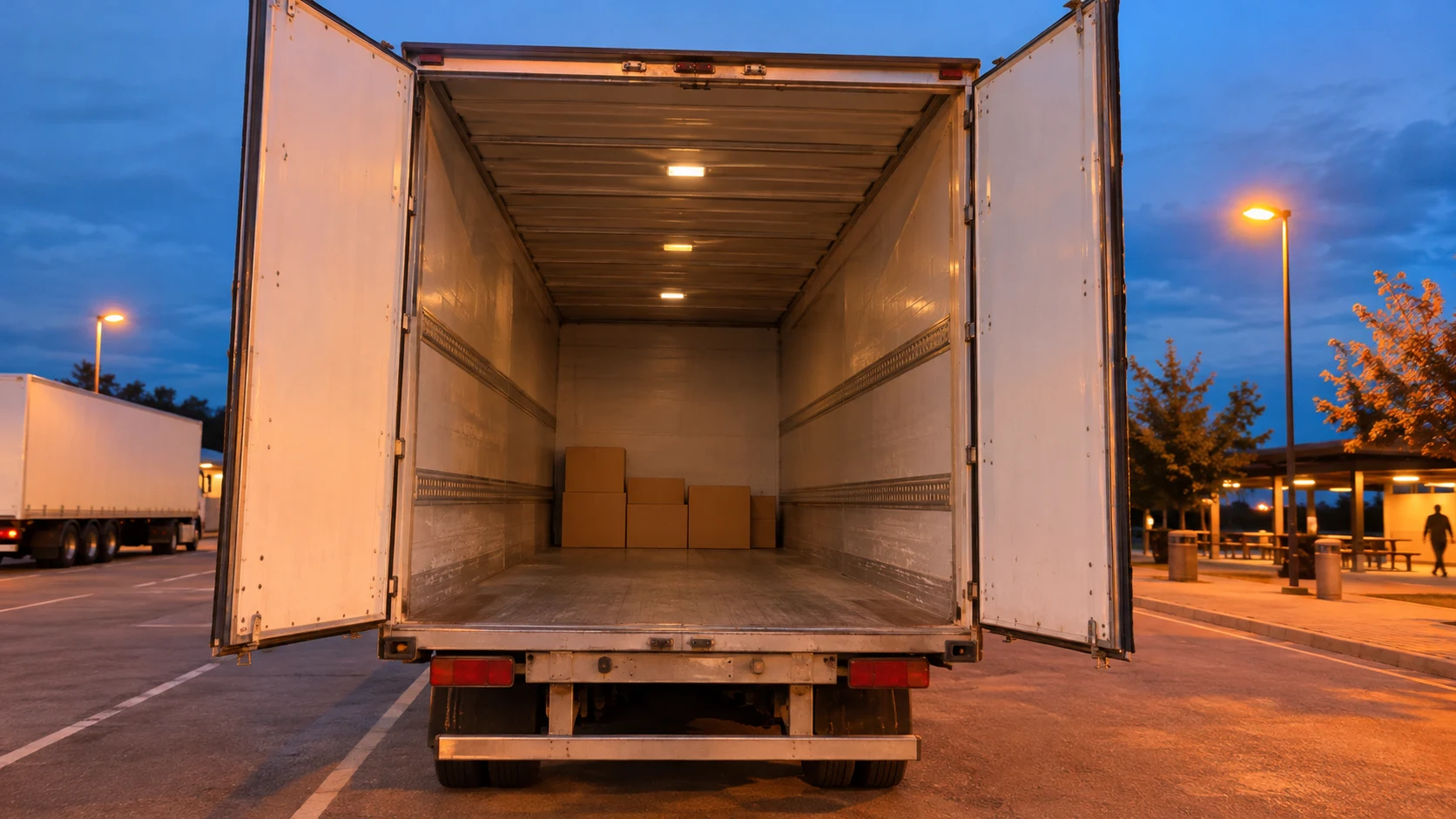
Is the cargo space of every truck on the highway always full? In reality, many trucks run half empty, and some run completely empty. When you send a photo over the internet, on the other hand, the data is split into small bundles that pick open routes and arrive quickly. Could goods be sent the way internet data is? The logistics concept that grew out of this question is the Physical Internet.
Simply put, the Physical Internet means ‘a system that, modeled on the way the internet carries data, packs goods into standardized modular boxes and moves them through an open logistics network that anyone can share.’ The term first appeared in June 2006 in a cover headline of a logistics special report in the British weekly The Economist, and Professor Benoit Montreuil of Université Laval in Canada developed it into a structured concept in a 2011 paper.
In this article, we will look in turn at the inefficiencies of today’s logistics, the internet-like building blocks of the Physical Internet, the way freight is relayed across multiple segments, and how far research has come.
A logistics network that carries goods like data: everything about the Physical Internet
1. Why do we need a new logistics network? Trucks hauling air
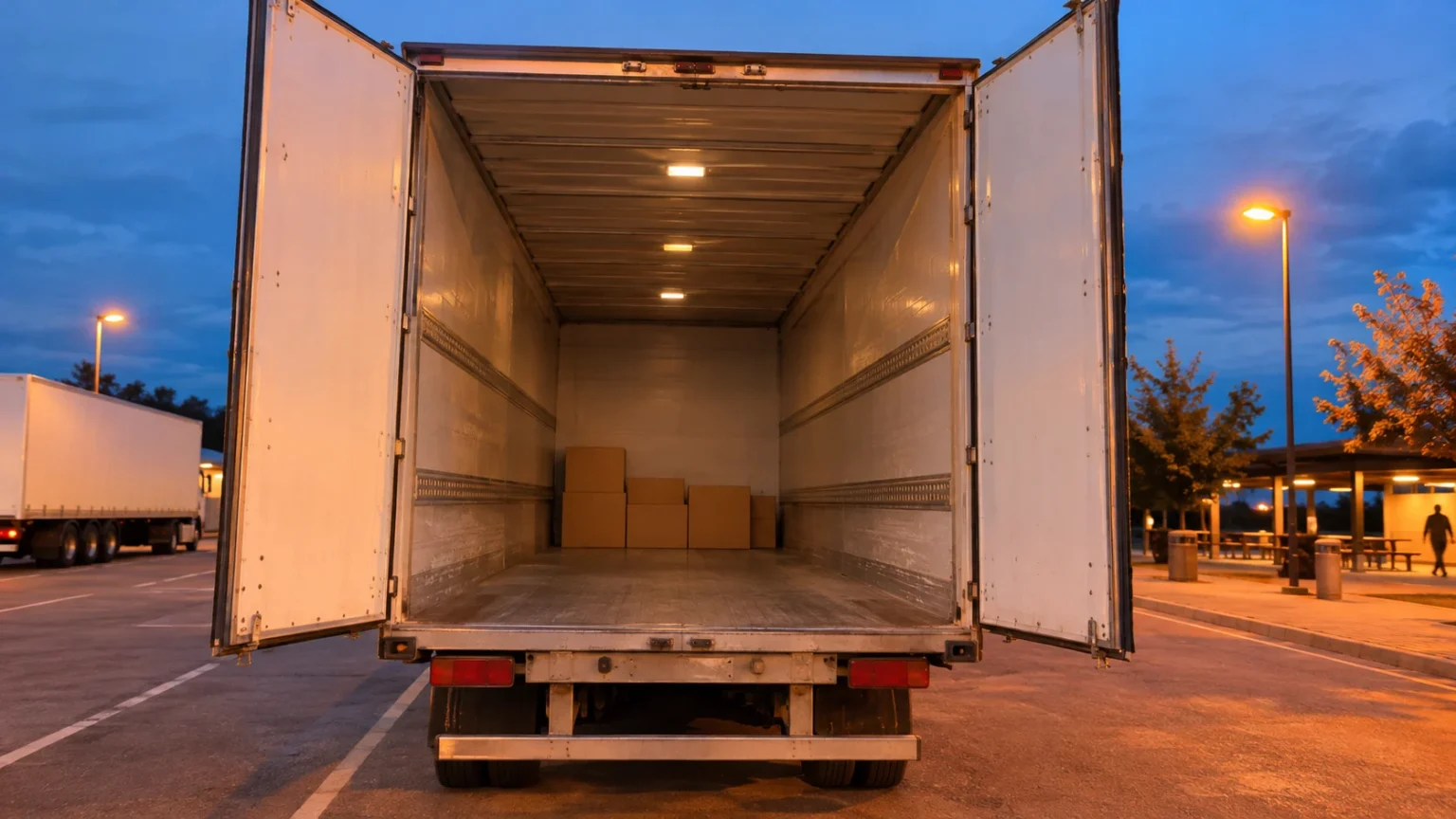
In his 2011 paper “Towards a Physical Internet,” Montreuil listed 13 symptoms showing that today’s global logistics is unsustainable. The first three on the list make it clear why a new logistics network is needed.
(1) Shipping air and packaging
The paper cited a study finding that, in the United States, even trailers traveling loaded are on average only about 60% full. Counting empty space inside boxes and excess packaging, it also introduced an estimate that the real efficiency of global transport is below 10%.
(2) Miles driven empty
It is also common for a truck to return empty after dropping off its load. In the United Kingdom in 2004, about 27% of truck kilometers were driven empty, and the 2009 US industry average was that 20% of all miles were driven with a completely empty trailer.
(3) Drivers who cannot go home
When one driver hauls a load all the way from origin to destination, the job often means being away from home for days. The paper cited the American Trucking Association’s forecast of a US shortage of 111,000 truck drivers by 2014, along with a study finding that 58% of accidents reported by drivers were related to fatigue or lack of sleep.
2. Internet-like building blocks: containers, hubs and open networks
On the internet, data is divided into small bundles called packets, and routers choose the path by reading only the address written in each packet’s header. The Physical Internet carries this structure straight over to logistics, proposing to move standard boxes that hold goods rather than the goods themselves.
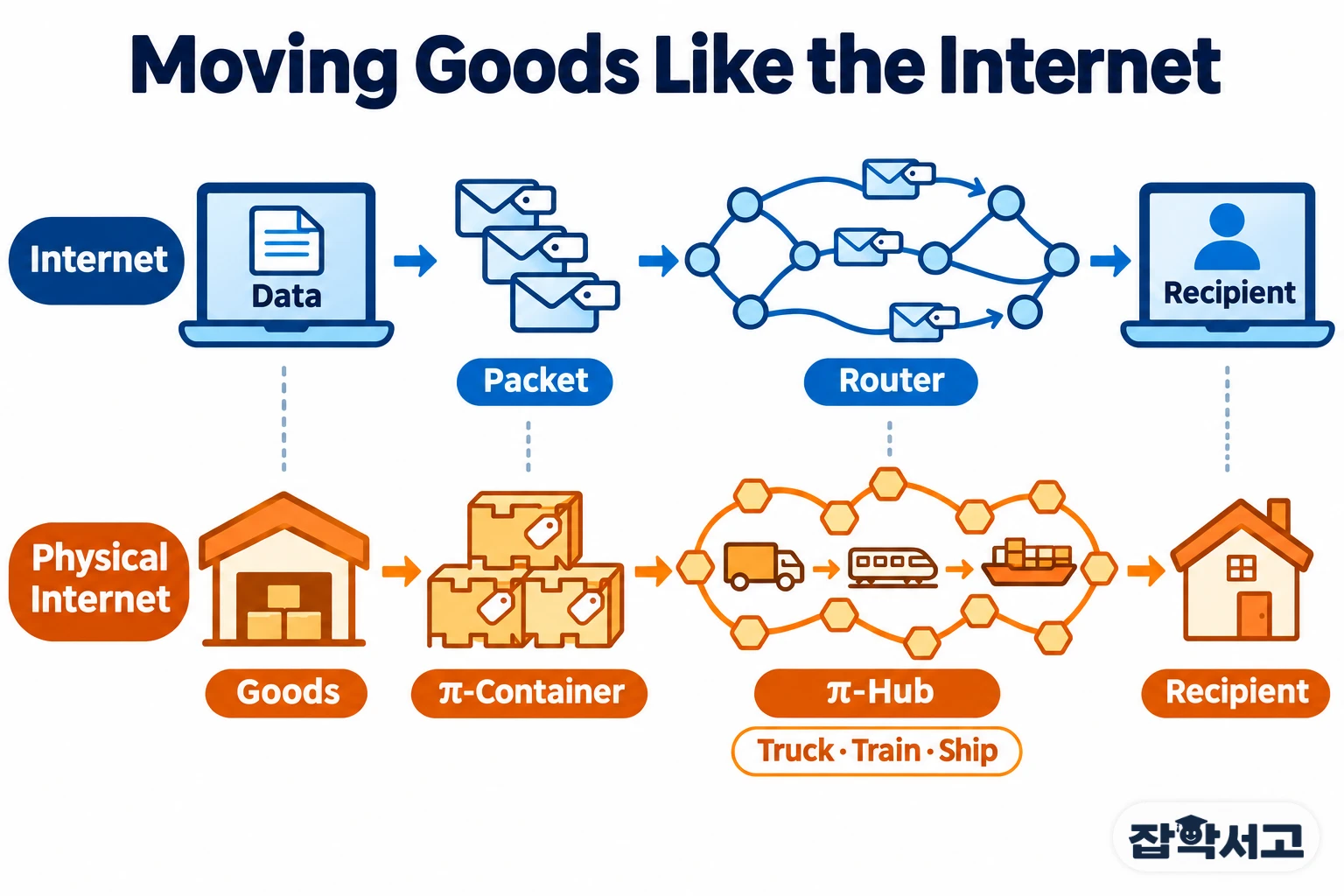
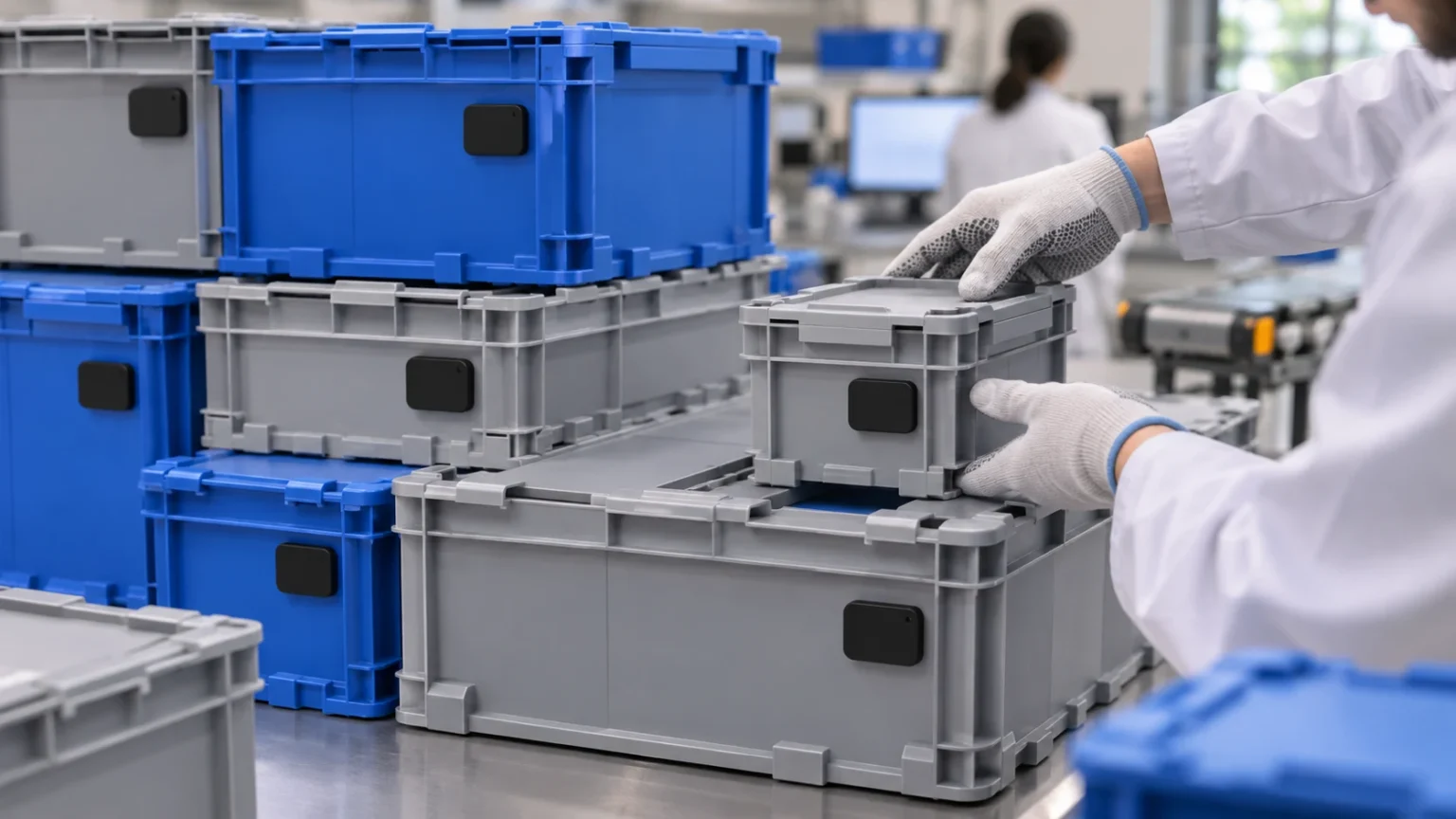
- π-container: A standard modular box whose sizes interlock, ranging from the size of a shipping container down to a small box. It is designed to be easy to handle, stack, seal and fit together.
- Smart Tag: An electronic tag attached to each π-container that carries a unique worldwide identification number and is used for routing and tracking.
- π-hub: A transfer point where π-containers are moved from incoming carriers to outgoing ones; it plays the role of the internet’s router.
- π-mover: A carrier such as a truck, train or ship that transports π-containers.
- Open Supply Web: A shared logistics network in which any company can rent warehouses and logistics facilities as much as it needs.
(1) The contents are never opened
Just as an internet router reads only the address and not what is inside a packet, Physical Internet facilities handle boxes using only their tag information, without opening them. The smart tag is designed to limit access to information so that only the data needed for routing is open to everyone.
(2) Modular boxes whose sizes interlock
Today’s boxes come in different shapes for every company and product, leaving gaps in truck cargo spaces and making automated equipment hard to use. Standard boxes whose sizes fit together can fill cargo spaces tightly and are easier for machines to handle.
(3) Open facilities anyone can use
Today, many companies run their own separate distribution centers. Noting that the United States has about 535,000 warehouses and distribution centers, the paper argued that if these facilities became an open network rented whenever needed, goods could be kept close to customers.
3. Freight runs like a relay: distributed multi-segment transport
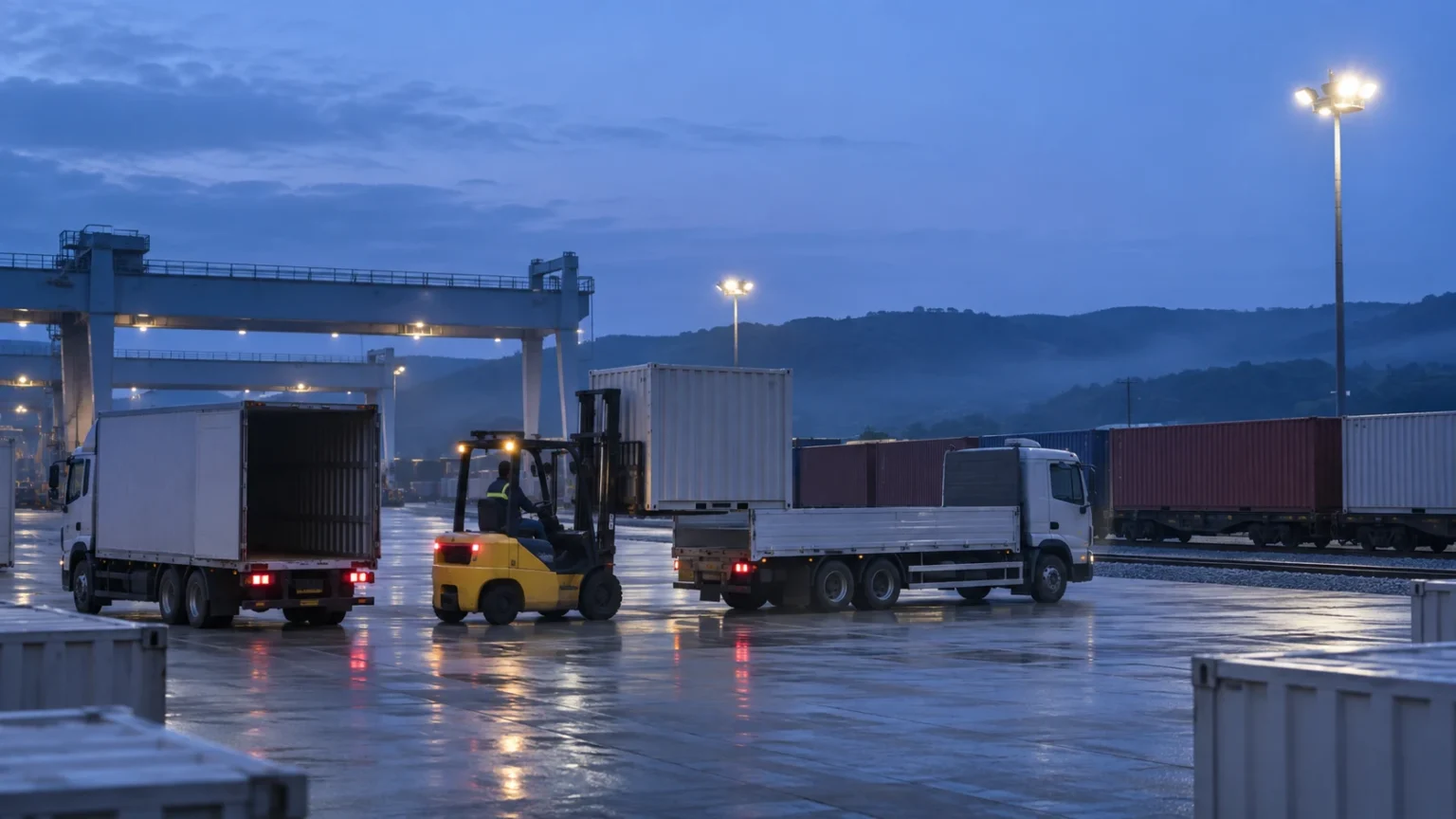
On the internet, the packets that make up one message travel by different routes and are put back together at the destination. The Physical Internet likewise does not send freight to its destination in one go; it passes through several hubs, with a different carrier taking over on each segment. The paper compared the two approaches using the example of sending a container from Quebec, Canada, to Los Angeles in the United States.
(1) Today’s way: one person drives the whole route
One driver covers a round trip of more than 10,000 km over at least 240 hours, and the container arrives only 120 hours after departure.
(2) Seventeen drivers in relay
If drivers change at each hub, seventeen drivers each drive only about six hours and can return home every day. Because the truck keeps moving, the container arrives in about 60 hours, roughly half the current time.
(3) Sharing warehouses makes it even faster
In another example in the paper, simply having several companies share the same 20 distribution centers cut the average delivery lead time from 1.75 days to 1.08 days. Sharing facilities, without building new ones, is enough to keep goods closer to customers.
4. How far has research come? Experiments and a roadmap

Montreuil and his colleagues released the “Physical Internet Manifesto” in 2012, and research testing the concept followed in North America and Europe. It is not yet a finished system, but step-by-step goals have been set.
(1) Pilot research in Europe
The EU-funded MODULUSHCA project studied the use of modular boxes in consumer goods logistics from October 2012 to January 2016. The ICONET project, which ran from September 2018 to February 2021, worked on optimizing cargo flows in terms of both cost and environmental impact.
(2) A roadmap toward 2040
ALICE, the Alliance for Logistics Innovation through Collaboration in Europe, published a Physical Internet roadmap in November 2020. The plan is to have Physical Internet-like operations established by 2030, with 2040 as the development horizon, in support of Europe’s goal of climate neutrality by 2050.
(3) Remaining challenges
For standard boxes and open facilities to work, competing companies must agree on the same specifications and rules. The investment needed for new boxes and hubs, and deciding how much information companies should share with each other, also remain open questions.
The simple idea that goods, like data, can be split into small standard bundles and sent along shared routes is the first step toward understanding the Physical Internet.