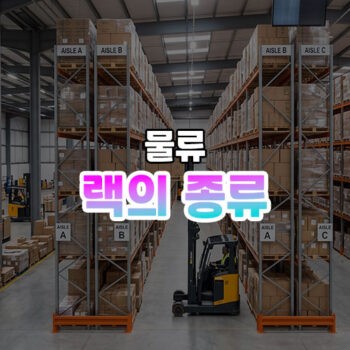
When we picture a large logistics warehouse, the first image that comes to mind is forklifts moving between tall shelves and workers walking down aisles with lists in hand. In some warehouses today, however, you can hardly see anyone in the aisles. That is because machines run on their own between shelves that soar almost to the ceiling, putting goods away and bringing them back out.
Equipment like this, in which machines store goods in assigned locations and retrieve them when needed according to a computer’s instructions, is called an ‘Automated Storage and Retrieval System.’ It is often called AS/RS after its English initials, and it refers to a technology that changed the way warehouses work so that, instead of people going to find goods, the goods come to the people.
In this article, we will look in turn at the background behind automated storage and retrieval systems, their basic working principle, the various types divided by the size and purpose of the goods they handle, and the advantages of adopting them as well as the limitations worth weighing.
The Structure and Uses of a Warehouse Where Machines Store and Retrieve
How Automated Storage and Retrieval Systems Came About
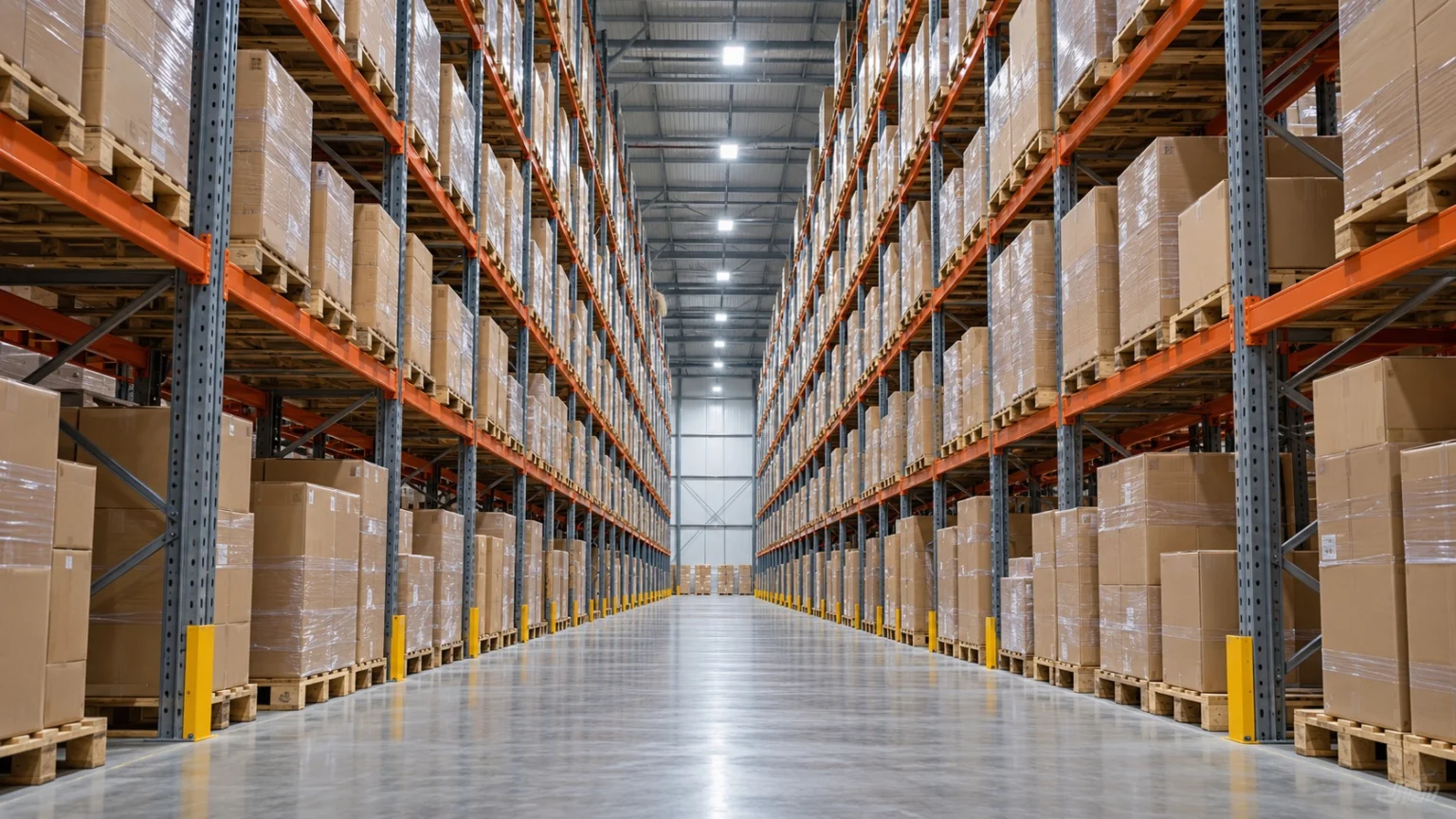
Warehouse work takes more effort than it appears. In the process of bringing goods in, assigning them a place, putting them away, and then finding and taking them out again when orders come in, people and equipment must constantly move back and forth.
(1) Warehouses That Want to Use Height
The more expensive the land, the harder it is to build a wide warehouse, so operators try to make use of space by stacking shelves high. But the taller the shelves get, the harder it becomes for people or forklifts to handle goods safely and quickly.
(2) A Start in the 1960s
Automated storage and retrieval systems first appeared in the 1960s. Early on, they focused on handling heavy pallet loads, and as the technology advanced, the size of the goods they handled grew steadily smaller, down to boxes and small parts.
(3) Inventory Remembered by a Computer
The heart of an automated warehouse lies more in the computer than in the machines. Because the computer keeps a record of what is in which slot and how many there are, the desired item can be found precisely without anyone having to memorize the warehouse layout.
The Basic Principle of Storing and Retrieving
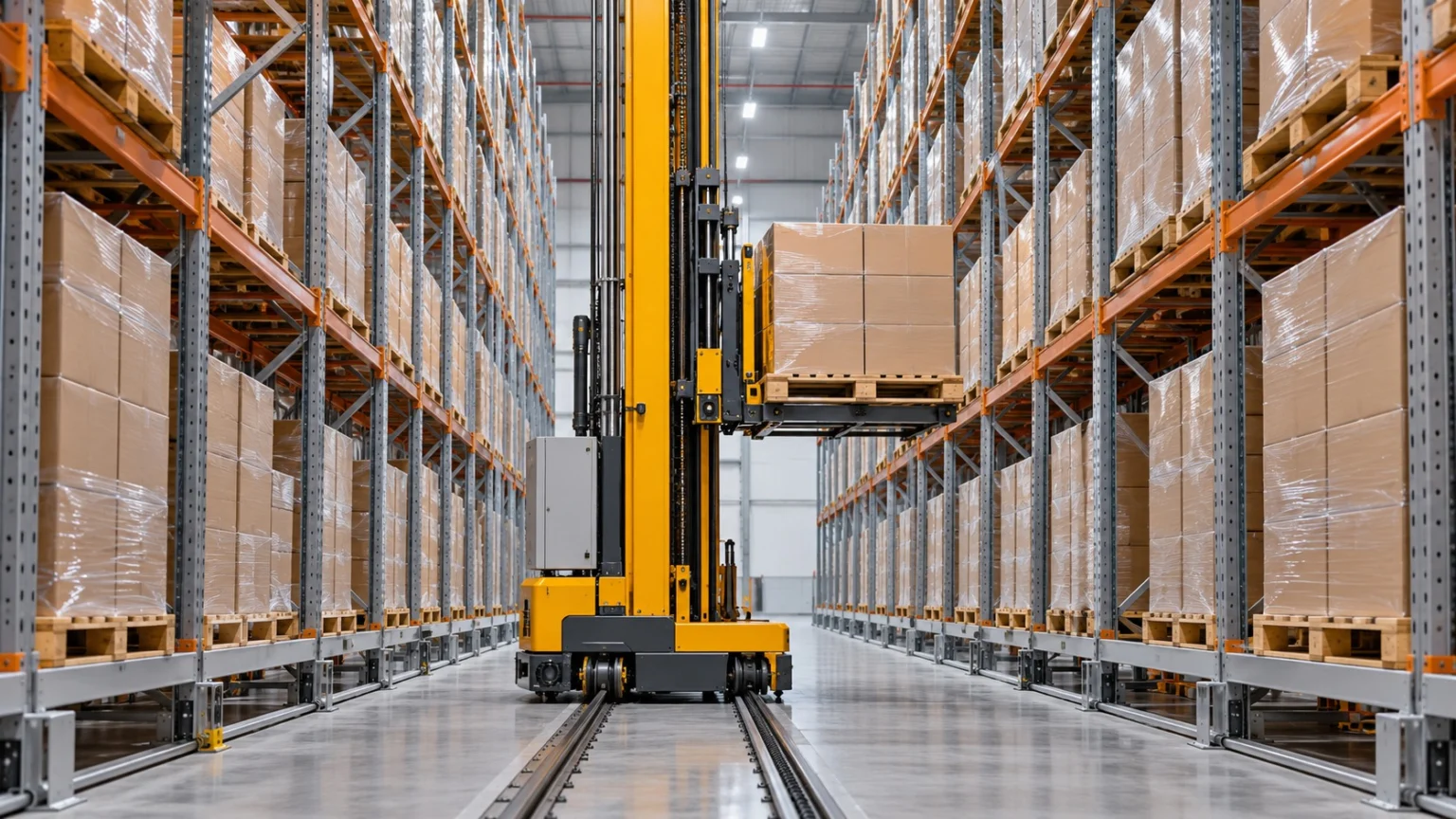
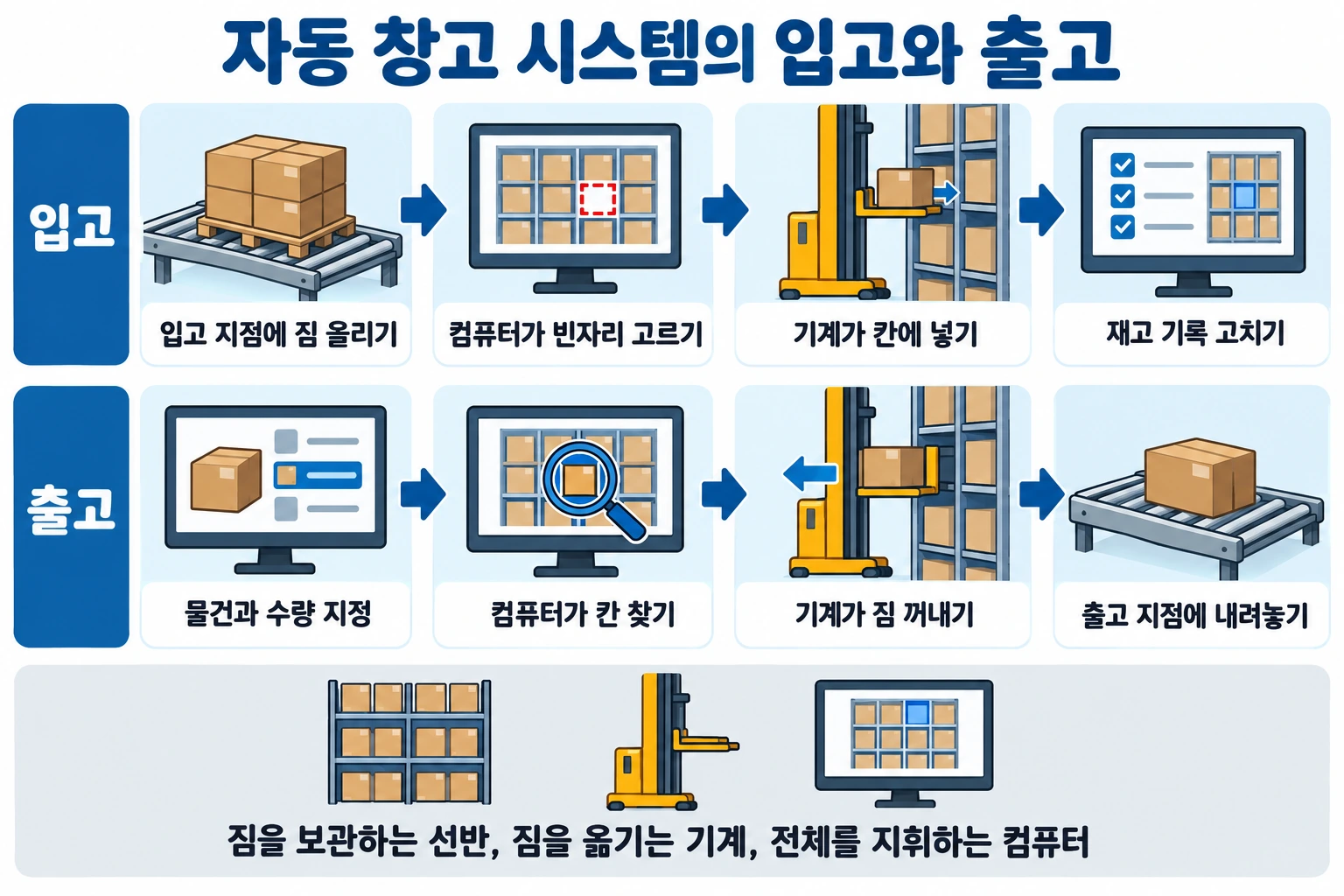
An automated storage and retrieval system broadly consists of racks that store the goods, machines that move the goods, and a computer that directs the whole operation.
(1) Inbound
When a pallet or box is placed at the inbound point and the item information is entered, the computer picks a suitable empty slot and instructs the machine to store it. The machine carries the load to that slot and puts it in, and the computer immediately updates the inventory record.
(2) Outbound
When the type and quantity of items to be taken out are specified, the computer finds the slots holding those items and sets the order of the work. The machine takes the load out of the slot and sets it down at the designated outbound point.
(3) Connections to Surrounding Equipment
Inbound and outbound points are often linked to conveyors or automated guided vehicles. As a result, goods taken out of the warehouse flow to the production line or loading dock with almost no human handling.
The Various Types, Depending on the Goods
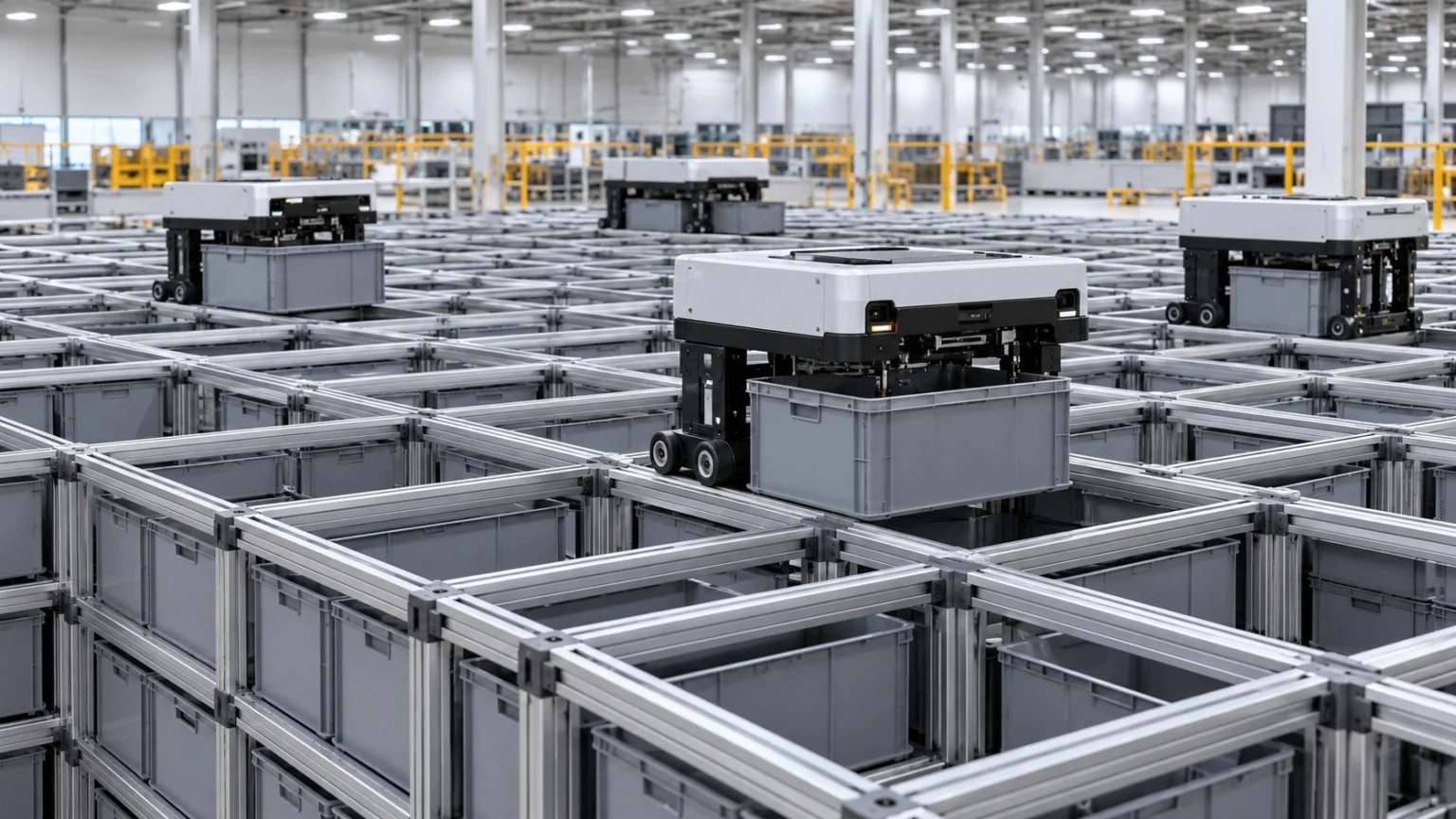
There is no single model answer for an automated storage and retrieval system. The right method is chosen according to the size and volume of the goods handled and the speed required.
- Stacker Crane: A representative method that travels horizontally on rails along a fixed aisle while moving up and down a mast to store and retrieve goods.
- Unit-Load AS/RS: A large system that stores and moves large, heavy unit loads such as pallets whole.
- Mini-Load AS/RS: A system that handles small parts and products held in boxes or trays.
- Shuttle System: A separate shuttle moves horizontally on each rack level while a fixed lift handles vertical movement, raising throughput above that of the crane method.
- Vertical Lift Module: A compact unit in which a machine takes trays out of a tall cabinet and brings them to a window in front of the worker.
- Carousel: A method in which the shelves themselves rotate horizontally or vertically to bring the needed slot around to the worker.
Recently, cube-style storage, in which boxes are stacked layer upon layer in grid cells and robots running across the top lift them out, has also come into wide use. Norway’s AutoStore is a leading example, and it installed its first commercial system in 2005.
Advantages and Limitations to Weigh
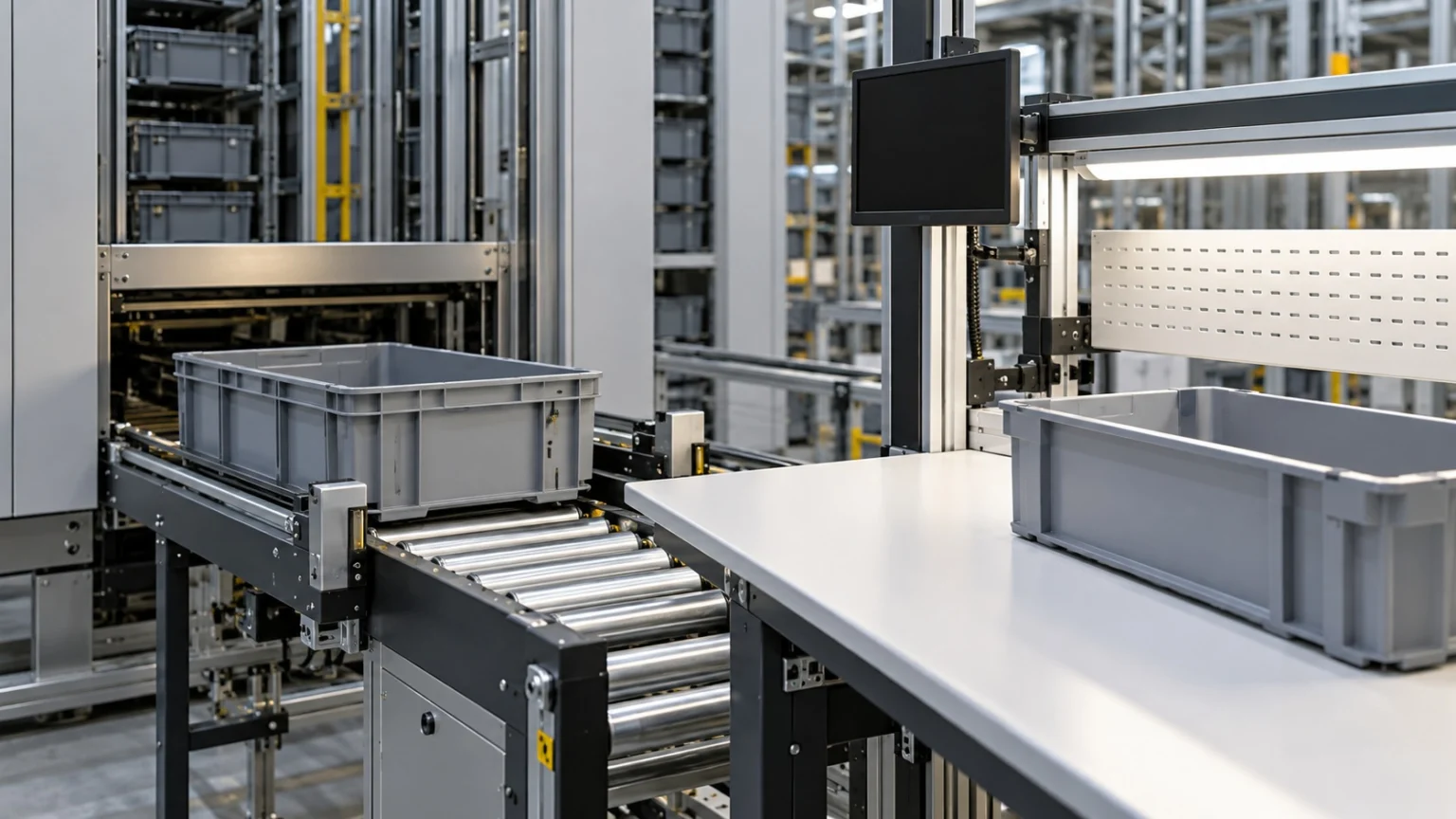
Automated storage and retrieval systems are especially effective where goods move in large volumes, space is tight, and accuracy matters. On the other hand, they are not a perfect fit for every warehouse.
(1) Saving Space and Labor
Because aisles can be made narrow and shelves stacked high, more goods can be stored on the same land. The time spent walking to find goods disappears, so the labor needed for inbound and outbound work also drops sharply.
(2) Accurate Inventory Management
Since every inbound and outbound movement is accompanied by a computer record, mistakes such as putting items in the wrong slot or miscounting quantities decrease. This is especially advantageous when storing expensive or tricky-to-handle goods.
(3) High Upfront Cost and Flexibility
Installing the equipment requires a lot of money and a large installation space, which can be a burden for small companies. Once built, the structure is hard to change, and if the machines stop, the whole warehouse can stop, so inspections and contingency plans must be prepared as well.
Automated storage and retrieval systems are being used ever more widely in places that must handle many items quickly and accurately, such as libraries, factories, and online shopping fulfillment centers. Still, the first step is to carefully weigh cost and throughput and choose the method that suits your own warehouse.
Knowing exactly where every item is and being able to take it out the moment it is needed: that is the first step toward smart warehouse operation.