As a visual medium, the art of film has a unique ability to leave a powerful impression on audiences. At the heart of this ability lies mise-en-scène. Mise-en-scène means more than simply composing an image; it is an important tool that allows directors to express their creativity to the fullest.
This article aims to explore in depth the definition and importance of mise-en-scène in the art of film, the elements of visual composition, practical tips for using mise-en-scène, and examples of its innovative use in modern cinema.
The Definition of Mise-en-Scène and Its Importance in the Art of Film

 What Is Mise-en-Scène?
The Definition of Mise-en-Scène
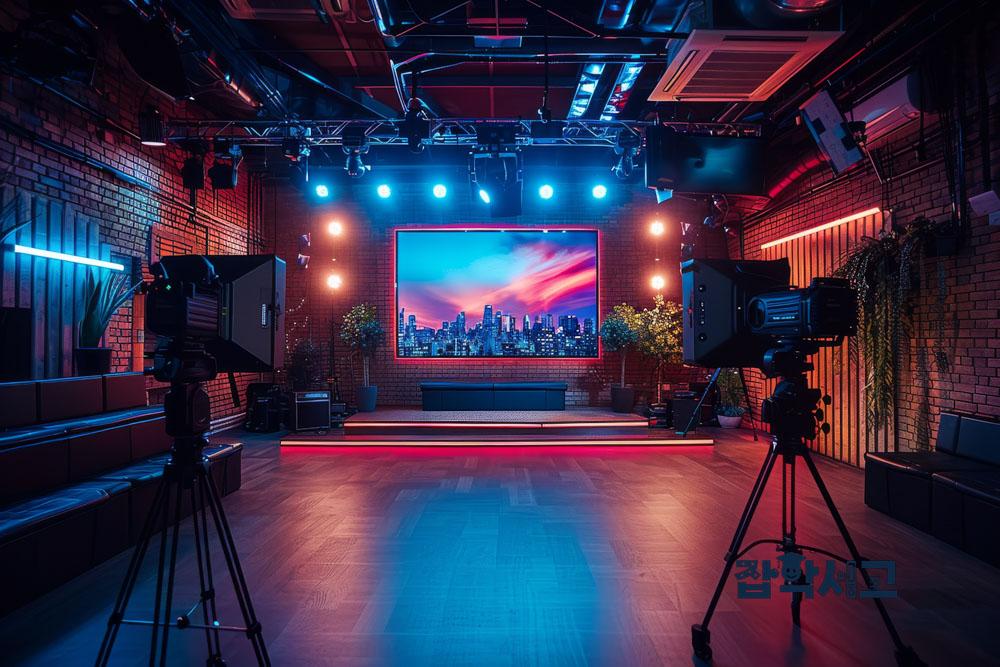
Mise-en-scène is a French term meaning “to place on stage,” and it encompasses all the visual elements arranged within the frame of a film or on the stage of a play. It consists of various elements, including the positions of characters, settings, lighting, props, and camera angles and movements. In other words, mise-en-scène plays an important role in shaping a film's visual style and atmosphere.
The Importance of Mise-en-Scène in the Art of Film
The importance of mise-en-scène in the art of film lies in its role in shaping a film's identity. For example, a film set in a particular period or place requires carefully designed mise-en-scène to capture the feel of that time and location. This helps audiences become more immersed in the world of the film.
Communicating the Director's Intent
Mise-en-scène also serves as a means of effectively communicating the director's intent. Through mise-en-scène, directors can express characters' emotional states, establish the atmosphere of the story, and emphasize important elements in particular scenes. This allows audiences to understand the film's message more deeply.
Artistic Value and Originality
Mise-en-scène also contributes to enhancing a film's artistic value and originality. By creating distinctive mise-en-scène through their individual styles and creativity, different directors transform films into more varied and richer works of art. This offers audiences new visual experiences and serves as a driving force behind the development of the art of film.
Technological Advances and the Evolution of Mise-en-Scène
Mise-en-scène has evolved alongside technological advances. Although limited technology restricted the expression of mise-en-scène in early films, the introduction of digital technology and CGI (Computer-Generated Imagery) now makes it possible to realize far more complex and sophisticated mise-en-scène than before. This is opening up limitless possibilities for filmmaking.
As a core element of the art of film, mise-en-scène shapes visual style and atmosphere, communicates the director's intent, and enhances a film's artistic value. Alongside technological advances, mise-en-scène continues to evolve and open up limitless possibilities for the art of film.
Elements of Visual Composition: Characters, Settings, Lighting, and Props
 What Elements Does Mise-en-Scène Include?
Characters
The first important component of mise-en-scène is the characters. Their positions, actions, and facial expressions leave a powerful impression on audiences and play an important role in the development of the story. The placement and movement of characters are key elements in communicating the director's intended message. For example, positioning the protagonist in the center of the frame emphasizes that this character is at the center of the story.
Settings
The setting is another important element, establishing the location or historical period in which the film takes place. The setting can communicate the film's atmosphere and historical context. For example, a film set in New York in the 1920s carefully recreates the architecture, streets, clothing, and other details of the time to immerse audiences in that era.
Lighting
Lighting plays a very important role in mise-en-scène. Its intensity, color, and direction are used to shape a scene's atmosphere and emotion. For example, bright lighting conveys a positive and hopeful atmosphere, while dark lighting can create tension or fear. Shadows can also be used to express a character's inner state or emotional changes.
Props
Props are small objects that fill the spaces within a film, used to provide important clues for the development of the story or reveal a character's personality. For example, books placed on the protagonist's desk can reveal that character's intellectual curiosity or interests. Props also help make a film more realistic.
Camera Angles and Movements
Camera angles and movements are also important components of mise-en-scène. The camera's position and movement are used to guide the audience's gaze and emphasize important elements in particular scenes. For example, a high angle makes a character appear small and weak, while a low angle makes a character appear strong and imposing. Camera movement can create tension in an urgent chase scene or an emotional conversation scene.
Color and Texture
Color and texture are important parts of mise-en-scène. Color is used to establish a film's overall atmosphere and can evoke particular emotions. For example, warm colors can convey comfort and hope, while cool colors can convey loneliness and sadness. Texture adds depth and a sense of realism to the image, helping make the film more realistic.
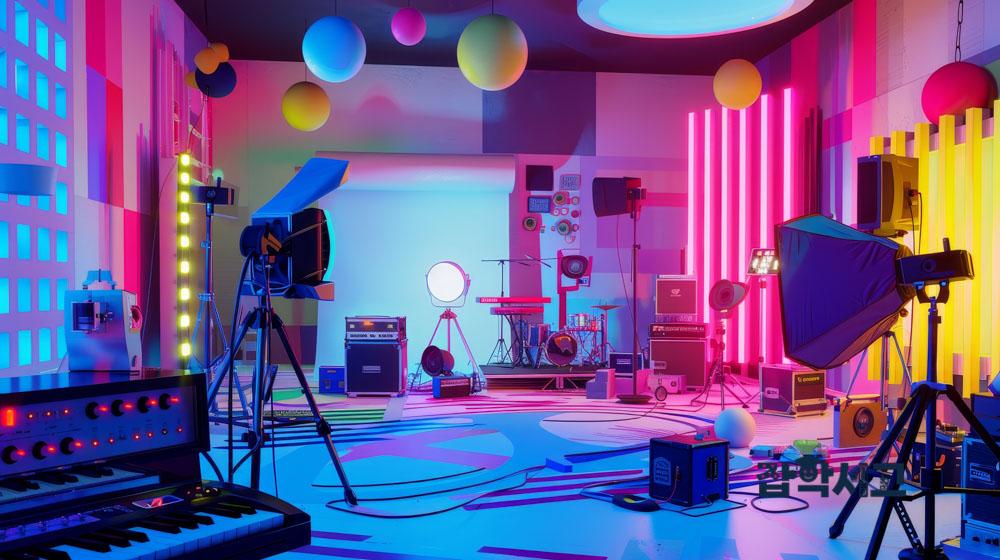
The components of mise-en-scène each serve different functions and play important roles in conveying a film's overall atmosphere and message. Characters, settings, lighting, props, camera angles and movements, and color and texture all come together to provide audiences with a rich and immersive visual experience.
Practical Tips for Using Mise-en-Scène
 What Should You Know to Use Mise-en-Scène?
The Importance of Creating Storyboards
Advance planning is essential for effective mise-en-scène. A storyboard is a tool for visually planning the components of each scene, allowing all elements of mise-en-scène to be reviewed and adjusted in advance. This enables directors to convey their intended atmosphere and message precisely.
Collaboration and Communication
The success of mise-en-scène depends on collaboration across the entire production team, as well as the director. A unified vision must be realized through close cooperation with specialists in each field, including production designers, cinematographers, costume designers, and prop specialists. Sharing and coordinating ideas through regular meetings and feedback is important.
Rehearsals and Test Shoots
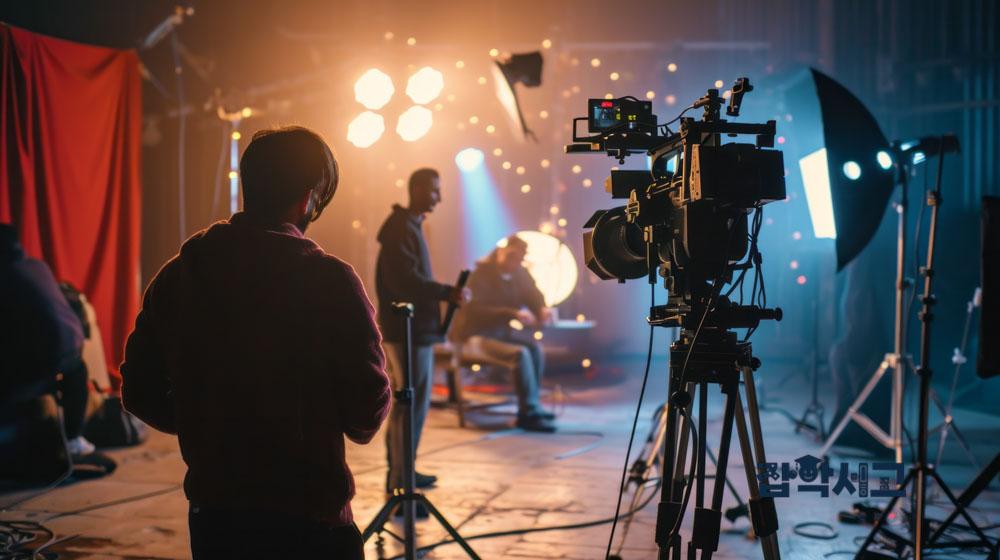
Rehearsals and test shoots are important processes for putting mise-en-scène into practice. Testing actors' movements, camera angles, lighting effects, and other elements in advance makes it possible to identify and correct unexpected problems. This can improve the efficiency and quality of the final shoot.
Set and Location Scouting
Choosing an appropriate set or location is fundamental to mise-en-scène. It is necessary to visit the actual filming location in advance, understand the characteristics of the space, and find a setting suited to the story. When designing sets, it is also important to survey the site beforehand and incorporate its details.
Using Natural Elements
Natural elements such as daylight, weather, and the environment can have a powerful influence on mise-en-scène. Lighting that uses natural light can create a realistic and natural atmosphere, while changes in the weather or natural settings can further enrich a scene's atmosphere. Incorporating natural elements into the plan can produce more vivid mise-en-scène.
Scene Transition Techniques
Scene transitions are important elements in controlling the flow of mise-en-scène. Various transition techniques, including fades in, fades out, dissolves, and cuts, can be used to connect scenes naturally or emphasize particular emotions. Using transition techniques strategically allows the story to be conveyed more smoothly and effectively.
Color Correction and Post-Production
Color correction during post-production is an important process for enhancing the final quality of mise-en-scène. Color-correcting the footage can unify the overall color tone or strengthen the atmosphere of particular scenes. Adding digital effects is another way to maximize the impact of mise-en-scène.
Ways to Guide the Audience's Gaze
Methods of guiding the audience's gaze are used to emphasize important elements in mise-en-scène. Composition, movement, lighting, and other elements can direct audiences to focus on something specific. This helps convey the story's key points without the audience missing them.
Experimentation and Creativity
Experimentation and creativity are necessary to enhance the effectiveness of mise-en-scène. New experiments and creative approaches, free from established conventions, can produce distinctive and memorable mise-en-scène. It is important to try different ideas and maintain an attitude of not fearing failure.
Continuous Learning and Inspiration
Finally, it is important to continue learning the techniques of mise-en-scène and draw inspiration from a variety of films and works of art. By analyzing other directors' work and learning about new technologies and trends, you can steadily develop your own mise-en-scène skills.
Examples of Innovative Uses of Mise-en-Scène in Modern Cinema
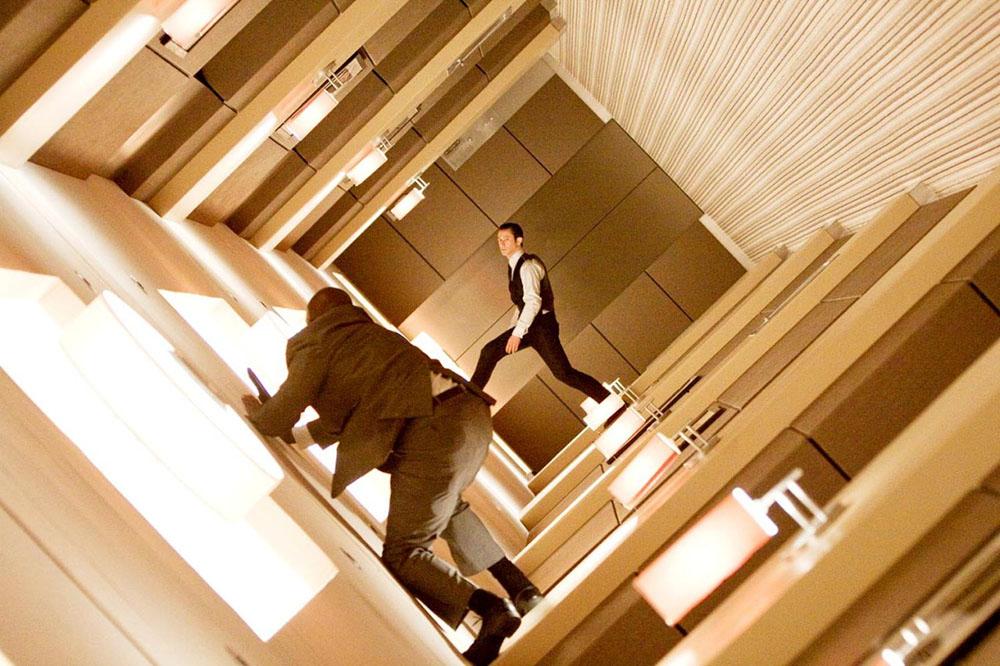 A Still from the Film 'Inception'
Christopher Nolan's 'Inception'
In modern cinema, mise-en-scène is being used in increasingly innovative and varied ways. This transforms films into more original and vibrant works. For example, Christopher Nolan's film 'Inception' succeeded in blurring the boundary between reality and dreams through distinctive mise-en-scène. Nolan left a powerful impression on audiences by using CGI to create gravity-defying compositions and overwhelming visual effects.
Wes Anderson's Visual Style
Wes Anderson's films are frequently cited as examples of innovative uses of mise-en-scène. Anderson gives his films a distinctive style through symmetrical compositions, bright and vivid color palettes, unusual uses of props, and other elements. For example, in 'The Grand Budapest Hotel,' the hotel's structure and colors were arranged to make it feel like a character in its own right. This mise-en-scène gives Anderson's films an original visual identity.
The Use of Digital Technology and CGI
Advances in digital technology have further expanded the possibilities of mise-en-scène in modern cinema. For example, films such as 'Avatar' take audiences into a new dimension through worlds created entirely with CGI. Director James Cameron offered audiences a sense of visual wonder by using CGI to meticulously realize the beautiful landscapes and life forms of the planet Pandora.
'Mad Max: Fury Road'
Director George Miller's 'Mad Max: Fury Road' is known for its innovative use of mise-en-scène. Set in a barren desert, the film vividly depicts a post-apocalyptic world. Intense colors, distinctive vehicle designs, and realistic action scenes provided dramatic tension and immersion through the film's mise-en-scène.
'La La Land'
Director Damien Chazelle's 'La La Land' stands out for its use of mise-en-scène through color and lighting. The film creates a romantic, dreamlike atmosphere through colorful lighting and costumes. In particular, the film's musical scenes showcase mise-en-scène at its height, with the colors and props in each scene effectively conveying themes and emotions.
'Blade Runner 2049'
Director Denis Villeneuve's 'Blade Runner 2049' achieved remarkable mise-en-scène with its setting in a futuristic city. Through distinctive lighting, large-scale sets, and detailed props, the film explores the dark atmosphere of a future world and the boundary between humanity and artificial intelligence. The visual details communicate the film's philosophical message more powerfully.
Bong Joon-ho's 'Parasite'
Director Bong Joon-ho's 'Parasite' has drawn attention as an example of effectively expressing conflict between social classes through mise-en-scène. Through the use of space and the placement of props, Bong clearly revealed the contrast between the upper and lower classes. For example, the difference between the semi-basement home and the luxurious mansion means more than a simple difference in setting, visually conveying the story's central theme.
Interactive Films and Mise-en-Scène
Mise-en-scène is also treated as important in new forms of cinema, such as interactive films. For example, 'Black Mirror: Bandersnatch' has a structure in which the story changes according to the audience's choices, and its mise-en-scène was carefully designed to suit each option. This provides audiences with greater immersion and presents new possibilities for film.
Innovation in VR Films
VR (Virtual Reality) films are attracting attention as examples of innovative uses of mise-en-scène. In VR films, audiences can experience the world of the film more vividly through a 360-degree view. This leads to more meticulous design of the elements of mise-en-scène, allowing audiences to feel as though they have stepped directly into the film. This is opening new horizons for the art of film.
Innovative uses of mise-en-scène in modern cinema contribute greatly to strengthening films' visual identity and sense of immersion. Through technological advances and creative approaches, mise-en-scène is evolving into more varied and sophisticated forms, offering audiences new visual experiences and emotional responses.
As a core element of the art of film, mise-en-scène plays an important role in conveying a film's visual style and the director's message. Through its components—characters, settings, lighting, props, camera angles and movements, and color and texture—films become richer and more varied works.
In modern cinema, mise-en-scène is used in increasingly innovative and varied ways, and its possibilities are expanding without limit alongside advances in digital technology. By exploring mise-en-scène in depth, we can discover the true appeal of the art of film and, further, seek out new possibilities for cinema.