When you watch a scene spread across a huge cinema screen, you can tell it is much wider than a television. In night-street scenes, car headlights sometimes smear into blue streaks of light that cut across the frame. Yet this wide picture often was not recorded wide in the first place; it is the result of squeezing the image sideways during shooting and stretching it back out during projection.
The device that pulls off this bit of magic is the “anamorphic lens.” Put simply, an anamorphic lens is a special lens that compresses a wide scene only in the horizontal direction to fit it onto narrow film or a sensor, and later stretches it back by the same ratio to produce a widescreen image. The name comes from Greek words meaning “again” and “form.”
In this article, we will look in turn at how the anamorphic lens compresses the picture, how it came about, the features of the unique image only this lens can create, and why it is drawing attention again today.
How a Lens Captures a Wide Picture, and Its Appeal
Squeeze It, Then Spread It Back Out
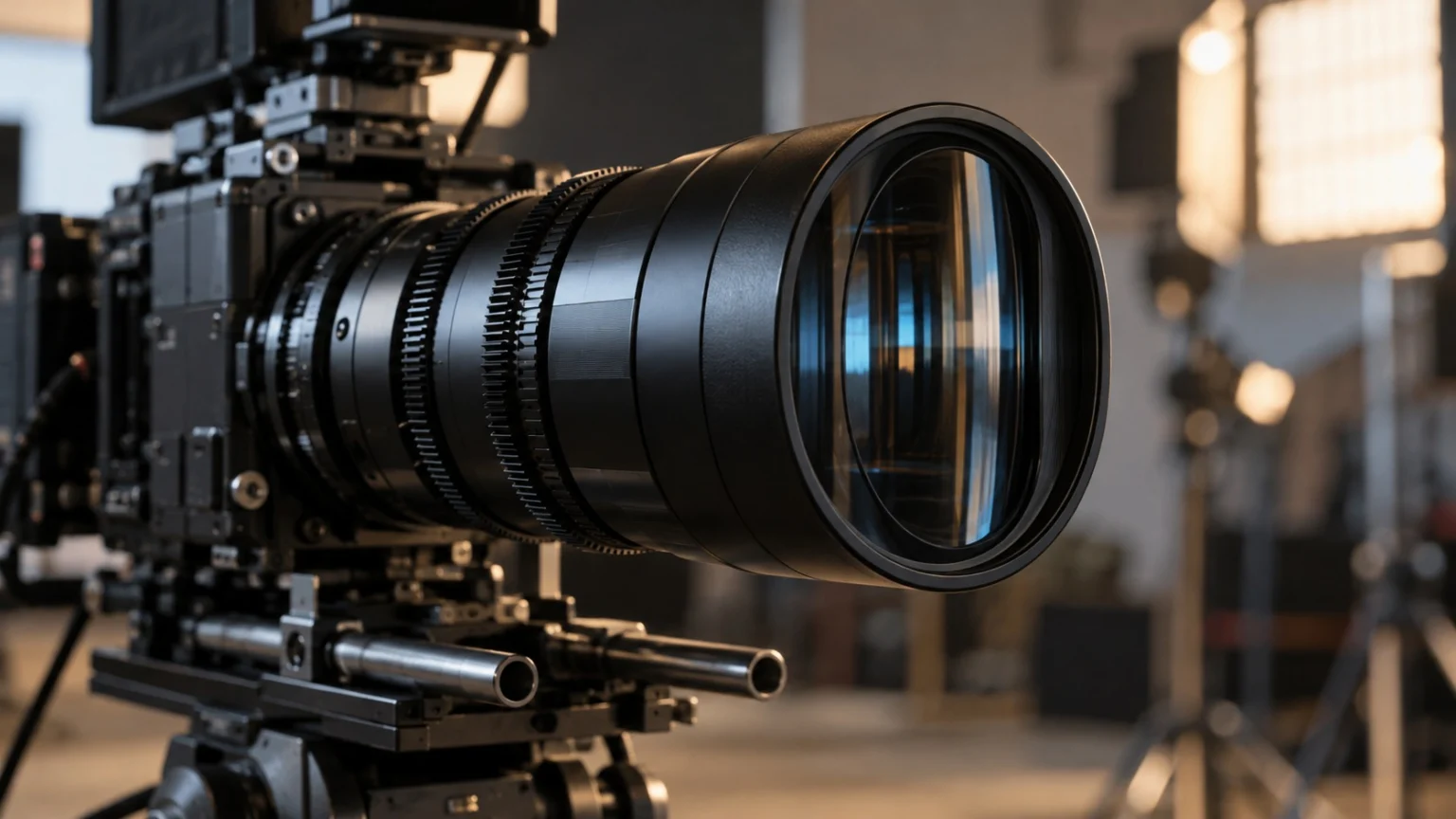
The key to the anamorphic lens lies in treating width and height differently.
(1) Squeezing Only the Width with a Cylindrical Lens
An ordinary round lens treats top-to-bottom and side-to-side equally. An anamorphic lens, by contrast, contains glass curved in only one direction, like a cylinder, so it leaves the height as it is and squeezes only the width. That is why, if you look at a scene recorded on the film as is, people and objects appear tall and skinny.
(2) Spreading It Back Out for Projection
A lens that does the opposite job is fitted to the theater's projector. This lens stretches the squeezed scene horizontally by the same ratio, so the screen shows a wide scene just as it originally looked.
(3) Wide Without Wasting Any Area
To make a widescreen picture with an ordinary lens, you have to mask off and crop the top and bottom of the film frame. The anamorphic method uses the entire film frame without any gaps, so it delivers a sharper widescreen picture from the same film.

From the Eyes of a Tank to the Cinema Screen
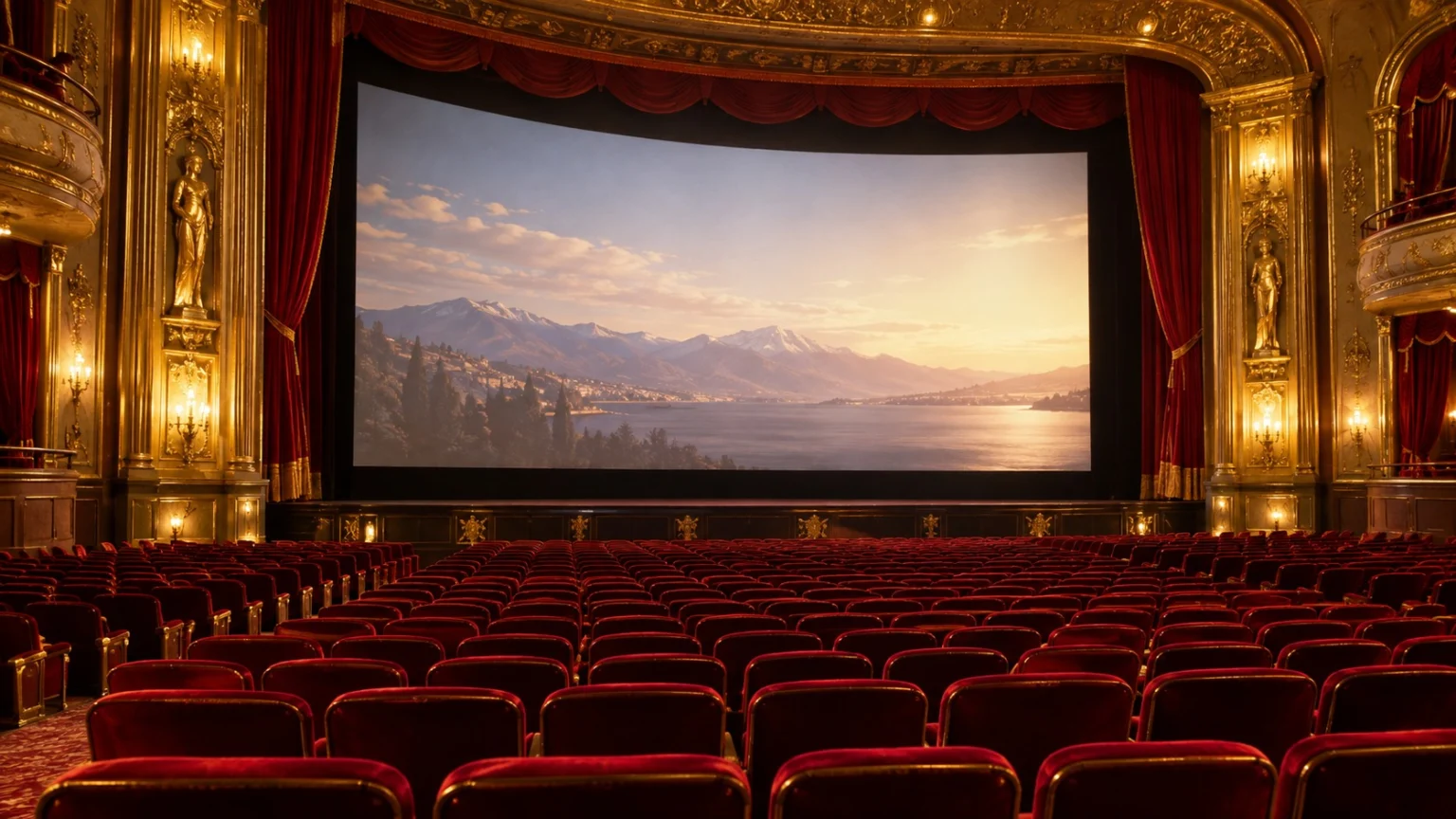
This lens was originally born not for the movies but for the battlefield.
(1) Henri Chrétien's Invention
During World War I, the French astronomer Henri Chrétien built an optical device that gave a wide field of view from inside a tank. He called this device the “Hypergonar,” and in 1927 the first short film using it was made.
(2) The Arrival of CinemaScope
Long forgotten, the technology saw the light again in the early 1950s, when the spread of television caused cinema audiences to shrink. In 1952 the film studio 20th Century Fox bought the rights to Chrétien's technology and named it “CinemaScope,” and “The Robe,” released in 1953, became the first feature film shot and released with anamorphic lenses.
(3) Today's Standard Ratio
Anamorphic lenses usually use 2x compression, squeezing the width to half. Today's anamorphic cinema image is about 2.39 times as wide as it is tall, and on set people often still call it 2.35 or 2.40 out of habit.
The Unique Look of Anamorphic
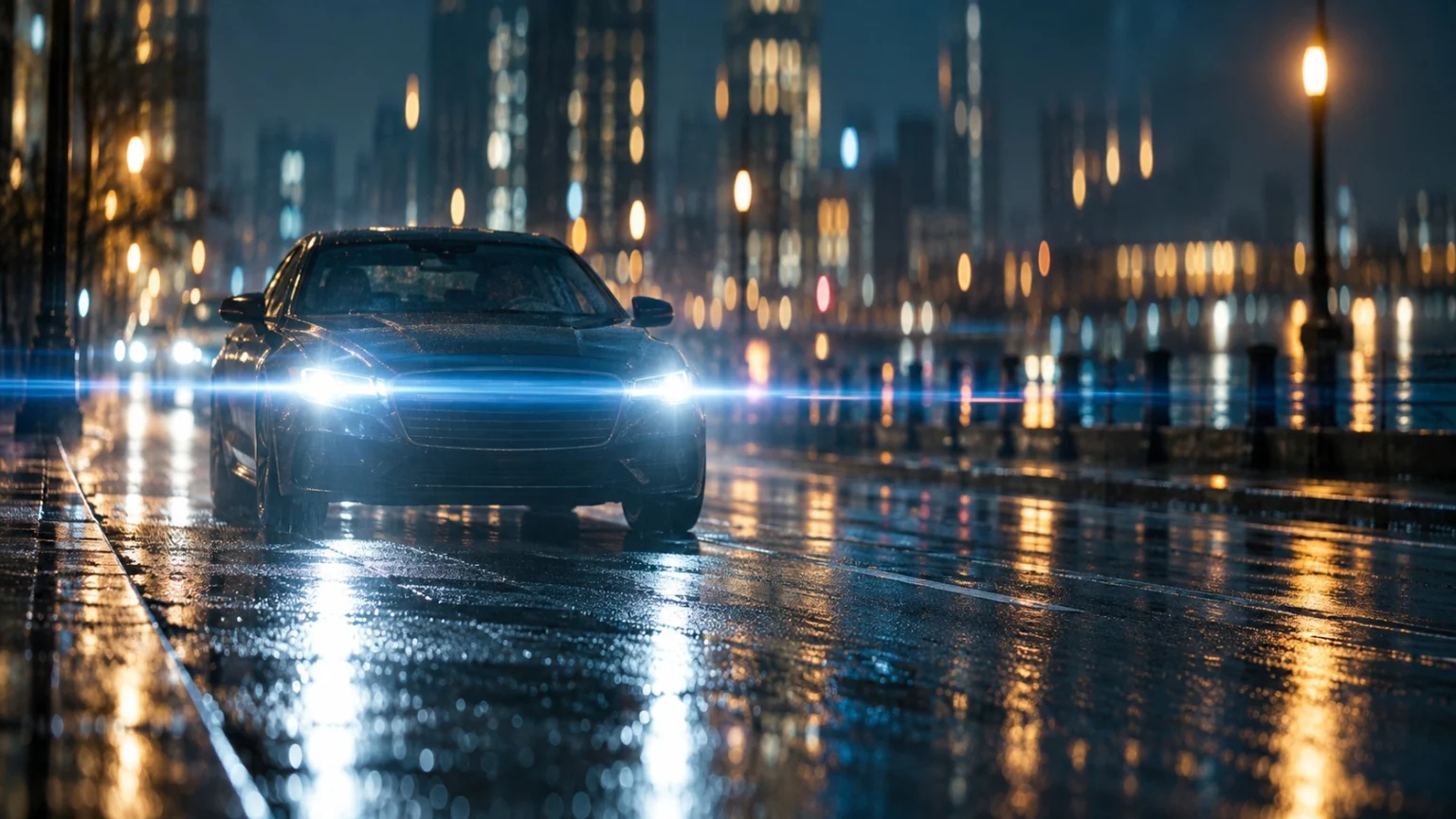
An anamorphic lens does not just change the aspect ratio; it leaves a distinctive texture that is hard to get with other lenses.
- Horizontal Flare: When a bright light such as a car headlight enters a dark scene, a long streak of light forms across the frame. It is often bluish, and it gives such a cinematic feel that there are even filters made to imitate the effect on purpose.
- Oval Bokeh: Out-of-focus lights in the background form not circles but vertically elongated ovals.
- Wider Field of View: A 2x-squeeze 50mm lens sees horizontally as wide as a 25mm lens, while keeping the vertical field of view and depth of field of a 50mm lens.
(1) The Problem of Swollen-Looking Faces
Early CinemaScope lenses could not compress the whole frame evenly, so the face of an actor standing in the middle sometimes looked swollen, as if they had the mumps. The problem was greatly improved in the late 1950s, when Panavision introduced a device that reduced it.
The Return of Anamorphic
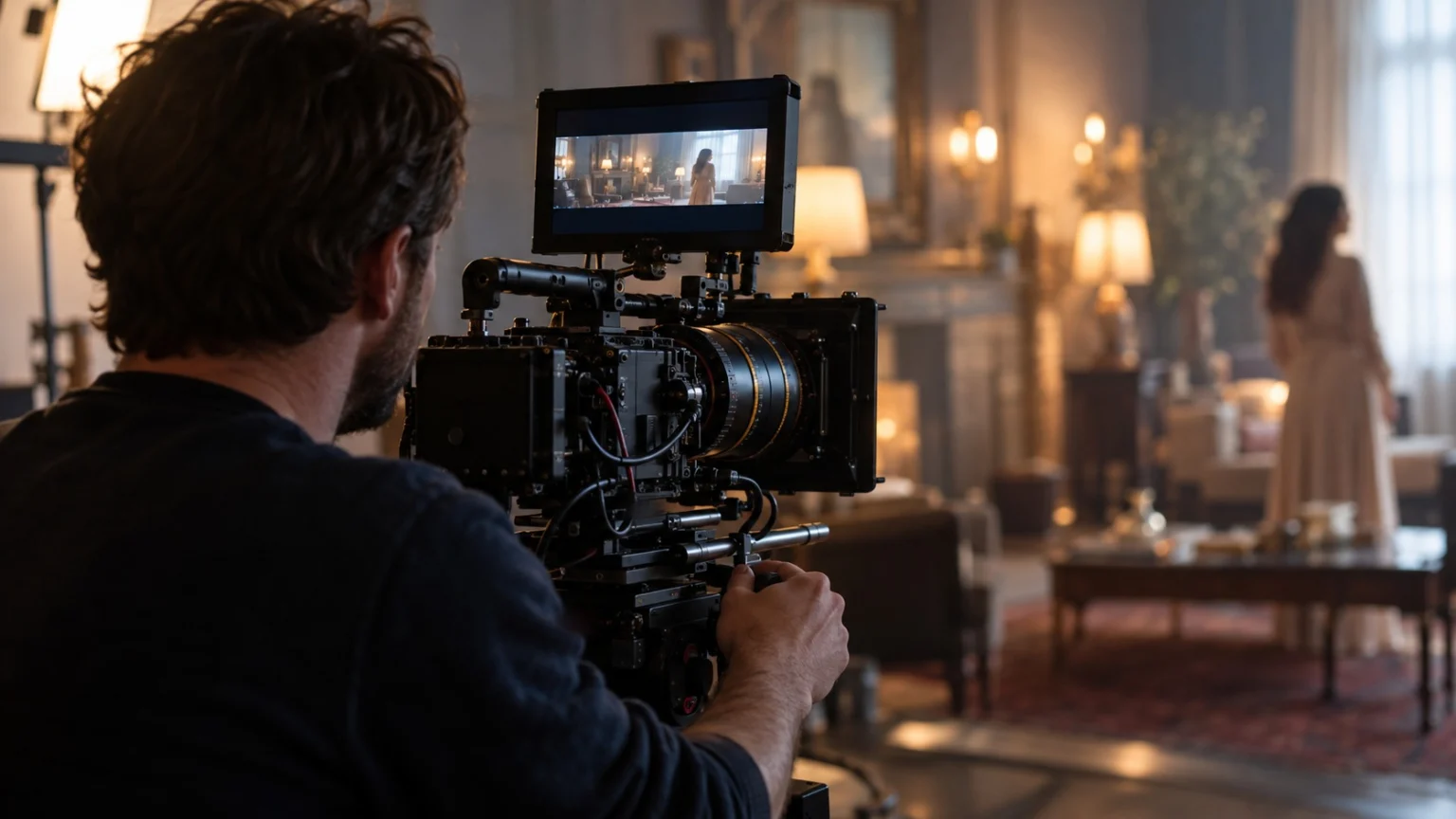
For a time, anamorphic lenses lost ground because they were heavy, expensive, and needed a lot of light.
(1) A Period of Decline
From the 1990s, the method of shooting wide with an ordinary lens and then cropping the top and bottom to make a widescreen picture became widespread. As computer-based image finishing advanced, the loss in image quality also kept shrinking.
(2) A Revival in the Digital Age
Digital cameras can shoot well in darker conditions than film, which greatly eased the lack of light that had been a weakness of anamorphic lenses. Cinematographers seeking the cinematic mood created by the distinctive flares and bokeh then took these lenses out once again.
(3) Anamorphic for Everyone
Nowadays there are also lenses with lower squeeze ratios such as 1.33x or 1.5x, so an anamorphic image can easily be created even with 16:9 digital cameras or independent creators' gear.
The anamorphic lens began with the challenge of fitting a wider world into a narrow frame. The simple idea of deliberately squashing the picture and then spreading it back out has changed even the shape of cinema screens and the mood of films.
Knowing that a lens choice lies hidden even in a single streak of light crossing the screen is the first step toward an eye that reads moving images in depth.