Providing fair opportunities and benefits to everyone is a very important task in modern society. In particular, people with disabilities face various difficulties in daily life and social activities.
Accordingly, the government and various organizations have established welfare benefits and employment policies for people with disabilities to improve their quality of life and promote social inclusion.
This resource explores the definition of welfare for people with disabilities, the categories of services, various benefits and real examples, and employment policies for people with disabilities.
This will provide a deeper understanding of why welfare for people with disabilities is important and the forms it takes.
What Is Welfare for People with Disabilities?
 What does welfare for people with disabilities mean?
Welfare for people with disabilities refers to institutional and policy efforts to provide various forms of support and services so that people with disabilities can live with dignity.
It includes a comprehensive approach that goes beyond physical or financial assistance to promote social inclusion and independence for people with disabilities. Welfare for people with disabilities can broadly be explained from three perspectives.
1. Social Inclusion and Equality: The central goal of welfare for people with disabilities is to support them in enjoying the same rights and opportunities as people without disabilities. This includes creating environments where people with disabilities can participate without discrimination in various areas, such as education, employment, and social participation.
2. Financial Assistance and Independence: Financial assistance is an important element of welfare for people with disabilities. The government and nonprofit organizations reduce financial burdens and establish a foundation for independence by providing people with disabilities with assistance for living expenses, housing, and medical expenses. They also help people with disabilities become financially independent through vocational training and employment support programs.
3. Medical and Rehabilitation Services: Welfare for people with disabilities also includes medical and rehabilitation services. These refer to various medical services and rehabilitation programs that help manage health problems arising from disabilities and restore physical function as fully as possible. These services support people with disabilities in carrying out daily activities more independently.
In conclusion, welfare for people with disabilities is a comprehensive support system that goes beyond simply helping them and enables them to live as respected members of society. It plays an important role in improving the quality of life of individuals with disabilities and promoting the development and integration of society as a whole.
Categories of Welfare Services for People with Disabilities
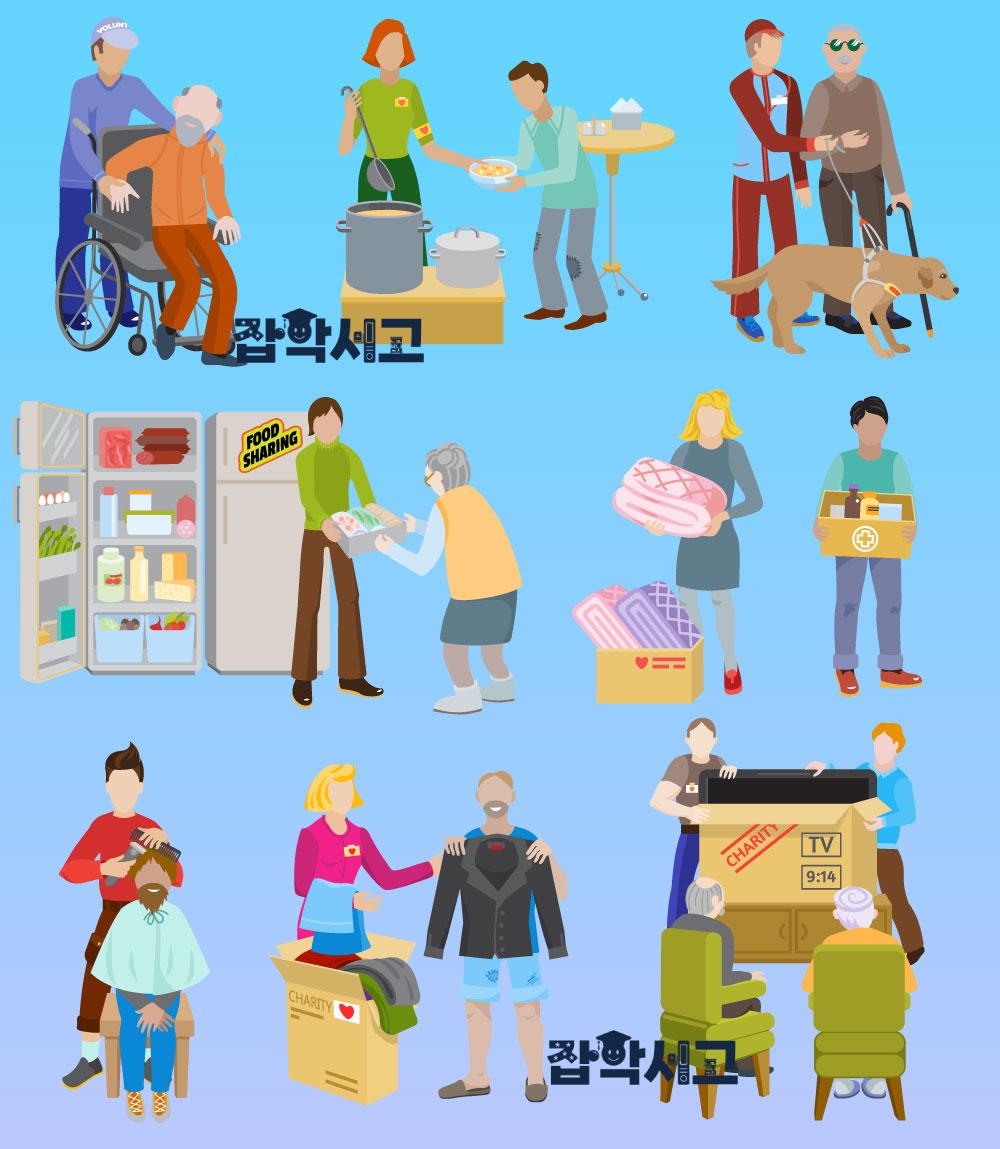 Various types of welfare services for people with disabilities
Welfare services for people with disabilities are provided in various forms to meet their diverse needs and circumstances. These services can broadly be divided into four main categories.
1. Daily Living Support Services
Support for Daily Activities: These services help people with disabilities live independently and include personal assistance, help with household tasks, and meal preparation. They play an important role in supporting independence and improving quality of life for people with disabilities.
Housing Support: These services improve housing conditions for people with disabilities and provide safe and convenient living spaces. They include the provision of housing specifically for people with disabilities and support for home modifications.
2. Education and Vocational Support Services
Special Education: Tailored educational programs are provided for children and adolescents with disabilities to help them reach their full potential. These include special schools and inclusive education programs.
Vocational Rehabilitation and Training: These services help people with disabilities develop vocational skills and obtain employment opportunities. They include career counseling, vocational training, and job placement, helping people with disabilities achieve financial independence.
3. Health and Medical Support Services
Medical Services: These provide the medical assistance needed to manage and treat various health problems arising from disabilities. They include hospital treatment, medication, and physical therapy.
Rehabilitation Services: Rehabilitation programs are provided to help people with disabilities restore physical function, including physical therapy, occupational therapy, and speech therapy.
4. Support Services for Social Participation
Support for Cultural and Leisure Activities: These services help people with disabilities participate in various social activities, including culture, the arts, and sports. They include cultural programs specifically for people with disabilities and support for physical activities.
Social Inclusion Programs: These programs help people with and without disabilities interact and form social bonds. They include community activities and volunteering programs.
These various welfare services are tailored and provided according to the specific needs and circumstances of people with disabilities. They help people with disabilities lead more independent and satisfying lives and contribute to greater inclusion and integration across society.
Types and Examples of Benefits for People with Disabilities
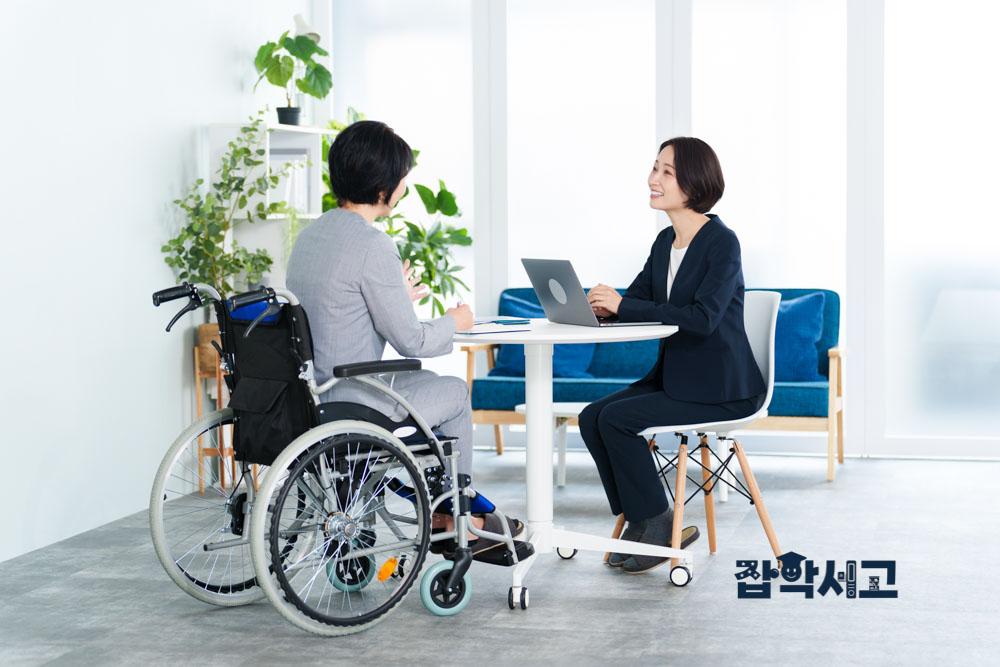 What benefits are available for people with disabilities?
Benefits for people with disabilities in South Korea are provided in various forms and play an important role in improving their lives and promoting social inclusion.
These include financial assistance, education and vocational support, medical services, and housing support. Below, we will examine the specific types of these benefits and real examples.
1. Financial Assistance
Disability Pension: The South Korean government provides a disability pension to support the living expenses of people with severe disabilities. This pension is an important benefit that helps cover the living expenses of households with members with disabilities who face financial hardship.
Disability Allowance: The disability allowance, paid at different rates according to disability classification, is intended for people with mild disabilities and aims to help cover living and medical expenses.
2. Educational Support
Special Education Support: The Ministry of Education operates special schools and special education classes for children and adolescents with disabilities and provides individualized educational programs. For example, Seoul has various special schools for children with visual, hearing, and intellectual disabilities.
Scholarships for Students with Disabilities: Scholarship programs are available for students with disabilities entering university, reducing the burden of tuition fees. This contributes to expanding educational opportunities for students with disabilities.
3. Vocational Support
Act on Employment Promotion and Vocational Rehabilitation for Persons with Disabilities: Various policies and programs to promote employment for people with disabilities operate under this Act. For example, the Ministry of Employment and Labor provides job placement and vocational training to help people with disabilities achieve financial independence.
Standard Workplaces for People with Disabilities: These workplaces provide jobs tailored to people with disabilities, and many companies participate in this system to promote their employment. For example, large companies such as LG Electronics operate standard workplaces for people with disabilities.
4. Medical Assistance
Assistance with Medical Expenses: The National Health Insurance Service operates a medical expense assistance program to reduce the financial burden of medical care for people with severe disabilities. It covers expenses such as surgery, treatment, and medication, helping people with disabilities receive the medical services they need in a timely manner.
Rehabilitation Treatment: Specialized rehabilitation institutions, such as the National Rehabilitation Center, provide systematic rehabilitation programs for people with disabilities. These include physical therapy, occupational therapy, and speech therapy to help people with disabilities restore physical function.
5. Housing Support
Rental Housing Support: Korea Land and Housing Corporation (LH) provides rental housing tailored to people with disabilities. This helps them live in safe and convenient housing environments.
Support for Home Modifications: Programs are in place to help cover the costs of modifications to improve housing conditions for people with severe disabilities. For example, support is provided for removing thresholds to facilitate wheelchair access or modifying bathrooms.
Through these various benefits and support programs, South Korea is working to improve the quality of life of people with disabilities and promote social inclusion. These provide an important institutional foundation that helps people with disabilities live more independently and become more self-reliant.
Employment Policies for People with Disabilities
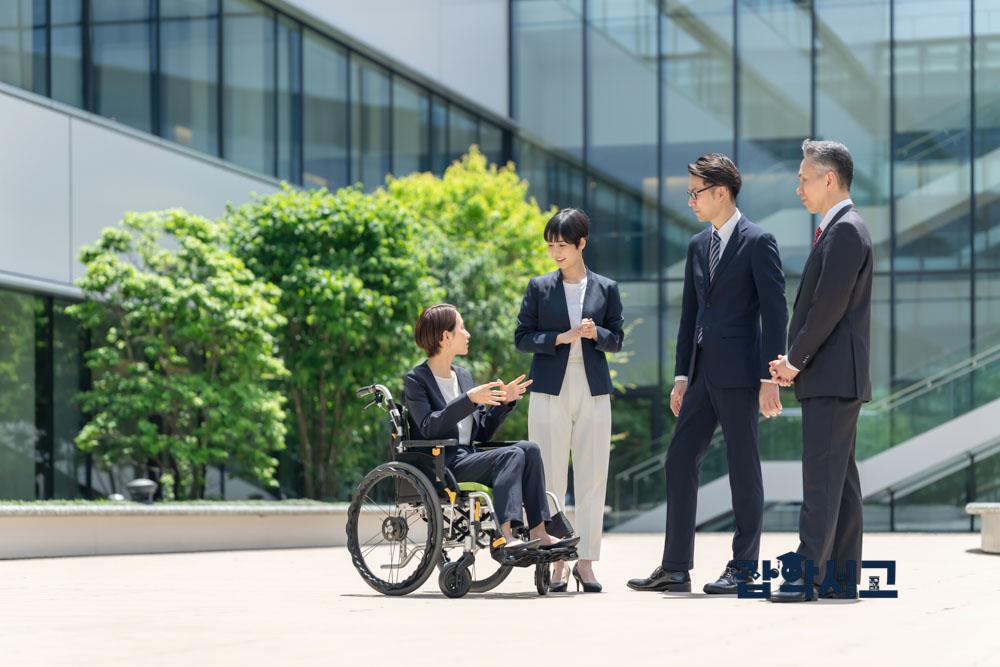 What employment support policies are available for people with disabilities?
Employment policies for people with disabilities in South Korea are pursued in various forms with the goals of financial independence and social inclusion. These policies were established to provide jobs for people with disabilities, improve their vocational skills, and improve employment environments. The main policies and programs are outlined below.
1. Act on Employment Promotion and Vocational Rehabilitation for Persons with Disabilities
Legal Basis: This Act was enacted to promote employment and support vocational rehabilitation for people with disabilities. Its main provisions include mandatory employment requirements for people with disabilities, the provision of vocational training and rehabilitation services, and financial assistance to promote employment.
2. Mandatory Employment System for People with Disabilities
Mandatory Employment Quotas: In South Korea, mandatory employment quotas for people with disabilities are prescribed for businesses above a certain size. Although the quotas may vary by year, people with disabilities must generally account for approximately 3.4% of employees in the public sector and 3.1% in the private sector.
Levies for Noncompliance: Businesses that fail to meet the mandatory employment quotas are subject to levies. These levies are used to fund employment promotion for people with disabilities.
3. Standard Workplaces for People with Disabilities
Concept and Support: Standard workplaces for people with disabilities have environments suited to their work and operate with government support. These workplaces provide suitable working environments for people with disabilities and support them in performing their duties.
Example: LG Electronics, a large company, operates standard workplaces for people with disabilities, providing stable jobs for workers with disabilities.
4. Vocational Rehabilitation Programs
Vocational Training: The Korea Employment Agency for Persons with Disabilities operates various vocational training programs for people with disabilities. These include vocational skills development, technical skills acquisition, and job placement.
Job Placement: The agency supports employment for people with disabilities by connecting them with employers. To this end, it provides job fairs and employment counseling services.
5. Improving Employment Environments
Creating Disability-Friendly Environments: Employers receive support in creating disability-friendly working environments, along with financial assistance and consulting for this purpose. Examples include installing restrooms specifically for people with disabilities and improving wheelchair accessibility.
Improving Working Conditions: Policies also include improving working conditions for workers with disabilities and providing accessible facilities to increase work efficiency.
6. Business Startup Support
Startup Funding Support: Programs are in place to provide startup funding to help people with disabilities become independent. These provide financial assistance so that people with disabilities can start and operate their own businesses.
Entrepreneurship Education and Mentoring: Entrepreneurship education and mentoring programs are provided to people with disabilities who wish to start businesses, helping them establish businesses successfully.
South Korea's employment policies for people with disabilities provide support in various areas to help them become financially independent and fulfill their roles in society. These policies play an important role in improving the quality of life of people with disabilities and promoting social inclusion.
Welfare benefits and employment policies for people with disabilities are important elements that help them lead better lives and participate actively as members of society.
Various welfare services, benefits, and employment policies support the financial independence and social inclusion of people with disabilities, ultimately contributing to a fair and inclusive society where everyone lives together.
We hope that continued attention and effort will further develop and expand welfare and employment policies for people with disabilities. Through this, we hope that everyone with a disability can realize their potential without discrimination and enjoy a happy life.