Psychological shock is an issue that significantly affects an individual's mental health and is a factor that cannot be ignored in everyday life. It usually occurs in situations involving extreme stress, and the resulting mental and emotional distress can affect an individual's life over the long term.
This material examines in depth the concept of psychological shock, its main symptoms, its causes, its effects on everyday life, and ways to overcome it.
Understanding the Definition and Main Symptoms of Psychological Trauma

The Concept and Definition of Psychological Shock
Psychological shock refers to the mental and emotional responses that arise after an individual experiences an intensely stressful event that is difficult to cope with in everyday life. Such shock occurs in situations where an individual's sense of self or safety is seriously threatened and usually results from events that are rarely encountered in everyday life. Examples include natural disasters, war, violent incidents, and serious accidents. These events can have a profound impact on an individual, leading to psychological shock.
Main Symptoms and Their Effects on Everyday Life
People who have experienced psychological shock may exhibit various symptoms that can significantly disrupt their everyday lives. Common symptoms include anxiety, feelings of depression, insomnia, and reduced concentration, along with a tendency to deliberately avoid certain situations or places. They may also frequently experience flashbacks or nightmares that make them feel as though they are reliving the shocking event, which causes additional anxiety. These symptoms can extend beyond a temporary reaction and seriously affect an individual's life over the long term, and persistent symptoms are highly likely to lead to problems in social, professional, and personal relationships.
Why Symptoms Can Persist
In many cases, it is difficult to expect the symptoms of psychological shock to improve on their own over time. If the initial symptoms do not ease, they can become more severe over time, making everyday life even more difficult. These prolonged symptoms can lead to deteriorating interpersonal relationships, problems at work, and an overall decline in quality of life. For these reasons, it is very important to recognize psychological shock early and receive appropriate treatment.
Causes and Contributing Factors of Psychological Shock
Several factors contribute to the development of psychological shock. People may experience shock differently depending on their psychological and biological vulnerabilities. For example, someone who has previously experienced a similar shocking event may be more vulnerable to a new shock. A lack of social support also serves as an important factor. When support and understanding from those around them are insufficient, people may find it difficult to overcome the shock and are more likely to experience worsening symptoms.
The Importance of Treatment in Overcoming Shock
Individuals who have experienced psychological shock should accurately understand their symptoms and seek professional help when necessary. Leaving the shock unaddressed can lead to serious mental health problems, and it is difficult to expect symptoms to ease without appropriate treatment. The treatment process requires a systematic and professional approach, and appropriate coping methods and treatments can alleviate the distress caused by the shock.
Causes of Trauma: Analyzing Internal and External Factors
External Factors in the Development of Trauma
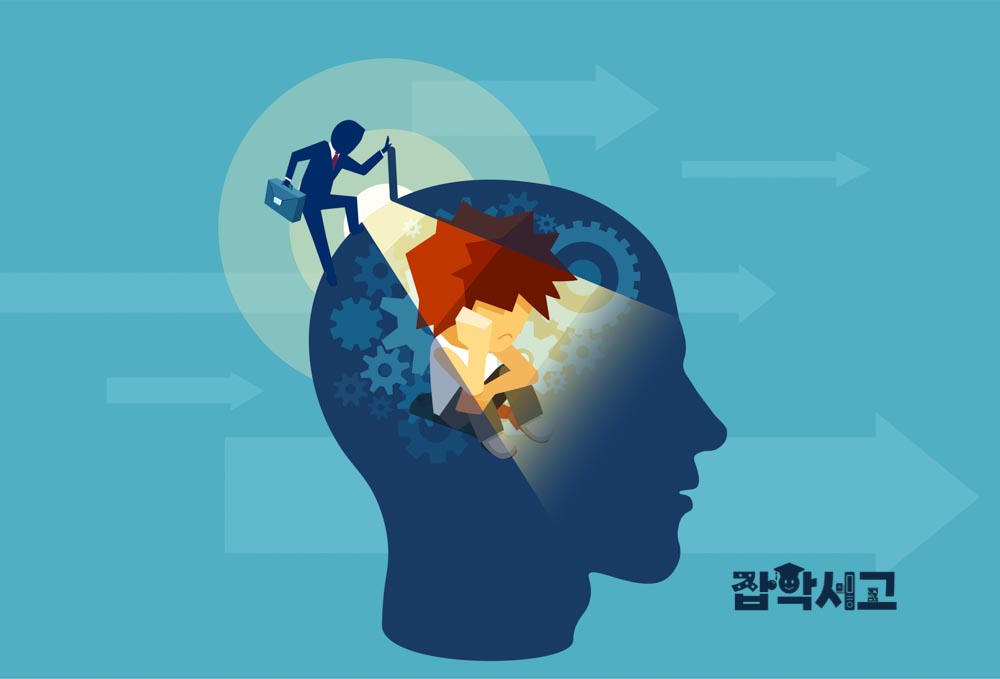
Psychological shock can arise from various external environmental factors. Common examples include natural disasters, war, violent incidents, and serious accidents, and these events serve as powerful triggers that threaten an individual's safety and survival. Individuals experience an even greater shock, especially in unpredictable or uncontrollable situations. These external factors rapidly change an individual's everyday life and sense of self, causing psychological shock. In other words, although people experience extremely stressful situations differently, serious external events can leave anyone with trauma.
Internal Factors in the Development of Trauma
Internal factors are just as important as external factors. An individual's biological characteristics, vulnerability to stress, and past traumatic experiences serve as internal factors that give rise to trauma. For example, people with a genetic predisposition to anxiety or depression may experience more severe symptoms after a shocking event. Because people also differ in their tolerance for stress, the intensity of the resulting shock can vary even when they experience the same event. These internal factors also affect an individual's psychological resilience and play an important role in overcoming trauma.
The Role of Social Factors
Social factors also play a very important role in the development of trauma and the recovery process. Without sufficient support and understanding from family, friends, and the community, people may face greater difficulty overcoming trauma. In contrast, people with a well-established social support system can recover relatively quickly even after a shocking event. Economic circumstances and cultural background also affect the intensity of trauma and the speed of recovery. Financial hardship can make it difficult to receive mental health treatment, increasing the likelihood that trauma will persist, and the way people experience trauma can also vary depending on their cultural background.
The Connection Between Childhood Experiences and Trauma
Childhood experiences greatly influence how people respond to trauma as adults. People who grew up in a stable environment are more likely to cope well with shocking events. In contrast, people who grew up in an unstable environment may experience greater psychological shock when faced with the same event. Negative experiences during childhood can increase psychological vulnerability even in adulthood and raise the risk of developing trauma. Childhood experiences therefore serve as an important variable in both the development of trauma and the recovery process.
The Importance of Analyzing Factors Behind Trauma
An in-depth analysis of the causes of trauma is a very important process for preventing and treating it. The way people experience trauma and the speed at which they recover differ because internal and external factors interact in complex ways. Each individual's circumstances and experiences are unique, so understanding these factors is essential to developing strategies for overcoming trauma. By clearly identifying the causes and developing appropriate treatments and preventive measures based on them, individuals who have experienced trauma can regain better mental health and improve their quality of life.
The Effects of Psychological Trauma on Everyday Life
Effects on Interpersonal Relationships
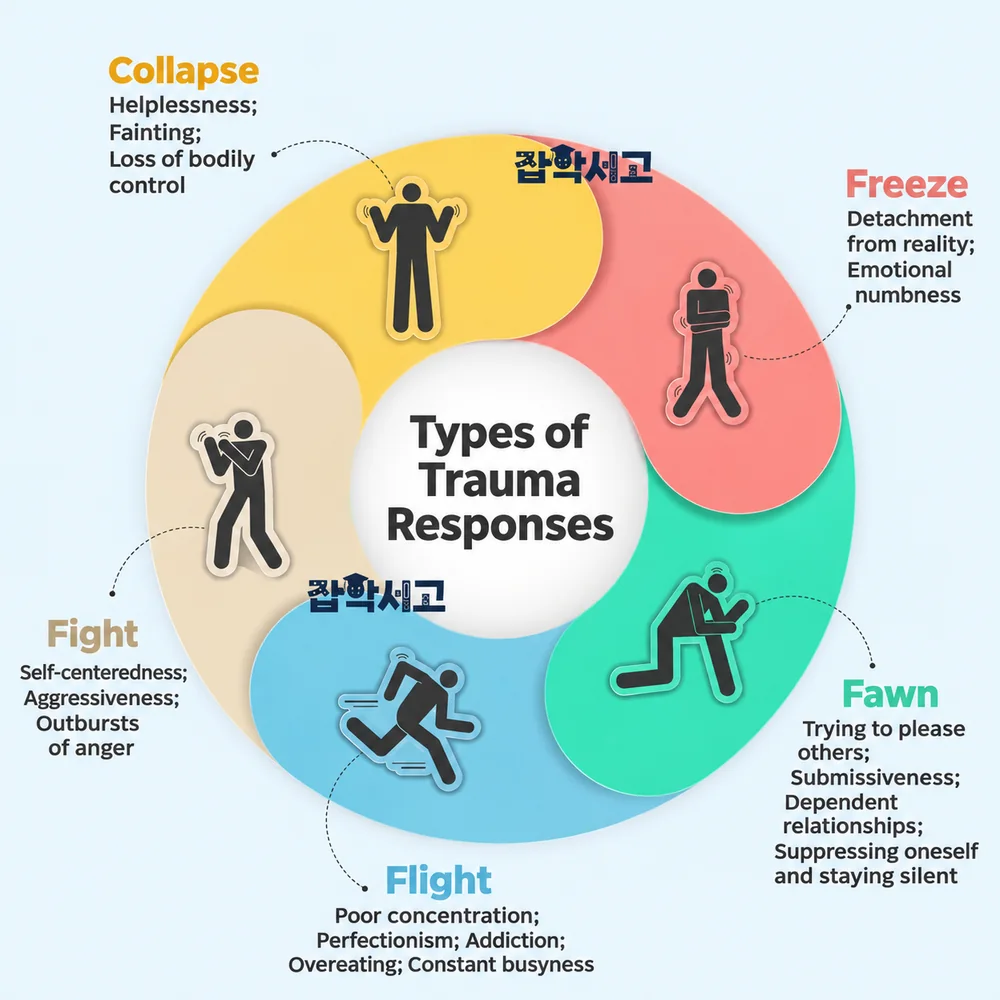
People who have experienced psychological shock often face difficulties in their interpersonal relationships. They find it difficult to build trust, which can cause tension and conflict in relationships with friends or family. In particular, growing anxiety or suspicion in interactions with others can make them prone to feeling isolated. They may hesitate to form new relationships or become distant even in existing relationships, and this isolation can ultimately lead to a lack of social support. This adds to the pressure of feeling that they must endure trauma alone and makes it difficult to receive the social support that is important during recovery.
Negative Effects on Work Performance
Psychological shock also has a considerable impact on working life. Reduced concentration, fatigue, and anxiety lower work efficiency, negatively affecting performance in the workplace. People may find it difficult to engage fully in tasks or work, hesitate to make important decisions, and experience more frequent conflicts at work. If trauma increases workplace stress, they may have difficulty keeping their jobs. Furthermore, professional setbacks or feelings of frustration can add to their mental burden and worsen trauma symptoms.
Effects on Physical Health
Trauma causes not only psychological stress but also serious effects on physical health. Persistent stress and anxiety can lead to physical symptoms, weaken immunity, and increase the risk of chronic fatigue or cardiovascular disease. Sleep disturbances caused by trauma can also hinder physical recovery and allow fatigue to accumulate, worsening health. If insufficient sleep and physical fatigue persist, physical illnesses may arise and psychological recovery may also slow down, allowing the vicious cycle caused by trauma to repeat.
Emotional Instability and Difficulty Regulating Emotions
Trauma also greatly affects an individual's ability to regulate emotions. Emotional fluctuations become more severe, and anger or feelings of depression tend to occur frequently. This leads to excessive emotional reactions even in everyday situations and negatively affects those around them as well. Emotional instability acts as an ongoing source of stress in everyday life and places an additional burden on interpersonal relationships and work performance. As emotional instability becomes more severe, recovery from the shock may take even longer.
Loss of Enjoyment in Everyday Life
Trauma can even take away the enjoyment of everyday life. People may no longer feel interested in activities or hobbies they once enjoyed and may become helpless and apathetic. These changes greatly reduce an individual's satisfaction with life and cause a loss of motivation for living. This can lead to mental health problems such as depression and reduce overall quality of life. Prompt recognition and an appropriate response are necessary to minimize the long-term effects of psychological shock on an individual's overall everyday life.
The Overall Effects of Psychological Shock and the Importance of Responding
Psychological shock broadly affects an individual's mental, physical, and emotional well-being. These effects can appear across many areas of life, including interpersonal relationships, work performance, physical health, and emotional stability, and can have serious long-term consequences if left unaddressed. Early recognition of the shock and appropriate treatment are therefore essential. An appropriate response can minimize these negative effects and promote recovery in everyday life.
Effective Treatments and Approaches for Overcoming Trauma

The Importance of Psychotherapy
Psychotherapy is one of the main methods for overcoming psychological shock. It helps individuals revisit shocking events in a safe environment and freely express the emotions resulting from them. In particular, it focuses on changing negative emotions and thoughts in a positive direction and is highly effective in alleviating psychological distress by restructuring cognitive patterns. Through this process, individuals can gain a deeper understanding of their inner selves and process their emotional responses to the event in healthier ways.
The Role of Counseling
Counseling plays a very important role in overcoming trauma. Through counseling, individuals can clearly understand their emotional state and address the psychological distress caused by trauma more systematically. The emotional support gained through conversations with a professional is a great help in relieving the anxiety and isolation caused by the shock. Counseling is also often combined with psychotherapy, allowing it to support an individual's recovery comprehensively.
The Need for Medication
If symptoms caused by psychological shock are severe, medication may also be considered. Antidepressants or anti-anxiety medications can help relieve symptoms such as extreme anxiety or feelings of depression. However, medication only serves to relieve symptoms temporarily and may be insufficient as a fundamental solution. Medication must therefore be combined with psychotherapy, and it is important to use it appropriately as a tool for fundamental recovery.
Alternative Approaches: Meditation and Yoga
Alternative treatments such as meditation and yoga have also attracted attention in recent years. These methods help restore physical and mental stability and contribute to effective stress management. In particular, they are useful for strengthening the connection between body and mind and dealing with psychological distress in better ways. The effects of meditation and yoga can be maximized when they are used alongside psychotherapy, and they help individuals understand themselves more deeply and maintain a state of harmony.
The Importance of Social Support
Social support is extremely important in overcoming trauma. Support from family, friends, and the community helps individuals who have experienced shock avoid isolation and provides emotional stability. An environment with sufficient social support alleviates the distress of trauma and positively influences an individual's recovery. Such a support system can play a decisive role in helping individuals get through difficult times and return to everyday life.
The Need for Individualized Treatment
Because the way people experience trauma and its severity differ from person to person, treatments and approaches must also be adjusted to each individual. Since not everyone can overcome shock in the same way, it is important to develop an individualized treatment plan suited to the circumstances with professional guidance. An individualized approach takes an individual's psychological and emotional characteristics into account and can create an environment that supports more effective recovery.
The Need for a Multifaceted Approach to Overcoming Trauma
Overcoming trauma requires multifaceted treatment that combines various approaches. Effective recovery is possible only when methods such as psychotherapy, counseling, medication, alternative treatments, and social support work together in harmony. This can alleviate the distress caused by trauma and help individuals prepare for a healthier future. Treatment tailored to each individual's needs ultimately provides an important foundation for improving quality of life and living more positively.
Psychological shock can negatively affect not only an individual's mental health but also various areas of life. However, it can be fully overcome by properly understanding its causes and symptoms and applying appropriate treatments and approaches.
It is hoped that this material will contribute to improving individuals' psychological stability and health by increasing their understanding of psychological shock and helping them develop strategies to overcome it.