Graphic design goes beyond simply creating visually appealing images: it plays an important role in communicating clear, powerful messages and maximizing brand value. Today's design environment is changing rapidly, and the skills and capabilities required in professional practice are continually evolving as a result.
This material covers a range of practical skills and strategies for developing expertise in graphic design. It will provide in-depth information on every aspect, from fundamental design elements, the latest trends, and the use of tools to project planning and execution strategies, as well as practical experience for strengthening a portfolio.
Core Elements of Graphic Design and Trend Analysis

Design That Takes User Experience into Account
One of the most important elements in graphic design is user experience (UX). Everything users experience while interacting with a design determines whether that design succeeds. Beyond visual elements alone, it is important to design so that users can access the functions they want easily and intuitively. To achieve this, designers must develop a deep understanding of users' needs and behavior and create intuitive, efficient designs based on that understanding. A process of continually improving the design through usability testing and user feedback is necessary.
Changing Design Trends
Design trends change with the times and are an important factor in determining the direction of design. In recent years, minimalism has established itself as a strong trend. Approaches that minimize complex elements and convey messages clearly through simple, clean designs are preferred. In addition, environmentally friendly design that considers sustainability and inclusive design that emphasizes inclusion are attracting considerable attention. A deep understanding of these trends is essential for designers to remain competitive in a changing market environment.
The Role of Color and Typography
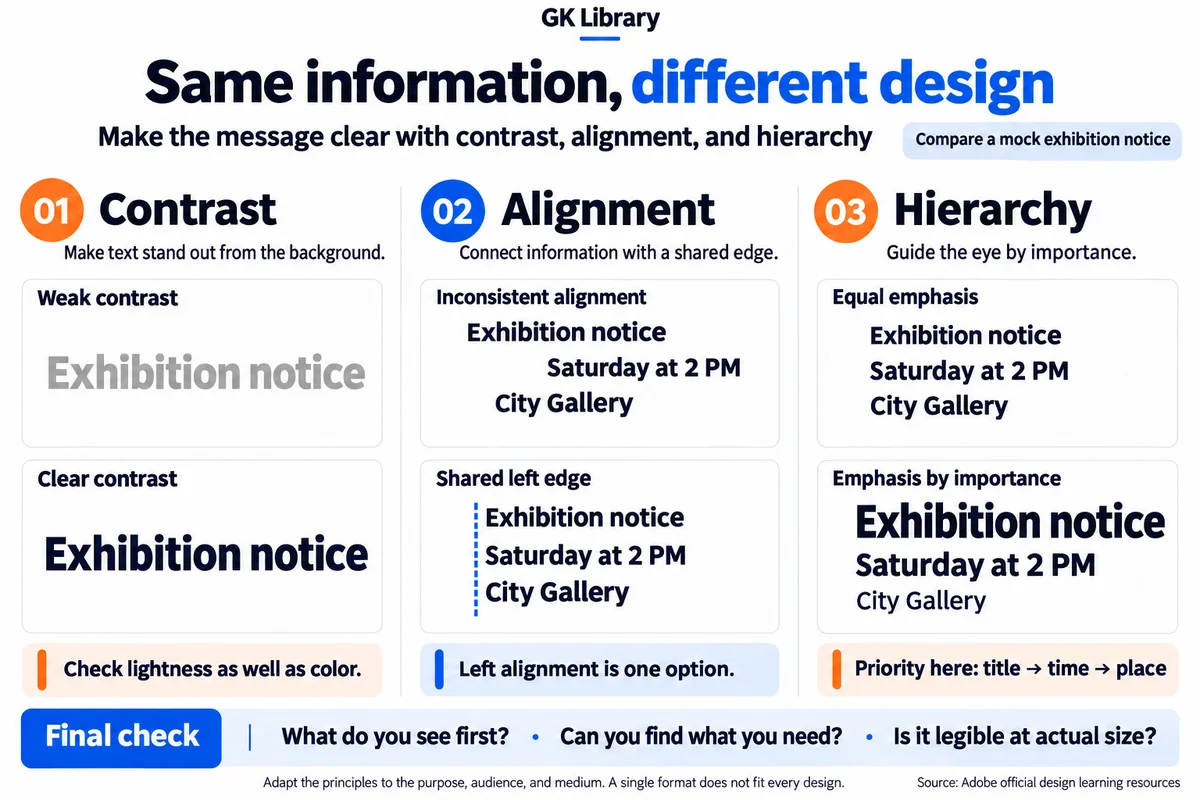
Color and typography are the most fundamental elements of design and can clearly express a brand's identity. Color elicits emotional responses from users, while typography determines how readable the information being conveyed is. In contemporary design, the use of bold color contrasts and large typography is becoming increasingly common. This helps communicate messages more effectively and increase brand awareness. Choosing an appropriate color palette and typography has an important influence on whether a design succeeds.
The Importance of Animation and Interactive Design
As digital media develop, dynamic content is receiving more attention than static images. Animation can capture users' attention and make messages easier to communicate. Interactive design gives users opportunities to participate actively in the design, enabling a more immersive experience. This plays a particularly important role in website and app design and maximizes communication with users.
The Mobile-First Approach
As the use of mobile devices has grown rapidly, a mobile-first approach to design has become essential. It is important to prioritize user experience in mobile environments and provide optimized designs suited to screen sizes. This also helps maintain a consistent user experience when subsequently expanding to desktop environments. Design centered on mobile devices is an essential strategy in the rapidly changing digital environment.
Using Data-Driven Design
Data-driven design enables better design decisions by analyzing user behavior and preferences. Analyzing user patterns through data and incorporating them into a design makes it possible to create more user-friendly designs. This can improve design efficiency and allow designs to be refined to meet users' needs. Data have value beyond mere statistics, and strategic design based on data leads to successful outcomes.
Practical Skills for Building Expertise: Using Design Tools

The Importance of Design Tools
The ability to use various design tools effectively is essential for professional graphic design. These tools greatly help designers express creative ideas visually and handle complex tasks efficiently. Adobe Creative Cloud is the most widely used software package among them and includes programs with different functions, such as Photoshop, Illustrator, and InDesign. The ability to select appropriate tools and use them according to the nature of the work is an important factor in developing a designer's expertise.
Photoshop: A Powerful Tool for Image Editing
Photoshop is a program specialized in image editing and can perform a wide range of tasks, including photo retouching, compositing, and digital painting. Layers and masks make complex images easy to manipulate, while filters and effects enable original visual expression. It also offers excellent performance when handling high-resolution images, making it widely used in fields such as posters, advertising, and web design. Photoshop has established itself as an essential tool, particularly for image-based design, and it is important to understand its functions thoroughly and use them effectively.
Illustrator: A Leader in Vector Graphics
Illustrator is a tool for working with vector graphics and is primarily used for various forms of graphic design, such as logos, icons, and illustrations. Because vector images are not affected by resolution, they can be resized freely and are useful for printed materials and large billboards. Features such as the Pen Tool, brushes, and patterns enable the creative production of complex illustrations, and the ease with which designs can be scaled to the desired size makes Illustrator an essential tool for graphic designers.
InDesign: An Essential Tool for Publication Design
InDesign is a program primarily used for publication design and is optimized for laying out documents with multiple pages. It is an effective tool for projects that require text and images to be handled together, such as magazines, brochures, and booklets, and it allows consistent design to be maintained through page arrangement and style management. It is also suitable for creating digital documents and can be used to produce interactive PDFs and e-books. Using InDesign efficiently makes even complex publication design easy to handle.
The Importance of Continuous Learning and Practice
To use design tools effectively, it is essential to become familiar with everything from each tool's basic functions to its latest features. Tools are continually updated, so it is important not to neglect learning about new features. Software providers such as Adobe offer official tutorials, and a variety of online courses and lectures are also readily available. It is important to continually develop proficiency with design tools through this learning and build experience that can be applied to actual work through varied practice.
Optimizing Keyboard Shortcuts and Workflows
To improve the efficiency of design work, it is important to optimize the use of keyboard shortcuts and workflows in the tools. Designers need to seek ways to reduce repetitive tasks and shorten working time. Keyboard shortcuts can dramatically improve working speed, while developing a workflow suited to the individual can greatly increase productivity. This can accelerate project progress and allow designers to focus on more creative work.
The Ultimate Goal of Using Design Tools
The purpose of using design tools effectively goes beyond simply working faster: it is to produce better results. When designers understand each tool's functions thoroughly and can use them creatively, they can produce work of a higher standard. To grow into a professional designer, proficiency with tools must be accompanied by the ability to continually acquire new technologies and trends and apply them in professional practice.
Design Planning and Execution Strategies for Project Success

Thorough Planning: The First Step toward Project Success
A clearly defined planning stage is essential for a project's success. Before beginning design work, designers must accurately identify the client's requirements and establish clear goals and a direction based on them. During this process, it is important to define the project's scope and requirements in detail through market research and competitive analysis. This preparation reduces unexpected problems during the project and lays the groundwork for better results.
Strategic Planning: Creating a Concrete Roadmap for Execution
The success of a design project depends on systematic planning. A detailed plan based on the project's goals and direction must be developed and used to establish a timeline and budget. Predicting risks that may arise at each stage of the project and preparing measures to minimize them are also important. A concrete execution plan helps the project proceed smoothly and enables effective management of the schedule and budget.
Maintaining a Consistent Brand Identity
Maintaining brand identity and consistency is central to the design execution stage. All design elements, including color, typography, and layout, must effectively communicate the brand's core values. Each design element must work harmoniously with the others, and it is important to maintain consistency with the project's overall direction. This helps increase trust in the brand and communicate a clear message to consumers.
Exploring Different Approaches to Develop Creativity
Success as a graphic designer requires continual creativity. This is developed by exploring new ideas and trying different styles. It is important to learn and apply various design styles instead of remaining with a single style. For example, experimenting with different approaches, such as retro styles, minimalism, and modern design, expands creative thinking. It is also important to follow trends while maintaining one's own individuality and distinctive qualities.
User-Centered Design Thinking
It is always important to design with users in mind. Great design must deliver beauty as well as functionality and user experience. Designers must consider the purposes for which users use a design and what they want to feel through it. Designers must therefore go through a process of incorporating feedback through user research and testing. This greatly improves the quality of the final result.
Continuous Learning and Keeping Up with the Latest Trends
Because design trends change rapidly, designers must always keep up with the latest technologies and trends. New tools and features continually emerge in the design industry, so the ability to learn and apply them quickly is necessary. For example, learning about the latest software updates or new features in design tools can improve working efficiency. Observing the latest design trends and considering how to incorporate them into one's own work is also an important process.
Careful Attention to Detail
Small details play a major role in improving the quality of a design. For example, adjustments to typographic spacing, consistency in the color palette, and balance between images and text may seem like small elements, but they determine the quality of the overall design. Designers must examine these details carefully without overlooking them and place particular importance on details that maintain visual consistency and consider user convenience.
Time Management and Improving Efficiency
Time management skills are essential for successfully completing a project. Design work often takes a considerable amount of time, so time must be allocated efficiently to finish the work on schedule. Managing a project by prioritizing tasks and setting and achieving small goals allows the work to proceed efficiently. Learning keyboard shortcuts in the tools and automating repetitive tasks are also helpful ways to improve efficiency.
Collecting and Analyzing Reference Materials
Great design develops further through the process of analyzing and applying reference materials. Designers should gain ideas by examining various design portfolios and examples of work and consider how to apply these references. It is important, however, to draw inspiration from them and add one's own creative interpretation rather than simply copying them. In particular, analyzing other designers' successful working methods and finding ways to apply them to one's own work can be very helpful.
Understanding Color Theory and Psychology
Color plays an important role in design. Each color can elicit different emotional responses from users, and using this appropriately is central to successful design. Designers must understand color theory and consider how colors can connect with a brand's image or message. They can also maximize visual impact by appropriately using color combinations, contrast, and harmony.
The Importance of Collaboration and Communication
Smooth communication within a team is essential for a project to proceed successfully. At each stage of the project, collaboration with team members in various roles, including designers, planners, and developers, is necessary. Regularly sharing progress and incorporating feedback from team members help improve project quality. This communication process makes it possible to resolve unexpected problems quickly.
Wrapping Up a Project: Reviewing the Deliverables and Incorporating Feedback
After a project is completed, the final deliverables must be reviewed carefully, and revisions must be incorporated through consultation with the client. It is also important to have a feedback process after the project ends, analyzing the deliverables and identifying problems and areas for improvement in the project's progress to apply to the next project. This process contributes to the continual development of a designer's expertise and provides opportunities to produce better work.
Keeping an Open Mind toward Feedback
A willingness to accept others' feedback and make improvements is also important in design work. Sometimes it is necessary to identify a design's strengths and weaknesses from an outside perspective rather than through subjective judgment. Feedback from clients or fellow designers can provide an opportunity to develop a design further. Accepting feedback with an open mind and incorporating it into a design can produce better results.
Strengthening a Portfolio: Ways to Grow through Practical Experience

The Importance of a Strong Portfolio
A portfolio is a tool that can demonstrate a designer's skills and capabilities most directly. Beyond merely listing finished work, it can serve as an important resource that highlights a designer's creativity and problem-solving abilities. A portfolio can effectively communicate one's own design philosophy and style and inspire trust in clients or employers.
Building a Variety of Practical Experience
A variety of practical experience is essential for strengthening a portfolio. Designers must participate in projects across different fields and develop the ability to offer design solutions suited to each project's requirements. For example, gaining experience in different fields, such as brand design, web design, and publication design, broadens a designer's capabilities and ensures diversity in the portfolio. This experience provides a foundation for taking on a wider range of projects in the future.
Criteria for Selecting Work to Include in a Portfolio
When choosing work to include in a portfolio, it must be selected carefully based on its quality and results. Rather than listing every piece of work, it is important to select work that clearly demonstrates how problems were solved in each project and the creative approaches taken during that process. Clearly explaining the purpose of each piece of work and its resulting outcomes allows clients to better understand the designer's thought process and abilities.
Visual Evidence of the Design Process
A portfolio should show the entire design process rather than include only the final deliverables. Visually presenting each stage, from initial idea sketches to wireframes and the final design, can clearly communicate how the designer works through problems. This process effectively highlights the designer's way of thinking and problem-solving abilities and is an important factor in building clients' trust in the designer.
The Importance of an Online Portfolio
In the digital age, online portfolios are becoming increasingly important. Platforms such as Behance and Dribbble allow designers to share their work with clients around the world and gain opportunities to receive a variety of feedback. This enables them to expand their global networks and explore more work opportunities. An online portfolio is a particularly important means of opening up possibilities for designers to work in a broader market.
Continually Updating a Portfolio
A portfolio must be updated regularly over time. Adding the results of new projects and reviewing existing work to revise or remove it as needed are essential processes. This keeps the portfolio fresh and relevant and allows clients to see the designer's latest capabilities. These consistent updates also play an important role in the designer's continued growth and development of expertise.
Creating New Opportunities through a Portfolio
A portfolio is an important tool for designers to create new opportunities. Strengthening a portfolio through varied practical experience and organizing it effectively to present to clients leads to more opportunities for projects and collaboration. Showing one's design philosophy and problem-solving abilities through a portfolio can also attract new clients or strengthen relationships with existing ones. Designers should always remember that a portfolio is an important means of supporting their growth and success.
Developing expertise in graphic design requires comprehensive consideration of various factors. Continuous learning and experience are essential for adapting to today's rapidly changing design environment, and it is important to understand core design elements and trends, use tools efficiently, plan and execute projects systematically, and strengthen a portfolio through practical experience.
These processes will greatly help designers grow into professionals who combine creativity with problem-solving abilities. We hope that you will gain a competitive edge through design work that incorporates the latest trends and technologies and build a successful career in graphic design.