Single-parent families are becoming an increasingly important social issue in modern society. Various social welfare programs are available for single-parent families that need financial and emotional support, but many difficulties remain.
This article aims to provide an in-depth analysis of the definition and current circumstances of single-parent families, major social welfare support programs, the effects and limitations of social welfare support, and the conditions for receiving support for single-parent families.
Definition and Current Circumstances of Single-Parent Families
 What Is a Single-Parent Family?
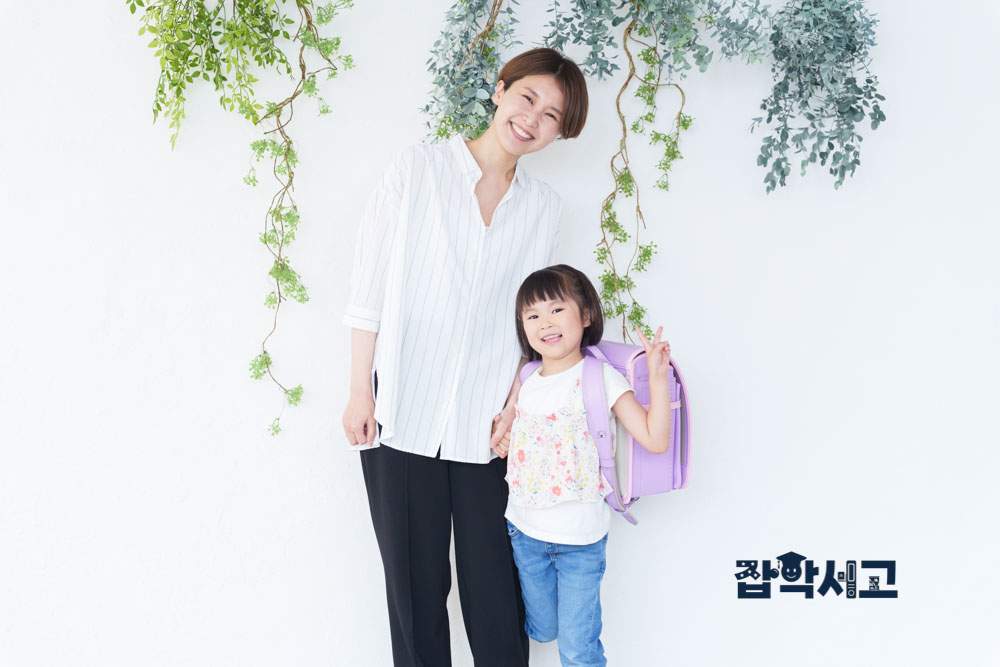
A single-parent family is a family consisting of one parent and their children. Such families can form for various reasons, including divorce, the death of a spouse, and childbirth outside marriage, and recent statistics indicate that the proportion of single-parent families is steadily increasing. Accordingly, public attention to single-parent families and the need to support them are growing.
How Single-Parent Families Form: Diversity and Complexity
Single-parent families form for various reasons. Divorce and the death of a spouse are among the most common causes, while other causes include childbirth outside marriage and abandonment by a spouse. Single-parent families formed through divorce often face both conflict between the parents and the burden of raising children. These varied causes make the problems and challenges faced by single-parent families more complex.
Financial Difficulties in Single-Parent Families: Poverty and the Burden of Making a Living
Single-parent families generally face difficult financial circumstances. Because one parent must support the children, the financial burden is substantial. This directly affects children's education, medical care, and living expenses, and many single-parent families live in poverty. Active support from the government and society is therefore urgently needed.
Emotional Difficulties and Their Effects: The Dual Burden on Parents and Children
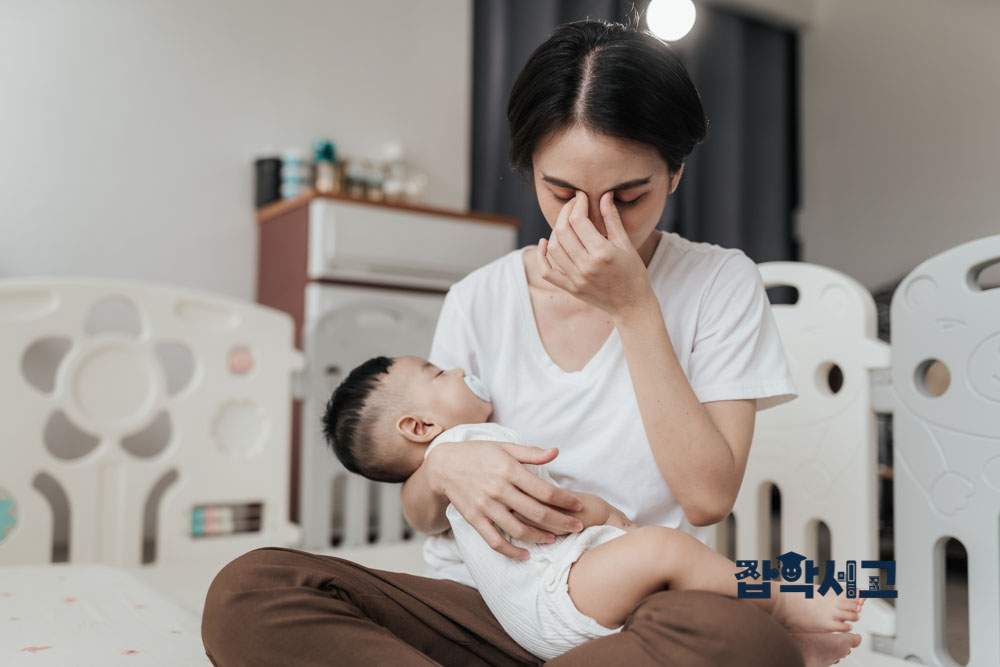
The emotional difficulties faced by single-parent families cannot be overlooked either. Both parents and children may find themselves in an environment where emotional stability is difficult to achieve, which can negatively affect children's mental health and development. Parents are also highly likely to experience increased emotional stress because of the dual burden of raising children and earning a living.
Social Perceptions and Prejudice: Improving Attitudes Toward Single-Parent Families
Social perceptions of single-parent families also need to improve. Prejudice and discrimination against single-parent families hinder their social integration, which can negatively affect family members' self-esteem and ability to build social relationships. An accurate understanding of and respect for single-parent families are therefore needed.
Current Government and Private-Sector Support: Policies and Programs
The government and private organizations currently operate various policies and programs to support single-parent families. However, many single-parent families still do not receive the support they need. This stems from various factors, including limitations in support systems and a lack of awareness about single-parent families. More systematic and comprehensive support measures are needed to overcome these limitations.
Major Social Welfare Support Programs for Single-Parent Families
 What Social Welfare Programs Are Available for Single-Parent Families?
Financial Support: Stabilizing Daily Life and Alleviating Poverty
Financial support is an essential program for reducing living expenses, the greatest financial burden on single-parent families. The government and local authorities help single-parent families achieve financial stability through assistance with living expenses, child-rearing subsidies, and emergency funds for daily living. This support plays an important role in helping single-parent families in poverty maintain a basic standard of living.
Education Support: Continuing Children's Education and Securing Their Futures
Education support programs help children in single-parent families continue their studies without financial hardship. Scholarships, learning assistance programs, and after-school care services provide an environment where children can focus on their studies. This support ensures that children can consistently receive the education they need to prepare for the future.
Housing Support: Providing a Safe and Stable Living Environment
Housing support programs provide various forms of assistance to help single-parent families maintain a safe and stable living environment. These include public rental housing, housing cost subsidies, and assistance with home repairs and renovations, which help single-parent families reduce their financial burden and establish a stable foundation for daily life.
Psychological Support: Promoting Emotional Stability and Family Health
Psychological support programs address the emotional difficulties experienced by parents and children in single-parent families and help family members lead mentally healthy lives. Counseling services, psychotherapy, and parent education programs help parents and children establish emotional stability and mutual trust.
Health Support: Maintaining Physical Health and Reducing the Burden of Medical Costs
Health support programs help parents and children in single-parent families maintain their physical health and reduce the burden of medical costs. Various healthcare services are provided, including assistance with medical expenses, regular health checkups, and vaccination support, which play an important role in reducing the additional financial burden caused by health problems.
Support for Building Social Relationships
Programs that support the development of social relationships help single-parent families overcome social isolation and build a variety of social connections. Self-help groups, participation in community activities, and networking opportunities allow single-parent families to connect with wider society and participate actively as members of their communities. This support plays an important role in the social integration of single-parent families and the restoration of their self-esteem.
Effects and Limitations of Social Welfare Support
 Is Social Welfare Support Alone Enough?
Effects of Social Welfare Support: Stability in Daily Life and Positive Change
Social welfare support has brought many positive effects to single-parent families. Financial support has enabled many single-parent families to reduce the burden of living expenses, which has also positively affected their children's education and health. Families that received psychological support were able to lead emotionally stable lives, while those that received housing support experienced significant improvements in the stability of their lives and their satisfaction with them. Case analyses show that financial support has produced tangible benefits, including improvements in children's academic achievement and increases in parents' employment rates.
Limitations of Social Welfare Support: Insufficient Financial Assistance
Social welfare support for single-parent families still has limitations. First, insufficient benefit payments are a major problem. Current payments are not enough to cover living expenses, so many single-parent families continue to experience financial difficulties. Addressing this requires increasing benefit amounts and expanding eligibility for support.
Accessibility Problems: Improving Publicity and Procedures for Support Programs
Second, problems with access to support programs are also identified as an important limitation. Many single-parent families are unaware that support programs exist or are unable to receive assistance because of complicated application procedures. Publicity for support programs should therefore be strengthened and procedures simplified so that more families can receive tangible benefits.
Insufficient Emotional Support: The Need for Psychological Stability
Third, insufficient emotional support is also a problem. Many single-parent families experience emotional difficulties, but support for these difficulties is relatively limited. Emotional support programs need to be expanded and related services actively publicized to improve the mental health of single-parent families.
Problems with Social Perceptions: Overcoming Prejudice and Discrimination
Fourth, a lack of public awareness about single-parent families is a problem. Social prejudice and discrimination can prevent single-parent families from receiving support, which can hinder their social integration. Education and campaigns are therefore needed to spread an accurate understanding of and respect for single-parent families.
A Sustainable Support System: The Importance of Long-Term Support
Finally, a sustainable support system needs to be established. Rather than providing the current one-time assistance, it is important to develop a long-term, sustainable support system that helps single-parent families lead stable lives. To achieve this, the government and private sector must work together to explore various support measures and establish a system that can provide practical help.
Conditions for Single-Parent Family Support: Eligibility Requirements and How to Apply
 What Are the Conditions for Single-Parent Family Support?
Eligibility for Support: The Definition of a Single-Parent Family and Financial Criteria
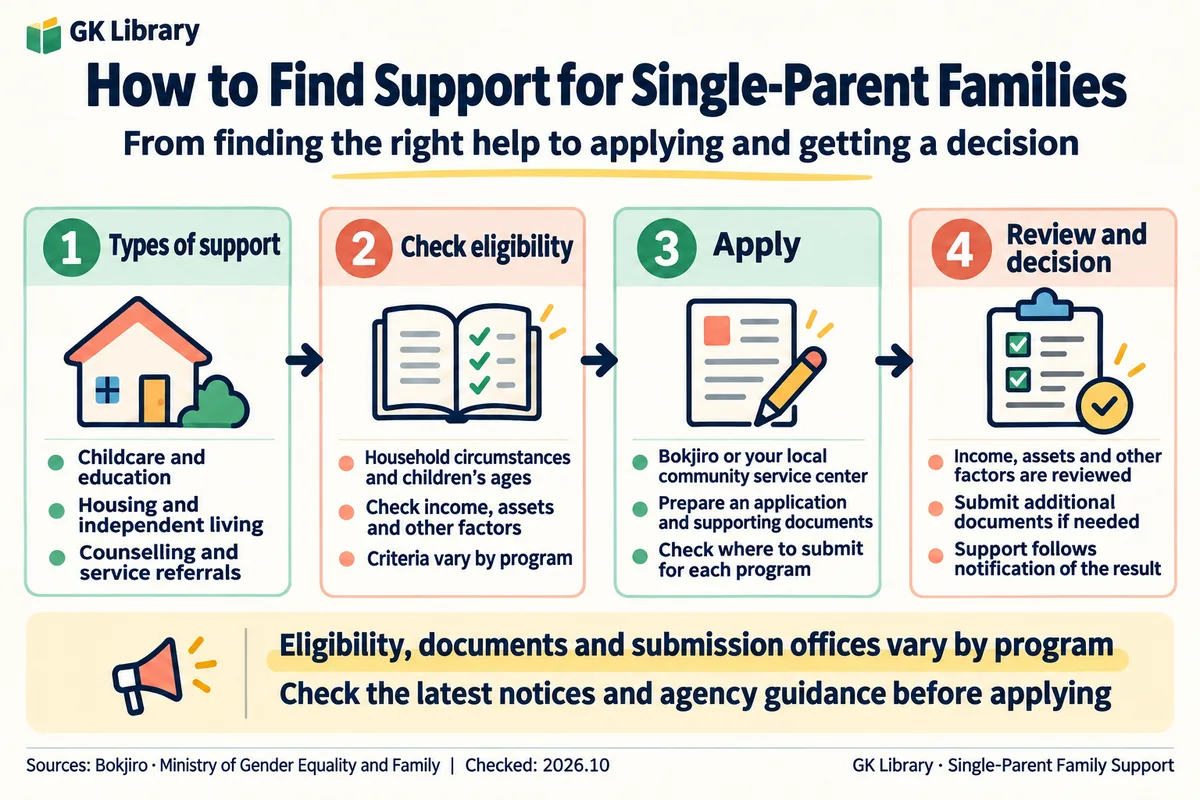
Certain eligibility requirements must be met to receive support for single-parent families. First, a single-parent family generally means a family consisting of one parent and minor children. This includes cases in which one parent raises the children because of divorce, separation, or the death of the other parent. Financial requirements must also be met to qualify for support, generally meaning that household income is at or below 60% of the median income. Income criteria may vary slightly between local authorities, and property holdings and other assets are also considered during the assessment.
How to Apply: Online and In-Person Procedures
To apply for financial assistance for single-parent families, you can visit a community service center or welfare center in your area, or apply online. Required documents include identification, documents proving family relationships, and documents verifying income and property. Online applications offer the advantages of saving time and convenience, but applicants may encounter difficulties preparing the documents. In such cases, it is advisable to visit a community service center and apply in person.
The Review Process: Income Assessment and Preparation of Additional Documents
After an application for support is submitted, eligibility is determined through an assessment of household income and property. This process can typically take several weeks to several months, and additional documents may be requested during the review. It is important for applicants to prepare the required documents in advance and be ready to submit them promptly upon request.
Support Benefits: Assistance with Living, Education, and Medical Expenses
Once eligibility for support has been approved, single-parent families can receive various benefits. Common examples include assistance with living expenses, education subsidies, and medical expense assistance, although these may vary according to the services provided in each area. It is important to confirm the exact benefits and the scope of available support with the welfare center in your area.
Single-parent families are becoming an increasingly important social issue in modern society, and various social welfare programs are available to support them, but many challenges remain. These include limitations in financial support, insufficient psychological support, a lack of public awareness, problems with access to support programs, and the need to establish a sustainable support system.
Going forward, the government and private sector need to work together to address these challenges and help single-parent families lead stable lives. Through these efforts, single-parent families should be able to receive respect in society and lead happy lives.