The parental leave system has become one of the most important policies in modern society. By giving parents time to focus on raising their children, it plays a major role in ensuring family stability and social balance. In particular, people today who struggle to balance work and family recognize parental leave as an essential welfare provision.
This material will examine in detail the importance of the parental leave system, ways businesses can support parental leave, South Korea's parental leave system and how to use it, and practical ways to establish a workplace culture that supports parental leave.
The Importance of the Parental Leave System: Balancing Family and Society
 Why is the parental leave system important?
Strengthening Family Stability and Parent–Child Bonds
The parental leave system improves family stability by giving parents opportunities to spend time with their children. This strengthens the bond between parents and children and has a positive effect on children's emotional stability. It is a key system that helps parents play an important role in their children's development.
Social Balance Through Work–Family Compatibility
The parental leave system contributes to social balance by making it possible to combine work and family life. It improves productivity and stability across society by giving parents time to devote themselves to childcare while guaranteeing an opportunity to return to work after a temporary break.
Addressing Women's Career Interruptions and Promoting Gender Equality
The parental leave system plays an important role in addressing issues related to women's participation in society and career interruptions. It creates an environment in which women can balance work and family without interrupting their careers, ultimately encouraging women's participation in society and contributing to gender equality.
Encouraging Men's Participation in Childcare and Strengthening Gender Equality at Home
The parental leave system also plays a major role in encouraging men to participate in childcare. It can strengthen gender equality at home by sharing the childcare burden that has traditionally been placed solely on women and encouraging men's active involvement in childcare.
A Strategic Approach to Addressing Low Birth Rates
The parental leave system plays an important role in addressing population issues, particularly low birth rates. By providing institutional support that can raise birth rates through reducing the burden of raising children, it also has a positive effect on economic growth.
Strengthening Social Solidarity and a Sense of Community
The parental leave system contributes to stronger social solidarity and a sense of community. Childcare extends beyond individual and family concerns and is a challenge that society as a whole must address together; parental leave enables society to share responsibility for childcare and strengthen its sense of community.
Business Support for Parental Leave and Job Security
 How can businesses support parental leave?
Encouraging Parental Leave Through Financial Support
Businesses can reduce the financial burden on employees who use the parental leave system by providing financial support. It is important to help employees focus on raising their children without financial worries by paying them a set salary during parental leave.
Strengthening Job Security Through Return-to-Work Programs
Businesses need to offer retraining or mentoring programs so that employees returning from parental leave can quickly readjust to their work. These programs are also very helpful in preventing career interruptions and the loss of talent from businesses. Providing an environment that enables a smooth return to work can improve job security.
Supporting Parental Leave Through Improvements in Organizational Culture
It is important to improve organizational cultures that disadvantage employees who take parental leave or make them feel pressured by others' reactions. Improving organizational culture so that employees can freely take parental leave can help create a healthy working environment within the business and increase employee satisfaction.
Strengthening Workplace Welfare Provisions
Businesses can reduce employees' childcare burdens by strengthening welfare provisions, such as operating workplace childcare centers or providing childcare services. These improvements in welfare play an important role in increasing employee satisfaction and business productivity.
Management Commitment and Leadership
A firm commitment from business management is essential to operating the parental leave system effectively. When management recognizes the importance of parental leave and actively supports it, employees can feel greater pride and reassurance about taking parental leave.
Strengthening Institutional Support Through Cooperation with the Government
Cooperation between the government and businesses is necessary to operate the parental leave system effectively. The government should develop policies that support parental leave and provide various forms of assistance so that businesses can implement them effectively. Cooperation between the government and businesses plays an important role in promoting balance and welfare throughout society.
South Korea's Parental Leave System and How to Use It
 What is South Korea's parental leave system like?
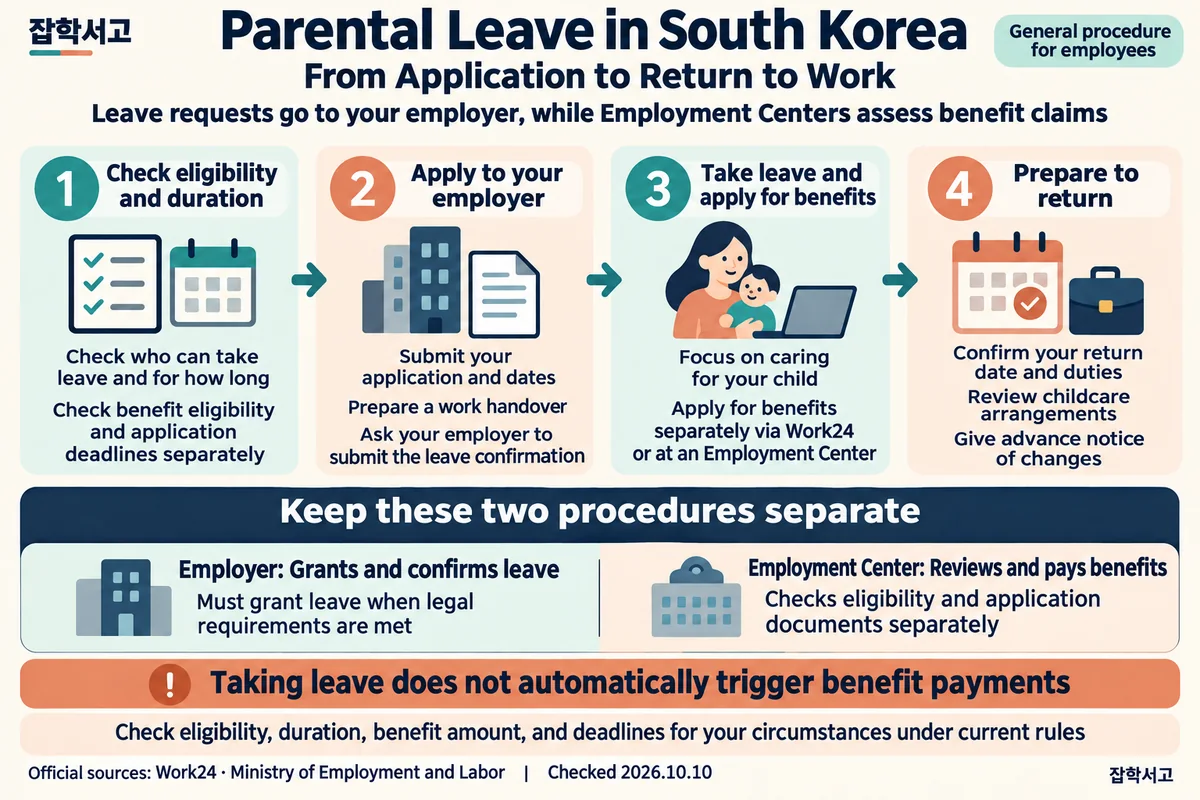
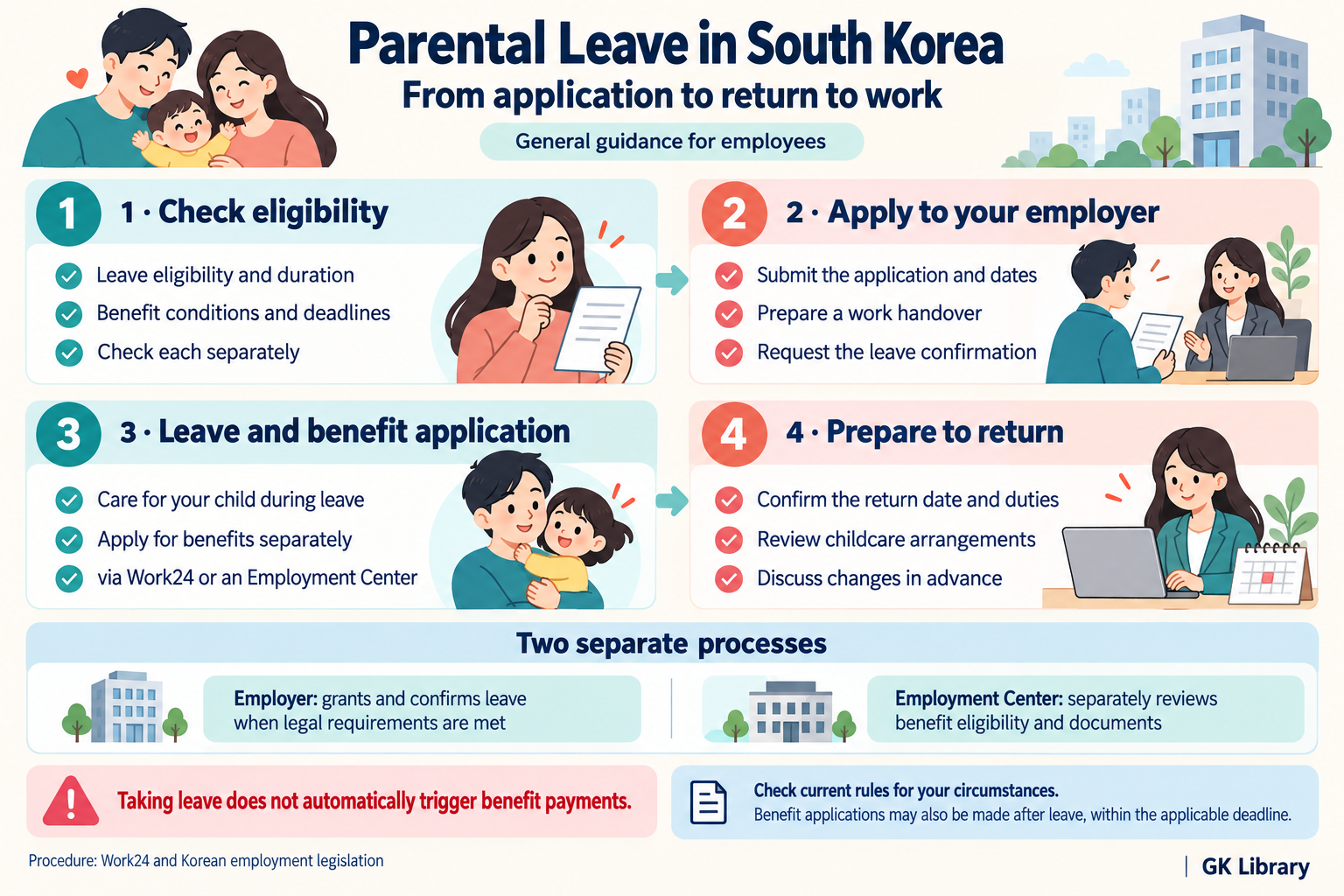
South Korea's parental leave system is an important welfare policy that ensures parents can devote themselves to raising their children, giving both parents the right to take up to 1 year of parental leave each. This system plays an important role in strengthening family stability and the bond between parents and children.
Parental Leave Duration and Benefit Eligibility
In South Korea, parents can each take up to 1 year of parental leave per 1 child. This leave can be used exclusively by one parent or shared between the parents. Parents can also take parental leave at the same time, in which case one parent can receive additional parental leave benefits for up to 3 months. This flexible system helps families plan and use parental leave according to their circumstances.
Parental Leave Benefits
Benefits provided during parental leave are paid at 80% of ordinary wages for the first 3 months and at 50% for the remaining period. However, upper and lower limits apply to the amount paid. Benefits for the initial 3 months have a monthly maximum of 150 ten-thousand-won units and a guaranteed minimum of 70 ten-thousand-won units. From month 4 onward, benefits have a monthly maximum of 120 ten-thousand-won units and a guaranteed minimum of 70 ten-thousand-won units. These benefits are an important form of support that helps parents reduce their financial burden and focus on childcare.
Support for Returning to Work After Parental Leave
Many businesses provide retraining, mentoring, and phased return-to-work programs to help employees return smoothly after parental leave. This support helps returning employees avoid career interruptions and quickly readjust to their work. In particular, the government reduces the burden on businesses by providing subsidies when employees who have taken parental leave remain employed for 6 months after returning to work.
Practical Challenges in Using Parental Leave
For the parental leave system to be used effectively, both parents and businesses must have a good understanding of its benefits and conditions. Although South Korea currently guarantees the legal right to take parental leave freely, many people are unable to make active use of it because of organizational culture or concerns about career interruptions. Addressing this requires businesses to create a culture that supports employees taking parental leave and to develop various programs that enable a smooth return to work afterward.
Institutional Improvements and Social Support
For South Korea's parental leave system to be used more effectively, the government must continue to improve the system, and businesses must cooperate actively. In particular, stronger support for employees returning from parental leave and improvements in social attitudes toward taking parental leave are essential. This can create an environment in which parents can balance childcare and working life and, in the long term, contribute to promoting the issue of low birth rates and gender equality.
South Korea's parental leave system has become an important policy tool that goes beyond a simple welfare benefit to improve the stability of families and society as a whole. Using it more effectively will require a thorough understanding of the system and the continued provision of practical support.
Practical Ways to Establish a Workplace Culture That Supports Parental Leave
 How can a culture that supports parental leave be established?
Strengthening Management Leadership and Commitment
Strong commitment and leadership from management are essential to establishing a workplace culture that supports parental leave. When management recognizes the importance of parental leave and demonstrates active support for it, employees can feel greater pride and reassurance about taking parental leave.
Operating Parental Leave Support Programs
Various support programs are needed for employees who take parental leave. Businesses should enable employees to take parental leave freely by providing financial support during leave and operating retraining or mentoring programs to help them readjust to work after returning.
Improving Attitudes Toward Taking Parental Leave
It is important to run educational programs or campaigns to spread positive attitudes toward taking parental leave. Businesses should foster the understanding that parental leave is an expected and natural right, creating an environment in which employees can take it without feeling disadvantaged.
Strengthening Welfare Provisions
Stronger welfare provisions are needed to establish a workplace culture that supports parental leave. For example, businesses should strengthen welfare provisions such as workplace childcare centers or childcare services so that employees can reduce the burden of raising their children. This can increase employee satisfaction and contribute to improved business productivity.
Cooperation with the Government
Close cooperation with the government is necessary to operate the parental leave system effectively. The government should develop policies that support parental leave and provide various forms of assistance so that businesses can implement them effectively. Cooperation between the government and businesses plays an important role in promoting balance and welfare throughout society.
Continuous Monitoring and Improvement
Establishing a culture that supports parental leave requires continuous monitoring of how the system operates and improvements based on that monitoring. By incorporating employee feedback into improvements, businesses should ensure that parental leave operates more effectively and helps maintain a balance between family and work.
The Role of Parental Leave in Social Welfare
 What is the social role of parental leave?
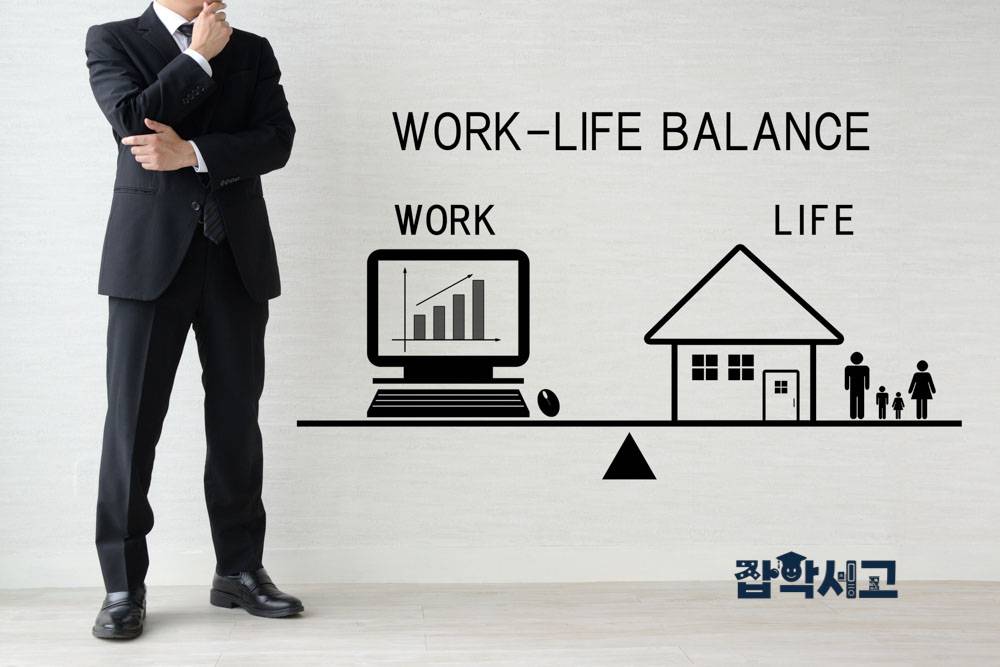
Parental leave has become an important means of promoting welfare throughout society, rather than simply a system for resolving individual or family problems. By giving parents time to devote themselves to raising their children, it has a positive effect on children's early development and contributes to stronger bonds among family members.
Strengthening Family Stability and Social Stability
By enabling parents to devote more time to their families, the parental leave system reduces conflict at home and improves family stability over the long term. This also contributes to greater stability throughout society and plays an especially important role in addressing declining birth rates.
Promoting Gender Equality and Economic Vitality
Parental leave contributes to reducing social inequality and, in particular, reduces gender-based occupational inequality by supporting women's participation in economic activity. This enables an equal division of responsibilities at home, ultimately promoting gender equality in the labor market and increasing economic vitality throughout society.
An Essential Investment in the Nation's Future
The parental leave system should be understood as an important policy tool that goes beyond resolving problems within families to promote welfare throughout society. As an essential investment in the future of individuals, families, and the nation as a whole, it is an indispensable system for long-term social and economic stability.
The parental leave system plays an important role in ensuring family stability and social balance. Improvements in organizational culture are necessary to operate it effectively. When management commitment and leadership, financial support, stronger welfare provisions, and cooperation with the government come together, the parental leave system can operate more effectively.
Furthermore, continuous monitoring and improvement are needed to establish a culture that supports parental leave. This can help balance family and work and improve productivity and stability throughout society.