Child welfare is an important field dedicated to ensuring and improving the health, education, and safety of children, who represent society's future.
This field requires cooperation among the government, private organizations, and various members of society, and supports children in growing up in a healthy, safe society with equitable opportunities.
South Korea's child welfare policies are a core part of the nation's social welfare strategy, and child welfare programs provide various services and forms of support to children and their families.
This material will explore the basic concept of child welfare, South Korea's child welfare policies, the various types of child welfare programs, and the future outlook for child welfare.
The Concept of Child Welfare
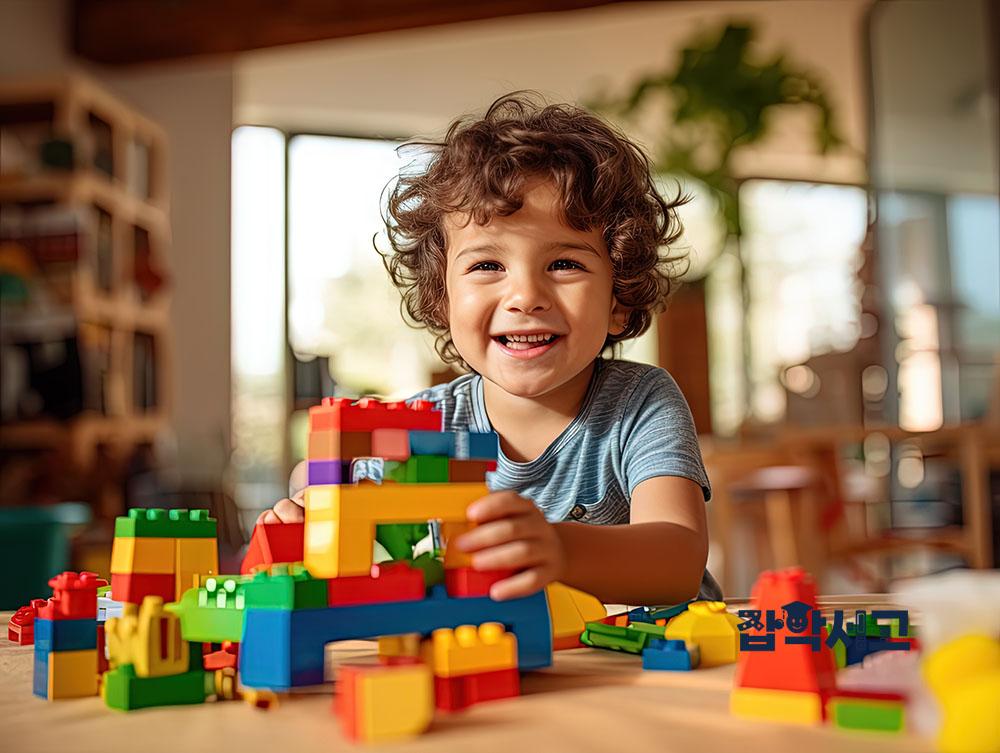 Supporting children so they can grow and learn safely.
Child welfare is a social field encompassing various services and programs designed to promote and protect children's health, safety, education, and well-being.
It aims to support children so they can grow up healthy and safe, learn, adapt to society, and succeed both personally and socially.
1. Health: Child welfare provides health checkups, vaccinations, nutrition education, and other health services to protect and improve children's health.
2. Safety: Child welfare provides an environment in which children can grow up safely. This can include preventing child abuse, providing safe housing, and offering child protection services.
3. Education: Child welfare supports children's educational opportunities and learning, and provides special education services and counseling to help children succeed at school.
4. Social Services: Child welfare also provides various social services to children and their families. These can include counseling, family support, and financial assistance.
Child welfare goes beyond meeting children's basic needs and focuses on helping them obtain the skills and resources they need for a better future.
This helps children and their families lead better lives and contributes to building a better society.
South Korea's Child Welfare Policies
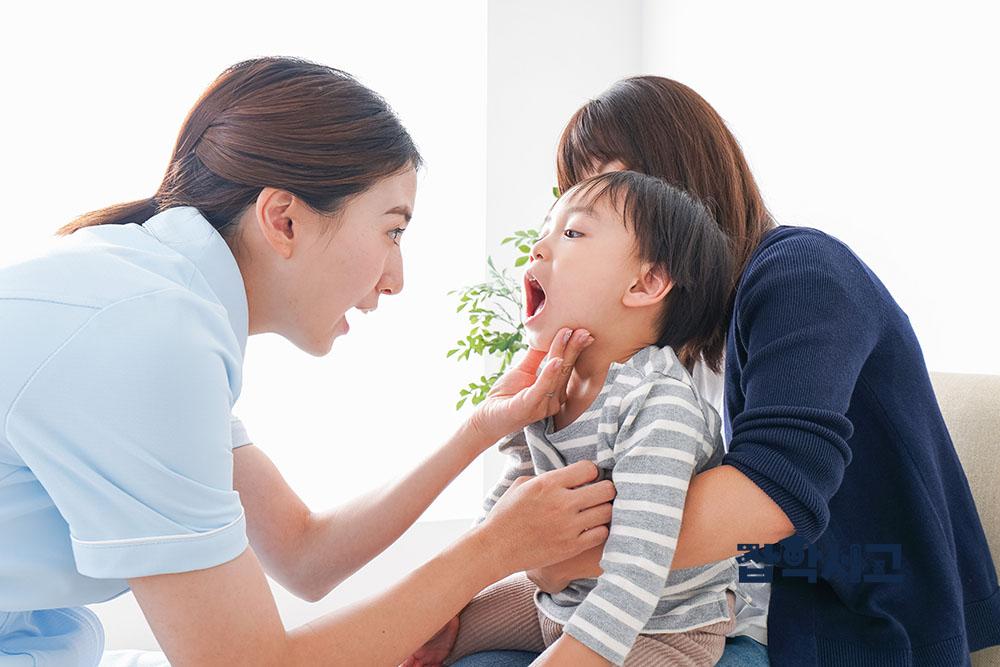 What is child welfare like in South Korea?
South Korea's child welfare policies include various systems and programs designed to protect and improve children's basic rights and well-being.
These policies aim to support children so they can grow up in a healthy and safe environment, receive an education, and realize their full potential.
The following categories summarize some of South Korea's policies.
Childcare Services
Childcare services are designed for working parents and provide children with a safe environment. For example, government-supported childcare facilities operate in South Korea, where children can learn basic daily habits and develop social skills.
Child Abuse Prevention and Response
Child abuse is recognized as a serious social problem, and the South Korean government implements various policies and programs to prevent and respond to it. For example, specialized child protection agencies receive reports of child abuse and respond to them, and provide educational programs to prevent abuse.
Special Education Services
Special education services are provided to children with special educational needs, and these services help children adapt better and succeed in the school environment. For example, services such as speech therapy and occupational therapy help children develop the skills they need for learning.
Financial Assistance
The government provides financial assistance to children in low-income households to help them meet their basic living needs and access education and healthcare. Examples include the 'First Meeting Voucher' and the 'Infant Allowance,' which will be discussed later.
Support for Children's Health and Nutrition
Children's health and nutrition are important to their growth and development, and the government supports children's health through health checkups, vaccinations, and nutrition education programs.
Types of Child Welfare Programs
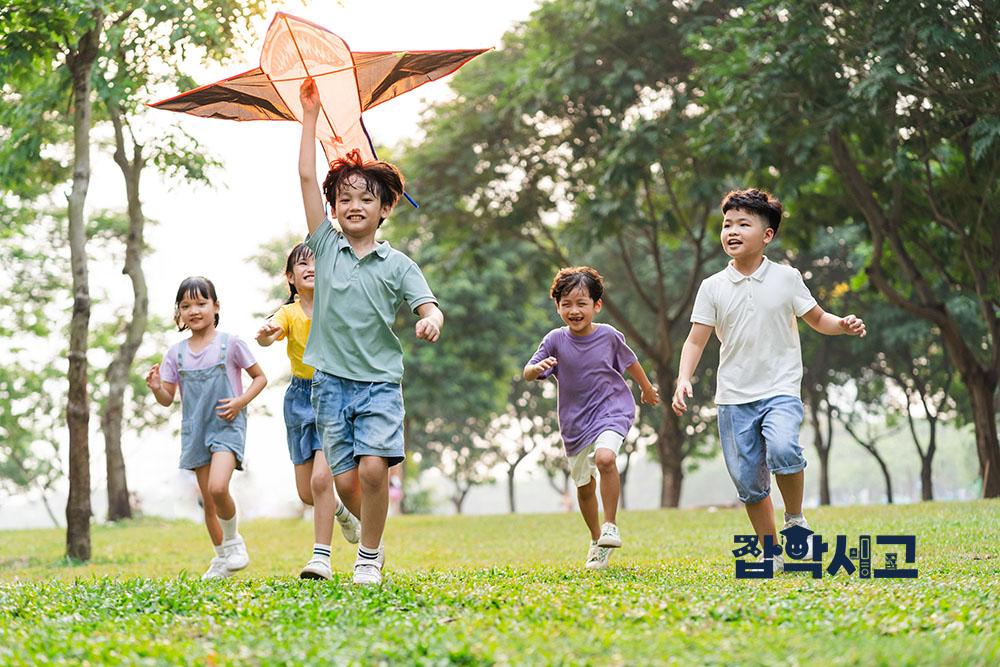 Three Categories of Child Welfare Programs Based on Their Characteristics
Child welfare programs play an important role in promoting children's well-being and protecting their basic rights. These programs take various forms depending on each child's needs and circumstances, as well as the characteristics of the groups and local communities to which they belong.
Child welfare programs can be divided into individual child welfare programs, group child welfare programs, and community child welfare programs, and each type has specific objectives and methods for positively affecting children, their families, and local communities.
Individual Child Welfare Programs
Individual child welfare programs focus on a particular child's individual needs and circumstances. These programs provide tailored services to improve the child's health, education, and social well-being.
For example, if a child has a learning disability, a program that provides a tailored educational program and individual counseling to help improve the child's learning abilities and confidence is an individual child welfare program.
Group Child Welfare Programs
Group child welfare programs provide focused services to particular groups of children, and these services can include group activities, educational programs, and various social activities.
For example, a program supporting arts and sports activities for children is a group child welfare program that helps children cooperate, interact, and develop problem-solving skills within a group.
Community Child Welfare Programs
Community child welfare programs provide services to children in a particular local community, and these programs focus on improving children's well-being by drawing on the resources and cooperation of the local community.
For example, if a local community center provides a health and nutrition education program for children, it is a community child welfare program that helps improve children's health and establish healthy eating habits.
Each type of child welfare program provides the support and services children and their families need, and contributes to helping children become healthier, safer, and better equipped with opportunities.
What Is the Outlook for Child Welfare in South Korea?
 Various policies are being introduced in recognition of issues such as the low birth rate.
In South Korea, various policies and programs to improve the well-being of children and families continue to be introduced and developed. The following summarizes the current state of child welfare in South Korea and its outlook.
A New Understanding of Child Welfare
Child welfare should be understood not simply as helping children facing problems such as poverty or abuse, but as guaranteeing and promoting the rights and well-being of all children.
To achieve this, efforts must move toward strengthening the legal, institutional, and social foundations of child welfare, respecting children's views and participation, and cooperating with various stakeholders.
For example, the Child Welfare Act specifically sets out the basic principles and goals of child welfare, rights and obligations, services and systems, and other matters.
Developing a Variety of Child Welfare Programs
Child welfare must provide appropriate services and programs according to children's stages of growth and development. It must also develop tailored services and programs that meet children's individual, family, and social characteristics and needs.
For example, the 'First Meeting Voucher' is a program that provides a lump-sum payment of 200 ten thousand won to ensure that parents and their child have time to spend together during the first 3 months after childbirth. The 'Infant Allowance' is a program that provides children aged 0–1 years with 30 ten thousand won each month in the form of childcare services (vouchers) or cash.
Applying New Methods and Functions in Child Welfare Practice
Child welfare must be implemented effectively using professional, scientific methods and functions. To achieve this, the training and education of child welfare professionals, research and evaluation, digitization and networking, and related efforts must be strengthened, and new technologies and methodologies must be introduced and used.
For example, 'Support for the Cost of Comprehensive Developmental Disability Assessments for Infants and Young Children' is a program that covers the cost of comprehensive assessments for infants and young children suspected of having developmental disabilities, and seeks to prevent and improve developmental disabilities through early diagnosis and treatment.
Efforts are also underway to improve the efficiency and quality of child welfare services using technologies such as artificial intelligence (AI) and big data.
Harmonious Development of the Public and Private Sectors
Child welfare must develop while the public and private sectors maintain a complementary and cooperative relationship.
To achieve this, the public sector must efficiently allocate and manage resources such as laws and systems, funding and personnel, while the private sector must develop and operate creative and diverse services and programs. Both sides must also recognize and respect each other's roles and responsibilities, and share and pursue common goals and a common vision.
For example, while the child allowance is a universal service paid to all children by the public sector, the private sector can help promote child welfare by providing additional services and programs to families receiving the allowance.
We have explored the importance of child welfare, South Korea's child welfare policies, and the various forms and prospects of child welfare programs. Child welfare is an essential field for laying the foundations of our society and nurturing future generations.
Through continuous improvement and innovation, South Korea's child welfare policies and programs will provide better services to children and their families and help create a society that protects and respects children's rights.
The future of child welfare depends on continued investment and attention from the state and society, and on the development of various programs and policies to support children and families.