When is a trip most enjoyable? Once we set off, long drives and airport queues wear us out, yet strangely, the night spent choosing a place to stay before departure or the evening spent flipping through photos after coming home often remains as the happier memory. There is a theory that sees travel not as the few days spent at the destination but as one long flow stretching before and after it: “Clawson's Five-Phase Model.”
Simply put, Clawson's Five-Phase Model means that ‘a travel or leisure experience consists of five phases: anticipation, travel to, on-site experience, travel back, and recollection.’ It was proposed by American economists Marion Clawson and Jack L. Knetsch in their 1966 book Economics of Outdoor Recreation, and it is still widely taught in introductory tourism and leisure studies courses.
In this article, we will look in turn at the background of the model, the meaning of each of the five phases, the research that revealed the power of anticipation and recollection, and finally how it is used in the tourism industry and where its limits lie.
Travel does not happen only at the destination
1. Why economists split a trip into five pieces
Clawson and Knetsch's book was published as a study by the American research institute Resources for the Future. To work out how much value people place on natural resources such as national parks and lakes, they first had to organize what people actually gain from those experiences.
(1) The illusion of counting only the day on site
If we only look at the time between entering and leaving a park, we miss the time and money people spend before leaving home and the satisfaction that lingers long after they return. The two economists argued that the whole leisure experience should be seen as a single package.
(2) Satisfaction and dissatisfaction in every phase
They explained that people gain satisfaction or dissatisfaction separately in each phase. There is the pleasure of planning, but also the irritation of traffic jams, and all of these add to or subtract from the value of the trip.
(3) A curve that rises, dips, and rises again
As long as nothing goes seriously wrong with the services, they suggested that satisfaction rises from the anticipation phase through the on-site experience, drops for a while on the way back, and recovers in the recollection phase. This picture has become a representative model for understanding leisure experiences as a flow over time.
2. From anticipation to recollection: the five phases at a glance

The five phases follow one another in time, and the experience of one phase affects the mood of the next. The names are simple, but what people do and feel differs quite a lot from phase to phase.
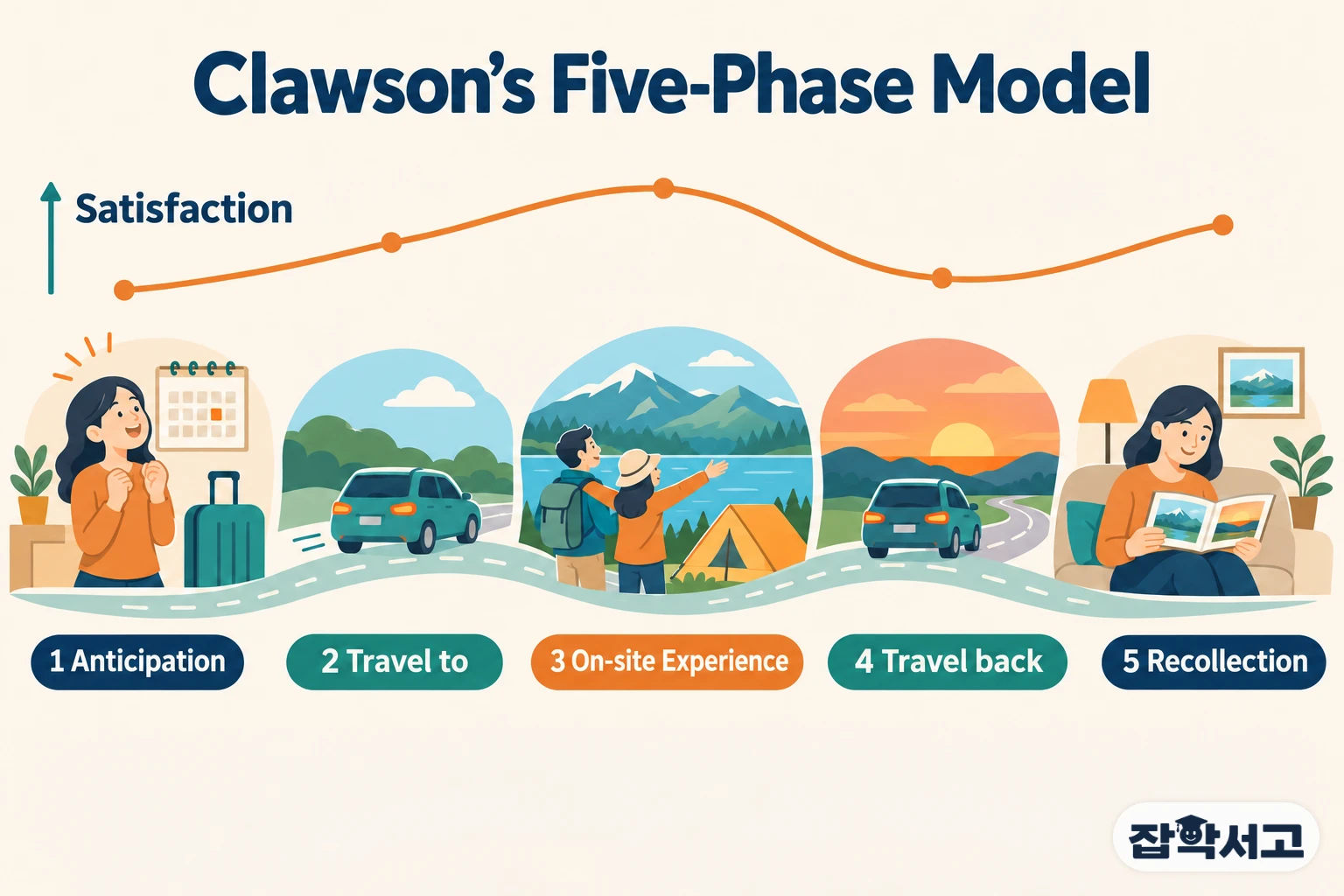
- Anticipation: The phase of choosing a destination, planning the schedule, and waiting for the day of departure, when searching for information and imagining the trip bring great pleasure.
- Travel to: The phase of moving from home to the destination, bringing excitement but also inconveniences such as traffic jams and waiting times.
- On-site Experience: The phase of actually seeing, eating, and enjoying things at the destination, the part we usually call ‘the trip.’
- Travel Back: The phase of returning home, when fatigue and regret easily lower satisfaction.
- Recollection: The phase of looking at photos and sharing stories to relive the experience, as memories are reorganized and last a long time.
Seen this way, the on-site experience is just one of the five phases. Even a short weekend trip becomes a much longer experience once you add the weeks of planning and the years it lives on as a story.
3. Why anticipation and recollection feel better than the trip itself
The power of anticipation and recollection described by the model was later confirmed in a similar way by psychological research. People tended to rate a trip more highly before and after it than while they were actually there.
(1) Rosy expectations and rosy memories
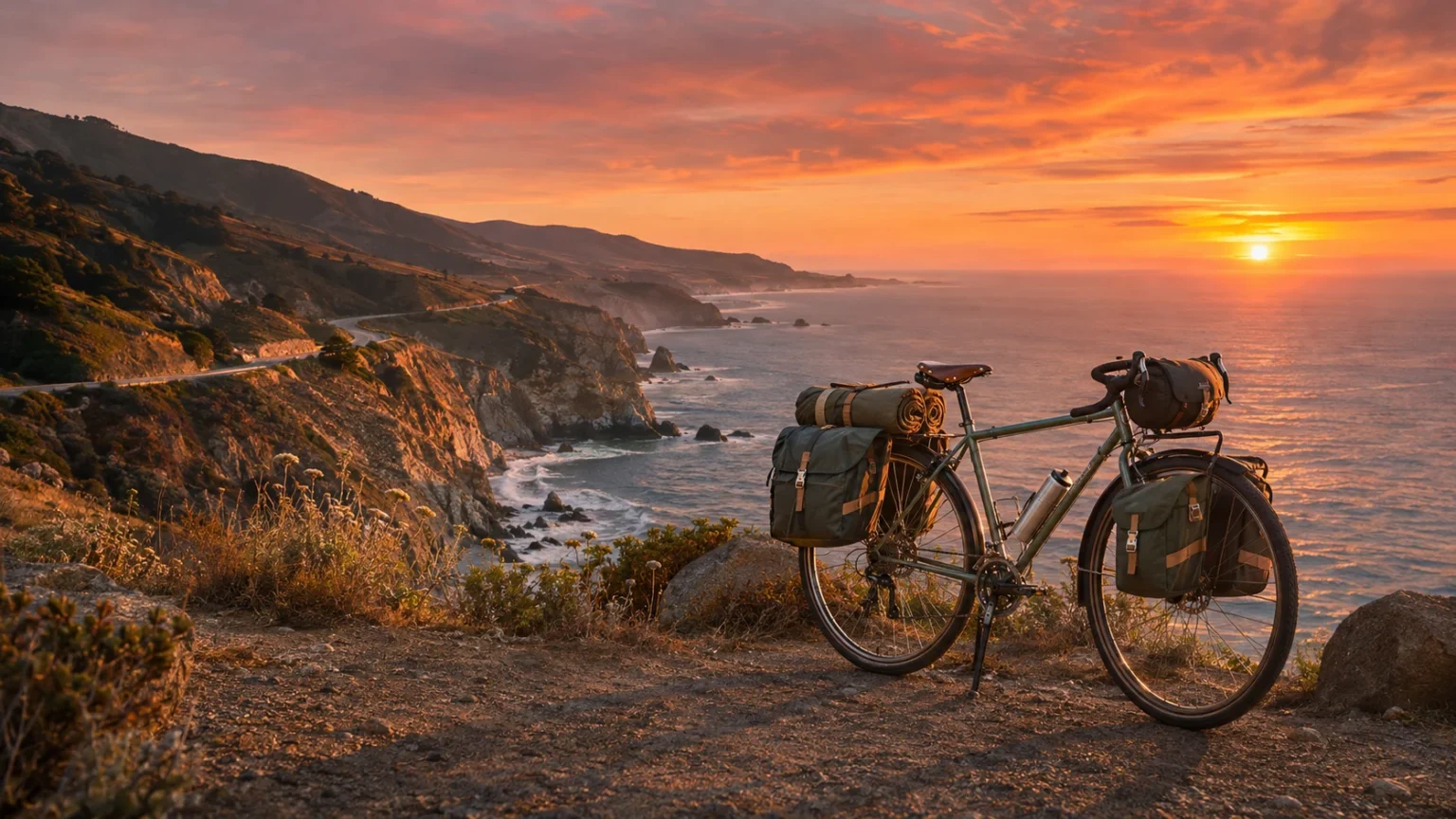
In 1997, Terence Mitchell, Leigh Thompson, and colleagues published in the Journal of Experimental Social Psychology the results of studying people who took a trip to Europe, a Thanksgiving vacation, and a three-week bicycle trip in California. Both people's expectations and their later memories were more positive than the actual experience, and the researchers called this the ‘Rosy View.’
(2) Happier before leaving
A research team led by Jeroen Nawijn in the Netherlands surveyed 1,530 adults and published the results in 2010. The 974 among them who took a vacation were happier before leaving than people who were not going on vacation, which the researchers attributed to looking forward to the holiday. After the trip, however, there was no difference in happiness between the two groups; only when the vacation had been very relaxing did happiness rise slightly, standing out for the first two weeks and disappearing after eight weeks.
(3) Irritation on site fades quickly
Mitchell's team reported that negative thoughts increase during a trip because of distractions and disappointment, but that these effects fade within a few days. This matches Clawson's picture, in which satisfaction rises again in the recollection phase once the fatigue of the journey home has passed.
4. How the tourism industry uses it, and the model's limits
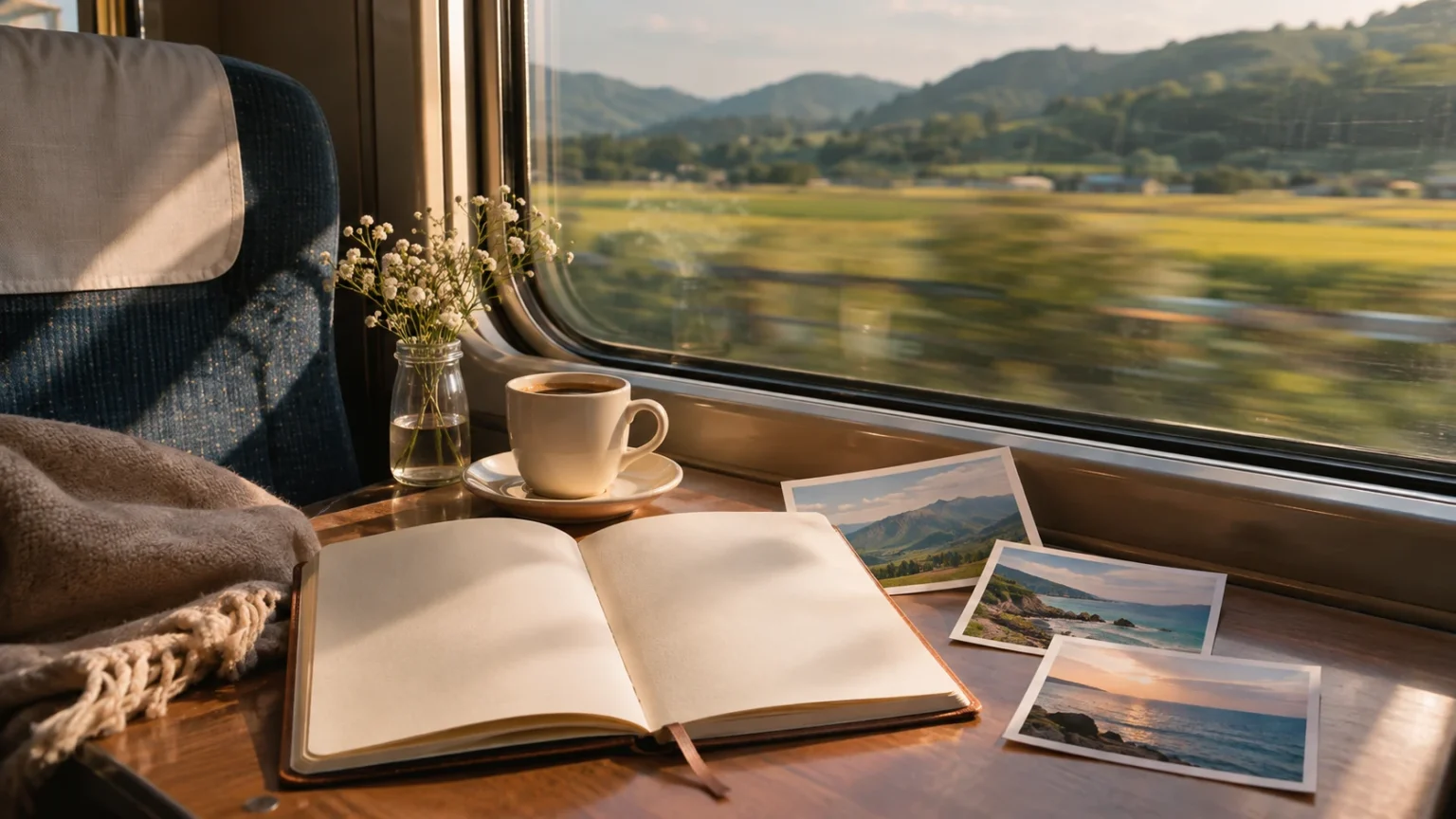
The tourism industry uses this model as a map for looking at a customer's entire journey. Good on-site service is not enough; it also has to consider what customers go through in the phases before and after.
(1) Designing the time before departure and after return
Travel agencies and destinations prepare information on attractions and preview videos for the anticipation phase, and photo spots, souvenirs, and post-trip information for the recollection phase. Building up anticipation and holding on to memories makes it easier to lead to repeat visits and word of mouth.
(2) The journey is part of the experience
The trip there and back is often treated as wasted time, but in this model it is a phase in its own right that can add to or take away from satisfaction. Efforts to turn travel itself into enjoyment, such as scenic tourist trains and coastal roads, target this phase. A 2010 chapter on the tourist experience by Cutler and Carmichael also used the same five phases as its framework.
(3) The limits of simplicity
In a 2001 paper, researchers William Borrie and Joseph Roggenbuck pointed out that although this model is widely taught, it has rarely been tested in practice and cannot capture the emotional changes that occur within a single phase. They argued that the on-site experience of wilderness visitors itself consists of several stages that change over time.
The simple idea that a trip begins not when you leave home but when you start dreaming of it—that is the first step toward understanding Clawson's Five-Phase Model.