Cultural tourism interpreters play an important role in helping people understand and enjoy tourist destinations and cultural heritage more deeply.
By providing visitors with extensive knowledge and memorable experiences, they enhance the value of tourist destinations and contribute to sustainable tourism.
To become a cultural tourism interpreter, it is essential to acquire a broad range of tourism interpretation knowledge.
This material covers the key knowledge that cultural tourism interpreters need and explores how to use it to provide better interpretation services.
What Is a Cultural Tourism Interpreter?
 What Is a Cultural Tourism Interpreter?
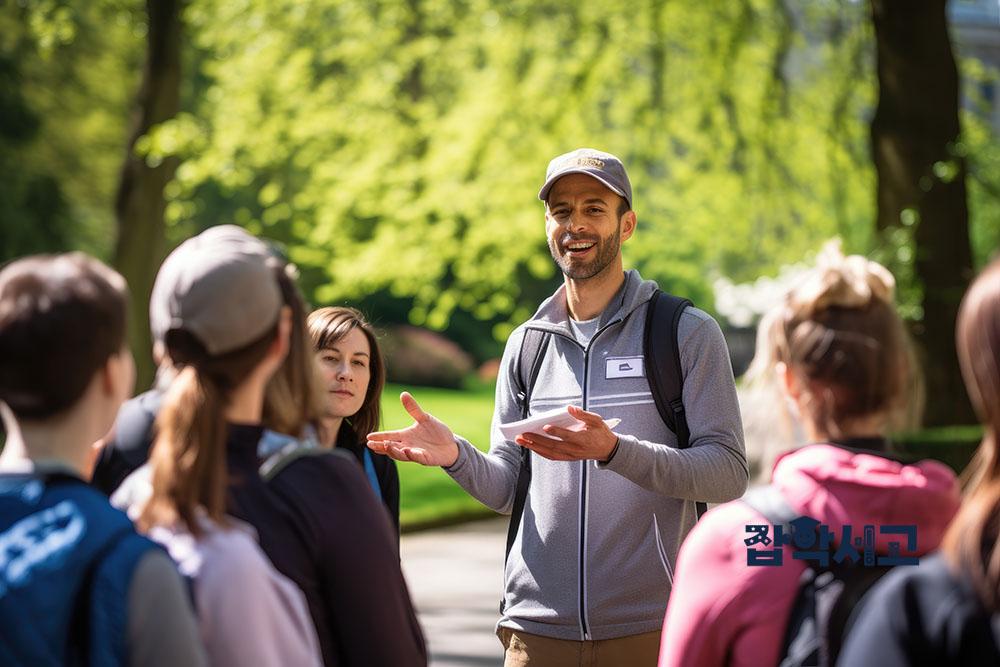
Cultural tourism interpreters are professionals who provide information to people visiting various tourism resources, such as tourist destinations, cultural heritage sites, and natural landscapes, and enrich their experiences.
They go beyond simply conveying information, using stories and interpretation to help tourists deeply understand and appreciate a place's history and culture. Cultural tourism interpreters have the following roles and responsibilities.
1. Information Provider: Cultural tourism interpreters must provide visitors with clear and accurate information. To do so, they thoroughly research relevant materials and continually update their information.
2. Storyteller: Going beyond simply conveying information, they vividly share interesting stories and legends associated with tourist destinations and cultural heritage. This helps tourists have deeper experiences.
3. Cultural Ambassador: They promote local culture and traditions and contribute to their preservation. They encourage tourists to understand and respect local culture and emphasize the importance of cultural heritage.
4. Educator: They also play an important educational role. Particularly when working with groups of students or children, they convey educational content in an easily understandable way and support learning.
5. Guide and Navigator: They help tourists reach their destinations easily and guide them through the features and main points of the places they visit.
Through these various roles, cultural tourism interpreters provide tourists with unforgettable experiences and positively influence local communities and the tourism industry.
Becoming a cultural tourism interpreter requires extensive knowledge, communication skills, creativity, and the ability to interact with people.
Types and Characteristics of Interpretation Methods
 What Are the Different Types of Tourism Interpretation Methods?
Various interpretation methods are used to deliver cultural tourism interpretation more effectively. These methods can be applied to different situations and audiences and can support tourists' understanding and participation. The main interpretation methods and their characteristics are as follows.
1. Oral Interpretation (Verbal Interpretation)
This is the most traditional form, in which an interpreter explains things directly to tourists orally. Through direct interaction, interpreters can immediately observe tourists' reactions and adjust the content accordingly.
Advantages
- Questions can be received and answered in real time, encouraging active interaction.
- Interpretation can be delivered flexibly according to tourists' interests.
- Information can be conveyed vividly with emotion and enthusiasm.
Disadvantages
- The quality of the information conveyed may vary depending on the interpreter's abilities.
- It may be ineffective for large groups.
- Information cannot be provided when an interpreter is unavailable.
2. Nonverbal Interpretation (Non-verbal Interpretation)
This method conveys information through text or images, such as visual materials, panels, signs, and brochures. It plays an important role in introducing resources.
Advantages
- Information can be provided to many people simultaneously.
- It is useful even when an interpreter is absent.
- Information remains continuously available, allowing tourists to consult it whenever they need it.
Disadvantages
- Limited interaction makes it difficult to answer tourists' specific questions.
- Incorrect information in visual materials may remain for a long time.
- There are limits to the depth of interpretation and the amount of detailed information that can be conveyed.
3. Experience-Based Interpretation (Experiential Interpretation)
This method helps tourists understand resources through programs that allow them to experience and participate directly. Examples include hands-on cultural heritage restoration, making traditional food, and nature exploration activities.
Advantages
- Direct experience can help people understand resources more deeply and remember them longer.
- Participatory activities provide both enjoyment and educational benefits.
- Using various senses can increase immersion.
Disadvantages
- Planning and running experiential programs may require considerable resources and time.
- The number of participants may be limited.
- Programs may be affected by variables such as safety issues or weather conditions.
4. Digital Interpretation (Digital Interpretation)
This method provides information through digital devices using QR codes, mobile apps, augmented reality (AR), virtual reality (VR), and other technologies.
Advantages
- The latest technology can be used to provide engaging, interactive information.
- Information can be provided in various languages, making it useful for foreign tourists as well.
- It is convenient because it can be accessed anytime and anywhere.
Disadvantages
- Accessibility may be limited by technical problems or tourists' ability to use digital devices.
- Initial setup costs may be high.
- Digital interpretation may have limitations in conveying human emotional connection or a sense of being on site.
5. Group Interpretation (Group Interpretation)
This is interpretation for specific groups, providing information through educational programs, workshops, seminars, and similar formats.
Advantages
- It is effective in achieving educational objectives.
- It can encourage discussion and interaction between groups.
- It can provide specialized, in-depth information.
Disadvantages
- Advance planning and preparation are required.
- It may be difficult to address the interests of every group member.
- Management and delivery may be difficult depending on the size of the group.
These various interpretation methods are used to meet tourists' diverse needs and interests based on their respective characteristics and advantages.
Cultural tourism interpreters can use these methods appropriately to provide more effective and meaningful interpretation.
Appropriate use of each interpretation method greatly helps increase tourist satisfaction and deepen their understanding of the value of resources.
Characteristics of Interpretation Audiences (Tourists)
 Interpretation Must Be Tailored to the Audience (Tourists).
Understanding tourists' characteristics is very important for providing effective interpretation. To meet tourists' diverse needs and expectations, interpreters must have a good understanding of their characteristics. The characteristics of the main interpretation audiences are as follows:
1. Characteristics by Age Group
Children
- Characteristics: They have short attention spans and prefer visual and experiential activities.
- Interpretation tips: Spark interest through storytelling and experiential activities. Include visual materials and interactive elements.
Adolescents
- Characteristics: They are curious and prefer in-depth information and logical explanations.
- Interpretation tips: Provide detailed explanations that include scientific facts and historical background, and encourage discussion. Choose interpretation topics that reflect adolescents' interests.
Adults
- Characteristics: They have varied background knowledge and interests and prefer in-depth information and analysis.
- Interpretation tips: Emphasize providing specialized, detailed information and interacting through questions and discussion. Structure interpretation to connect with personal experiences.
Older Adults
- Characteristics: They have extensive experience and knowledge and prefer comfortable, slowly paced interpretation.
- Interpretation tips: Provide programs that use easily understandable language, proceed at a slow pace, and include breaks. Create a sense of connection through stories related to past experiences.
2. Nationality and Cultural Background
Domestic Tourists
- Characteristics: They have relatively extensive background knowledge of their own country's history and culture.
- Interpretation tips: Build a sense of connection through familiar examples and stories, and provide more advanced information. Include details related to regional characteristics.
Foreign Tourists
- Characteristics: Language barriers and cultural differences may make understanding difficult.
- Interpretation tips: Use simple, clear language and provide visual materials and translated information. Prepare explanations that take cultural differences into account and interpretation in various languages.
3. Characteristics by Tourism Purpose
Learning
- Characteristics: They have educational objectives and prefer in-depth information and learning materials.
- Interpretation tips: Provide materials connected to educational content and offer interpretation in the form of workshops or seminars. Clarify learning objectives and structure interpretation accordingly.
Leisure
- Characteristics: They seek relaxation and enjoyment and prefer light information and interesting experiences.
- Interpretation tips: Offer interpretation that includes entertaining stories and experiential activities, and provide brief, concise information. Create a comfortable and enjoyable atmosphere.
Research
- Characteristics: They need in-depth information on a specific topic or field.
- Interpretation tips: Provide specialized, detailed information and prepare interpretation connected to research materials. Interviews with experts or in-depth discussions may be included.
4. Characteristics by Travel Format
Independent Tourists
- Characteristics: They prefer free and flexible itineraries and want information tailored to their personal interests.
- Interpretation tips: Provide personalized interpretation and materials that support independent exploration. Respond flexibly to individual questions and interests.
Group Tourists
- Characteristics: They have fixed itineraries and value group activities and interaction.
- Interpretation tips: Organize activities and itineraries in which the entire group can participate, and provide programs that promote teamwork and cooperation. Deliver interpretation efficiently by working with the group leader.
As shown above, it is important to understand the diverse characteristics of interpretation audiences and provide interpretation that reflects them.
Interpreters should use flexible and creative approaches to meet tourists' needs and expectations. This can increase tourist satisfaction and further enrich their experiences.
Types and Characteristics of Resource Interpretation
 Interpretation Methods Also Differ According to the Resource.
Resource interpretation plays an important role in improving understanding of various tourism resources and providing visitors with enriching experiences. The types of resource interpretation and their characteristics are as follows.
1. Natural Resource Interpretation
Natural resource interpretation covers the natural environment, ecosystems, geological formations, and related topics. It helps visitors deeply understand the beauty and value of nature.
Characteristics
- Ecosystems: Covers ecological elements such as the plants, animals, climate, and terrain of a particular region.
- Landscapes: Explains the formation and changes of natural landscapes such as mountains, rivers, coastlines, and lakes.
- Conservation value: Emphasizes the importance of natural resources and the need to conserve them.
Interpretation Tips
- Emphasizing natural diversity: Explain nature's various ecological elements and their importance to help visitors understand why nature should be protected.
- Scientific explanations: Explain the scientific principles of natural phenomena and interactions within ecosystems in an easily understandable way.
- Experiential activities: Include activities in which visitors can participate directly, such as nature exploration and ecological observation, to encourage lively learning.
2. Historical Resource Interpretation
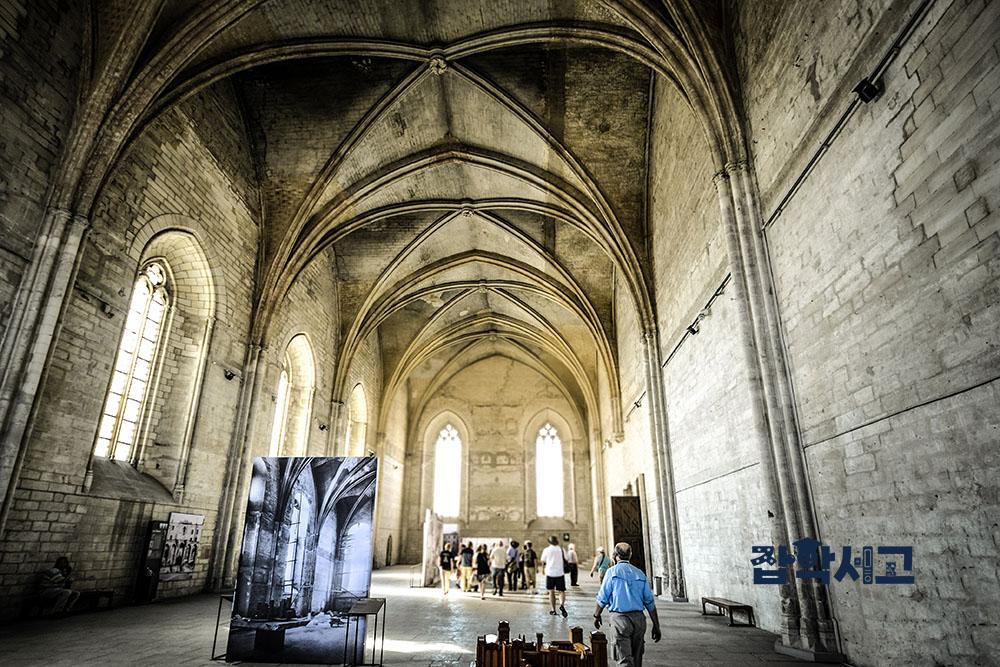
Historical resource interpretation centers on historic sites, buildings, artifacts, and similar resources. It enables visitors to gain a deeper understanding of historical events, figures, and life at the time.
Characteristics
- Historic sites: Covers historical events and places such as ancient ruins, battlefields, and fortifications.
- Buildings: Explains the history and architectural styles of old buildings, temples, palaces, and similar structures.
- Artifacts: Interprets the historical significance of museum exhibits and archaeological discoveries.
Interpretation Tips
- Explaining historical background: Explain the historical background of resources and their importance in a way that visitors can easily understand.
- Vivid delivery: Vividly convey the lifestyles and culture of the period to spark visitors' interest.
- Storytelling: Attract visitors' attention and enhance their sense of being there through interesting stories centered on historical figures and events.
3. Cultural Resource Interpretation
Cultural resource interpretation covers traditional arts, festivals, food culture, and related topics. It enables visitors to understand and experience a region's distinctive cultural characteristics.
Characteristics
- Traditional arts: Covers artistic expressions unique to the region, such as music, dance, and crafts.
- Festivals and events: Explains local festivals and their origins, as well as the meaning of traditional events.
- Food culture: Introduces the history and preparation methods of local specialties and traditional foods.
Interpretation Tips
- Providing cultural experiences: Offer visitors opportunities to experience local culture directly.
- Harmony between tradition and modernity: Explain traditional culture and modern changes, help visitors understand their harmony, and emphasize cultural diversity.
- Participatory activities: Provide tangible cultural experiences through activities in which visitors can participate directly, such as cooking demonstrations or craft activities.
4. Industrial Resource Interpretation
Industrial resource interpretation covers traditional industries, modern industries, and their economic importance. It enables visitors to understand the history and present state of industries, as well as their economic impact.
Characteristics
- Traditional industries: Covers local traditional industries such as ceramics, weaving, and agriculture.
- Modern industries: Explains major modern industries such as manufacturing and technology industries.
- Economic importance: Emphasizes their impact on the local economy and their development.
Interpretation Tips
- Explaining industrial history: Explain the history of traditional industries and modern changes to help visitors understand how industries have developed.
- Site visits: Visit industrial sites directly to support practical understanding. Allow visitors to see manufacturing or work processes firsthand.
- Economic importance: Explain the interaction between the local economy and industrial development and help visitors understand its importance.
5. Social Resource Interpretation
Social resource interpretation covers local communities, social structures, and social changes. It enables visitors to understand the characteristics of local society and how it changes.
Characteristics
- Local communities: Covers local residents' lifestyles, traditions, and social roles.
- Social changes: Explains changes in social structures over time and their effects.
- Contemporary social issues: Covers the problems currently facing local society and efforts to solve them.
Interpretation Tips
- Explaining social characteristics: Explain the characteristics and changes of local society and raise awareness of social problems.
- Emphasizing community activities: Emphasize local community activities and social participation to encourage visitors to participate as members of local society.
- Contemporary issues and solutions: Explain contemporary social problems and introduce the local community's efforts to solve them. Suggest ways visitors can contribute.
As shown above, resource interpretation is a process of conveying the characteristics and importance of various resources to visitors.
Interpreters can enrich tourists' experiences by understanding each resource's unique characteristics and conveying them in an interesting and easily understandable way.
Interpretation tailored to each resource's characteristics attracts visitors' interest and encourages a deep understanding of and respect for the resource.
Planning and Evaluating Tourism Interpretation Programs
 Planning and Evaluating Tourism Interpretation Programs
Planning and evaluating tourism interpretation programs are essential for providing visitors with the best possible experience and continuously improving the quality of interpretation. The following are the main steps and methods for planning and evaluating effective tourism interpretation programs.
Program Planning
1. Setting Objectives
- Establishing clear objectives: Clearly define the program's purpose. Examples include educational objectives, cultural promotion, and nature conservation.
- Analyzing target tourists: Set objectives while considering visitors' ages, nationalities, interests, and other characteristics.
2. Content Development
- Selecting a theme: Select the theme that will be the focus of interpretation. The theme should suit the characteristics of the resource and visitors' interests.
- Collecting information: Collect accurate and extensive information related to the theme. Use academic materials, field research, expert interviews, and other sources.
- Using storytelling techniques: Structure content as interesting, memorable stories rather than simply conveying information.
3. Selecting Interpretation Methods
- Oral interpretation: A method in which an interpreter explains things directly, allowing interaction in real time.
- Nonverbal interpretation: A method that provides information visually through panels, signs, brochures, and similar materials.
- Experiential interpretation: Includes activities in which visitors can participate and gain firsthand experience.
- Digital interpretation: A method of providing information through digital devices using mobile apps, QR codes, AR/VR, and other technologies.
4. Program Structure
- Planning the schedule and route: Plan the interpretation program's schedule and travel route in detail. These should be designed with visitors' convenience and safety in mind.
- Including activities and experiential elements: In addition to interpretation, include experiential activities or practical exercises in which visitors can participate.
- Preparing equipment and materials: Prepare the equipment, such as microphones and speakers, and materials, such as brochures and maps, needed for interpretation.
Program Evaluation
1. Establishing Evaluation Methods
- Qualitative evaluation: Collect visitors' satisfaction levels and opinions through interviews, surveys, focus groups, and similar methods.
- Quantitative evaluation: Collect and analyze numerical data through questionnaires, evaluation forms, and similar tools.
2. Collecting Feedback
- Real-time feedback: Observe visitors' reactions in real time during the interpretation program and respond immediately when necessary.
- Post-program feedback: Distribute questionnaires to visitors after the program ends or request feedback by email.
3. Data Analysis
- Statistical analysis: Analyze the collected data to identify the program's strengths and areas for improvement. Evaluate satisfaction, participation rates, understanding, and other factors.
- Qualitative analysis: Analyze open-ended responses from interviews and surveys to understand visitors' experiences and emotions.
4. Applying Results and Making Improvements
- Developing an improvement plan: Create a specific plan to address the program's problems based on the evaluation results.
- Revising the program: Improve the program's quality by revising interpretation content, methods, schedules, and other elements as needed.
- Continually incorporating feedback: Collect evaluations and feedback regularly to improve the program continuously.
Case Studies and Benchmarking
1. Analyzing Successful Cases
- Analyzing similar programs: Analyze other successful tourism interpretation programs to identify elements to benchmark.
- Site visits and firsthand experience: Experience interpretation programs in other regions or institutions firsthand and learn how they operate.
2. Expert Consultation
- Working with experts: Seek advice from experts in relevant fields during the planning and evaluation of interpretation programs.
- Participating in training and workshops: Interpreters and planners participate in training and workshops to learn the latest trends and techniques.
Through systematic planning and evaluation processes like these, the quality of tourism interpretation programs can be improved, and visitors can be provided with more satisfying experiences. Tourism interpretation programs can develop further through continuous improvement and innovation.
Becoming a cultural tourism interpreter requires extensive knowledge, an understanding of the characteristics of interpretation audiences, and the ability to use various interpretation techniques.
By planning and evaluating interpretation programs based on these abilities, interpreters can provide visitors with unforgettable experiences.
We hope you will develop your expertise as a cultural tourism interpreter based on the knowledge and methods introduced in this material.
With a deep affection for and understanding of tourist destinations and cultural heritage, you can become an excellent cultural tourism interpreter who helps more people appreciate and enjoy their value.