In cinematography, lighting is one of the core elements, playing an important role in determining the quality and atmosphere of the imagery. Lighting can convey emotions and stories, direct the audience's gaze, and emphasize the details of a scene.
This article will explore in depth the role lighting plays in cinematography and how advances in lighting technology affect image quality. It will also examine the importance of lighting through various techniques and examples from actual film productions, along with key considerations for achieving optimal lighting setups.
The Role of Lighting in Cinematography: Basic Concepts and Principles
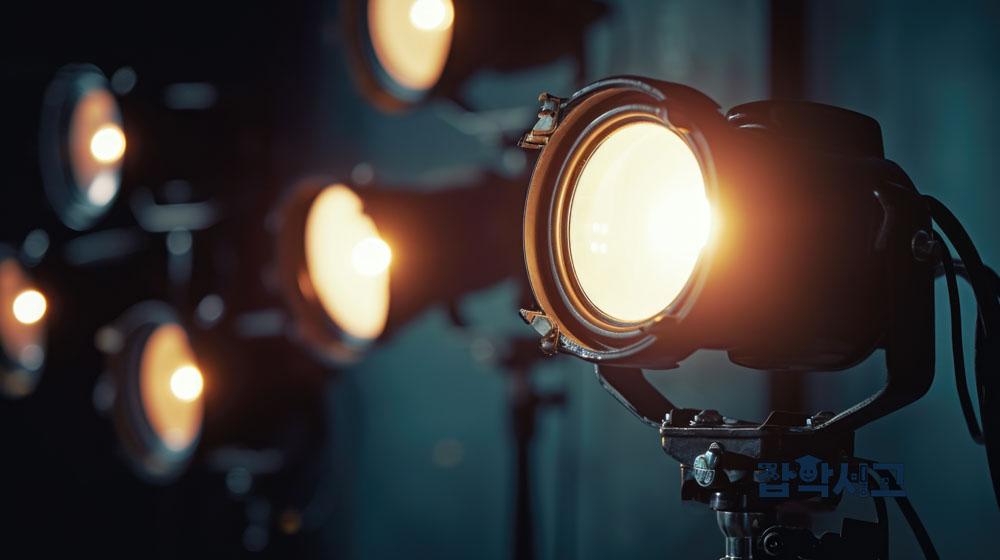 What are the basic concepts and roles of lighting?
The Importance of Lighting
In cinematography, lighting does more than illuminate a subject; it is an important tool for shaping a scene's atmosphere and emotions and conveying a story. Footage shot without lighting can look flat and monotonous. Controlling light and shadow through lighting can give the image depth and texture.
Emphasizing the Subject
One of the basic roles of lighting is to emphasize the subject. Various lighting techniques, such as key lighting, fill lighting, and backlighting, can clearly reveal the subject and guide the viewer's gaze. For example, a key light can be used to highlight a particular person or object.
Creating Atmosphere
Lighting is an important element in determining a scene's atmosphere. Warm lighting can create a warm, cozy atmosphere, while cool lighting can create a cold, tense atmosphere. Various emotions can be expressed by adjusting the color temperature and lighting angle.
The Role of Lighting in Storytelling
Lighting also plays a major role in storytelling. For example, shadows can be used to create a mysterious atmosphere, or strong backlighting can produce a dramatic effect. Lighting is an essential element in maximizing the emotional impact of particular scenes in films and television dramas.
Controlling the Direction and Intensity of Light
One of the principles of lighting is controlling the direction and intensity of light. The direction of light can change how a subject appears, while its intensity can control a scene's brightness and contrast ratio. This makes it possible to create more vivid and realistic scenes.
Expressing Texture
Finally, lighting also plays an important role in expressing texture in the imagery. Using light to emphasize surface textures and details allows viewers to experience more immersive imagery. Understanding these basic concepts and principles is the first step toward a successful lighting setup when filming.
The Impact of Advances in Lighting Technology on Image Quality
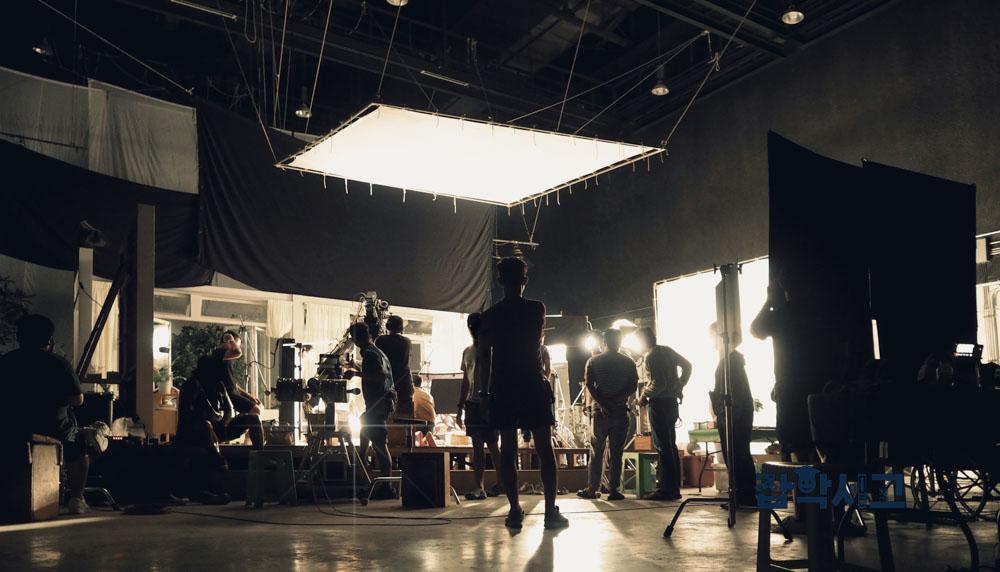 What impact does lighting technology have?
Changes in Image Quality
Advances in lighting technology have brought major changes to image quality. Whereas productions once relied on natural light or limited artificial lighting, a variety of modern lighting equipment and techniques now makes more sophisticated and detailed lighting setups possible. This has contributed greatly to improvements in overall image quality.
Combining Lighting with High-Resolution Cameras
Lighting technology has taken on an even more important role when combined with high-resolution cameras. Because even small details are clearly visible in high-resolution footage, fine adjustments to lighting are essential. Carefully adjusting lighting angles, intensity, color temperature, and other factors makes it possible to shoot higher-quality footage.
Innovation in LED Lighting
The introduction of LED lighting brought another innovation to lighting technology. LED lights are popular with filmmakers because they are highly energy-efficient, allow easy color temperature adjustments, and can produce a variety of colors. These advances in lighting have greatly increased flexibility on set.
Integration with Digital Technology
Advances in digital technology have also had a major impact on lighting technology. Lighting software makes it possible to simulate lighting designs in advance, and lighting can also be adjusted through digital post-production after filming. This has laid the groundwork for producing high-quality footage while saving time and money.
Wireless Lighting Control Systems
The introduction of wireless lighting control systems has made more precise lighting setups possible. Lighting intensity and color can be adjusted in real time on set, allowing quick responses to changing circumstances. This offers significant advantages, especially in live filming and documentary production.
Possibilities for Creative Expression
Finally, advances in lighting technology have opened up possibilities for creative expression. In addition to traditional lighting techniques, new lighting equipment and technologies now make it possible to create a variety of visual effects. This enables visual innovation in films and television dramas and gives viewers a richer viewing experience.
Advances in lighting technology have brought innovation to every aspect of video production. Various technologies, including high-resolution cameras, LED lighting, digital technology, and wireless control systems, have come together to improve image quality, increase production efficiency, and enable creative expression. Through these advances, viewers can experience more immersive and vivid imagery.
Analysis of Various Lighting Techniques and Examples from Film Productions
 What is the three-point lighting system?
Basic Lighting Techniques
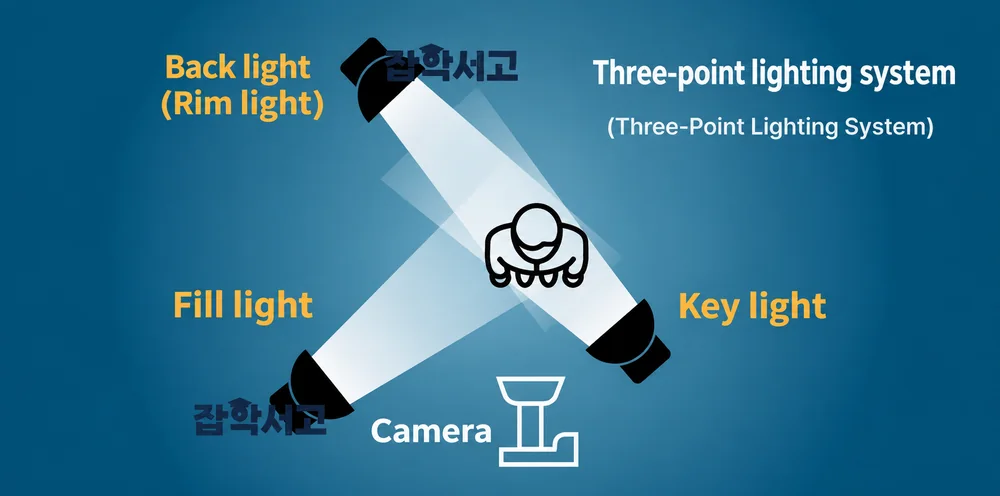
There are many different lighting techniques in filmmaking, and each is used to create particular effects and atmospheres. A representative technique is the three-point lighting system (Three-Point Lighting System), which includes the key light, fill light, and back light (rim light). These techniques are used according to their respective characteristics and purposes.
- Key Light: The key light is the strongest light and provides the main illumination for the subject. It emphasizes the subject's main surfaces and determines the scene's overall brightness and atmosphere. The key light is generally placed on one side of the subject to create strong contrast between light and shadow and clearly reveal the subject's shape and texture.
- Fill Light: The fill light is used to soften the strong shadows created by the key light. It is placed on the opposite side from the key light and softens the dark areas of the shadows to create a natural contrast ratio. The fill light should be set weaker than the key light and adjusted so that the entire scene does not look too bright or flat.
- Back Light: This light shines directly on the subject from behind to separate it from the background. It is mainly used to emphasize the subject's silhouette and give it a sense of depth.
- Rim Light: A type of back light, this light illuminates the edges, or rim, of the subject to emphasize an outline effect. It accentuates the subject's contours to add depth and separates the subject from the background, making it stand out more.
The Example of "Blade Runner"
The film "Blade Runner" is frequently cited as an example of excellent lighting. It used intense neon lighting and dark shadows to create the gloomy, mysterious atmosphere of a futuristic city. Lighting in various colors and strong contrast between light and shadow left viewers with a powerful visual impression.
The Example of "Schindler's List"
Despite being a black-and-white film, "Schindler's List" conveyed powerful emotions and messages through its use of lighting. Dramatic lighting and shadows made the horrors of war and the characters' inner lives even more dramatic. This clearly shows that lighting goes beyond being a visual tool to serve as an important element of storytelling.
Rembrandt Lighting: The Example of "The Godfather"
Rembrandt lighting, one of the lighting techniques, was used effectively in the film "The Godfather". This technique maximizes the sense of depth by illuminating a triangular area on the subject's face. In "The Godfather", this lighting technique made the characters' faces appear more three-dimensional and striking.
The Example of "The Revenant"
The use of natural light in "The Revenant" is impressive. Most scenes were shot using natural light, providing realistic and vivid imagery. In particular, natural light and reflections from the snow created an effect that emphasized survival and solitude.
The Example of "Roma"
"Roma" is a film shot in black and white that creates dramatic effects through lighting and contrast between light and shadow. It combined natural and artificial lighting to create scenes that were both realistic and artistic. By delicately capturing the everyday lives of Claire and the family members, it added emotional depth.
Various lighting techniques are essential elements in filmmaking, and each film conveys a distinctive atmosphere and story through its own lighting style. Understanding and using these lighting techniques improves a film's visual polish and leaves a deep impression on the audience.
Key Considerations for Optimal Lighting Setups
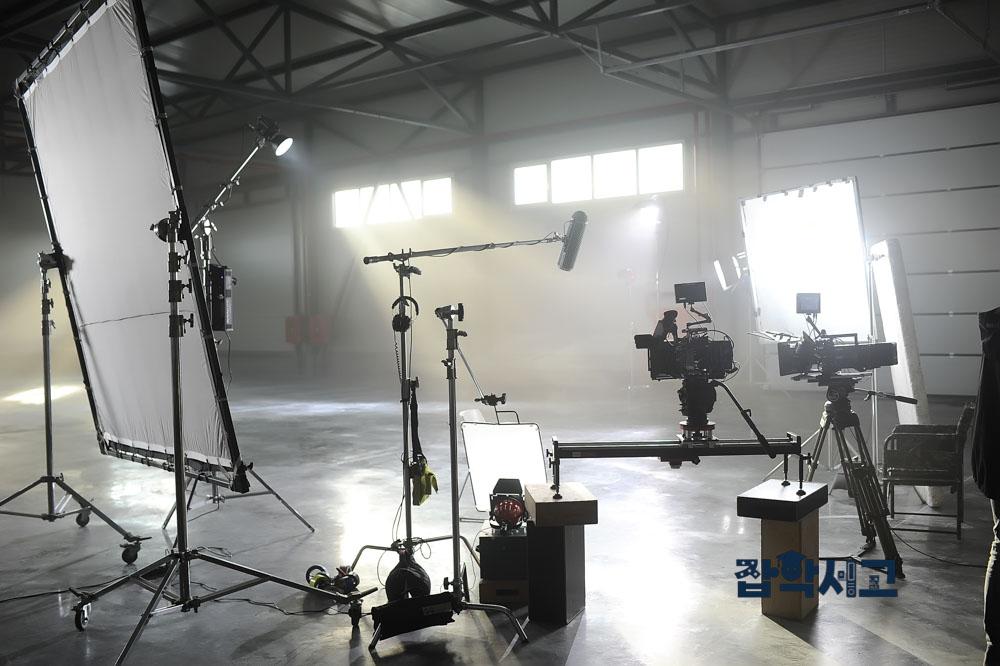 How can an optimal lighting setup be achieved?
Lighting Direction and Angle
Lighting professionals consider various factors when creating an optimal lighting setup. The first important factors are the direction and angle of the lighting. Because the direction of light can greatly change how a subject appears, careful consideration must be given to where the light comes from. The three-point lighting system is commonly used and consists of a key light, fill light, and back light.
Lighting Intensity and Brightness
The second important factors are lighting intensity and brightness. Lighting intensity must be adjusted carefully to express the atmosphere and emotions of each scene. Strong lighting creates an intense feeling, while weak lighting can create a soft, cozy atmosphere. Dimmers or ND filters that control lighting intensity allow fine adjustments.
Color Temperature and Color
Color temperature and color are also important factors. Warm-toned lighting gives a warm, cozy feeling, while cool-toned lighting creates a cold, tense atmosphere. Lighting equipment with adjustable color temperature allows lighting to be adapted to various situations.
Lighting Position and Distance
Lighting position and distance are also important factors. The position of a light changes the length and direction of shadows, which greatly affects a scene's sense of depth and atmosphere. The optimal lighting effect can be achieved by appropriately adjusting the distance between the light and the subject.
Using Reflectors and Diffusers
Reflectors and diffusers can be used to control the quality of the lighting. Reflectors gently reflect light to create natural lighting, while diffusers scatter light to provide soft, even illumination. This can be used to render a person's skin tone naturally or emphasize details in the background.
Simulating Lighting Setups in Advance
Finally, it is important to simulate lighting setups in advance. Before filming, lighting software can be used to visualize the lighting design and identify potential problems ahead of time. Along with saving time on set, this is a great help in producing more polished footage.
The role and importance of lighting in cinematography cannot be overstated. Lighting is not merely a visual tool; it is also an important means of storytelling and emotional expression. Understanding and using advances in lighting technology and various techniques makes it possible to produce higher-quality footage.
Furthermore, achieving an optimal lighting setup can give viewers a more moving and immersive viewing experience. We hope this article provides an in-depth understanding of the importance of lighting and how to use it.