When you watch dramas or films, you can see countless shots change within each scene. A shot taken from far away appears, and then sometimes shots taken up close are cut in one after another.
These video shooting techniques follow certain rules and carry certain meanings from the standpoint of both shooting and editing. This article looks at the types of shots used in these techniques and how to use them.
Long Shot
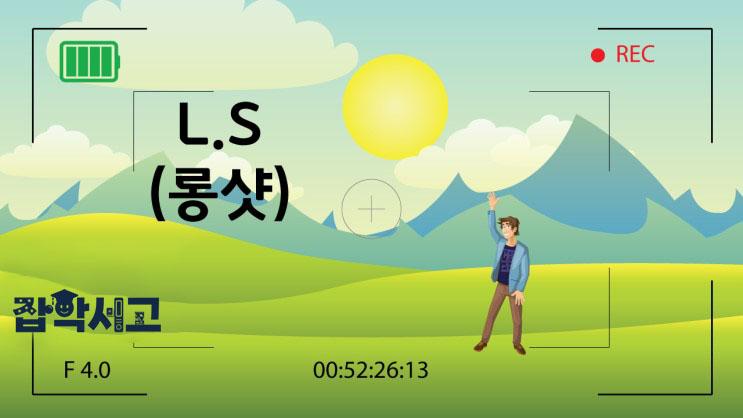 A long shot taken from far away with the focus on the background
A long shot is a frame used to provide information about the place and time being filmed. It is usually shown first whenever the place or time changes, so that viewers can grasp the overall context.
If you watch dramas or films closely, you will notice that a long shot is placed every time the location changes.
In addition, places are often filmed without any people and shown as transition cuts. This is called an Extreme Long Shot, and it is filmed from such a distance that people are even harder to see than in an ordinary long shot. These days, it is common to see this shot filmed with a drone during outdoor shoots.
Full Shot
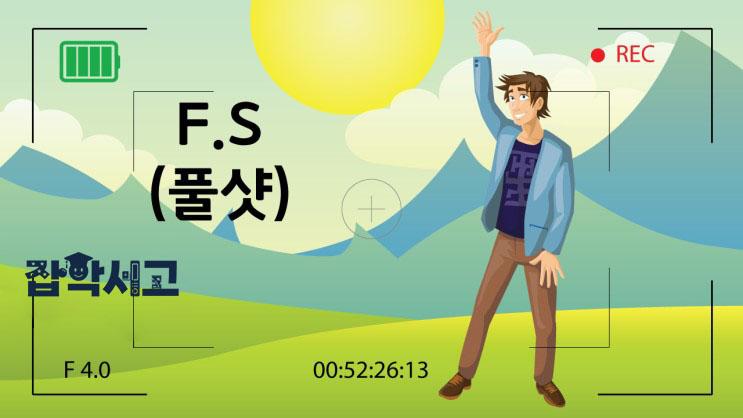 A full shot in which a person's whole figure fills the frame
A full shot shows a person filling the screen from head to toe. The person being filmed, rather than the background, is the focus, and the shot shows the subject's actions as a whole.
From an editing standpoint, it is common to show the background with a long shot and then place a full shot next. Of course, editing also has an artistic side, so the shots do not always have to be placed in that order.
On the contrary, editing too strictly in order risks feeling boring, so depending on the situation you should edit regularly at times and sometimes also dare to skip steps.
Medium Shot
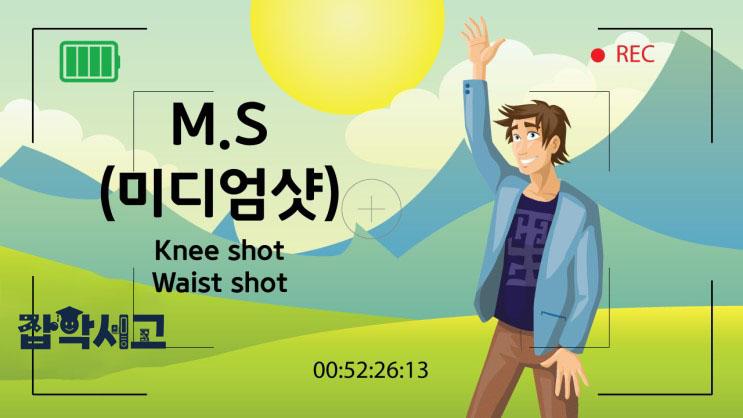 A medium shot that can show a lively image
A medium shot is filmed a little closer than a full shot; when the subject is a person, it is framed at the knees (knee shot) or the waist (waist shot).
It can give the feeling of actually looking at a subject who is close by, and it is well suited to capturing gestures, facial expressions, and movement. In dramas and films it is often seen in shots of three or more people, and in news it is also often seen in weather forecasts and standing shots.
Bust Shot
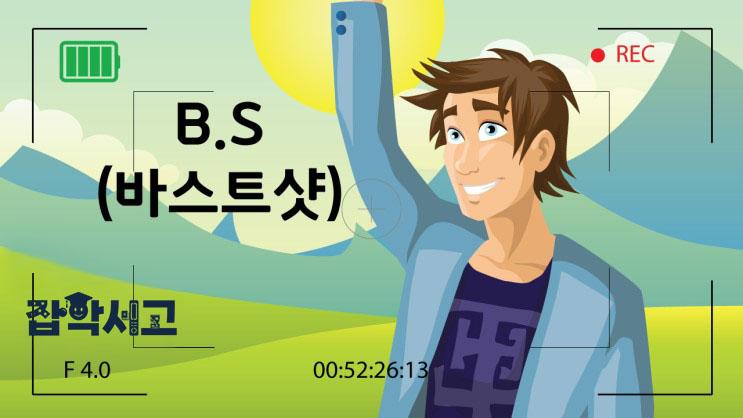 A bust shot that can convey a character's emotions and expressiveness
A bust shot is a frame that shows a person's upper body, cut at the chest. It is easy to spot when a single shot is taken during a scene in which two characters in a drama or film are talking.
It has the characteristic of conveying a person's appearance and emotions in detail. It is also often seen in studio programs and in the news when an MC or anchor presents while seated.
Close-up
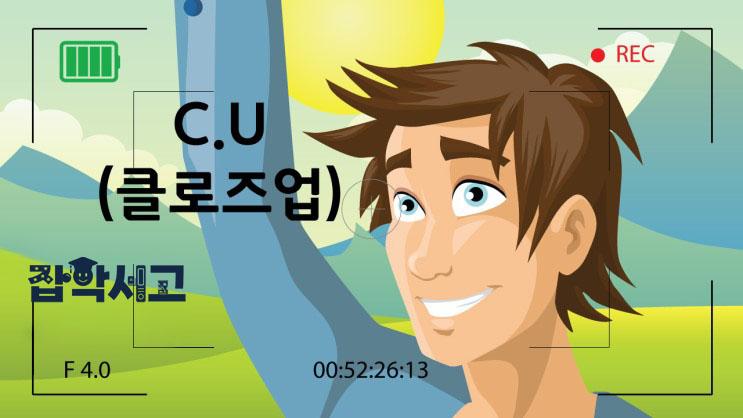 A close-up that can maximize the delivery of emotion
A close-up is a shot that fills the screen to emphasize a person's facial expression. It can focus the attention of viewers or audiences as much as possible and maximize the emotion the actor is performing.
Going one step further, there is also the Extreme Close-up shot, which magnifies all the way in to the eyes.
Once you understand shots like these, it also becomes easier to understand the rules of editing. By making use of each shot's characteristics, you can place tight shots in succession to highlight emotional moments even more, and when you need to give a looser feel, you can use long shots and full shots taken from a distance.
Also, when editing, it is important not to place shots of the same size, or shots with the same number of people, back to back. Otherwise, the picture may look jumpy, and even a tight shot can easily become a boring one. Mixing different shots together improves the quality of the video and reduces boredom.
If you understand the characteristics of these shots and apply them to your editing, even a beginner will soon be able to produce quality videos. Of course, watching many other videos and developing your sense is an essential part of the process.