The relationship between climate change and humidity is an important research topic in modern environmental science. It is essential to gain a thorough understanding of how climate change phenomena such as global warming interact with humidity and how the resulting effects influence our lives and ecosystems.
This material aims to analyze the definition and importance of climate change, the principles behind changes in humidity and their relationship with climate, the direct effects of climate change on humidity, and the consequences of these humidity changes for humans and ecosystems.
The Definition of Climate Change and Its Importance Today
 How should we view climate change?
The Definition of Climate Change
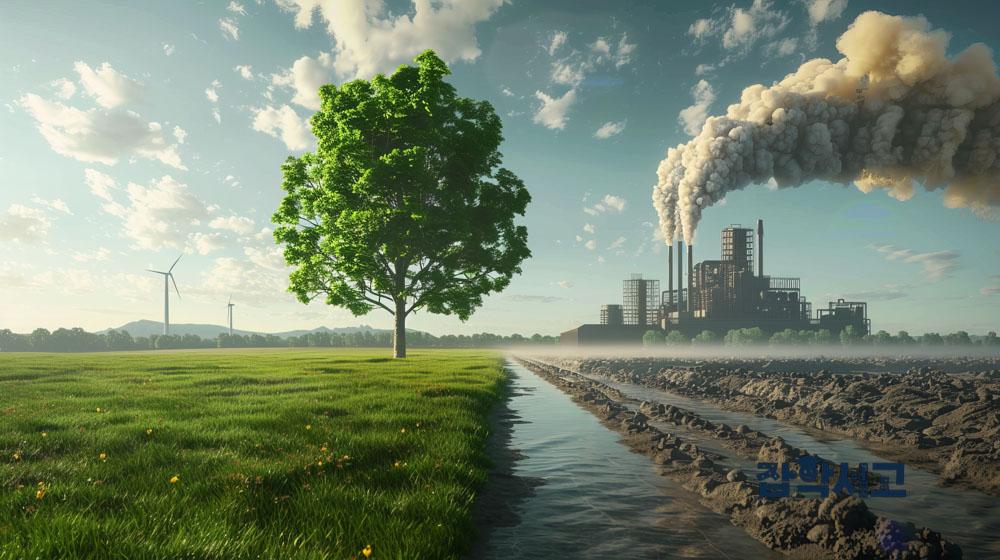
Climate change refers to long-term changes in Earth's climate system, primarily warming caused by increased concentrations of greenhouse gases in the atmosphere. These changes are driven by human activities as well as natural factors. For example, the burning of fossil fuels, deforestation, and industrial activities are major causes of climate change.
Importance Today
In terms of its importance today, climate change is an extremely urgent issue that must be addressed globally. It involves more than rising temperatures, affecting many aspects of the world, including extreme climate events, rising sea levels, and changes in ecosystems. These changes create economic, social, and environmental problems and directly affect countless people around the world.
The Importance of Climate Change Research
Scientific research on climate change focuses on how meteorological variables such as temperature, precipitation, and wind patterns are changing. Through climate modeling, this research provides essential foundational data for predicting future climate change and developing responses. In particular, reports by the IPCC (Intergovernmental Panel on Climate Change) warn the international community about the severity of climate change and call for global climate action.
The Effects of Climate Change
Climate change is expanding beyond environmental concerns to become an economic, political, and social issue. For example, climate change can cause problems such as reduced agricultural productivity, shortages of drinking water, and population migration. These problems have serious effects in developed countries as well as developing countries and require global cooperation.
Ways to Respond to Climate Change
Responding to climate change requires long-term, worldwide efforts rather than short-term, local solutions. These efforts include developing policies to reduce carbon emissions, expanding renewable energy, and implementing climate adaptation strategies. Cooperation between countries is essential, and international agreements and consultative bodies play an important role in supporting it.
In conclusion, climate change is an issue that profoundly affects the environment and society across the entire planet, requiring global efforts to address it. Research aimed at understanding climate change can make these efforts more effective.
The Principles Behind Changes in Humidity and Their Relationship with Climate
 What principles govern changes in humidity?
The Definition and Measurement of Humidity
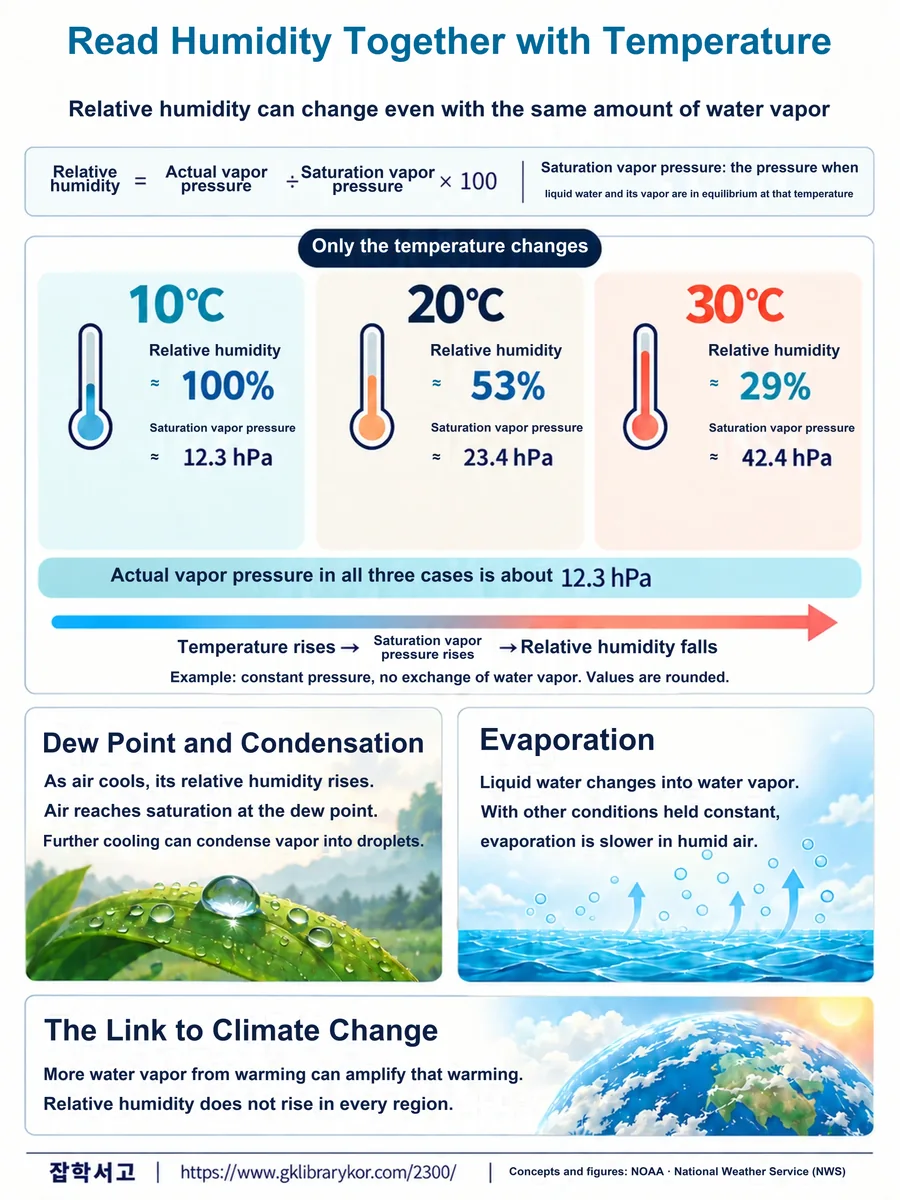
Humidity indicates the amount of water vapor in the air and is often expressed as relative humidity. Relative humidity is the ratio of the actual amount of water vapor in the air to the maximum amount of water vapor the air can contain at a given temperature.
Factors Behind Changes in Humidity
Humidity can fluctuate due to various factors, including temperature, pressure, and terrain. For example, air can contain more water vapor at higher temperatures. This means that humidity is closely related to climate change.
The Relationship Between Climate Change and Humidity
When temperatures rise due to climate change, the degree of water vapor saturation in the atmosphere increases. This is because air can contain more water vapor as temperatures rise. As a result, global warming can cause an overall increase in atmospheric humidity. This can also affect precipitation patterns and lead to more frequent heavy rainfall and droughts.
The Interaction Between Water Vapor and Warming
Changes in humidity interact in complex ways with various components of the climate system. An increase in the amount of water vapor in the atmosphere can amplify the warming effect. This is because water vapor acts as a powerful greenhouse gas and can absorb and re-emit infrared radiation released from Earth's surface. This changes Earth's energy balance and can cause additional warming.
Humidity and Weather Phenomena
Humidity is closely related to weather phenomena. High humidity plays an important role in cloud formation and precipitation, which is important for understanding how climate change affects regional weather patterns. For example, high temperatures and high humidity can combine in tropical regions to cause extreme weather events such as heavy rainfall and typhoons. This can have major effects on local communities and ecosystems.
Effects on Oceanic Climate
Changes in humidity also have important effects on oceanic climate. The oceans are a major source of atmospheric water vapor, and evaporation increases as ocean surface temperatures rise. This can affect ocean general circulation and the distribution of precipitation and is an important feedback mechanism in climate change. For example, El Niño is a phenomenon in which changes in ocean surface temperatures have major effects on global climate patterns, and it is closely related to changes in humidity.
In conclusion, changes in humidity are deeply connected to climate change and are an important factor in understanding the complex interactions within the climate system. Understanding the relationship between humidity and climate plays an important role in predicting and responding to the effects of climate change.
The Direct Effects of Climate Change on Humidity
 What effects does humidity have in practice?
Climate Change and Increasing Atmospheric Humidity
Climate change directly affects humidity in Earth's atmosphere. As average temperatures rise due to global warming, the amount of water vapor in the atmosphere also increases. This is because air can contain more water vapor at higher temperatures. As a result, increasing humidity is being observed around the world.
Increasing Humidity and Changes in Precipitation
Increasing humidity can also cause changes in precipitation. As temperatures rise and the amount of water vapor in the atmosphere increases, cloud formation and precipitation can also fluctuate. This can lead to more frequent heavy rainfall or droughts in particular regions and increase climate variability. For example, some regions may experience frequent flooding due to heavy rainfall, while others may experience persistent droughts.
Changes in Seasonal Humidity Patterns
Climate change can also affect seasonal humidity patterns. Higher humidity and hot weather are more likely to persist in summer, which can lead to tropical nights. In winter, by contrast, atmospheric temperatures become relatively lower, but an overall increase in humidity can change the form of precipitation. This can result in rain falling instead of snow.
Changes in Humidity and Weather Forecasting
Changes in humidity also affect weather forecasting. When climate change causes fluctuations in the amount of water vapor in the atmosphere, weather models must accurately reflect these changes. This is an important task for improving the accuracy of weather forecasts, and continued research is needed to understand how climate change affects weather forecasting. Changes in humidity are particularly important in predicting and preparing for extreme weather events.
Changes in Humidity and Regional Effects
Increasing humidity caused by climate change affects temperate and polar regions as well as tropical regions. For example, in the Arctic, ice is melting as temperatures rise, leading to an increase in water vapor over the ocean. This accelerates climate change in polar regions and can affect polar ecosystems and global sea level rise.
In conclusion, climate change directly affects atmospheric humidity, which can bring about important changes in many areas, including precipitation, seasonal patterns, and weather forecasting. Understanding and predicting these changes is an important task in responding to climate change.
The Consequences of Changes in Humidity for Humans and Ecosystems
 How do changes in humidity affect humans and ecosystems?
Effects on Human Health
Changes in humidity directly affect human health and daily life. High humidity increases heat stress and can cause health problems such as heatstroke. Vulnerable groups, such as older adults and children, may be particularly affected. High humidity can also encourage the growth of mold and the reproduction of pests, reducing the quality of residential environments.
Effects on Agriculture
Changes in humidity also have important effects on agriculture. Higher humidity can increase the incidence of crop diseases and pests, which can reduce crop yields and quality. Conversely, excessively low humidity can inhibit plant growth and reduce yields. It is therefore essential for the agricultural sector to monitor changes in humidity and adopt appropriate agricultural management practices.
Effects on Ecosystems
Changes in humidity also have major effects on ecosystems. Many plants and animals can survive only under specific humidity conditions. For example, tropical rainforests depend on high humidity, and fluctuations in humidity can greatly affect the biodiversity of these ecosystems. Changes in humidity can also alter habitats and disrupt the balance of ecosystems.
Effects on Water Resource Management
Changes in humidity caused by climate change also affect water resource management. High humidity and increased precipitation can increase the frequency of natural disasters such as floods. This poses new challenges for water resource management and infrastructure, requiring flood prevention and preparedness measures. Conversely, low humidity and drought can worsen water shortages, greatly affecting drinking water supplies and the management of agricultural water.
Effects on Energy Consumption
Changes in humidity also affect energy consumption. High humidity can increase demand for cooling, raising electricity consumption. This can place a burden on the power grid and reduce the stability of the electricity supply. Conversely, low humidity increases demand for heating, which can contribute to higher energy consumption in winter.
In conclusion, changes in humidity have important effects across many areas, including human health, agriculture, ecosystems, water resource management, and energy consumption. It is important to understand changes in humidity caused by climate change and develop strategies to respond to them. This plays an important role in maintaining a sustainable environment and society.
The relationship between climate change and humidity is a highly important topic in contemporary environmental issues. The effects of climate change on atmospheric humidity bring about major changes in precipitation, seasonal patterns, and weather forecasting, with serious consequences across many areas, including human health, ecosystems, agriculture, water resource management, and energy consumption.
Understanding and responding to these changes is an essential task for a sustainable future. It is therefore important to continue studying the relationship between climate change and humidity and use this research to develop prevention and adaptation strategies.