Torrential rain is a phenomenon in which a large amount of precipitation falls over a short period. Because it can cause property damage and loss of life, understanding its causes is important. Torrential rain results from the combined effects of various factors.
This article aims to analyze the causes of torrential rain, focusing on atmospheric instability, changes in ocean temperature, climate change, and topographic factors.
Analyzing the Correlation Between Atmospheric Instability and Torrential Rain
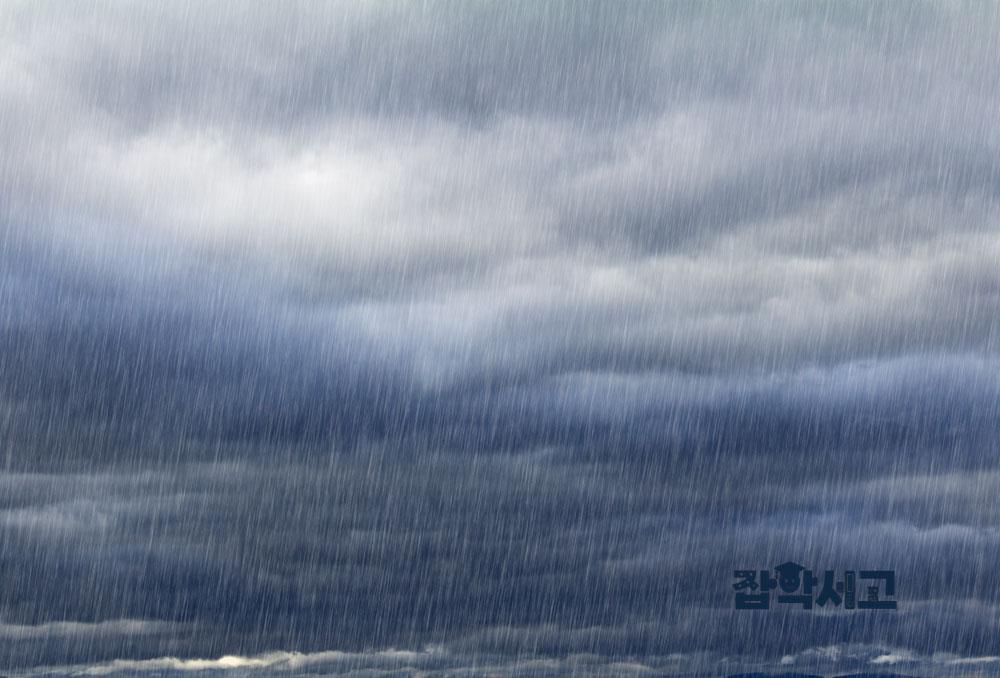 How is atmospheric instability related to torrential rain?
The Definition of Atmospheric Instability and the Causes of Torrential Rain
Atmospheric instability is one of the main causes of torrential rain, and precipitation tends to increase as the atmosphere becomes more unstable. Atmospheric instability occurs because convection intensifies when cold and warm air meet and collide. This convective activity forms clouds, and when the clouds contain sufficient water vapor, the likelihood of torrential rain increases.
Land Surface Temperature and Atmospheric Instability
Atmospheric instability is also influenced by land surface temperature. Higher land surface temperatures increase the amount of water vapor in the atmosphere, further promoting atmospheric instability. These conditions are particularly pronounced in summer and are considered one of the reasons torrential rain frequently occurs on the Korean Peninsula during summer.
Interactions Between High and Low Pressure
Interactions between high and low pressure also have a major influence on atmospheric instability. When high-pressure and low-pressure systems are located close to each other, strong winds develop between them, which can cause atmospheric instability. These pressure fluctuations serve as one of the main mechanisms that produce torrential rain.
Atmospheric Humidity and Precipitation
Atmospheric humidity is also closely related to atmospheric instability. Higher humidity means that the atmosphere contains more water vapor, increasing the likelihood of greater precipitation. In particular, torrential rain occurring in tropical regions or near the ocean is closely associated with high atmospheric humidity.
Topographic Factors and Atmospheric Instability
Atmospheric instability is also connected to topographic factors. Atmospheric instability is more pronounced in mountainous terrain or high-altitude regions, increasing the likelihood of torrential rain. This is because air cools as it rises along mountains, resulting in cloud formation.
Human Activities and Atmospheric Instability
Finally, atmospheric instability can be promoted by human activities. Air pollution from industrial activities and other sources increases atmospheric aerosol concentrations, which can promote cloud formation and precipitation. Together, these factors play an important role in explaining the correlation between atmospheric instability and torrential rain.
The Effects of Changes in Ocean Temperature on Torrential Rain
 How are changes in ocean temperature related to torrential rain?
Rising Ocean Temperatures and Increased Evaporation
Changes in ocean temperature have an important influence on the occurrence of torrential rain. When ocean temperatures rise, evaporation from the sea surface increases, supplying more water vapor to the atmosphere. This water vapor causes atmospheric instability, consequently increasing the likelihood of torrential rain.
El Niño and La Niña
El Niño and La Niña are also related to changes in ocean temperature. El Niño is a phenomenon in which sea surface temperatures rise in the eastern Pacific, producing large-scale weather changes that can cause torrential rain. Conversely, La Niña is a phenomenon in which sea surface temperatures fall, increasing the likelihood of torrential rain in certain regions.
Typhoons, Hurricanes, and Ocean Temperature
Changes in ocean temperature also influence the occurrence of extreme weather events such as typhoons and hurricanes. Higher ocean temperatures provide ample energy for these weather events, increasing the likelihood of more powerful typhoons or hurricanes. These weather events can bring widespread torrential rain.
Seasonal Variations in Ocean Temperature
Seasonal variations in ocean temperature also influence the occurrence of torrential rain. Ocean temperatures rise in summer, causing atmospheric instability and increasing the likelihood of torrential rain. In particular, rising ocean temperatures have a major influence on torrential rain during the summer rainy season.
Changes in Ocean Temperature and Climate Change
Changes in ocean temperature are also closely related to climate change. Global warming is causing ocean temperatures to rise overall, serving as one of the factors that increase the frequency of torrential rain. The continued rise in ocean temperatures must be considered an important variable in predicting future torrential rain.
Changes in Marine Ecosystems and the Occurrence of Torrential Rain
Finally, changes in ocean temperature also affect marine ecosystems. Changes in marine ecosystems can lead to changes in the amount of atmospheric water vapor, which may indirectly influence the occurrence of torrential rain. Therefore, changes in marine ecosystems must also be considered to understand the relationship between changes in ocean temperature and the occurrence of torrential rain.
Climate Change and the Increasing Trend in Extreme Weather Events
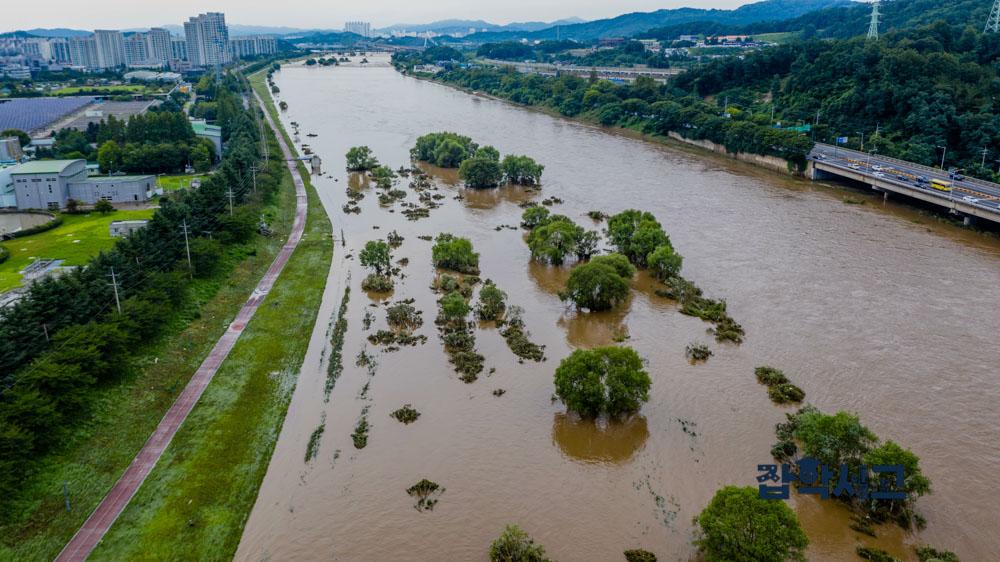 What effects can climate change have?
Climate Change and Extreme Weather Events
In recent years, climate change has been identified as a major cause of increases in the frequency and intensity of extreme weather events. As atmospheric temperatures rise due to global warming, extreme weather events are occurring more frequently. As a result, various extreme weather events, including torrential rain, droughts, and typhoons, are becoming more powerful.
The Greenhouse Effect and Rising Temperatures
Increasing atmospheric carbon dioxide concentrations strengthen the greenhouse effect, causing atmospheric and ocean temperatures to rise. These rising temperatures increase the amount of water vapor in the atmosphere, raising the likelihood of torrential rain. In addition, high temperatures increase atmospheric instability, allowing extreme weather events such as torrential rain to occur frequently.
Effects on Specific Regions
Torrential rain caused by climate change can have greater effects on certain regions. For example, tropical and coastal regions may experience a sharp increase in the frequency of torrential rain because of rising temperatures and increased atmospheric instability associated with climate change. This can seriously affect infrastructure and ecosystems in those regions.
Changes in Precipitation Patterns
Climate change also affects precipitation patterns. Torrential rain that previously occurred only during particular seasons now tends to occur irregularly. This can cause major problems for crop cultivation and water resource management, posing particular challenges for agricultural workers and water management professionals.
The Importance of Analyzing Long-Term Weather Data
Analyzing long-term weather data is important for studying the correlation between climate change and the occurrence of torrential rain. Accurately predicting the effects of climate change requires collecting and analyzing a variety of weather data, which can reveal trends in the occurrence of torrential rain.
Social and Economic Effects
Finally, climate change also has social and economic effects. In addition to the property damage and loss of life caused by torrential rain, torrential rain resulting from climate change can have a major impact on economic activity. It is therefore important to understand the relationship between climate change and the occurrence of torrential rain and to develop response measures based on that understanding.
Regional Patterns of Torrential Rain Based on Topographic Factors
 How does the impact of torrential rain vary by terrain?
The Relationship Between Terrain and the Occurrence of Torrential Rain
Topographic factors have a major influence on regional patterns of torrential rain. The way torrential rain occurs varies according to different topographic characteristics, including mountainous areas, coastal areas, and plains. This is because terrain directly influences atmospheric flow and precipitation patterns.
Torrential Rain in Mountainous Areas
In mountainous areas, air cools as it rises along mountains, leading to cloud formation and increasing the likelihood of torrential rain. This phenomenon is particularly pronounced in high-altitude regions, where intense downpours can occur frequently.
Torrential Rain in Coastal Areas
In coastal areas, moisture originating over the ocean can cause torrential rain as it moves inland. Because coastal areas are close to the ocean, atmospheric humidity is also high, creating conditions favorable for torrential rain. Such phenomena can cause even more severe damage, particularly when they occur alongside typhoons or tidal waves.
Torrential Rain in Plains
In plains, the atmosphere is often relatively stable, making torrential rain comparatively less likely. However, torrential rain can also occur in plains when large-scale low-pressure systems form or atmospheric instability increases. In such cases, economic losses, including crop damage, can be substantial.
Torrential Rain in Urbanized Areas
In urbanized areas, infrastructure and buildings can affect atmospheric flow in addition to topographic factors. In areas with a high concentration of tall buildings, wind flow becomes complex, which can cause atmospheric instability. In addition, urbanization covers the land surface with impermeable layers, potentially causing extensive flood damage when torrential rain occurs.
The Importance of Analyzing Regional Weather Data
Analyzing regional weather data is essential for understanding patterns of torrential rain associated with topographic factors. Weather data analysis that considers various topographic characteristics can greatly assist in predicting and preparing for torrential rain. This can play a particularly important role in developing disaster response plans.
The Correlation Between Climate Change and Topographic Factors
Finally, patterns of torrential rain associated with topographic factors are also related to long-term climate change. If climate change alters topographic characteristics, patterns of torrential rain may also change. Therefore, predicting the occurrence of torrential rain requires considering both topographic factors and climate change.
Torrential rain results from the combined effects of various factors, including atmospheric instability, changes in ocean temperature, climate change, and topographic factors. Thoroughly analyzing these factors is important for developing ways to predict and prepare for torrential rain.
In particular, research and responses that consider long-term changes such as climate change are needed. Continued efforts will be necessary to accurately identify the causes of torrential rain through ongoing research and data analysis and to develop effective measures to prepare for it.