In modern society, education is a fundamental element that supports the continuous growth of individuals and groups and lays the foundation for a better future. Technological advances have also brought innovation to educational methods, with online education and blended learning attracting particular attention.
Online education enables learners to receive education without constraints of time or place, while blended learning harmoniously combines online and offline educational environments to maximize educational effectiveness.
This article will explore the concepts of online education and blended learning, the advantages and disadvantages of online education, the characteristics of blended learning models, and the outlook for online education platforms.
The Concepts of Online Education and Blended Learning
 What Are Online Education and Blended Learning?
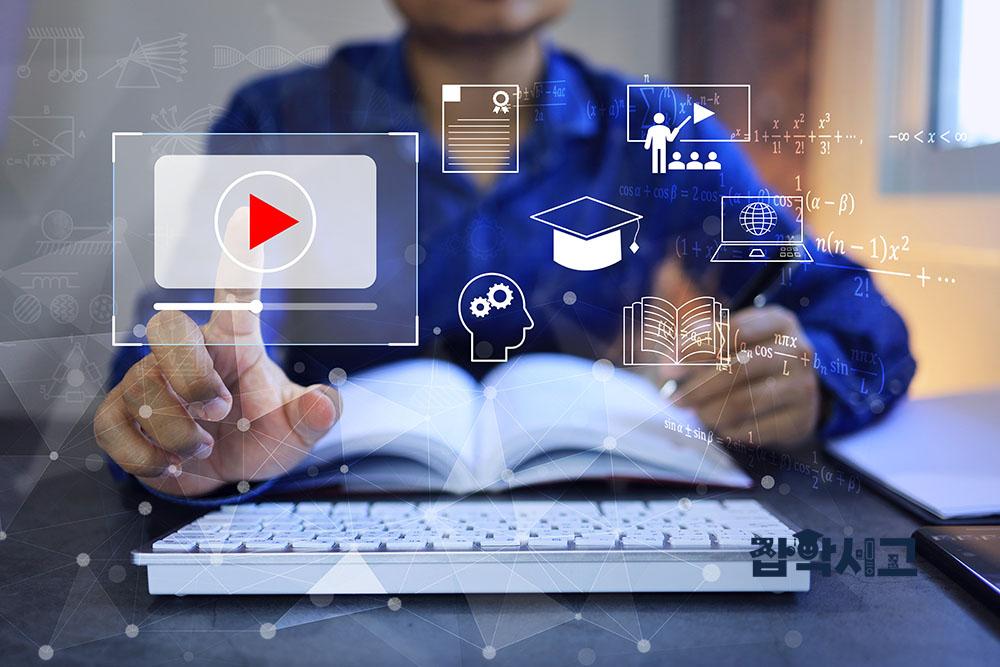
Online education and blended learning are different approaches to education that emerged from efforts to improve educational efficiency and accessibility with the help of technology.
Online Education (E-learning)
Online education is an educational approach in which learners access lectures and materials through the internet and use digital devices to learn.
The main characteristic of online education is that learners can study anytime and anywhere without constraints of time or space. This provides learners with flexibility and gives people from diverse backgrounds and circumstances access to educational opportunities.
For example, learners living in remote island and mountainous areas or those with busy schedules can acquire new knowledge and skills through online education.
Blended Learning
Blended learning combines online education with traditional offline education. In blended learning, learners spend part of their time attending lectures in an offline environment, namely a physical classroom, and the rest learning independently in an online environment.
This approach combines the direct interaction of offline education with the flexibility of online education, providing learners with richer and more varied learning experiences.
Blended learning allows learning to be adjusted to each learner's individual needs and pace, while also enabling direct interaction with teachers.
These educational approaches each have their own advantages and are considered important tools for educational development and innovation.
The Advantages and Disadvantages of Online Education
 What Are the Advantages and Disadvantages of Online Education?
Online education is an approach that uses the internet and digital technology to deliver education. This approach has various advantages and disadvantages compared with traditional classroom learning.
Advantages
Accessibility: Online education allows learners to study anywhere without geographical constraints. This offers significant benefits to learners living in remote island, mountainous, or distant areas, as well as those with busy schedules.
Flexibility: Learners can study according to their own schedules and access lectures and materials when they need them.
Diverse Learning Materials: Online education provides a variety of digital materials and lectures, giving learners a wide range of learning options.
Cost Efficiency: Online education can cost less than traditional education and can help learners save on transportation and dormitory expenses.
Personalized Learning: Learners can study at their own pace and in their own style, revisiting the parts they need to learn.
Disadvantages
Limited Interaction: Online education may offer limited real-time feedback, and interaction between learners and teachers or among learners may be restricted.
Need for Self-Management Skills: Online education requires a high level of self-management and motivation. Some learners may find it difficult to study in this environment.
Limitations on Practical Skills Training: Some technical or practical subjects may be difficult to learn properly in an online environment, particularly those that require practical training.
Technological Barriers: Technical problems or issues with internet access can make learning difficult.
Certification and Career Support: Some online education programs may offer limited certification and may not provide as much career support as traditional education programs.
Online education can be very useful depending on an individual's circumstances and needs, but its disadvantages must also be considered. To address these disadvantages, education providers are continually seeking innovative approaches.
Characteristics of Blended Learning Models
 Conceptual Diagram of a Blended Learning Model
Blended learning (Blended Learning) is an educational model that combines online education with traditional classroom education to provide learners with varied learning experiences. The following outlines the characteristics of blended learning models.
Flexibility
Learners can study at their own pace using online materials and continue learning outside classroom hours. Students can preview lectures online before offline classes and exchange questions with teachers or take part in discussions during class.
Personalized Learning
Blended learning allows the learning environment to be adjusted to each learner's individual learning style and pace. Students can revisit online materials to understand difficult concepts and receive additional support from teachers.
Diverse Learning Materials
Various combinations of online and offline materials provide learners with rich learning experiences. Students can learn through video lectures, interactive quizzes, and practical activities in physical classrooms.
Interaction and Collaboration
Direct interaction in the classroom and collaborative learning online are possible. Students can carry out team projects in the classroom and communicate with their teammates through online platforms as they work.
Real-Time Feedback
Learners can receive real-time feedback through online platforms and interact with teachers in real time. Students can complete online quizzes and receive immediate feedback to identify which areas they need to study further.
Efficient Use of Resources
Teachers can use online materials to distribute and manage educational resources efficiently. Teachers can easily update learning materials through online platforms and provide them to students.
Blended learning models combine the benefits of technology and traditional educational approaches to provide learners with richer and more beneficial learning experiences.
The Outlook for Online Education Platforms
 What Is the Future of Online Education?
Online education platforms continue to grow alongside technological advances, and these platforms offer learners many benefits by improving educational accessibility and providing diverse learning materials.
The future of online education platforms can be assessed by considering the following characteristics.
Global Accessibility
Online education platforms provide educational opportunities to learners around the world without geographical constraints. This allows more people to access a variety of educational materials.
Personalized Learning Experiences
With the help of data analysis and artificial intelligence technologies, online education platforms can provide personalized learning experiences tailored to learners' preferences and needs.
Diverse Educational Materials and Courses
Online platforms provide educational materials and courses on a variety of subjects and skills, making it easy for learners to study areas of interest or acquire the skills they need.
Building Vibrant Communities
Online education platforms can build vibrant learning communities by promoting networking and interaction among learners, teachers, and educators.
Corporate Training and Upskilling
Companies are increasingly using online education platforms to support employee upskilling and reskilling. This further increases the importance and value of online education platforms.
Promoting Lifelong Learning
Online education platforms recognize the importance of lifelong learning and provide opportunities for people of various ages and occupations to continue learning.
Integrating Innovative Educational Technologies
As new educational technologies and tools continue to be developed, online education platforms are expected to integrate these innovative technologies to further improve learning experiences.
These factors show how online education platforms can contribute to the future of education, and these platforms are expected to play an important role in educational growth and development.
Online education and blended learning play a pivotal role in shaping the future of education. Drawing on technological advances, these educational approaches improve educational accessibility and the quality of learning by providing personalized learning experiences.
Technological progress and educational innovation will continue, and online education platforms and blended learning models are expected to become more mature and diverse.
Through these changes, education will become a more meaningful and effective experience for each individual and is expected to have a more positive impact across society.