
When watching a film, there are moments when a scene runs on uninterrupted for a long time and you find yourself holding your breath. If the shot never changes while the camera follows a character down a hallway and up the stairs, the audience feels as if they were standing right there with them. Such scenes are not accidents but staging that comes out of long preparation.
In film studies, the technique of filming a single shot for longer than usual without breaking it up through editing is called the ‘long take.’ Unlike quickly stringing together short cuts, it shows time and space as they are, without interruption, creating both realism and tension.
In this article, we will look in turn at what a long take is and the ideas behind it, the effects that arise when a scene runs at length, landmark examples in film history, and points worth knowing when shooting one yourself.
Understanding the Long Take
What Is a Long Take?
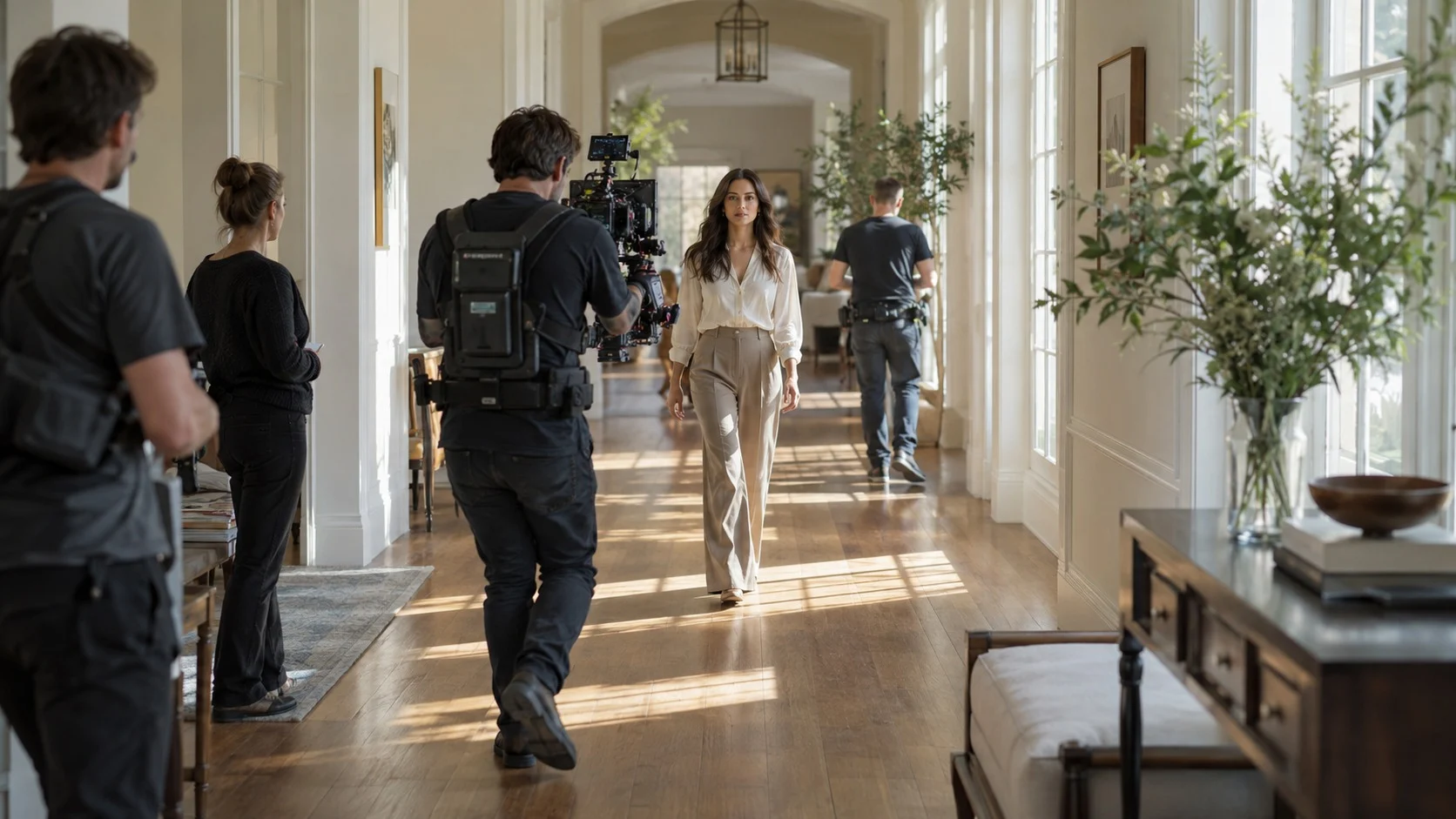
A take is the footage shot in one go, from the moment the camera starts rolling until it stops. Shots in a film usually run short, from a few seconds to about ten seconds, but a long take runs much longer, sometimes for several minutes without a break.
The French film critic André Bazin is often cited as the person who gave the long take its theoretical backing. Bazin believed that cutting a scene into small pieces through editing lets the director decide in advance where the audience looks. Instead, he argued, if time is allowed to flow as it is within a single frame, viewers can choose for themselves what to look at and feel reality more deeply.
That is why the long take is often discussed together with deep-focus photography, which keeps everything sharp from the foreground to the background of the frame. There is no fixed standard for how many seconds make a long take; a shot feels like one when it is noticeably longer than the film's average shot length. Nowadays, with fast editing so common, audiences often feel that a scene of just over a minute is long.
What Changes When You Film at Length?
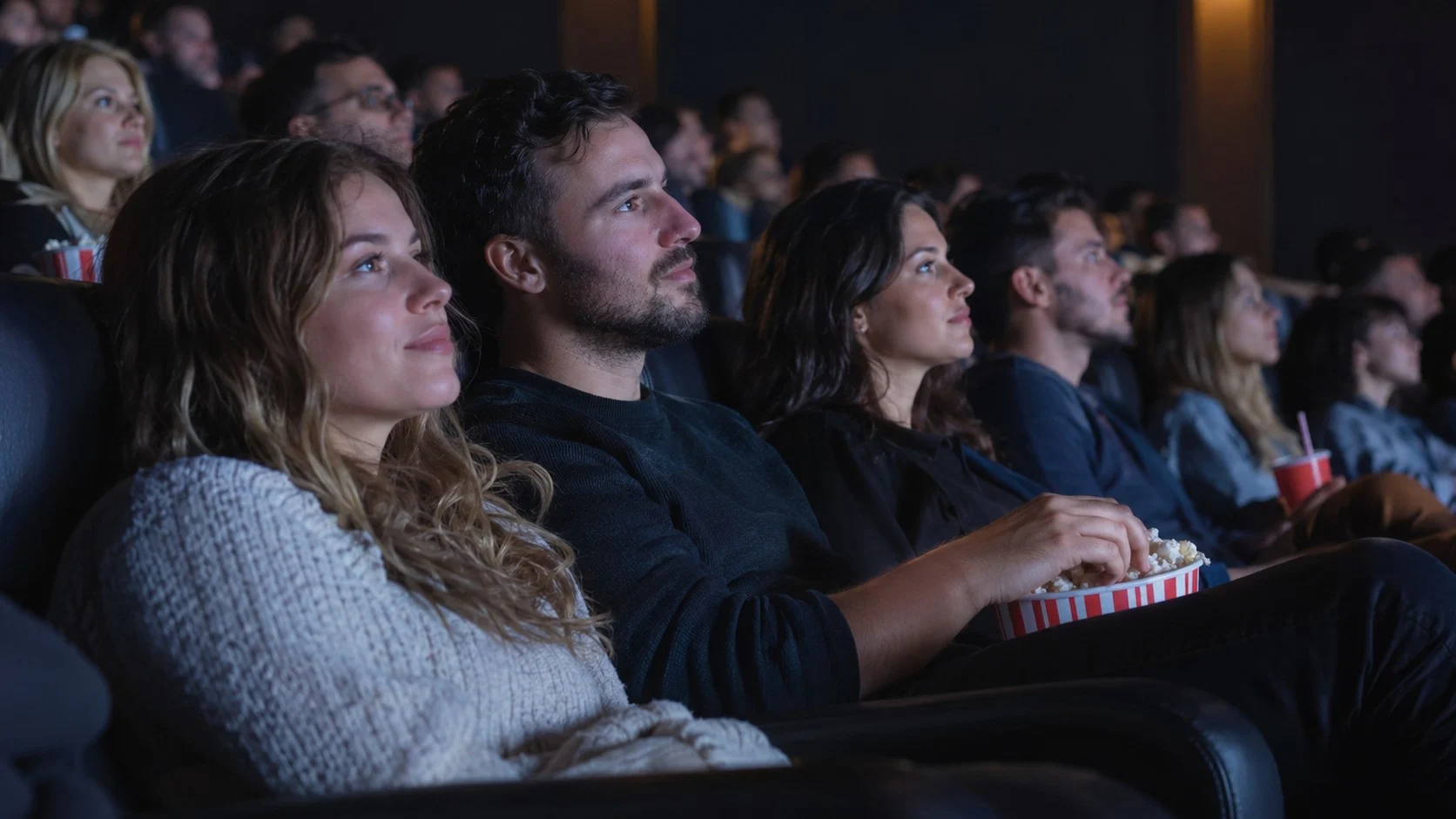
A long take goes beyond simply filming at length; it changes the audience's experience itself. Its main effects are as follows.
- Realism: Because time flows without a break, viewers feel as if they are actually watching events unfold.
- Tension: As the uncertainty over when the shot will change continues, anticipation and unease about the next moment grow.
- Immersion: When the camera moves along with a character, viewers have the experience of moving through the space together with that character.
- Continuity of performance: Because actors carry their emotions through without interruption, changes in expression and gesture come across naturally.
On the other hand, using long takes too often or for too long can bore the audience. That is why a long take gains power when it is saved for the most important moments in the story. This is also why many directors choose long takes for chaotic scenes such as battles or chases, or for quiet scenes in which a character breaks down emotionally.
Long Takes in Film History
The long take has developed as many directors have challenged the limits of technology.
Hidden cuts and long openings
Alfred Hitchcock shot his 1948 film Rope so that it would look like one continuous shot. At the time, a single reel of film could record only about ten minutes, so he hid most of the cuts at moments when the screen was covered by a character's back or a dark object. The opening scene of Orson Welles's 1958 film Touch of Evil, shot in one go and running over three minutes, is still frequently mentioned today.
Films made in a single take
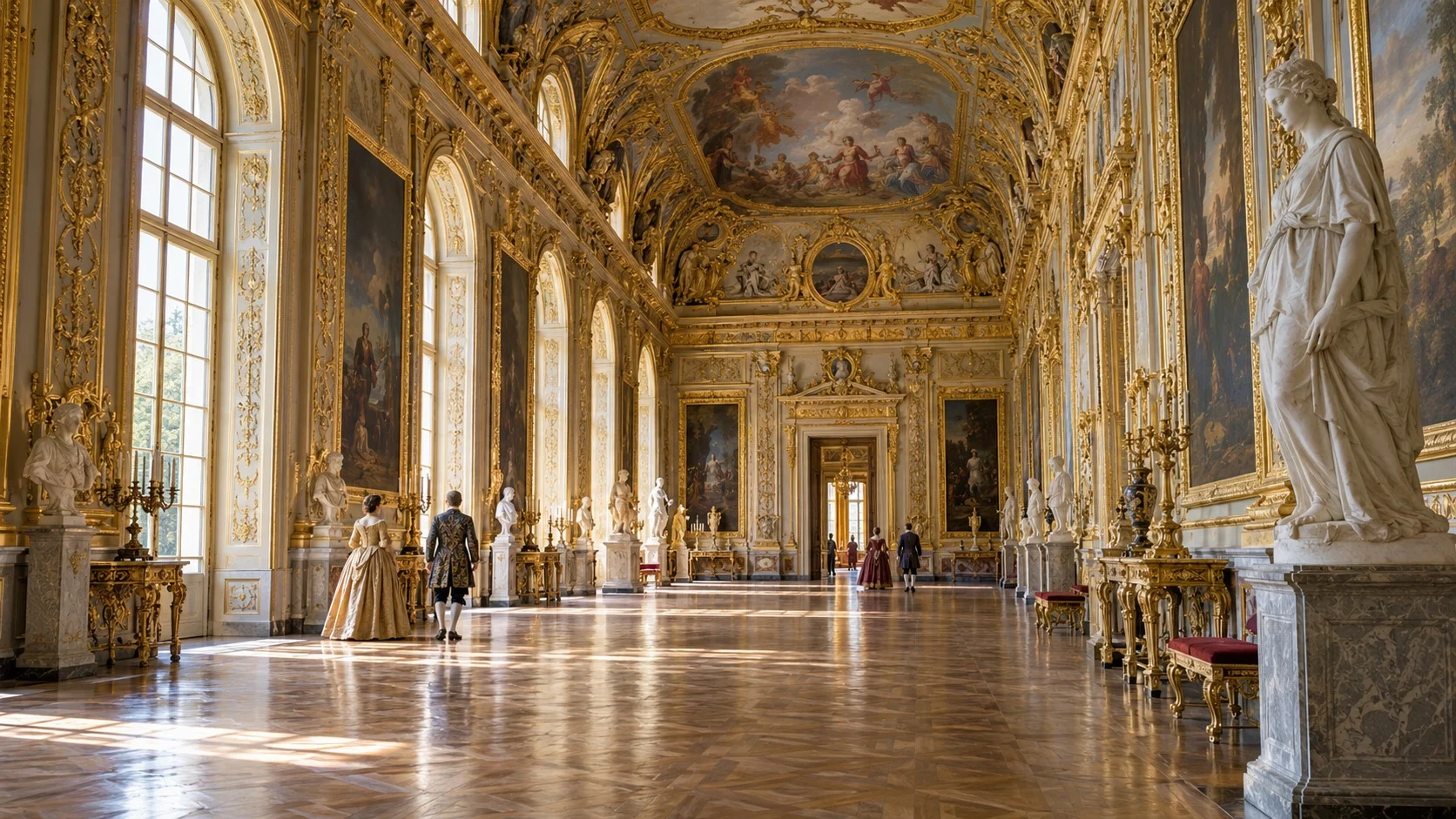
Alexander Sokurov's Russian Ark (2002), set in Russia's Hermitage Museum, was completed entirely in a single take. More recently, works such as Birdman and 1917, which stitched several takes together with digital technology to look like one long shot, have also attracted great attention. In particular, 1917 follows a soldier's journey across the battlefield without a break, giving the audience the experience of enduring that time alongside him.
Points to Know When Shooting a Long Take
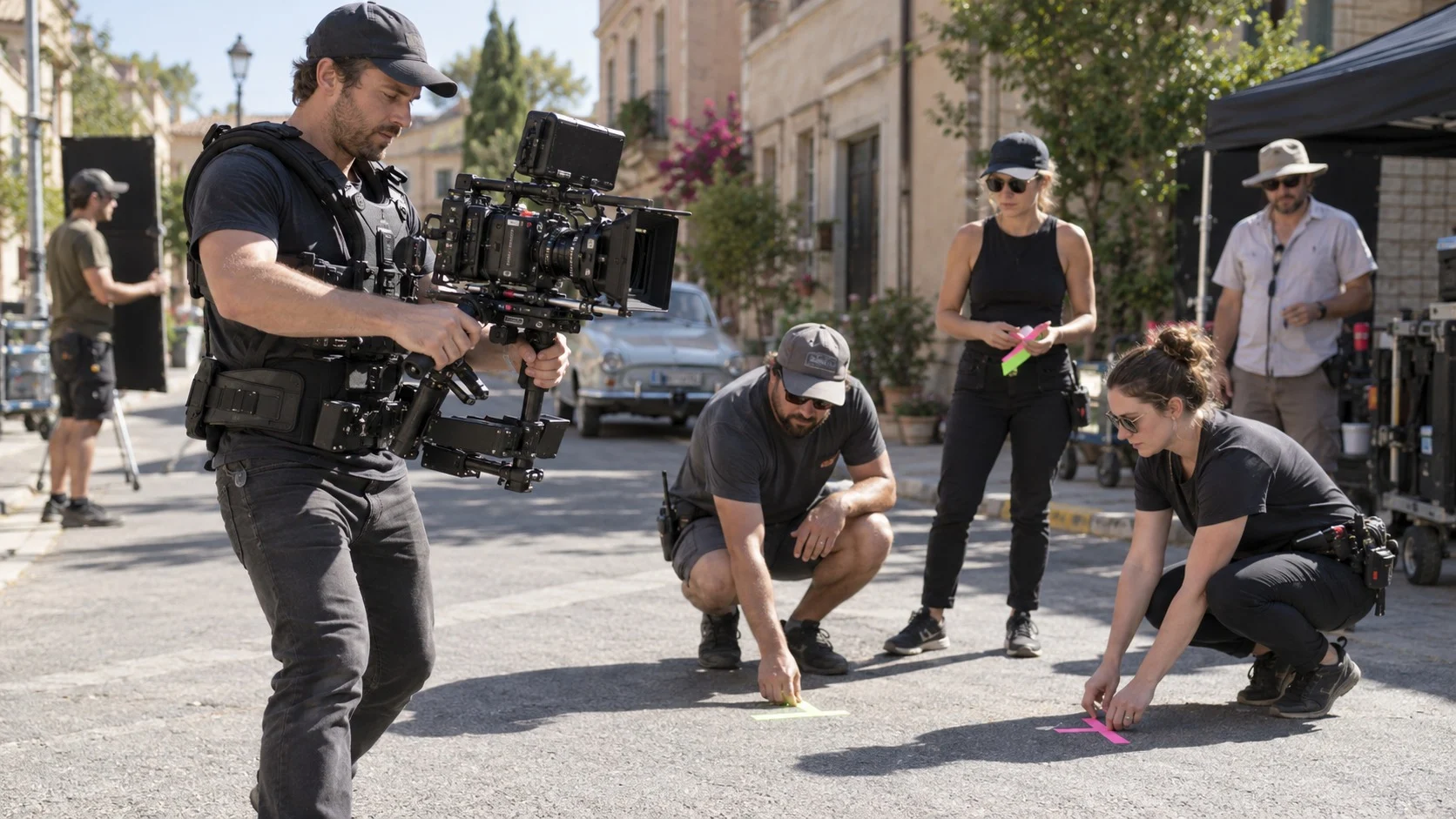
With a long take, a single mistake means starting over from the beginning, so preparation matters above all.
(1) Plan the blocking in advance
Rehearsals in which you mark on the floor when and where the actors and camera will move and run through it several times are essential. The lighting, props, and movements of extras must all follow the same timetable.
(2) Reduce shake
Using equipment such as the Steadicam, which appeared in the 1970s, or a gimbal lets you get smooth footage even while walking.
(3) Create variation within the scene
Gradually changing the characters' positions, the camera distance, and the light gives a scene rhythm even without cuts and reduces boredom. Moving through doors or windows in the frame to change spaces is another good technique.
Instead of cutting time through editing, the long take is a technique that hands time to the audience just as it flows. That is why it creates a sense of realism and immersion that short cuts cannot.
Behind those few minutes of footage, however, lie countless rehearsals and meticulous planning. Carrying on without a cut means that every moment has to be designed in advance.
Finding the courage to wait instead of cutting: that is the first step toward a scene that captures the audience's heart.