Public opinion is a social phenomenon that takes shape through a complex process involving various actors. It plays an important role in society's development and change, and the press in particular performs a central role in this process.
This article explores the basic concepts and key principles of public opinion formation and analyzes the roles that various actors play in this process. It also examines how changes in the media environment affect the influence of the press and takes an in-depth look at the press's responsibilities and ethical standards. Through this examination, it will discuss ways in which the media can contribute to society today.
Exploring the Basic Concepts and Major Theories of Public Opinion Formation
The Meaning and Importance of Public Opinion Formation
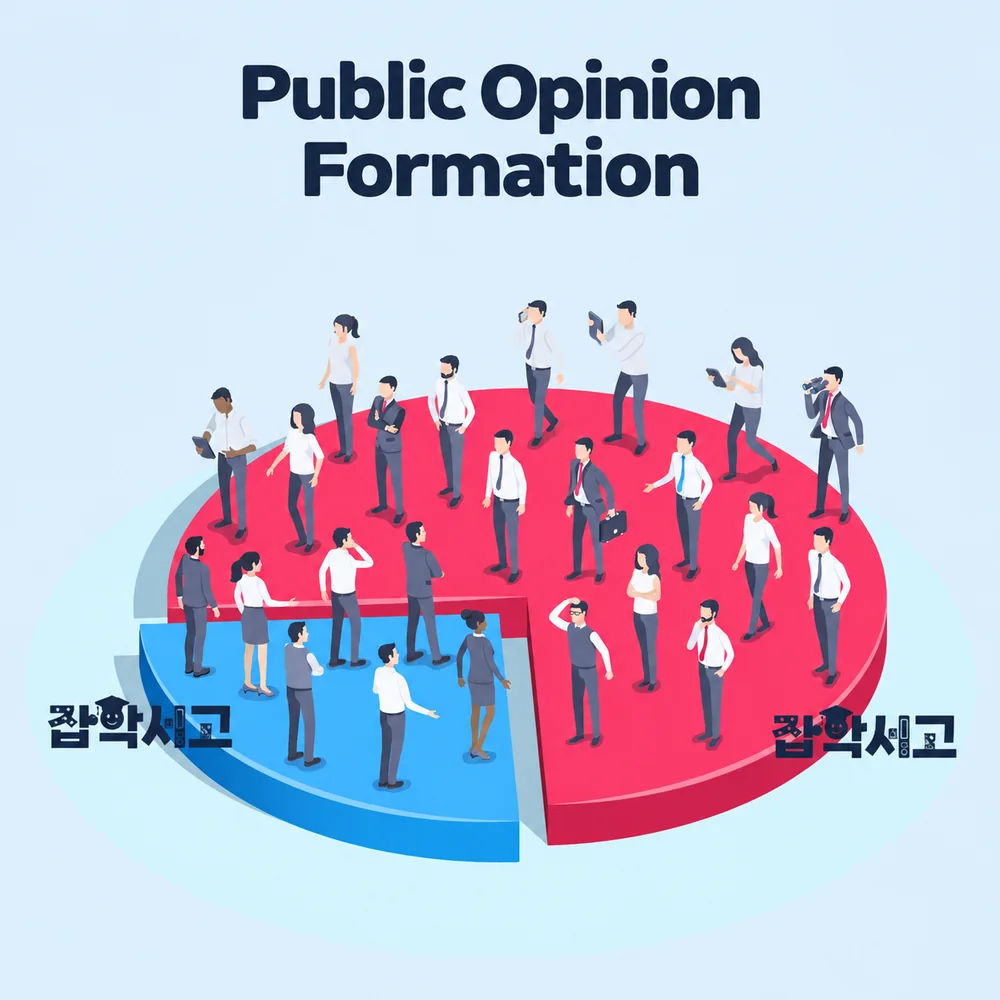
Public opinion is defined as the collective views within a society on public issues and is a process in which individual opinions come together to form a social force. It develops through social interaction and serves as an important factor driving social change and development. The process by which individual opinions come together to form public opinion is not simple; various factors interact to give it influence. In particular, as the flow of information becomes more diversified in modern society, public opinion formation is becoming increasingly complex, serving as a major force driving social discourse. Understanding the meaning of public opinion formation is essential to grasping how public opinion, as a social phenomenon, affects society.
The Process of Public Opinion Formation: Differences Between the Past and the Present
In the past, public opinion was formed primarily through the one-way transmission of information. The usual pattern was for traditional media, such as newspapers, radio, and television, to deliver information and for the public to receive it passively. In modern times, however, particularly with the development of the internet and social media, the process of public opinion formation has become more interactive. Individuals are now producers as well as consumers of information and play an active role in shaping public opinion. As a result, information flows through various channels, and public opinion takes shape and changes in increasingly multidimensional ways.
Major Theories Related to Public Opinion Formation
Spiral of Silence Theory
The "spiral of silence theory" explains the phenomenon in which individuals are reluctant to express their opinions publicly when they do not agree with the majority. As a result, minority opinions gradually disappear, while majority opinions become stronger. This is an important theory that illustrates how individuals' psychological factors operate in the process of public opinion formation. Individuals conform to the majority view to avoid social isolation, and public opinion consequently becomes more powerful as the voice of the majority. This theory suggests that public opinion is shaped by psychological pressure and the social atmosphere, rather than simply being a result of information.
Agenda-Setting Theory
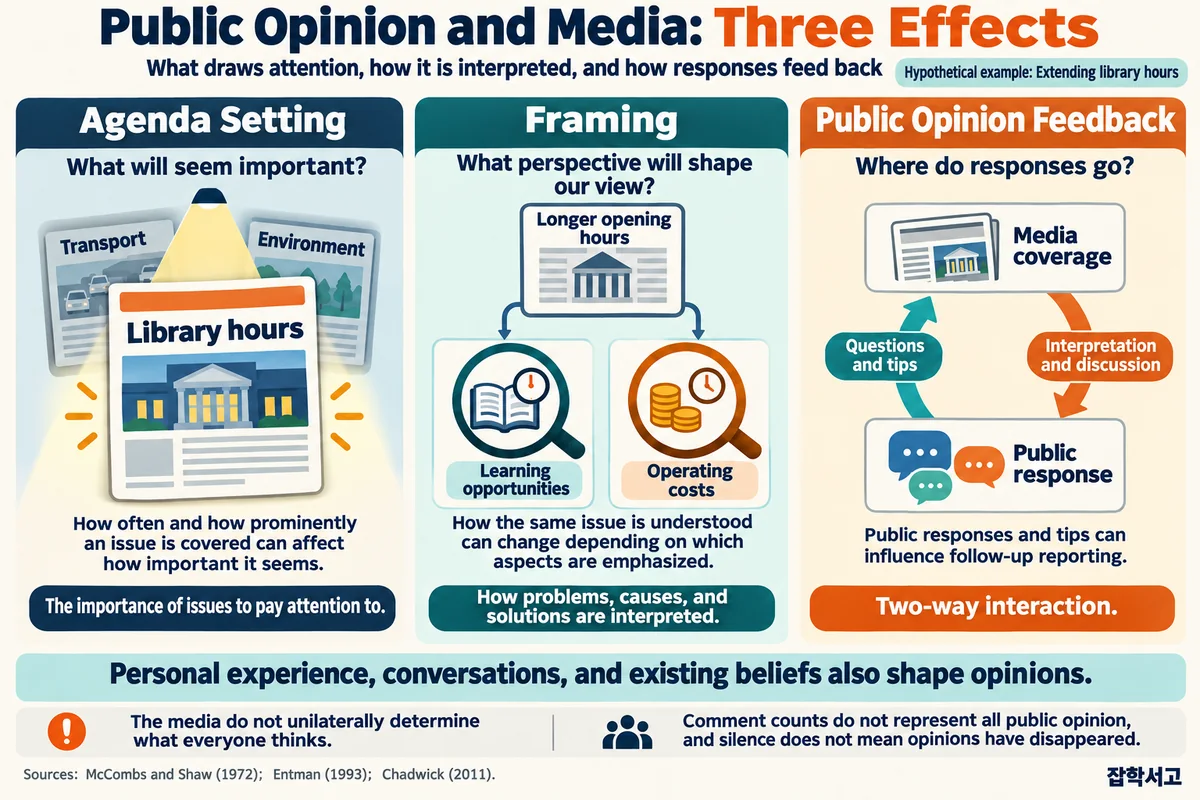
The "agenda-setting theory" holds that the public comes to perceive the importance of an issue according to which issues the press covers and how frequently it covers them. This demonstrates that the press has an important influence on public opinion formation. Beyond simply conveying information, the press plays a role in setting the social agenda and emphasizing it to the public. The public comes to regard the topics emphasized by the press as important, and public opinion forms as a result. This gives the press powerful influence over the formation of public opinion.
Framing Theory
The "framing theory" explains that the public's understanding and interpretation vary depending on how the media presents a particular event or issue. Framing is an important factor that determines how the public receives and interprets an issue. The media does more than simply convey information: it organizes information within a particular frame and presents it to the public, and this frame has a major influence on public opinion formation. For example, public reactions and opinions about the same event may differ depending on the perspective from which it is reported. Framing is an important element that concretely illustrates the media's influence in the process of public opinion formation.
Information Gap Theory
The "information gap theory" emphasizes that differences in access to information and levels of understanding across social classes affect public opinion formation. Because information is not conveyed equally to everyone, social inequality also affects the process of public opinion formation. The information gap becomes a particularly serious problem in an information society and can deepen social inequality. The gap between those who can access information and those who cannot also creates important differences in public opinion formation. This information gap can entrench social inequality and hinder the fair formation of public opinion.
The Social Impact and Role of Public Opinion Formation
Public opinion is more than a collection of social views; it is an important force driving social change and development. Once public opinion takes shape, it has an impact across political, economic, and social fields and also plays an important role in policymaking. Public opinion shapes social discourse, produces social consensus through that discourse, and ultimately serves as an important factor determining the direction of society. Because the press plays an important role in this process, reporting grounded in credibility and fairness can bring about positive changes in society.
Analyzing the Roles of Various Actors in Public Opinion Formation

The Role of Individuals in Public Opinion Formation
The individual is the basic unit of public opinion formation. Individuals interpret information based on their values, beliefs, experiences, and other factors, and form opinions through this interpretation. They receive the information provided to them and critically examine it to develop their own opinions. In addition, as opinions are shared through interactions between individuals, they gradually develop into collective public opinion. In this process, individuals' access to information, media consumption patterns, and social experiences have an important influence. The role of individuals is the starting point of public opinion formation and serves as an important factor driving discourse throughout society.
The Influence of Social Groups and Communities
Social groups and communities have a major influence on how individuals form opinions. Conversations and discussions within close relationships, such as those with family, friends, and coworkers, provide an important foundation for public opinion formation. Within these small groups, individuals have opportunities to review and revise their opinions, and the group's views may be reinforced or adjusted in the process. Interactions within communities have a particularly strong influence on the formation of individuals' values, and opinions formed through these interactions become the starting point for public opinion formation within the group. The views of social groups provide an important reference point for individuals as they form public opinion, making interactions between individuals an important stage in this process.
Political Actors' Strategies for Shaping Public Opinion
Political actors, namely politicians and governments, are major actors that directly influence public opinion formation. They focus on setting policy directions and communicating them effectively to the public to generate supportive public opinion. Election campaigns, policy announcements, and official statements are typical means of guiding public opinion formation. Political actors also manipulate or steer public opinion through close relationships with the media, using strategies that guide public perceptions in a particular direction. The messages conveyed by politicians and governments directly affect the public and thus serve as an important factor capable of significantly changing the course of public opinion.
Polling Organizations' Provision of Objective Data
Polling organizations collect and analyze the public's opinions to objectively identify trends in public opinion. Opinion polls provide important data in various fields, including policymaking and the development of marketing strategies, and are used as tools for measuring the public's views. These organizations investigate what the public thinks about specific issues and use their findings to analyze social trends and predict future directions. The objective data provided by polling organizations has a major influence on political, economic, and social decision-making and serves as an important source of information in public opinion formation.
The Contributions of Civil Society Organizations and NGOs to Public Opinion Formation
Civil society organizations and nongovernmental organizations (NGOs) also play an important role in public opinion formation. They undertake various activities to raise public interest in particular social issues and call for social change. Through campaigns, seminars, and public service advertisements, they broaden awareness of issues and contribute to shaping the public's opinions. Civil society organizations actively speak out on issues that governments or businesses do not address, playing an important role in ensuring diversity in public opinion and bringing about social change. Their activities contribute to the formation of social discourse and have a major influence on promoting social change through public opinion.
The Central Role of the Media
The media is one of the actors that play the most important roles in public opinion formation. Beyond simply conveying information, the media shapes social discourse and indicates the direction of public opinion. The information provided by the media has a major influence on how the public forms opinions, and the media's reporting methods and content in particular can determine the course of public opinion. The media changes public perceptions according to how it reports particular events and which issues it emphasizes, giving it the power to lead public opinion. For these reasons, the responsibilities and ethical standards of the press are extremely important, and the media must serve the public interest through fair and credible reporting.
Public opinion formation takes place through interactions among various actors, including individuals, social groups, political actors, polling organizations, civil society organizations, and the media. These actors contribute to public opinion formation through their respective roles, and the public's opinions develop and change under their influence. Each actor shapes social discourse and guides public opinion through its own role. This allows us to understand how society changes and develops, and it is important to grasp the complex process of public opinion formation.
Changes in the Influence of the Press as the Media Environment Changes
Changes in the Media Environment and the Digital Revolution
With the advent of the digital revolution, the media environment is changing rapidly. Moving away from traditional one-way methods of conveying information, digital media that enables two-way communication has become mainstream. This has also brought major changes to the role and influence of the press in public opinion formation. In the past, traditional media such as newspapers, radio, and television conveyed information in one direction, but today the public can actively create and share information through the internet and social media. As a result, the flow of information has become more open and diverse, and its influence on the process of public opinion formation is also growing.
Changes in How Information Is Consumed and Produced
The spread of the internet and social media has significantly changed how information is conveyed and consumed. Previously, a small number of large media companies played a central role in public opinion formation, but we have now entered an era in which anyone can create information. Through platforms such as blogs, YouTube, and Twitter, members of the general public have also come to express their opinions and influence public opinion. As a result, public opinion formation has become more democratic, allowing diverse voices to be reflected in public opinion. Alongside its positive aspects, however, this change also raises new problems concerning the reliability and quality of information.
The Emergence of Social Media and a Paradigm Shift in Public Opinion Formation
Social media provides a new paradigm for public opinion formation. Information can be shared in real time from anywhere in the world, which can rapidly change public interest in a particular issue. For example, hashtag campaigns and online petition drives illustrate how public opinion quickly takes shape and spreads around particular issues. These characteristics amplify social interest in particular matters and help organize public opinion rapidly. Because of the nature of social media, information can spread quickly and widely, and social media has established itself as a more powerful tool for shaping public opinion than traditional news media.
The Problem of the Spread of False Information and Fake News
However, social media's ability to spread information rapidly can have the negative consequence of spreading false information and fake news. Incorrect information can quickly spread to the public, negatively affecting public opinion formation. In particular, fake news is highly likely to create misconceptions among the public or be exploited by groups pursuing particular interests. These problems can reduce the quality of public opinion formation and cause social confusion. The role of the press in providing reliable information has therefore become even more important, and the press must fulfill its responsibilities in public opinion formation by providing accurate and objective information.
The Risks of Algorithms and Filter Bubbles
Digital media uses algorithms to provide users with personalized information. As a result, users experience the "filter bubble" phenomenon, in which they are selectively exposed only to information likely to interest them. Filter bubbles narrow individuals' range of information consumption and limit opportunities to encounter diverse perspectives. Consequently, the polarization of public opinion intensifies, making it difficult for balanced public opinion to form. This can cause social divisions and have the negative consequence of limiting opportunities for democratic discussion.
The Importance of Credibility and Responsibility in the Press
These changes in the media environment highlight the need to redefine the role of the press. The press must move beyond simply conveying information and explore new forms of journalism grounded in credibility and ethics. Amid the flood of information, finding reliable sources has become even more important for the public, and the press must respond by providing accurate and objective information. In addition, as a key pillar in the formation of social discourse, the press must fulfill its responsibilities in public opinion formation by offering fair and balanced perspectives.
As the media environment changes rapidly with the digital revolution, the role and influence of the press in public opinion formation are also changing. New platforms such as social media have promoted the democratization of public opinion formation, but have also caused problems such as the spread of false information and fake news and the emergence of filter bubbles. In this environment, the press must provide reliable information and fulfill its social responsibilities. Ultimately, the role of the press has become even more significant in the changing media environment, and through this role, we will be able to move toward a healthy and democratic society.
The Responsibilities and Ethical Standards of the Press
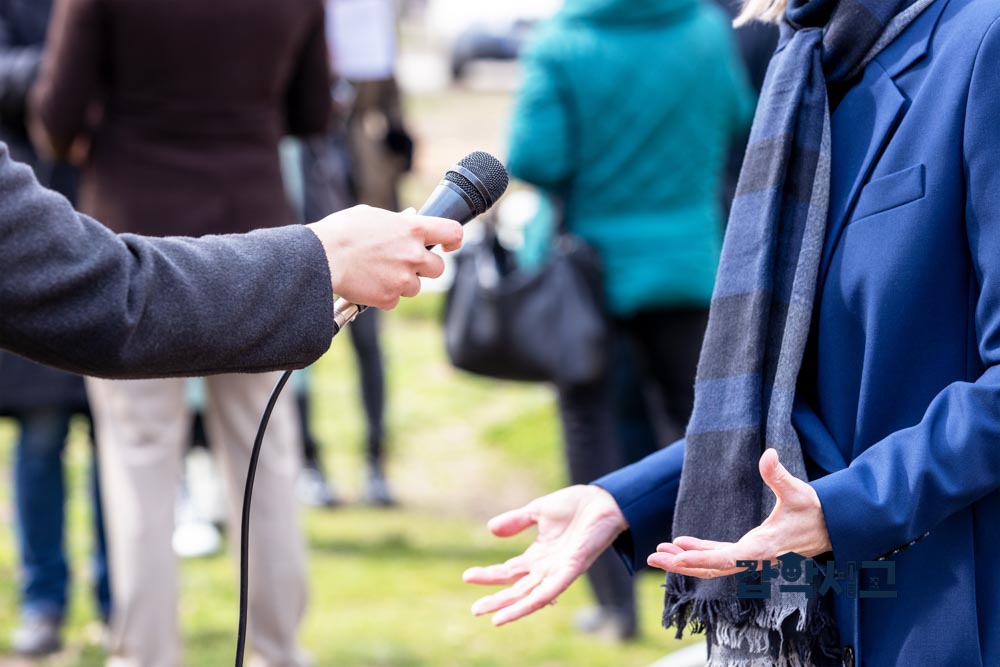
The Responsibility of the Press: A Central Role in Public Opinion Formation
Responsibility on the part of the press plays an important role in public opinion formation. As the central pillar of information delivery within society, the press must provide accurate and fair information so that the public can form sound opinions. When the press provides reliable information, the public can use it to make judgments based on facts. This responsibility is an essential element that the press must possess in public opinion formation and plays an important role in maintaining public trust. By faithfully fulfilling its responsibilities, the press can improve the quality of social discourse and shape public opinion that serves the public interest.
The Ethical Standards of the Press: Accuracy and Fairness
The first ethical standard the press must uphold is accuracy. All reporting must be based on facts, and any incorrect information that has been reported must be corrected promptly. This is a basic requirement for gaining public trust and an important principle that ensures the credibility of the press.
Fairness is also an extremely important element of journalistic ethics. The press must not convey only a particular perspective in a one-sided manner; it must provide diverse perspectives so that the public can examine issues from several angles. This allows the public to form balanced opinions that take various perspectives into account. Such fairness plays an important role in preventing the distortion of public opinion and minimizing social conflict.
Protecting Privacy and Preventing Defamation
Another important ethical standard the press must uphold is the protection of privacy. The press must respect the private lives of individuals who are the subjects of reporting and avoid unnecessary invasions of privacy. In particular, indiscriminate disclosure of private information can result in defamation or psychological harm, and the press must exercise caution to prevent these problems. The press must strike a balance between the public interest and the protection of privacy, respecting both the public's right to know and individuals' rights.
Avoiding Conflicts of Interest and Maintaining Independence
Avoiding conflicts of interest is another ethical standard for the press. Journalists must ensure that personal and commercial interests do not compromise the fairness and independence of their reporting. For example, if reporting is distorted by pressure from a particular company or political group, this can create a problem that undermines the independence of the press. For these reasons, the press must maintain its independence in the face of external pressure and provide reliable information to the public.
The Challenges of Commercial Pressure and Political Influence
In practice, the press can be vulnerable to commercial pressure and political influence. News organizations that depend on advertising revenue risk distorting the direction of their reporting according to commercial interests, which can undermine fairness. In addition, when political groups exert influence on the press, reporting may represent particular interests. These problems undermine the independence of the press and make fair and objective public opinion formation difficult. Addressing these challenges requires structural reforms and institutional improvements that can strengthen the independence of the press.
The Credibility and Sustainability of the Press
Adhering to ethical standards is essential for the press to maintain its credibility. A trustworthy press gains public support and can play a positive role in shaping social discourse. If the press loses its credibility, the public may be unable to properly receive information, and public opinion may become distorted. The press must therefore maintain trust by providing accurate information and fair reporting, thereby fulfilling its social responsibilities.
The Need for a Responsible Press
Ultimately, strengthening the responsibilities and ethical standards of the press is a central task for the sustainable development of the media environment. When the press provides reliable information and maintains fairness, the public can make accurate judgments, allowing healthy public opinion to form. The role of a responsible press therefore occupies an increasingly important place in modern society, and on this basis, we will be able to move toward a more democratic and transparent society.
Public opinion formation and the role of the press are important elements of modern society, involving complex processes through which various actors interact. Amid the rapidly changing media environment, the press continues to perform an important role, and the responsibilities and ethical standards associated with that role are becoming even more important.
The press must faithfully fulfill its role in shaping social discourse and leading public opinion on the basis of credibility and fairness. Through this, it will be able to contribute to building a better democratic society.