Liking refers to the emotional experience of feeling fond of another person. It means developing a liking for someone in everyday life, and this liking can have a significant influence on our behavior.
This article will examine the concept and characteristics of liking in psychology and its influence on human behavior, as well as the psychological factors that influence the development of liking and the current state and future prospects of research.
The Concept and Characteristics of Liking in Psychology
 What Is Liking?
From a psychological perspective, liking is the experience of liking someone and feeling positive emotions toward them. It is an emotion that arises naturally in interactions between people, and there are various reasons why we feel this way.
Various factors can influence liking, including the appearance, personality, and behavior of the person we like, or shared interests.
Liking can also change over time, and liking someone does not necessarily mean that we must trust or love them.
The Influence of Liking on Human Behavior
 What Influence Does Liking Have?
Liking has a significant influence on our behavior. Interactions with people we like give us positive feelings and increase our self-esteem and sense of happiness.
We tend to view the opinions or actions of people we like positively and to be more willing to accommodate their requests.
Interactions with people we like can strengthen our social relationships and help expand our social networks.
Psychological Factors That Influence the Development of Liking
 Factors That Determine Liking
Feelings of liking or closeness are based on various psychological factors, which play an important role in the development of interpersonal relationships. Although many psychological factors are involved, some of the main ones are as follows.
Similarity (Similarity)
People feel greater liking for those who have characteristics, values, preferences, and opinions similar to their own. Shared hobbies, experiences, and backgrounds make conversation and interaction easier.
Repeated Contact (Familiarity)
According to the psychological theory known as the 'mere exposure effect,' the more often we come into contact with a particular person or object, the more we like that person or object. This is because familiarity tends to increase liking.
Physical Attractiveness (Physical Attraction)
First impressions based on appearance or physical characteristics can have a significant influence on the development of liking. Physical attractiveness as perceived according to social standards plays a particularly important role in the early stages of interpersonal relationships.
Interdependence (Reciprocity)
People tend to like those who like them. In other words, when we feel that someone likes or respects us, we come to like that person. This follows the principle of interdependence, and friendly behavior promotes mutual liking.
Cooperation in Times of Crisis or Stress (Cooperation)
When people work together in a crisis or stressful situation, their mutual trust and liking tend to increase during the process.
Self-Enhancement (Self-enhancement)
When others positively reinforce our sense of self, we come to like them. For example, praise and positive feedback contribute significantly to the development of liking.
Shared Goals (Shared Goals)
When people share a common goal or purpose, they tend to like one another more as they work together toward that goal. These psychological factors have a significant influence on the complex process through which liking develops.
Although the degree of their influence and their relative importance may vary from person to person, these factors generally play an important role in the development of liking for most people.
Current State and Future Prospects of Research on Liking in Psychology
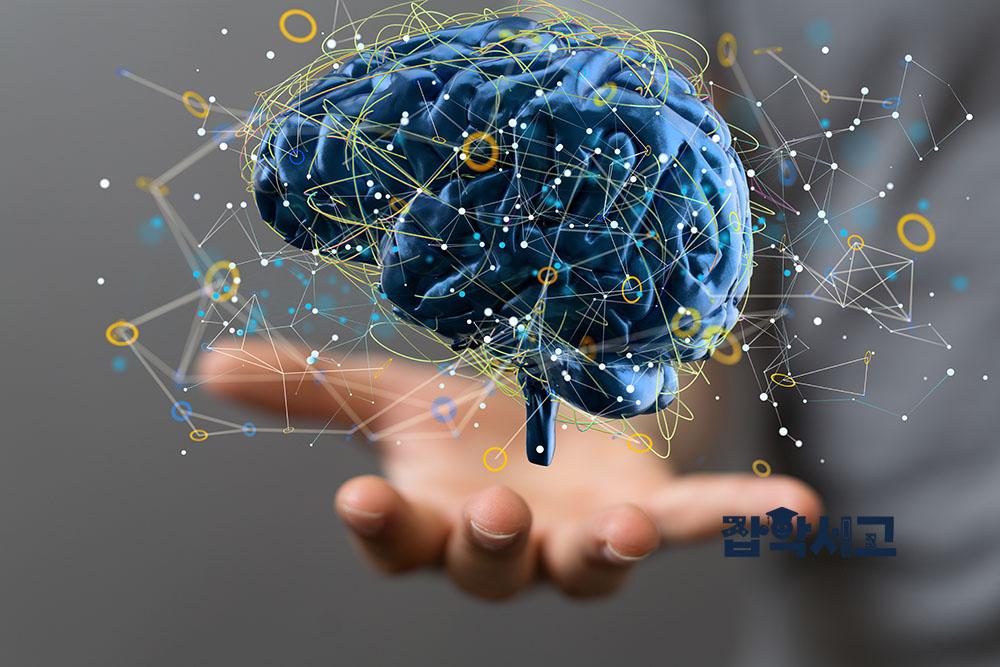 Research on Liking in Psychology
Research on liking in psychology continues to be actively conducted. These studies identify various variables that influence the development and maintenance of liking, helping us understand why we like others and how to maintain that liking.
In early research, basic factors involved in the development of liking, such as physical attractiveness, similarity, and repeated contact, were considered important.
Recently, however, more studies have used neuroscience technologies to investigate the brain regions and activity associated with the development of liking.
Research on the development of liking in digital communication environments is also increasing. For example, the mechanisms through which liking develops on SNS and patterns of liking formation on online dating apps have emerged as major research topics.
In this way, research on liking in psychology continues to develop, contributing to our understanding of complex human interpersonal relationships and interactions. Such research is expected to become even more important in the digital age and the era of globalization.
From a psychological perspective, liking is an emotion that arises naturally in our everyday lives. It is the experience of liking another person and feeling positive emotions toward them, and it has a significant influence on our behavior.
Various factors, such as appearance, personality, and circumstances, influence the development of liking, and this liking can strengthen our social relationships and help expand our social networks.
Research on liking in psychology is currently being actively conducted and is expected to provide highly useful knowledge for interactions in our everyday lives.
Further advances in research on liking in psychology will greatly benefit our social relationships and sense of happiness.