Depression is emerging as an important issue in society, and many people suffer from this condition. Depression is a serious illness that goes beyond a simple low mood, involves psychological and physical difficulties, and significantly reduces a person's quality of life. Accordingly, psychological research into the causes and treatment of depression plays an important role.
This material aims to analyze the main causes and treatment methods of depression from a psychological perspective. This will help foster a deeper understanding of depression and explore effective ways to cope with it.
The Main Causes of Depression from a Psychological Perspective

Cognitive Distortions and Depression
One of the main causes of depression is cognitive distortion. Cognitive distortion refers to a tendency to interpret particular situations in an excessively negative way and generalize these interpretations. For example, a pattern of exaggerating the significance of a minor failure and thinking of oneself as worthless can cause depression. This lowers a person's self-esteem and leads to persistent negative thinking. These distorted perceptions increase psychological anxiety and act as a major cause of depression.
Psychological Stress and the Impact of Life Events
Other major causes of depression are psychological stress and life events. Significant events such as the death of a loved one, divorce, or job loss can undermine a person's sense of psychological stability. These events cause considerable psychological shock and disrupt the balance of life. As a result, people may become emotionally exhausted and find it difficult to experience positive emotions, which can lead to depression. Ongoing stress weakens mental resilience and makes psychological recovery difficult.
The Negative Role of Defense Mechanisms
Psychological defense mechanisms are also among the factors that cause depression. Defense mechanisms are strategies used unconsciously to avoid emotional pain, but they can sometimes make problems worse. For example, avoiding problems or suppressing emotions interferes with emotional expression and can worsen depression over the long term. If defense mechanisms are not managed appropriately, they can become a factor that delays recovery from depression.
The Connection Between Low Self-Esteem and Depression
People with low self-esteem are vulnerable to depression. Self-esteem is closely related to the ability to evaluate oneself positively and recognize one's own worth. People who lack self-esteem may underestimate themselves and instill in themselves a sense of worthlessness. This negative self-perception worsens depression and further causes them to lose confidence in everyday life. Restoring self-esteem is a very important part of treating depression.
The Importance of Social Support
A lack of social support also acts as a cause of depression. Support and understanding from the people around a person, including family, friends, and colleagues, play an important role in maintaining a sense of psychological stability. When social support is sufficient, people feel secure and can prevent depression. However, when social support is insufficient or cut off, people feel lonely and alienated and may become psychologically withdrawn. This state increases the risk of developing depression.
Past Trauma and Depression
Past trauma has a significant impact on the development of depression. In particular, experiences such as childhood abuse, neglect, and sexual abuse can cause ongoing psychological pain even in adulthood. Trauma acts as an important cause of depression, and professional psychotherapy is essential to overcoming it. Psychological wounds caused by trauma do not heal naturally with time, and they are likely to lead to depression unless accompanied by appropriate treatment.
The Impact of Genetic and Environmental Factors on Depression
Genetic Factors and Depression
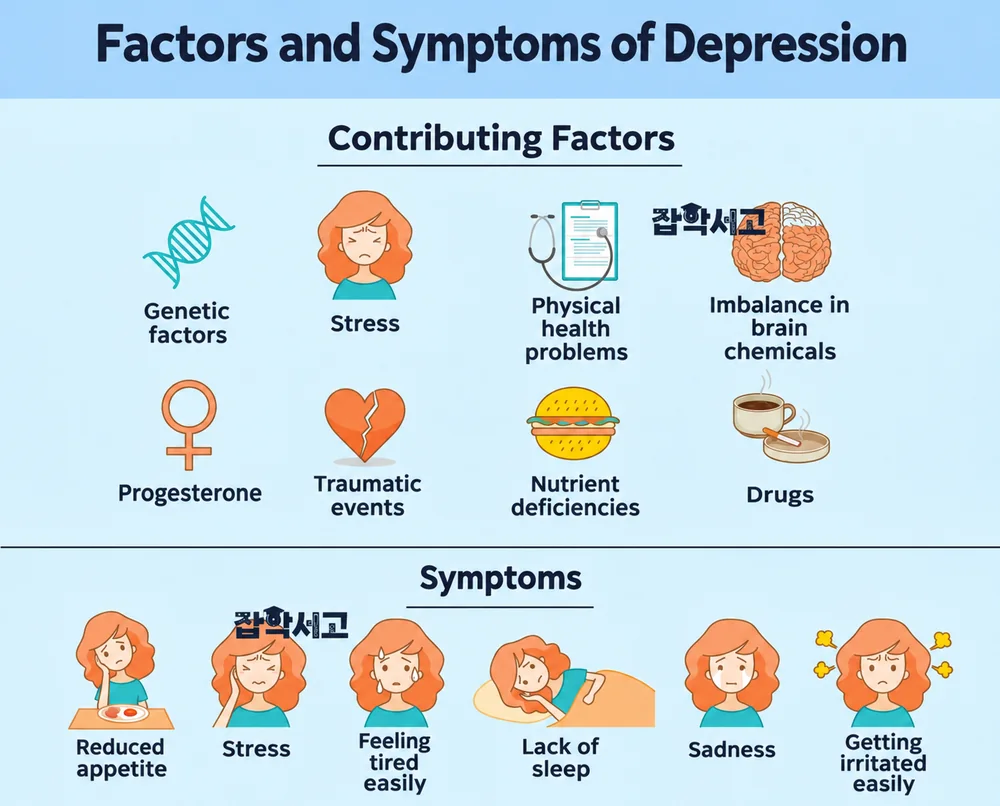
Genetic factors play an important role in the development of depression. If someone in a family has depression, members of that family are also more likely to develop depression. This is because certain genes associated with depression are passed down through generations. Indeed, people whose parents or siblings have experienced depression are more likely to experience similar emotional difficulties. However, genetic factors alone cannot explain all the causes of depression, and they interact with various other factors in complex ways.
The Impact of Environmental Factors
In addition to genetic factors, environmental factors play an important role in the development of depression. The home environment during childhood, social support, and stress experienced in everyday life are all important factors that can cause depression. In particular, persistent negative experiences during childhood, such as neglect, abuse, or conflict within the family, have psychological effects even in adulthood. This increases the likelihood of developing depression, and these environmental factors also weaken the ability to cope with stress in adulthood.
The Relationship Between Biological Factors and Depression
Chemical imbalances in the brain play an important role in the development of depression. In particular, imbalances in neurotransmitters such as serotonin, dopamine, and norepinephrine are closely related to depression. These neurotransmitters play an important role in regulating mood in the brain, and disruptions to their balance can cause depression. These biological imbalances can arise from genetic factors as well as environmental factors, such as ongoing stress or trauma. Neurotransmitter imbalances can be adjusted through medication, but long-term treatment and management are necessary.
The Impact of Social Factors on Depression
Social factors also have an important impact on the development of depression. Workplace stress, social isolation, and financial difficulties are major risk factors that can cause depression. In modern society, competition and excessive workloads place psychological burdens on individuals, and a lack of social support in these circumstances can make them more vulnerable to depression. Since social support plays an important role in strengthening a person's sense of psychological stability, maintaining and strengthening social relationships is important.
The Impact of Cultural Factors
Cultural factors are also closely related to the development of depression. In some cultures, mental health issues are viewed negatively, and people tend to hide or deny them. These cultural attitudes make it difficult to identify and treat depression early and can ultimately worsen symptoms. Attitudes toward depression vary according to cultural background, and this acts as an important variable in depression treatment. Therefore, a social environment is needed in which depression is viewed objectively, without social prejudice, and the need for treatment is acknowledged.
The Connection Between Lifestyle Habits and Depression
Lifestyle habits also have a substantial impact on the development of depression. Irregular sleep habits, nutritionally unbalanced meals, and a lack of exercise are risk factors that can cause depression. Adequate sleep plays an important role in the brain's recovery and in maintaining the balance of neurotransmitters. Healthy eating habits and regular exercise also help maintain balance in the body and mind. Maintaining healthy habits in everyday life is essential to preventing depression.
Methods of Diagnosing Depression and the Importance of Psychological Assessment

The Importance of Diagnosing Depression
Diagnosing depression is very important as the first step in beginning appropriate treatment. Because depression has a significant impact on a person's daily life and overall quality of life, establishing a treatment plan through an accurate diagnosis is essential. The diagnostic process identifies the symptoms, causes, and severity of depression, making it possible to provide treatment tailored to the patient.
The Role and Necessity of Psychological Assessment
Psychological assessment is essential to diagnosing depression. Psychological assessment involves a comprehensive analysis of a person's psychological state and plays an important role in identifying the causes of depression and assessing its severity. During this process, the patient's psychological, social, and biological factors are considered together to arrive at an accurate diagnosis. Psychological assessment goes beyond diagnosis and contributes to an in-depth understanding of the patient's overall psychological state.
DSM-5 and the Diagnostic Criteria for Depression
The most widely used tool for diagnosing depression is DSM-5 (Diagnostic and Statistical Manual of Mental Disorders). DSM-5 defines the diagnostic criteria for depression in detail, and professionals use these criteria to determine whether depression is present. The main symptoms of depression include persistent sadness, loss of interest, changes in weight, sleep disturbances, and fatigue, and depression can be diagnosed if these symptoms persist beyond a certain period. DSM-5 serves as a very important guide for systematically evaluating these symptoms.
Psychological Tests Used to Diagnose Depression
Various psychological tests are used to objectively assess the severity of depression. Representative tests include the Beck Depression Inventory (BDI) and the Hamilton Depression Rating Scale (HDRS). The Beck Depression Inventory is a self-report test in which patients assess their own emotional state, allowing the degree of depression to be measured. The Hamilton Depression Rating Scale is a clinician-rated tool used to analyze a patient's depressive symptoms more precisely. These tests provide important information for objectively understanding the patient's psychological state and developing appropriate treatment approaches on that basis.
The Importance of Analyzing Personal Medical History and Life History
A comprehensive analysis of a person's medical history and life history is also an important part of diagnosing depression. Past events experienced by the patient, whether depression is present in the family, and current lifestyle habits may all be related to the causes of depression. In particular, negative childhood experiences or stressors can have a substantial impact on the onset of depression in adulthood. This information enables professionals to develop an appropriate treatment plan for the patient, which also plays an important role in long-term recovery from and prevention of depression.
The Need for Ongoing Monitoring After Depression Treatment
Diagnosing and treating depression is not a one-time process. Regular psychological assessments and monitoring of treatment progress are necessary even after the initial diagnosis. This is important for evaluating the effectiveness of treatment and adjusting the treatment plan according to the patient's condition. In addition, depression requires ongoing management because it is an illness with a high likelihood of recurrence. Regular psychological assessment is essential to preventing recurrence and maintaining the patient's overall psychological health.
Psychotherapy and Medication: Approaches to Overcoming Depression
The Two Main Approaches to Treating Depression
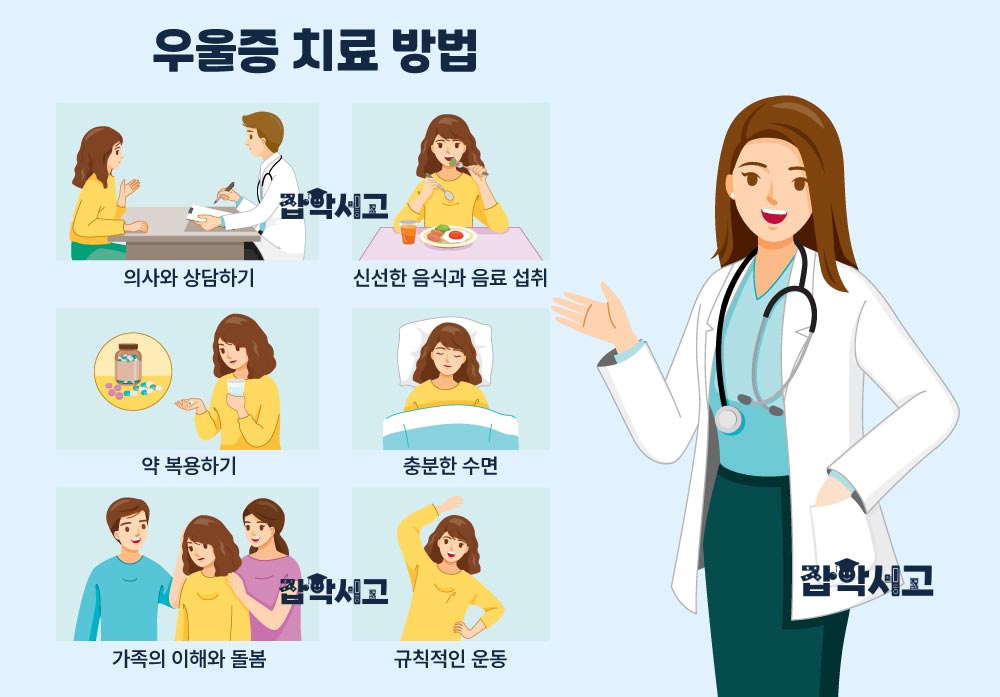
Various treatment methods are needed to overcome depression, and psychotherapy and medication are the two most important approaches among them. These approaches complement each other, aiming to relieve the symptoms of depression and promote long-term healing. Psychotherapy focuses on improving the patient's mental state, while medication focuses on correcting neurotransmitter imbalances.
The Role of Cognitive Behavioral Therapy (CBT)
One of the most widely used methods in psychotherapy is Cognitive Behavioral Therapy (CBT). CBT focuses on correcting the negative thought patterns and cognitive distortions experienced by patients with depression. Patients with depression often tend to view themselves or the world negatively, and CBT aims to transform these negative perceptions into positive thinking. During this treatment process, patients are helped to reassess their own emotions and behavior and, through this, maintain a more positive emotional state.
The Importance of Interpersonal Therapy (IPT)
Another psychotherapy technique is Interpersonal Therapy (IPT). IPT focuses on resolving interpersonal problems experienced by patients with depression and strengthening their social support systems. This therapy helps patients resolve conflicts or feelings of alienation in their relationships with others and form healthy social relationships. Because problems that arise in interpersonal relationships can act as causes of depression, resolving these problems plays a very important role in treating depression.
Medication and Neurotransmitter Regulation
Medication is an important way of addressing biological factors in depression treatment. Selective Serotonin Reuptake Inhibitors (SSRIs) are one of the most commonly used types of medication. SSRIs relieve the symptoms of depression by regulating the balance of neurotransmitters such as serotonin in the brain. Various other antidepressants are also used, and patients are prescribed medications suited to their individual conditions. Medication can be more effective when combined with psychotherapy and allows both physical and emotional symptoms to be managed simultaneously.
The Limitations and Side Effects of Medication
However, medication is not suitable for every patient. Medication can sometimes cause side effects, and prescribing it requires particular care for adolescents or pregnant women. It is important to adjust the type and dosage of medication while considering the patient's physical condition and individual needs. Because side effects of medication may include weight gain, sleep disturbances, and fatigue, a thorough understanding of these issues and consultation are necessary.
The Importance of Active Patient Participation and Social Support
The most important factor in treating depression is the patient's active participation. Treatment becomes more effective when patients honestly express their emotions and condition and take an active role in the treatment process. Social support is also essential to overcoming depression. Warm support and understanding from family and friends enhance the patient's sense of psychological stability and provide considerable strength to continue the treatment process. This social support plays an important role in helping patients avoid isolation and maintain their commitment to treatment.
Depression is an illness that arises through the complex interaction of various causes, and psychological understanding and approaches are very important to overcoming it. Genetic factors act together with social and environmental factors to cause depression, and systematically analyzing and understanding these complex causes is important. Professional psychological assessment and individually tailored treatment plans are essential for this purpose.
Psychotherapy and medication play important roles in treating depression. In particular, treatment effectiveness is further maximized when active patient participation is accompanied by support from family and society. Overcoming depression requires ongoing attention and effort, and through these efforts, patients will be able to lead better lives.