HR (Human Resources, human resource management) has established itself as a key element in corporate success and securing sustainable competitiveness, and is recognized not merely as a means of recruiting and retaining talent but as a major asset for achieving an organization's strategic objectives. HR plays a pivotal role in improving organizational performance by maximizing people's potential and ensuring that the entire company shares common goals and direction and operates efficiently.
This material will provide an in-depth analysis of the importance and modern role of HR, how business strategy and HR interact, innovative HR management techniques for strengthening organizational competitiveness, and the changes emerging in the global business environment.
Analyzing the Importance and Modern Role of Human Resource Management

The Fundamental Importance of Human Resource Management
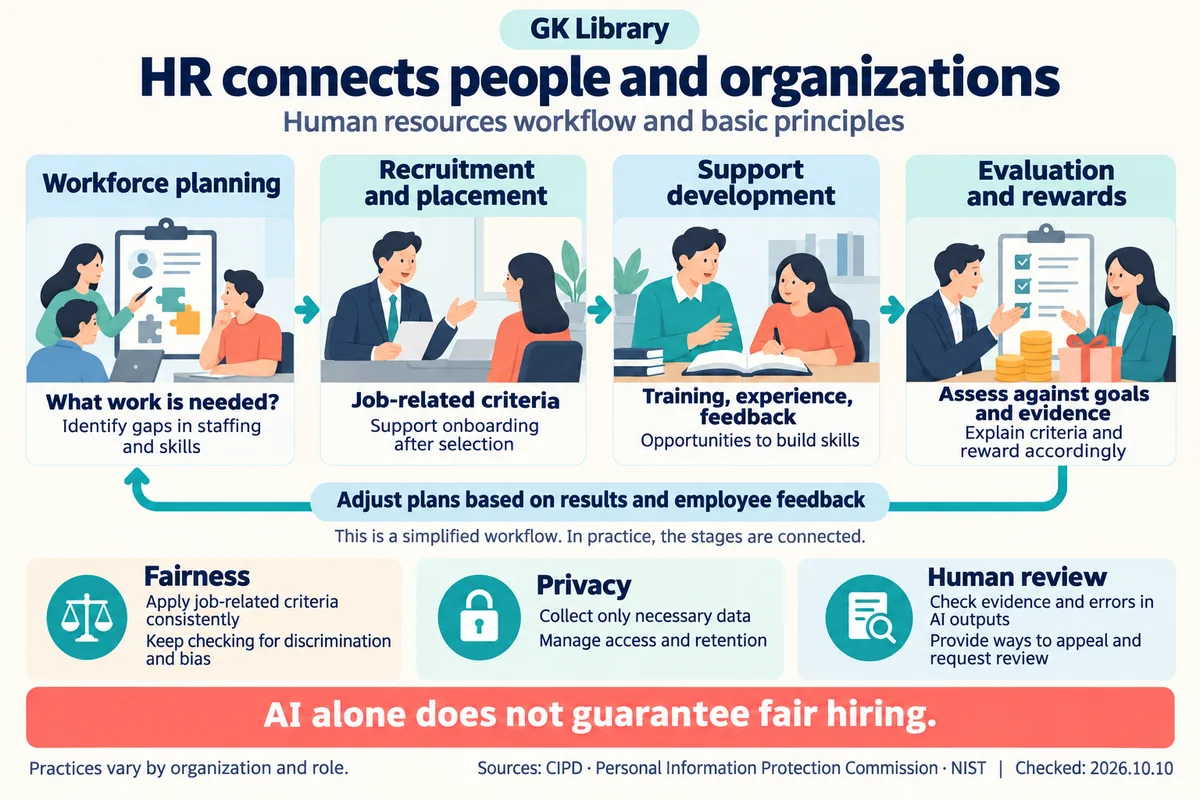
Human resource management contributes to achieving organizational goals by efficiently managing and utilizing human resources, an important organizational asset. Through this, organizations establish a foundation for increasing productivity and competitiveness and pursuing sustainable success. In particular, its core purpose is to help every member of the organization make the most of their capabilities through a range of activities such as recruitment, training, evaluation, compensation, and improvements to the working environment.
Through these various functions, human resource management has become an essential factor that determines a company's overall performance and contributes to stable organizational growth over the long term. As the economic and social environments facing each organization continually change, HR plays a pivotal role in helping organizations respond flexibly to change.
The Modern Role as a Strategic Partner
Modern human resource management goes beyond simply managing personnel and emphasizes its function as an organization's strategic partner. This means that HR understands the organization's long-term goals and vision, assigns people appropriately to achieve them, and works to maximize their abilities. This strategic approach enables HR to contribute to achieving the organization's core objectives and allows HR and management to work closely together in shaping the direction of the entire organization.
HR directly influences management's decision-making process and plays a pivotal role in jointly considering and establishing the direction the organization should pursue. This shift in the role of modern HR has made human resources a company's most important source of competitiveness, enabling companies to respond flexibly and swiftly in rapidly changing markets.
The Influence on Shaping Organizational Culture and Values
HR plays an important role in shaping an organization's culture and values and continually strengthening them. In particular, HR promotes internal communication and encourages participation among organizational members, helping align organizational goals with individual goals. As a result, employees experience high levels of satisfaction and loyalty, producing positive effects that naturally translate into organizational performance.
A strong organizational culture helps employees see themselves as important members of the organization and provides a solid foundation for supporting organizational growth over the long term. HR also increases employees' sense of unity and strengthens their sense of belonging in their roles, encouraging them to approach their work more proactively and enthusiastically. Through this, organizations can consistently maintain high employee productivity and performance.
Technological Advances and an Integrated Approach to HR
Today, HR uses various technologies, including big data, artificial intelligence, and cloud computing, to manage human resources more efficiently and precisely. These technological advances enable HR to support important decisions with data and make workforce management more predictable. For example, AI-based analytical systems are used in recruitment and performance management to evaluate candidates' capabilities and organizational fit, while a data-based approach enables more precise talent deployment and training plans.
Technological advances have led HR to introduce innovative techniques that go beyond traditional management methods, and these changes play an important role in strengthening the efficiency and competitiveness of the entire organization. HR uses technology to understand members' needs, provide an optimal working environment, and implement an integrated approach that directly contributes to achieving organizational goals.
A Modern HR Paradigm Based on Diversity and Inclusion
Modern HR incorporates Diversity and Inclusion into an organization's core values, respecting members' diverse backgrounds and characteristics and promoting creativity and innovation through them. When employees with different experiences and perspectives work together, organizations can generate more innovative ideas and solutions, further strengthening their competitiveness in global markets.
An inclusive HR approach creates a culture that recognizes and embraces diversity within the organization, allowing employees to work in an environment where they feel more comfortable and respected. This ultimately leads to higher employee satisfaction and positively affects organizational performance over the long term. HR plays a key role in designing organizational culture and policies based on this diversity and inclusion and supporting members' growth and development.
The Future of Human Resource Management and Sustainable Growth
In conclusion, HR is an essential element in achieving an organization's strategic objectives, and its importance is increasingly emphasized in the modern business environment. Going beyond a simple management function, HR acts as a strategic facilitator that drives organizational growth and development, responding proactively to a changing environment through a flexible and integrated approach.
Organizations need to recognize the importance of human resource management and make it a strategic priority to maintain long-term competitiveness and pursue sustainable growth.
The Interaction Between Business Strategy and Human Resource Management

The Essential Interaction Between Business Strategy and Human Resource Management
The interaction between business strategy and human resource management is essential to securing organizational performance and sustainable competitiveness. Business strategy establishes a company's long-term vision and goals and provides the direction needed to achieve them. Human resource management, meanwhile, plans and deploys the human assets needed to put this strategy into practice, managing talent in a manner consistent with organizational goals throughout the process. By closely aligning strategy and HR, organizations can maintain their competitiveness and grow even in a changing market environment.
In particular, because business strategy provides a roadmap for long-term success as well as short-term results, it establishes clear criteria for how human resources should be managed and developed. Through this interaction, organizations can retain and develop people with capabilities aligned with their goals, thereby achieving sustainable growth.
The Influence of Business Strategy on Human Resource Management
Business strategy has a major influence on the direction and structure of human resource management and serves as an important criterion for determining how an organization manages its workforce. For example, companies that make innovation and creativity their core strategy prioritize recruiting people with flexible mindsets and focus on creating an organizational environment where they can freely express creative ideas. Conversely, organizations whose strategies emphasize cost reduction focus on strengthening productivity by adopting workforce deployment and management methods that improve efficiency.
In this way, business strategy determines the direction of human resource management and establishes a foundation for all organizational members to share the organization's vision and goals and move forward together. When strategy changes, HR also needs to adjust flexibly in step with it, enabling the company to develop the ability to respond proactively to change.
The Strategic Support Role of Human Resource Management
Human resource management plays an important role in supporting the smooth implementation of business strategy. HR focuses on maximizing corporate performance by strengthening employees' capabilities to achieve organizational goals and deploying them in line with strategic objectives. For example, it provides the necessary education and training programs for departments that require specific capabilities, helping employees achieve organizational goals.
HR also contributes to developing talent aligned with strategic objectives by evaluating employee performance and using those evaluations as a basis for talent development. Since organizational success is achieved through the combined performance of individuals, HR's strategic support role becomes a driving force behind organizational performance. Through this, organizations establish a system that enables them to continually maintain the capabilities needed to achieve their goals and quickly recruit external talent when necessary.
HR's Contribution to Greater Flexibility
The interaction between business strategy and human resource management is central to increasing organizational flexibility. To respond quickly to a rapidly changing market environment, an organization's workforce structure and capabilities must be able to adjust flexibly to change. HR develops workforce plans that reflect these changes and, when particular skills or knowledge are needed, either recruits people who can quickly provide them or develops the required capabilities through internal training.
HR also continually assesses employees' capabilities and provides retraining as needed to help people adapt to a changing environment. Through this, organizations can respond swiftly to market changes and establish a foundation for maintaining and developing their competitiveness over the long term.
The Influence on Shaping Organizational Culture and Values
HR plays an important role in shaping organizational culture and values and sharing and strengthening them within the organization. This includes helping align the organization's goals and vision with the goals of individual employees. HR encourages employee participation and promotes internal communication to facilitate cooperation within the organization, thereby fostering high levels of job satisfaction and loyalty.
In organizations with a strong culture, employees feel that they play an important role as members of the organization, which increases their engagement with their work. Over the long term, this culture has a positive influence by strengthening cooperation among members and maximizing organizational performance. By continually maintaining and developing this organizational culture, HR helps members internalize the organization's values and share its goals.
A Foundation for Stronger Competitiveness and Sustainable Growth
In conclusion, the interaction between business strategy and human resource management plays an important role in helping companies achieve sustainable growth. By developing and retaining talent aligned with strategic objectives, organizations can respond flexibly to a changing environment and thereby maintain long-term competitiveness. This integrated approach enables both organizational growth and stable operations, providing a foundation for continued corporate development.
Companies must fully recognize the importance of human resource management and make it an organizational priority, thereby establishing a solid foundation for future success.
The Need for Innovative Human Resource Management Techniques

Innovative human resource management techniques involve introducing new approaches beyond traditional methods to improve organizational efficiency and productivity. A rapidly changing business environment and technological advances continually alter organizations' human resource requirements, creating a need for innovative management techniques tailored to these changes. Whereas existing workforce management focused solely on achieving organizational goals, innovative techniques focus on helping people make the most of their capabilities. These techniques play an important role in strengthening organizational competitiveness and supporting sustainable growth across various areas, such as recruitment, development, and performance management.
An Innovative Approach to Talent Selection Using AI
Talent selection using AI (artificial intelligence) greatly improves the efficiency of recruitment and contributes to reducing costs and time. Traditional recruitment processes require substantial personnel and time, and bias may enter the resume review process. AI analyzes the resumes of large numbers of applicants, precisely evaluates their experience and capabilities, and automatically identifies suitable candidates. This can minimize human error and bias and enable fair recruitment based on data.
AI-based systems also predict applicants' potential performance to recommend the people best suited to the organization and provide important analysis during interviews to improve the accuracy of talent selection. This enables companies to shorten the recruitment process and secure better talent, strengthening organizational performance and competitiveness. This innovative approach is especially helpful for companies that need to recruit on a large scale or global companies seeking talent across different regions.
Improving Efficiency Through Data-Based Workforce Analytics
Data-based workforce analytics contributes to improving overall organizational performance by predicting and measuring employee performance, satisfaction, likelihood of turnover, and other factors. This enables managers to make more accurate decisions based on data and helps them retain and deploy the talent the organization needs. For example, analyzing data on employees' working environments and benefits to identify areas for improvement can maximize employee satisfaction and performance.
Workforce analytics also helps identify factors that serve as important variables in organizational performance. If a particular department has a high turnover rate, the organization can identify the causes and develop improvements, or analyze the differences between high and low performers to formulate strategies for improving performance. This data-based approach enables organizations to manage human resources more predictably and build an efficient workforce management system.
Expanding Remote Work and Creating a Flexible Working Environment
Expanding remote work is an innovative human resource management technique adopted by many companies since the COVID-19 pandemic, improving work efficiency by providing a flexible working environment. Remote work supports employees' work-life balance by allowing them to carry out their work without being constrained by time or location. As a result, employee satisfaction improves and work efficiency increases, positively affecting corporate performance as well.
Remote work also provides companies with opportunities to recruit talent from around the world without being limited to a particular region. By securing global talent, organizations can bring in people with diverse capabilities and perspectives, contributing to corporate innovation and stronger competitiveness. In an environment where remote work is widespread, digital tools become important for ensuring smooth collaboration and communication, helping maintain workflow and productivity.
Promoting Creativity Through Job Autonomy
Providing autonomy in job design is an innovative human resource management technique that helps employees exercise creativity and initiative. Autonomy refers to employees' authority to plan and carry out their work independently, and it plays an important role in improving performance by strengthening responsibility and motivation. When employees can make autonomous decisions about their work, higher levels of engagement and performance can be expected.
Innovative companies such as 3M encourage employees to develop new ideas and products by giving them opportunities to devote a certain amount of time to personal projects. This autonomy helps employees realize creative ideas in their own ways within the organization and provides a foundation for promoting organizational innovation over the long term. This approach delivers particularly strong results in fields where creative work is important, such as R&D.
Strengthening Collaboration and Communication Through Digital Tools
The use of digital collaboration tools is an important element of modern human resource management, particularly in supporting smooth collaboration and communication among employees in remote working environments. Digital platforms such as Slack, Microsoft Teams, and Zoom provide features that allow employees to communicate and collaborate in real time, enabling rapid information sharing and problem-solving.
Collaboration using digital tools makes it possible to see a project's progress at a glance and simplifies work coordination among team members, helping maximize productivity. These platforms also enable effective collaboration regardless of physical distance through features such as file sharing, scheduling, and video conferencing. Effective use of digital tools can help employees achieve higher performance and greatly improve organizational work efficiency.
Strengthening Organizational Competitiveness Through Innovative Human Resource Management Techniques
In conclusion, innovative human resource management techniques are important means of moving beyond traditional management methods to strengthen organizational competitiveness and pursue sustainable growth. Various techniques, including AI and data analysis, remote work, and digital collaboration tools, enable efficient and effective human resource management within organizations. Through these techniques, organizations can respond flexibly to a changing business environment and achieve sustainable growth over the long term.
Innovative human resource management goes beyond simply managing personnel and focuses on maximizing organizational performance by creating an environment where people can grow and develop independently. Each organization should make this a strategic priority to establish a solid foundation for future success.
Changes in Human Resource Management in the Global Business Environment

The Global Business Environment and New Challenges for Human Resource Management
Changes in the global business environment present new challenges and opportunities for corporate human resource management. As boundaries between countries break down and global markets become integrated, companies now face the complex task of managing people with diverse cultural backgrounds and needs. Existing management methods struggle to respond effectively to these changes, making tailored approaches that reflect the varied circumstances of different countries essential. Only companies that successfully manage human resources in a global environment can secure a sustainable competitive advantage, which becomes an important foundation for corporate growth.
Talent Mobility and Talent Acquisition Strategies Amid Global Competition
As globalization increases talent mobility, securing and retaining outstanding talent is emerging as an important challenge for companies. People now move in search of better working conditions and career development opportunities without being tied to a particular region, and companies need to introduce flexible talent management policies that account for this. In these circumstances, it is important to develop comprehensive and competitive recruitment strategies targeting global talent.
In particular, companies must establish inclusive personnel policies that respect the cultural characteristics and values of people from each region. For example, they should help people develop a sense of belonging and loyalty to the organization through flexible working conditions, localized compensation systems, and support programs that reflect cultural diversity. This comprehensive approach plays an important role in helping companies maintain competitiveness in global markets and reliably secure outstanding talent.
The Importance of Localization Strategies
In the global business environment, localization strategies tailored to the unique characteristics of each region are essential. Localization strategies go beyond simply adapting to language or customs and involve developing tailored personnel policies that reflect each region's legal, economic, and cultural characteristics. This enables companies to build trusting relationships with employees based on respect for local culture, positively affecting long-term performance.
For example, multinational companies must comply with each country's labor laws and practices while implementing policies that reflect local employees' characteristics and needs. It is also important to establish compensation and benefits systems suited to regional economic conditions and living standards so that employees feel they are treated fairly. These localization strategies help employees in each region develop positive perceptions of the company, strengthening organizational stability and performance.
The Importance of Remote Work and Digital Collaboration
Technology-enabled remote work and digital collaboration have become essential elements in the global environment. Remote work offers a way to overcome geographical constraints, providing companies with opportunities to collaborate with talent around the world. In particular, since the COVID-19 pandemic, remote work has become a necessity rather than an option, and companies need to build advanced technological infrastructure and provide digital platforms that allow employees to collaborate smoothly.
Digital collaboration tools overcome the limitations of distance between regions and play an important role in improving work efficiency. Digital platforms such as Slack, Microsoft Teams, and Zoom greatly improve work efficiency by providing features that allow employees to communicate and collaborate in real time. Digital tools also facilitate communication and project management among employees in different time zones, helping maximize performance across the organization. Through this, companies can ensure that global teams maintain high levels of cooperation beyond geographical limitations and strengthen their competitiveness.
Sustainable Management and Human Resource Management Based on ESG Criteria
In the global business environment, sustainable management and human resource management based on ESG (Environment, Social, Governance) criteria are receiving increasing emphasis. To succeed in global markets, companies must introduce personnel policies that consider long-term sustainability beyond short-term results. HR practices based on environmentally conscious policies, social responsibility toward local communities, and transparent governance play an important role in helping companies secure trust and brand value in global markets.
For example, creating an environmentally friendly working environment and introducing work-from-home policies aimed at reducing carbon footprints are good examples of meeting ESG criteria. Companies can also fulfill their social responsibilities by creating an inclusive organizational culture that provides equal opportunities to all employees regardless of race, gender, or age. Such sustainable management not only improves a company's image but also provides a foundation for building long-term trust and achieving growth in global markets.
Developing Global Leadership and Promoting Collaboration Among Diverse Teams
In the global business environment, developing global leadership is essential for promoting smooth communication and collaboration among employees with diverse cultural backgrounds. Global leadership involves cultivating leaders with an international outlook and developing leadership capabilities that effectively achieve organizational goals while respecting cultural diversity. This helps diverse teams cooperate effectively and enables employees from different backgrounds to share the organization's goals and vision.
Leaders with global leadership capabilities must be able to understand and reconcile cultural differences, thereby creating an environment where each team member can make the most of their capabilities. This leadership is particularly important when managing international projects or global teams and contributes to greater cooperation and unity throughout the organization. Global leadership also plays an important role in embracing and utilizing cultural diversity within the organization to develop creative and effective solutions in a changing environment.
The Importance of Strategic Human Resource Management in the Global Business Environment
In conclusion, changes in the global business environment require a more strategic and integrated approach to human resource management. Strengthening competitiveness in global markets requires personnel management that understands and embraces diverse cultures and values, enabling employees to develop strong loyalty and a sense of belonging to the organization. It is also important to introduce environmentally friendly and socially responsible personnel policies that reflect ESG criteria to achieve sustainable growth in the global environment.
This approach to global human resource management goes beyond simply achieving a company's short-term goals and establishes a foundation for long-term success and sustainable growth.
In conclusion, HR is an essential element in realizing an organization's strategic objectives and plays an important role in promoting sustainable corporate growth. HR works closely with business strategy to clarify organizational direction and contributes to strengthening an organization's competitive advantage by applying innovative HR techniques suited to the changing global environment.
This integrated HR approach provides a foundation for improving a company's long-term competitiveness and growth potential, enabling it to establish a solid foundation for future success. Therefore, each company needs to recognize the importance of HR and make it a strategic priority to secure a sustained competitive advantage and prepare for the future.