In the business environment, a deep understanding of organizational behavior has become an essential element of successful organizational operations. Organizational behavior explores how individuals and groups interact within an organization and how those interactions affect the organization as a whole. This understanding plays an important role in formulating and implementing management strategies, shaping organizational culture, and increasing work efficiency.
This resource will examine in detail the definition and importance of organizational behavior, why it is needed in management strategy, the main components of organizational behavior theory, and management case studies and methods of application.
The Concept and Importance of Organizational Behavior
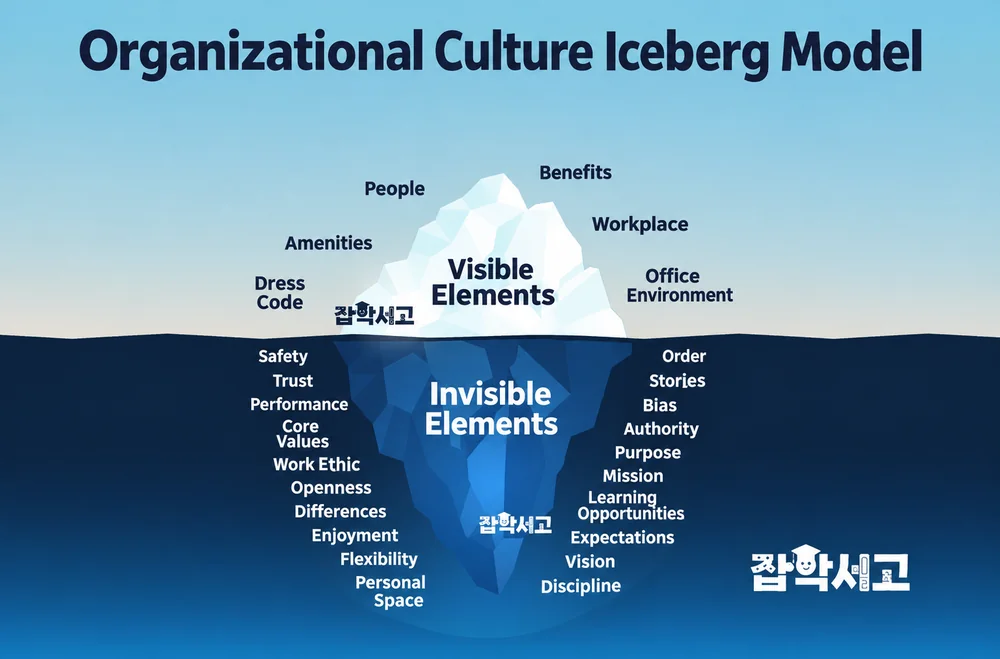
Organizational behavior is the process of studying how individuals and groups behave within an organization and analyzing the effects of that behavior on the organization as a whole. It serves as a key element in preventing and resolving the various problems that arise within an organization. Addressing both individual behavior and group dynamics, it explores ways to contribute to the achievement of organizational goals.
This concept plays a very important role in an organization's operations. For example, an understanding of organizational behavior is very useful when seeking to mediate conflicts within an organization or increase cooperation between teams. In particular, it serves as an essential tool for aligning organizational and individual goals, thereby maximizing organizational efficiency.
The Role and Necessity of Organizational Behavior
In today's business environment, organizations must adapt swiftly to rapidly changing circumstances. Amid globalization, digital transformation, and rapidly changing market conditions, organizations need the ability to understand and manage employees' behavior in line with these changes. A deep understanding of organizational behavior provides management with important insights and plays a major role in developing strategies that can lead the organization to success.
Analyzing how individual and group behavior within an organization affects its performance is very important. This enables managers to encourage employee motivation and create a healthier, more productive environment within the organization. This process is also directly linked to achieving the organization's long-term goals.
Organizational Behavior and Organizational Culture
Organizational culture is an important element that encompasses an organization's beliefs, values, and behavioral norms, and it greatly influences the behavior of all its members. Through organizational behavior, managers can understand these cultural elements and develop strategies for creating a desirable organizational culture.
Organizational culture is an important factor directly linked to organizational performance. A sound organizational culture promotes collaboration among employees and plays an important role in achieving the organization's consistent goals. In contrast, a flawed culture can cause conflicts within the organization or increase inefficiency. It is necessary to use organizational behavior to analyze and improve organizational culture.
Human Resource Management and Organizational Behavior
Organizational behavior also plays an important role in human resource management. An understanding of organizational behavior is essential at every stage of human resource management, including recruitment, training and development, and performance evaluation. It contributes to managing employees so that they can perform at their best within the organization and using human resources efficiently in line with organizational goals.
In particular, the allocation and management of human resources within an organization directly affect organizational performance. It is necessary to use organizational behavior to analyze employees' traits and capabilities and, on this basis, establish a system for assigning the most suitable talent. This process can also contribute to greater employee satisfaction and improved organizational performance.
Strengthening Organizational Competitiveness and Organizational Behavior
An understanding of organizational behavior ultimately contributes to strengthening an organization's competitiveness. It helps resolve the various problems faced by the organization and enables employees to carry out their roles efficiently within it. A deep understanding of organizational behavior is essential both for achieving organizational goals and for long-term growth.
Management strategies based on organizational behavior promote employee cooperation and help the organization remain competitive in the market through innovative ideas. This enables continued organizational growth and establishes a foundation for responding successfully even in uncertain future environments.
The Relationship Between Management Strategy and Organizational Behavior

An understanding of organizational behavior is an essential element in the process of formulating management strategies. It helps organizations set long-term goals and a vision and identify the concrete methods needed to achieve them. When analyzing an organization's internal and external environments, it is important to identify members' behavioral patterns, as this allows an accurate assessment of the organization's strengths and weaknesses. By analyzing the interactions and behavioral patterns within an organization, its strategic direction can be defined more clearly.
Organizational Behavior in Change Management
Change is essential to an organization's survival and development. However, members often resist the process of change. An understanding of organizational behavior helps identify the causes of such resistance and develop strategies to overcome it effectively. Encouraging behavioral change among members is at the heart of change management, and organizational behavior provides practical guidance on how to bring about this change. Members' participation and cooperation are essential for change to succeed, and these can emerge naturally through the process of understanding organizational behavior.
The Correlation Between Leadership and Organizational Behavior
Leadership is an important factor in determining an organization's success. Understanding organizational behavior enables leaders to identify accurately what motivates each member and apply appropriate leadership styles on that basis. Because not all members are motivated in the same way, it is important to use organizational behavior to analyze each individual's behavioral patterns and needs. Based on the results of this analysis, leaders can make more effective decisions and create the environment members need to achieve organizational goals.
Promoting Innovation and Organizational Behavior
Continuous innovation is necessary to maintain and strengthen an organization's competitiveness. Organizational behavior plays an important role in generating innovative ideas by encouraging members' creativity and spirit of cooperation. Innovation is not limited to technological change; it is a process of solving problems in new ways within the organization and finding better methods. Members' active participation is essential to this process, and understanding organizational behavior can encourage such participation. Organizational behavior also plays a very important role in creating an innovative organizational culture.
Communication Strategies and Organizational Behavior
Smooth communication within an organization is the key to efficient operations. If communication is inadequate, misunderstandings can arise or cooperation can be hindered. Organizational behavior helps analyze members' various communication styles and evaluate how each style affects the organization. On this basis, managers can develop communication strategies suited to the organization and use them to enhance cooperation among members. Ultimately, smooth communication is essential to achieving organizational goals.
The Necessity and Effects of Organizational Behavior
Ultimately, understanding organizational behavior in management strategy is an important factor in improving an organization's overall performance. By analyzing organizational behavior, organizations can prevent various potential internal problems in advance and effectively manage key elements of management strategy, such as change management, leadership, innovation, and communication. This serves as an important tool for addressing the challenges facing an organization and provides strong support for successfully achieving its goals.
An Overview of Organizational Behavior Theory and Its Importance

Organizational behavior theory is an essential tool for understanding and analyzing the behavior of individuals and groups within an organization. The theory consists of various components, each of which directly affects organizational performance and efficiency. By understanding and applying these components, organizations can achieve better performance.
Analyzing Individual Behavior
The first component of organizational behavior theory is individual behavior. An individual's personality, perception, values, and attitudes are important factors in determining how that person will behave within an organization. For example, extroverted people are more likely to interact actively with others, which positively affects teamwork and collaboration. Conversely, introverted people may perform better in tasks requiring concentration and analytical skills. These individual characteristics also directly affect job satisfaction and job performance.
Furthermore, an individual's values and attitudes are important factors in determining their commitment to their work and sense of responsibility. These ultimately affect organizational performance, and organizations need to understand and manage these characteristics of their members well.
Group Behavior and Its Importance
The second component is group behavior. Organizations consist of various groups, and interactions within these groups play an important role in organizational performance. Factors such as communication, conflict management, and collaboration within a group greatly affect the team's cohesion and efficiency.
Understanding group behavior can strengthen teamwork and enhance trust and cooperation among members. The core of group behavior lies in aligning team goals and encouraging members to work toward shared goals. This can improve performance across the organization.
Organizational Structure and Its Effects
Organizational structure is the third important component of organizational behavior theory. An organization's hierarchy, distribution of authority, and decision-making processes greatly affect its operational efficiency. For example, a flat organizational structure enables rapid decision-making and a swift response to change, but dispersed authority can also cause confusion.
Organizational structure also affects the concentration and decentralization of power, which influence the flow of communication and the speed at which work is handled within the organization. Designing an appropriate organizational structure is an important strategic choice for achieving organizational goals.
Organizational Culture and Performance
The fourth component is organizational culture. Organizational culture encompasses the beliefs, values, and customs shared by an organization's members and serves as the standard for all behavior within the organization. Organizational culture greatly influences employees' behavior, which is closely related to organizational performance over the long term.
A healthy organizational culture can provide members with a consistent direction and promote teamwork and a spirit of cooperation. Conversely, a flawed organizational culture can cause conflicts among members and reduce organizational performance. Understanding and managing organizational culture is therefore very important.
The Importance of Leadership Styles
Leadership style is another important factor in determining an organization's performance and direction. Organizational behavior theory analyzes various leadership styles and their effects and, through this analysis, proposes the leadership strategy best suited to the organization. For example, some situations may call for democratic leadership, while a crisis may require strong leadership.
Leaders can accelerate the achievement of organizational goals by identifying what motivates members and using this understanding to apply a leadership style suited to each individual. The overall atmosphere and performance of an organization can vary depending on the leadership style.
Motivation and Productivity
Finally, organizational behavior theory emphasizes the importance of motivation. Motivation plays a key role in helping individuals and groups engage in their work and improve performance. Organizations must understand what motivates their members and use this understanding to design appropriate reward systems or improve the work environment, thereby supporting members in achieving higher performance.
Appropriate motivational strategies can increase organizational productivity and member satisfaction, contributing to stronger organizational sustainability over the long term.
Management Case Studies and Applications of Organizational Behavior

Google's Application of Organizational Behavior Principles
Google is a leading example of a company that has built a creative and autonomous organizational culture based on organizational behavior principles. Through a flat organizational structure and open communication, Google gives employees autonomy, encouraging a greater sense of responsibility and motivation. Google's 20% policy is a prime example, allowing employees to devote 20% of their working time to projects of their own choosing. This policy supports employees in freely developing creative and innovative ideas, and many of Google's successful products were developed through it.
For example, services such as Gmail began with an idea developed by a Google employee as a personal project during their 20% time. This application of organizational behavior principles went beyond simply carrying out tasks to promote employees' creativity and innovation and contributed to strengthening Google's global competitiveness. Google also used a culture of open communication to allow employees to exchange opinions freely, enabling them to solve problems more quickly and maximize efficiency.
A Case Study of Improving Job Satisfaction at Starbucks
Starbucks is known for using organizational behavior principles to increase employees' job satisfaction and thereby improve service quality. Starbucks refers to all employees as "partners" and has created a culture in which they are respected as important members of the organization rather than merely as service providers. Starbucks has also continuously provided employees with training and development opportunities, improving both their job satisfaction and their performance.
For example, Starbucks runs systematic training programs to enable employees to provide effective customer service and supports their development in various areas, including leadership and coffee knowledge. It also uses a performance evaluation system to assess employees' efforts and achievements fairly and establishes promotion opportunities and reward systems on that basis. These applications of organizational behavior principles have greatly increased employees' job satisfaction, leading directly to improvements in service quality and customer satisfaction.
Applying Organizational Behavior Through Toyota's "Kanban" System
Japan's Toyota is recognized as a leading example of applying organizational behavior principles to improve productivity. Toyota's "Kanban" system enables the real-time exchange of information during the production process and provides an environment in which employees can work together to solve problems. Through this system, Toyota was able to reduce inefficiencies in its manufacturing processes and significantly improve its level of quality management.
Simply put, the "Kanban" system is a method of ensuring that the parts or materials needed at each stage of production are provided just in time, allowing employees to identify and respond to production-line requirements in real time. The system emphasizes teamwork and mutual communication and has made a major contribution to reducing unnecessary inventory and improving product quality. Toyota's approach has greatly influenced manufacturers around the world and provides a good example of how organizational behavior principles can maximize manufacturing efficiency.
An Example of Promoting Collaboration in Nonprofit Organizations
International relief organizations use organizational behavior principles to create environments in which members from diverse cultural backgrounds can cooperate. For example, the international nonprofit organization Doctors Without Borders operates in many countries around the world and uses various forms of communication and cooperation to enable people from different cultural backgrounds to work together.
To build trust among its members, the organization establishes policies that respect cultural differences and provides training to enable people with different languages and backgrounds to communicate effectively. This has made rapid, efficient responses possible even in emergencies and contributes greatly to achieving the organization's goals. This collaborative environment has been created through organizational behavior principles and plays an important role in successfully addressing complex global challenges.
Applying Organizational Behavior Principles in Change Management
When an organization introduces a new strategy or carries out restructuring, it is important to minimize members' resistance and help them accept the change smoothly. For example, IBM applied organizational behavior principles while pursuing digital transformation to manage employees' resistance to change effectively. To lead the change successfully, IBM thoroughly explained the need for change to employees in advance and clearly communicated how the organization could grow through it.
IBM also provided opportunities for employees to participate in the change process so that they could feel they were agents of change. This approach led employees to accept the change positively and greatly helped minimize resistance during digital transformation. Change management strategies based on organizational behavior principles play an important role in enabling organizations to adapt quickly to new environments and sustain long-term success.
The Importance of Practical Applications of Organizational Behavior
Organizational behavior principles are applied across various industries and organizations as an important tool for promoting innovation and performance. Global companies such as Google, Starbucks, and Toyota, as well as nonprofit organizations and manufacturers, are maximizing performance through organizational behavior principles, demonstrating that whether an organization succeeds depends on how it manages the behavior of individuals and groups within it.
An understanding of organizational behavior plays an essential role in increasing organizational efficiency and performance. By systematically analyzing individual and group behavior, organizational behavior can suggest various strategies that contribute to achieving organizational goals.
An understanding of organizational behavior is essential in areas such as management strategy formulation, human resource management, organizational culture development, and change management, and it also makes an important contribution to strengthening organizational competitiveness. Therefore, developing a deep understanding of organizational behavior and applying it to actual management will be an important task for every organization.