The Nobel Prize is one of the world's most prestigious awards, presented annually to individuals or organizations that have achieved outstanding accomplishments in their respective fields. This distinguished award offers people who have contributed to human progress in various fields, including science, literature, and peace, an opportunity to have their achievements recognized.
This material aims to analyze in depth the origins and historical background of the Nobel Prize, its award categories and criteria, and the influence its laureates have had on society and human development. Through this analysis, it seeks to explore the importance of the Nobel Prize and its symbolic significance in depth.
The Nobel Prize: An Analysis of Its Origins and Historical Background
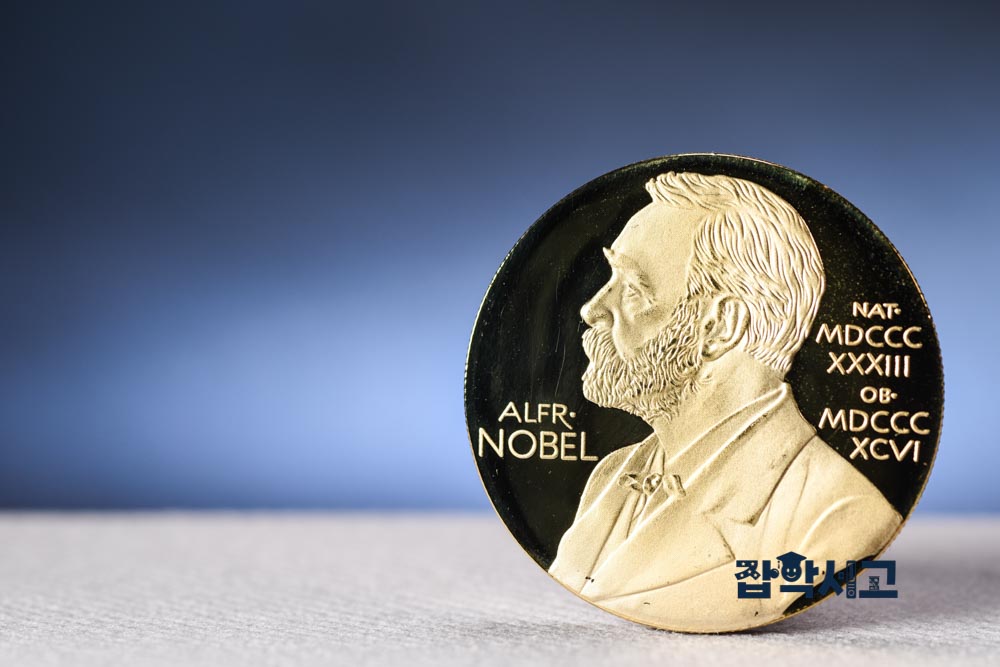
Alfred Nobel's Legacy and the Birth of the Nobel Prize
The Nobel Prize originated in the will of Alfred Nobel, an inventor from Sweden. He amassed an enormous fortune by inventing dynamite, but became deeply troubled when he saw his invention being used in war. Nobel eventually decided to use his wealth in a way that could contribute to humanity's welfare, and this decision took concrete form in his will. In 1895, Nobel drew up a will stipulating that prizes should be awarded each year to people who contributed to physics, chemistry, medicine, literature, and peace. Following his death, the Nobel Prizes began to be awarded in 1901, becoming an important legacy he left for human progress.
Early Administration of the Nobel Prize and Its International Expansion
The Nobel Prize was initially administered jointly by Sweden and Norway, and its prestige spread throughout the world over time. Early awards were primarily given within Europe, but as the 20th century progressed, laureates began to emerge from various countries and cultural backgrounds. This means that the Nobel Prize firmly established its standing as an award that recognizes progress and contributions benefiting humanity as a whole.
Historical Context and the Importance of the Nobel Prize
The late 19th and early 20th centuries, when the Nobel Prize was first awarded, were a period of rapid scientific and industrial development. During this time of growing enthusiasm for new technologies and knowledge, the Nobel Prize established itself as an award that recognized not only scientific discoveries but also contributions that brought positive changes to human life. Because innovation in science and technology was an important factor determining humanity's future at the time, the role of the Nobel Prize stood out even more.
Alfred Nobel's Vision for Peace
Nobel did not have only the advancement of science and technology in mind. His will also included a peace prize, reflecting his profound desire to promote peace throughout the world and harmony among humanity. In particular, feeling guilty that he had contributed to war by inventing dynamite, he sought to encourage contributions to peace, and the Peace Prize symbolically demonstrates this intention. This also explains why the Nobel Prize encourages not only scientific discoveries but also contributions to humanity's welfare and peace.
The Role of the Nobel Prize in Modern Society
Today, the Nobel Prize has an enormous influence not only in academia but also throughout society. Nobel laureates attract worldwide attention, and their achievements suggest new possibilities for human development. Each field in which the Nobel Prize is awarded plays an important role in addressing current challenges and preparing for the future, aligning with the realization of the human welfare Alfred Nobel envisioned.
Nobel Prize Categories: From Science to the Humanities
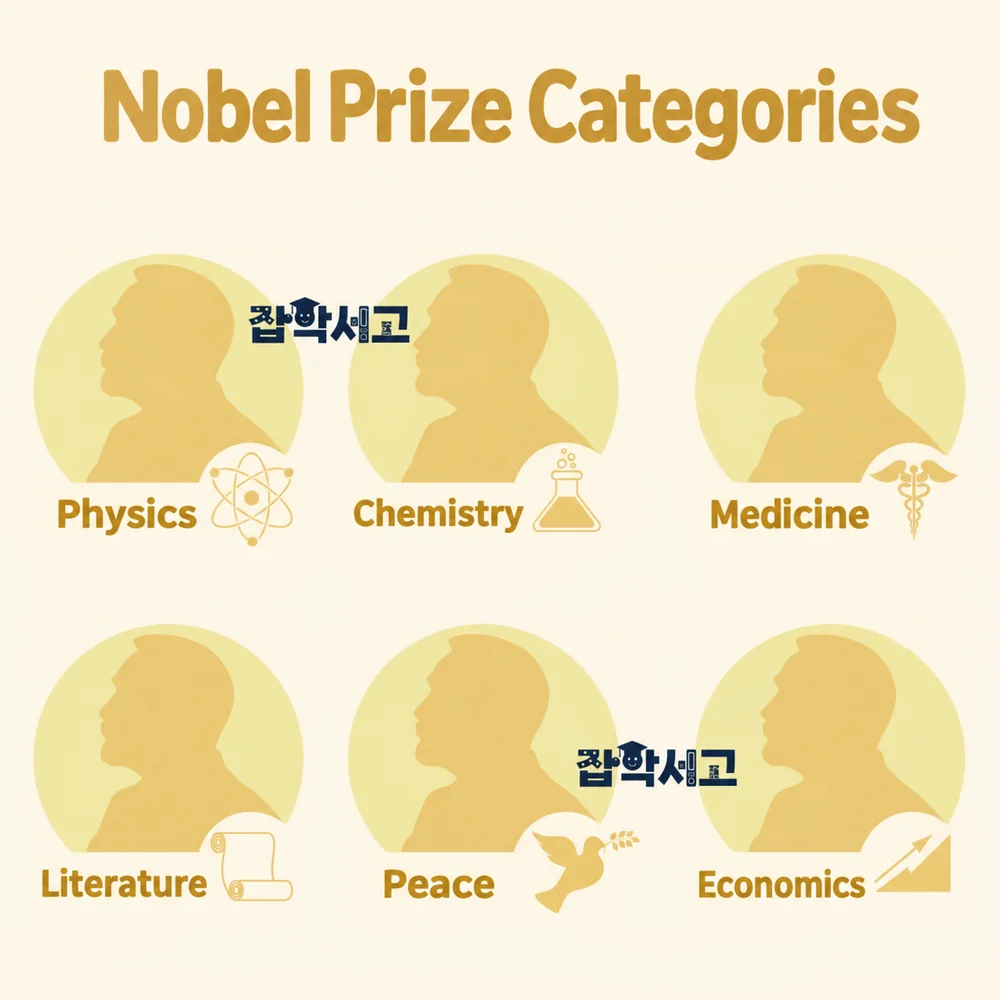
The Expansion of Nobel Prize Categories and Their Contemporary Significance
The Nobel Prize originally covered five fields, but economics was added in 1968 through a donation from Sweden's central bank, and it is now awarded in six fields. The prize encompasses achievements that have contributed to various aspects of human development, including physics, chemistry, physiology or medicine, literature, peace, and economics, with individuals recognized for contributions of global significance in each field selected as laureates. As the award categories expanded, their significance also broadened, and the Nobel Prize became an important award symbolizing innovation and contributions in each field for humanity's future.
The Physics Prize: Revealing the Fundamental Laws of the Universe
The Physics Prize is awarded to researchers who have contributed to exploring and understanding the fundamental principles of the universe. It focuses on new theories or experimental discoveries that explain the laws of nature, such as gravity, electromagnetism, and quantum mechanics. For example, research that reveals the interaction between light and matter, the properties of elementary particles, or the origins and structure of the universe becomes an important factor in receiving the prize. The Physics Prize drives the development of modern science and technology and greatly expands humanity's understanding of the universe and natural phenomena. Such research has practical effects on various fields, including advanced technology, communications, medicine, and energy, and contributes to improving human life.
The Chemistry Prize: A New Understanding of Chemical Processes and Reactions
The Chemistry Prize is given to researchers who have offered new interpretations of the properties and reactions of matter. Chemistry is a discipline closely connected to everyday life, making important contributions in various fields, including the development of new drugs, the discovery of new materials, and environmental protection. Laureates primarily make innovative discoveries, such as revealing the mechanisms of reactions at the molecular level or developing new chemical processes. Recently, research achievements in various subfields, including biochemistry, organic chemistry, and nanotechnology, have been recognized, and these achievements have practical effects on pharmaceutical development, clean energy, and the reduction of environmental pollution.
The Physiology or Medicine Prize: Contributing to Human Health and Longer Lives
The Physiology or Medicine Prize is awarded to researchers who have contributed to improving human health and extending life. It primarily recognizes achievements in identifying the causes of diseases or developing treatments. For example, vaccine development, genetic research, and the development of cancer drugs are representative examples of prizewinning research. In particular, research in various life science fields, including immunology, neuroscience, and virology, has recently attracted attention, and such research contributes greatly to addressing the health problems humanity faces. The Physiology or Medicine Prize plays an important role in improving human health and welfare beyond simply treating diseases.
The Literature Prize: Broadening the Human Spirit and Social Understanding
The Literature Prize is awarded to writers who have contributed to broadening humanity's spiritual and social understanding. Writers who deeply explore human nature, social issues, and cultural differences through various genres, including novels, poetry, and plays, are primarily those who receive the honor of the prize. Literature reflects and sometimes critiques human life and society, offering readers new insights and moving experiences. The Nobel Prize in Literature honors these literary achievements, and its laureates express universal human experiences, thereby helping the spiritual growth of humanity as a whole. The Literature Prize is important because, beyond their literary achievements, these works promote social change and progress.
The Peace Prize: Dedication to World Peace
The Peace Prize is awarded to individuals or organizations that have contributed to promoting peace worldwide, including through the resolution of political conflicts, the advancement of human rights, and humanitarian activities. The Peace Prize is one of the most controversial awards because its recipients are often evaluated within political and social contexts. Nevertheless, it honors achievements that have contributed to international peacebuilding, recognizing laureates for their dedicated efforts and accomplishments for peace. For example, mediation in conflict regions, assistance for refugees, or activities to protect human rights are major reasons for receiving the prize. The Peace Prize carries important significance as a symbol of harmony and coexistence among humanity, one of the Nobel Prize's fundamental goals.
The Economics Prize: Economic Innovation and Social Contributions
The Economics Prize is given to researchers who have made innovative achievements in economic theory and practice. It includes research on economic policy, market structures, international trade, and financial systems, and recipients are evaluated for their practical social contributions as well as their theoretical discoveries. Recently, research offering practical solutions to the economic challenges faced by modern society, including addressing inequality, achieving sustainable economic growth, and responding to climate change, has attracted attention. The Economics Prize is awarded to researchers who have contributed to improving humanity's welfare and resolving economic imbalances, and this has important effects throughout society.
Nobel Prize Award Criteria: The Review Process and Evaluation Methods
The Thoroughness of the Nobel Prize Review Process
The selection of Nobel laureates is one of the world's most rigorous procedures, involving thorough reviews to maintain fairness and transparency. An independent selection committee is established for each Nobel Prize category, consisting of experts recognized as leading authorities in the relevant field. The review process is conducted confidentially, with external influences strictly excluded, and candidates enter consideration through nominations from various sources. Distinguished scholars, research institutions, and previous laureates from different countries can nominate candidates, and the influence and expertise of the nominators are important considerations in this process.
After closely examining candidates' achievements, the selection committee ultimately chooses individuals or organizations that have made major contributions to humanity in the relevant field. Every stage is conducted carefully, with in-depth discussions of the significance of candidates' achievements and their broader social impact. This process is conducted in strict confidentiality to exclude external pressure or interference, with an emphasis on ensuring a fair review.
Rigorous Evaluation Criteria in Scientific Fields
In the scientific Nobel Prize categories, particularly physics, chemistry, and physiology or medicine, the impact of candidates' research achievements on human knowledge and technology is evaluated in depth. The innovative nature of scientific research and its contribution to society are particularly important evaluation criteria. Citation counts and assessments within academia are also important factors, but evaluation is not based solely on numbers. Key review criteria include whether candidates' research has opened new horizons, advanced existing theories or technologies in innovative ways, and made practical contributions to humanity's welfare.
The extent to which scientific achievements have contributed to technological development or industrial progress is also an important factor. For example, the practical effects on society as a whole of developing new energy sources, inventing disease treatments, or making scientific discoveries for environmental protection are also evaluated. These evaluation criteria focus on research that has contributed directly or indirectly to human progress, beyond academic achievement alone.
Evaluation in Literature: Literary Achievement and Social Influence
The Nobel Prize in Literature places importance on evaluating the ability to express human life and society through literature. Both the literary achievements of a work and its influence on readers and society are central to the evaluation. Literature laureates must explore human nature and social issues through their works, providing readers with deeply moving experiences and new insights in the process.
Alongside a work's artistic quality, its messages about social change and to the public are also important evaluation factors. Literature is a powerful tool that can offer critical perspectives on social issues and inspire new awareness and ways of thinking in readers. Evaluations examine in depth whether these literary achievements have brought positive changes to society as a whole, as well as the work's social influence and significance in its time.
The Peace Prize: Practical Contributions to Promoting Peace
The Nobel Peace Prize is awarded to individuals or organizations that have contributed to promoting peace for humanity, and its evaluation criteria are somewhat distinctive compared with those of other fields. Peace laureates must make practical contributions to peace in various areas, including resolving international conflicts, protecting human rights, and providing humanitarian assistance, and their activities must have positive effects on society as a whole.
In evaluating candidates for the Peace Prize, important considerations include whether recipients have actually contributed to promoting peace within their political and social environments and whether those contributions are sustainable rather than temporary. For example, mediating international disputes, concluding peace agreements, and responding to humanitarian crises are important review criteria. This process involves an in-depth examination of whether recipients' activities have actually contributed to building a peaceful society rather than being merely symbolic.
The Peace Prize can generate political controversy because of its nature, but it has nevertheless established itself as an important award that recognizes and encourages dedication to promoting peace. Peace laureates receive international attention, and their activities serve as examples for people around the world.
The Economics Prize: Innovative Research for Economic Development
The Nobel Prize in Economics is awarded to researchers who have made innovative contributions to economic theory and policy. The economy is an important element of human society, and the Economics Prize recognizes achievements in studying and advancing it. Recipients are primarily selected based on achievements that offer practical solutions to social problems, such as reducing economic inequality, stabilizing financial systems, and devising approaches to sustainable growth.
In the Economics Prize review process, the influence of research on actual policies and society is an important evaluation criterion alongside theoretical discoveries. Beyond theoretical contributions alone, the evaluation focuses on whether the research has been applied in practice to economic policy and how social and economic problems have been resolved as a result. Recently, research on climate change, sustainable economic growth, and addressing inequality has attracted attention as major areas receiving the prize.
The Final Approval Process of the Nobel Foundation's Board
After the selection committees in each field decide on the laureates, the Nobel Foundation's board is responsible for final approval. The board respects the committees' decisions but can request additional review when necessary. This process confirms once again whether laureates have been selected fairly and thoroughly. Because the Nobel Prize is a global award that attracts the attention of millions of people, this procedure is extremely important for maintaining its fairness and credibility.
The final approval procedure of the Nobel Foundation's board is not merely a formality, but an important process that ensures fairness and objectivity. Through this process, it confirms that laureates have been selected fairly and ensures that the Nobel Prize can maintain its prestige.
The Evolution of Award Criteria to Meet Changing Times
The Nobel Prize's award criteria are not fixed but continually evolve to reflect the needs of the times and changes in society. This allows the Nobel Prize to function as an award that offers guidance for humanity's present and future development, rather than merely commemorating past achievements. The Nobel Prize focuses on identifying individuals or organizations that contribute to addressing the challenges of their time and opening up a new future, which is one reason it continues to maintain its global reputation.
Award criteria that evolve with the times give the Nobel Prize a significance beyond that of an ordinary award. It recognizes diverse contributions to humanity's welfare and peace and will continue to identify individuals who positively influence human society.
The Impact of Nobel Laureates: Social and Academic Contributions

The Social Influence of Nobel Laureates
Nobel laureates bring about important changes throughout society through their achievements. Laureates in scientific fields, in particular, contribute to developing new technologies and software applications, accelerating social development and having practical effects on various industries. New materials and technologies that improve energy efficiency developed by physics and chemistry laureates play key roles in advanced industries. These technologies bring important advances in several fields, including environmental protection, energy resource management, and information technology, and are widely applied throughout society.
Laureates' achievements go beyond academic research, making practical contributions to improving people's quality of life in their daily lives. Their innovations promote economic development, and industries based on their research findings are growing in various countries. Advances in high technology, in particular, strengthen countries' competitiveness and provide an important impetus for changes across industrial structures.
Contributions to Medical Innovation and Longer Lives
Research by Physiology or Medicine laureates is a driving force behind innovation in medical technologies and treatments. Their research contributes greatly to identifying the causes of diseases and developing effective treatments, and its results are put to practical use in hospitals and research institutions around the world. For example, vaccine development, gene therapy, and immunology research save countless lives and contribute to better health.
Their achievements have produced important breakthroughs in disease prevention and treatment, providing a foundation for healthy human life beyond simply treating diseases. Technologies for treating and preventing serious illnesses, in particular, are improving the quality of medical services worldwide, and their results are being applied in practice within countries' healthcare systems. Such research contributes greatly not only to advances in medical technology but also to extending human life and improving quality of life.
Broadening Social Understanding and Empathy Through Literature
Nobel laureates in literature play an important role in broadening humanity's capacity for understanding and empathy through literature. Their works offer new perspectives on social and cultural issues, providing readers with deep insights into various worldviews and ways of life. Through its exploration of society and human nature, literature not only moves readers deeply but also becomes a catalyst for change by offering new interpretations of the issues of its time.
The works of literature laureates encompass diverse cultures and social backgrounds, helping readers think from other people's perspectives and empathize with them. This promotes exchange and understanding between cultures and contributes to creating a social atmosphere in which different cultural communities understand and respect one another. In this way, literature goes beyond artistic achievement, serving as an important tool for bringing about social change and reflection.
Promoting Peace and Contributing to the International Community
Nobel Peace laureates are at the forefront of peacebuilding and the advancement of human rights in the international community, and their activities attract considerable attention worldwide. They are dedicated to creating a peaceful world through resolving international conflicts, providing humanitarian assistance, and working to protect human rights. Laureates' activities profoundly influence the international community and play an important role in raising awareness of peace and human rights.
The achievements of Peace laureates serve as catalysts for social change, and their efforts contribute to resolving disputes and conflicts around the world. Through this, the importance of peace is emphasized and international cooperation to build peaceful societies is strengthened. Their achievements go beyond symbolic significance, playing a practical role in actually bringing about social change and promoting coexistence among humanity.
Addressing Social Problems and Achieving Economic Growth Through Economics
Nobel laureates in economics have made innovative contributions to economic theory and policy, with practical effects on economic growth and the resolution of social problems. Their research provides solutions to various economic challenges, including increasing the stability of financial markets, promoting economic growth, and proposing measures to reduce the gap between rich and poor. Beyond theoretical research, it is applied to actual economic policies, providing important guidance for the management of national economies.
Research by economics laureates helps various economic actors, including governments, businesses, and nonprofit organizations, address the problems they face, contributing to the reduction of economic inequality and to sustainable growth. Their research findings have practical effects on the formulation of economic policies around the world and play an important role in global economic stability and growth.
The Nobel Prize goes beyond the glory of receiving an award, placing the greatest importance on the positive influence laureates have on humanity. The prize honors its recipients while also offering direction for humanity's future. By understanding the Nobel Prize's various award categories and criteria, as well as laureates' social contributions, we can clearly recognize its true value.
Alfred Nobel's legacy continues to this day, and his vision inspires many people around the world. The Nobel Prize will continue to serve as a guidepost for humanity's ongoing progress and peace.