Seasonal fruits are loved by many people because each season’s fruits are rich in their own particular nutrients. By following the seasonal fruits recommended as spring, summer, autumn, and winter change, you can enjoy fresh fruit suited to each season.
This article organizes and introduces the seasonal fruits recommended for each season. We will take a detailed look at the characteristics of each season’s fruits and the health benefits they bring.
Spring Seasonal Fruits (March–May)
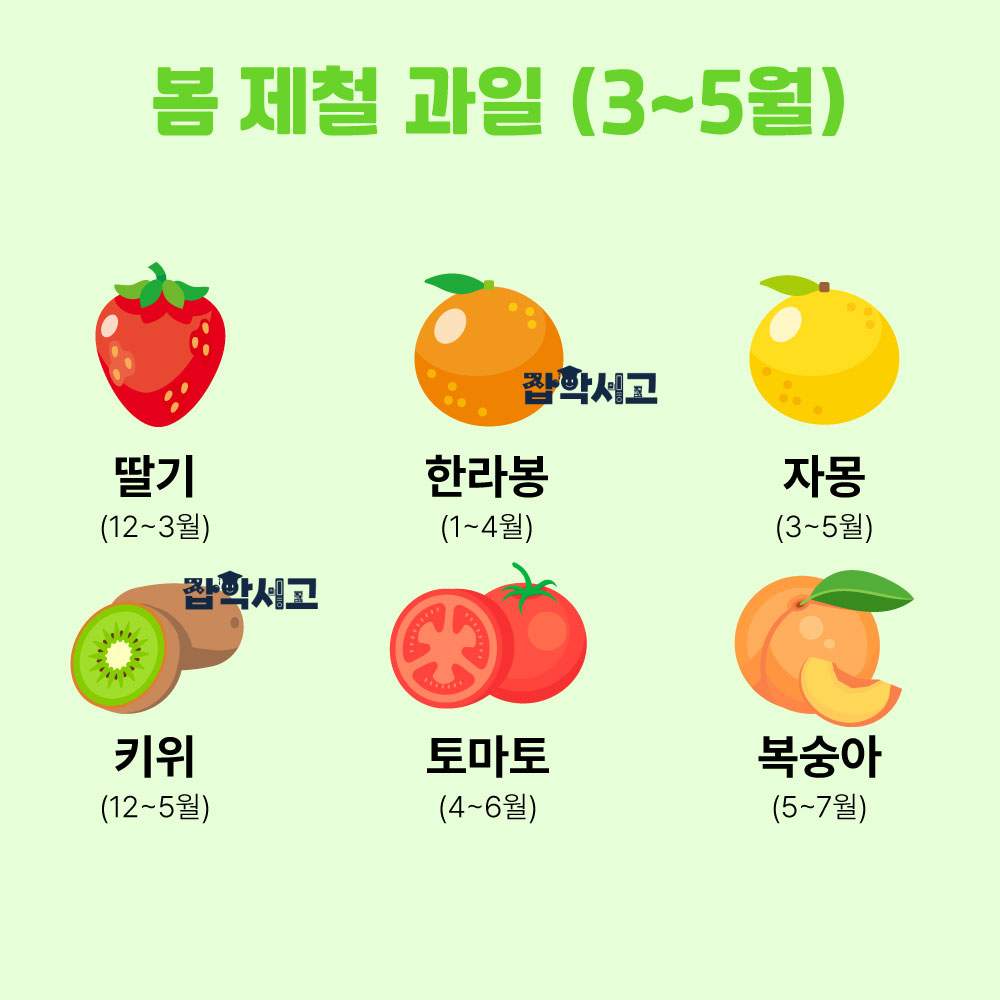 Spring seasonal fruits (March–May)
March Seasonal Fruit: Strawberries
Strawberries are the signature spring fruit, at their most delicious in March. Rich in vitamin C, they help restore immunity weakened over the winter. They also contain plenty of antioxidants, which help prevent skin aging and brighten skin tone. Low in calories, strawberries are a good choice for people on a diet, and their fresh, sweet taste makes them a fruit loved by many.
March–April Seasonal Fruit: Hallabong
Hallabong is in season from March to April and, being rich in vitamin C, is excellent for preventing colds. It also contains a lot of potassium, which helps regulate blood pressure, and it is effective in preventing aging as well. With its fresh flavor and aroma, hallabong makes a perfect spring snack and works well in desserts and salads.
March–May Seasonal Fruit: Grapefruit
Grapefruit is in season from March to May, when you can enjoy its fresh taste. Thanks to its low calories and abundant vitamin C, it is beneficial for dieting and recovering from fatigue, and because it contains a fiber called pectin, it also has a positive effect on digestive health. With its refreshing taste, grapefruit lifts your spirits in spring and is a good fruit to eat as a snack or as juice.
April–May Seasonal Fruit: Kiwi
Kiwi is in season from April to May and, being rich in vitamins C and E, helps strengthen immunity and maintain healthy skin. In particular, it contains the digestive enzyme actinidin, which aids digestion and is effective in improving gut health. Kiwi works well in salads and desserts and is an essential fruit for looking after your health in spring.
April–June Seasonal Fruit: Tomatoes
Tomatoes are in season from April to June and contain a powerful antioxidant called lycopene. Lycopene is effective in preventing cancer and also has beneficial effects on skin health and cardiovascular health. Tomatoes are great in salads, juices, and cooking, and play an important role in staying healthy in spring.
May Seasonal Fruit: Peaches
Peaches come into season in May and, being rich in vitamins A and C and potassium, are effective in protecting skin and eye health. Peaches also promote digestion and help prevent constipation. Popular for their sweet taste and soft texture, peaches also make a fine spring dessert. Spring peaches are early-ripening (早生種) varieties harvested early in the year, which come into season in May. These peaches are relatively small, with soft, sweet flesh.
Summer Seasonal Fruits (June–August)
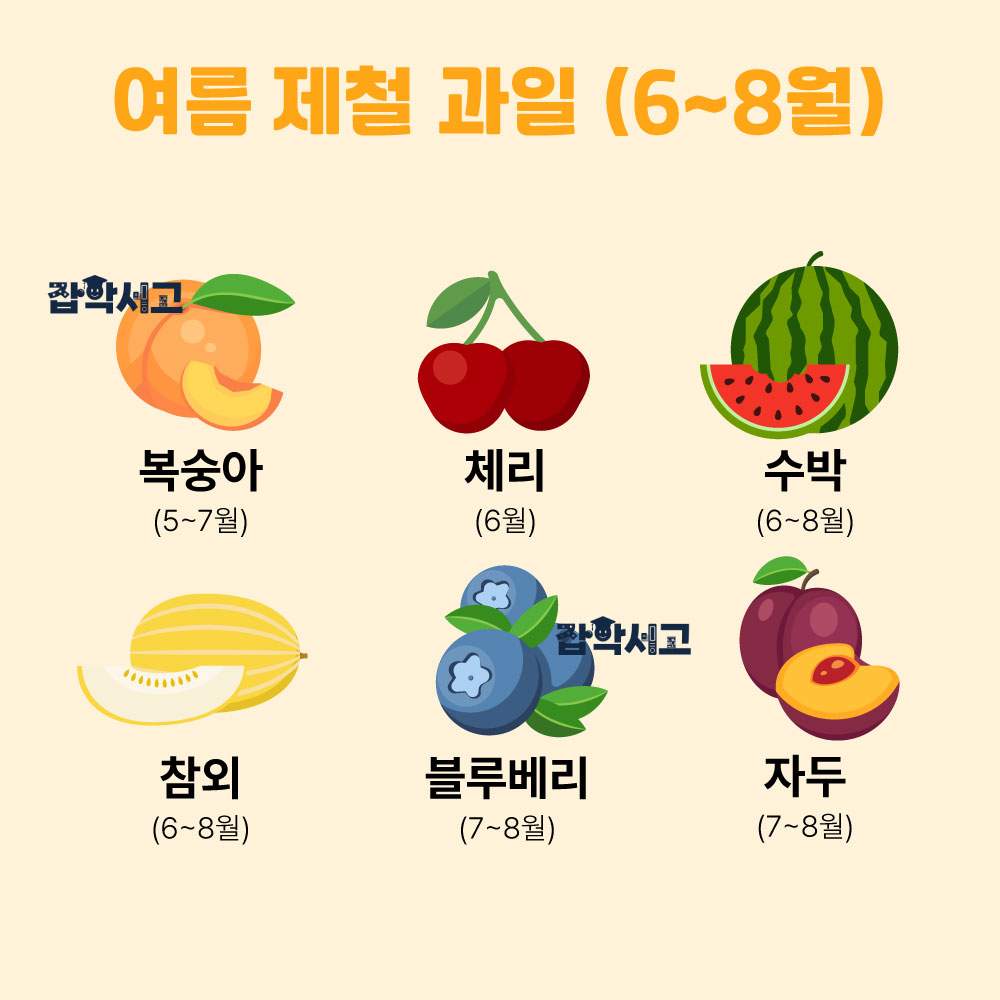 Summer seasonal fruits (June–August)
June Seasonal Fruit: Cherries
Cherries are a representative summer fruit you can taste in June. Rich in antioxidants and melatonin, they help improve sleep quality. Cherries are effective in reducing inflammation and relieving pain, and are especially beneficial for speeding up muscle recovery after exercise. Their tangy, sweet taste is perfect for whetting your appetite in summer.
June–July Seasonal Fruit: Peaches
Peaches are in season from June to July and, being rich in vitamins A and C, help protect skin health and strengthen immunity. The fiber in peaches aids digestion and is effective in preventing constipation. With their juicy flesh and sweet taste, peaches are a popular summer snack. Summer peaches are mid-season variety (中生種) peaches harvested from June through July, characterized by firmer flesh, abundant juice, and a rich flavor.
June–August Seasonal Fruit: Watermelon
Watermelon is the signature summer fruit, in season from June to August. Its high water content makes it excellent for preventing dehydration caused by the heat, and its abundant lycopene and vitamin A provide a powerful antioxidant effect. Watermelon protects skin health, and its cool taste is a great help in quenching thirst in summer.
June–August Seasonal Fruit: Korean Melon (Chamoe)
Korean melon is a refreshing fruit you can enjoy in summer from June to August. Rich in vitamin C and potassium, it is effective for strengthening immunity and regulating blood pressure, and its high water content cools a body worn out by the heat. The refreshing taste of Korean melon helps you beat the summer heat.
July–August Seasonal Fruit: Blueberries
Blueberries are in season from July to August and, being rich in an antioxidant called anthocyanin, are highly effective in preventing aging and supporting eye health. Blueberries are also beneficial for improving memory and regulating blood sugar, contributing to a healthy lifestyle. Though small in size, blueberries are packed with nutrients and are considered an essential summer fruit.
July–August Seasonal Fruit: Plums
Plums are in season from July to August and, being rich in vitamin C and fiber, are effective in strengthening immunity and promoting digestion. The antioxidants in plums help protect skin health and prevent constipation. Sweet with a slight tartness, plums are good for whetting your appetite in summer.
Autumn Seasonal Fruits (September–November)
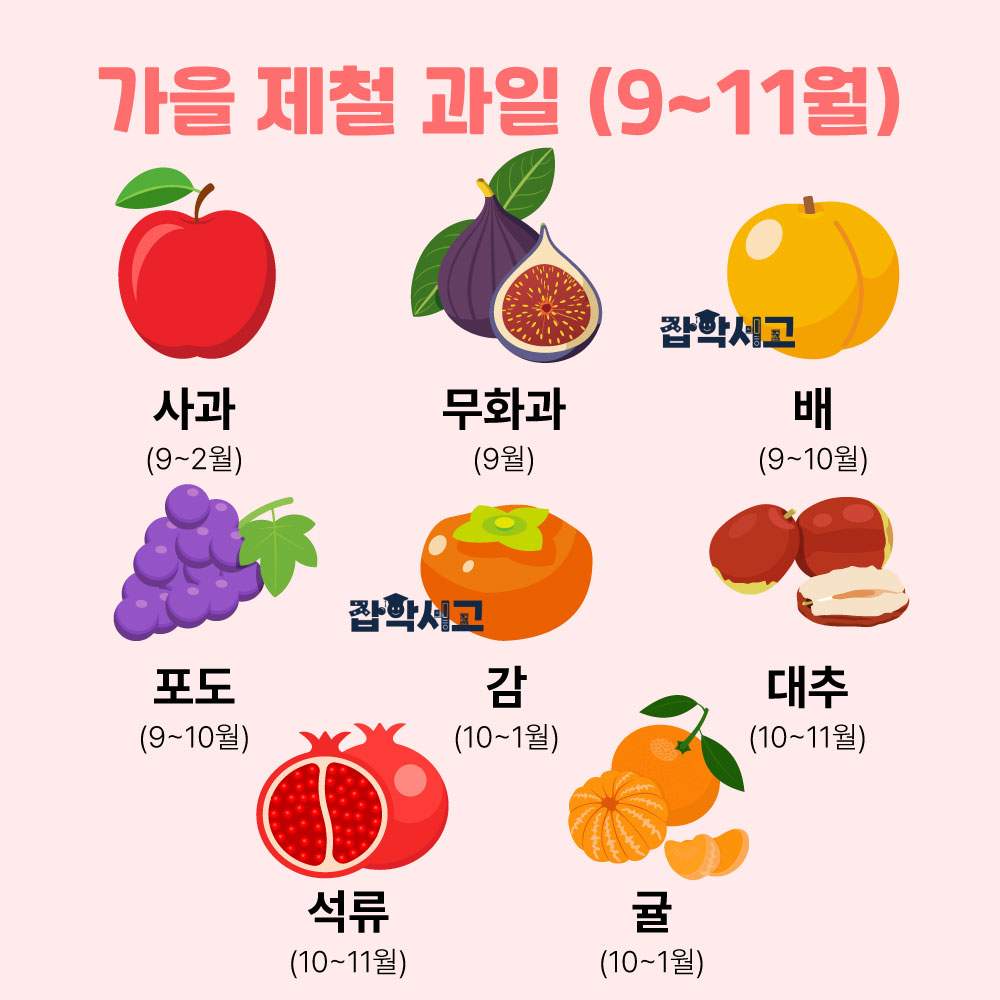 Autumn seasonal fruits (September–November)
September Seasonal Fruit: Apples
Apples are the signature autumn fruit, coming into season in September. Rich in vitamin C and fiber, they are excellent for strengthening immunity and improving digestive function. Quercetin, an antioxidant found in apples, reduces inflammation and protects cells, contributing to overall health. Apples are perfect for enjoying fresh autumn flavor and are also great to use in a variety of dishes.
September Seasonal Fruit: Figs
Figs are at their most delicious in September. Rich in fiber and calcium, they help protect digestive health and bone health. They contain B vitamins and antioxidants, which are also effective for skin health and recovering from fatigue. Autumn figs are characterized by their sweet taste and soft texture and are good to enjoy in salads or desserts.
September–October Seasonal Fruit: Pears
Pears are in season from September to October. Rich in water and dietary fiber, they are effective in promoting digestive function and preventing constipation. The vitamins C and K in pears also play an important role in strengthening immunity and helping blood clot. With their cool, sweet taste, pears also help quench thirst in autumn and make a suitable healthy snack.
September–October Seasonal Fruit: Grapes
Grapes are a representative autumn fruit, in season from September to October. Rich in vitamins C and K, they help strengthen immunity and blood circulation, and resveratrol, an antioxidant, is effective in protecting cardiovascular health. Grapes are used in many autumn dishes and desserts and are loved by many for their fresh taste.
October–November Seasonal Fruit: Persimmons
Persimmons are a fruit you can especially enjoy in autumn from October to November. Rich in beta-carotene and vitamin C, they are beneficial for strengthening skin health and immunity. Persimmons harvested in autumn are mostly eaten fresh, and persimmons at this time of year are characterized by sweet, soft flesh. However, persimmons can be stored for a relatively long time after harvest, so they can be enjoyed fresh into the winter. In particular, persimmons are processed into dried persimmons (gotgam) in winter, so they can be enjoyed even longer. Dried persimmons are a popular winter delicacy thanks to their concentrated sweetness and chewy texture. Persimmons are therefore an important fruit not only in autumn but in winter as well.
October–November Seasonal Fruit: Jujubes
Jujubes are in season from October to November. Rich in vitamin C and iron, they are good for boosting immunity and preventing anemia. The antioxidants in jujubes also help prevent aging and maintain healthy skin. Jujubes are often used as a traditional autumn snack and are a good fruit for looking after your health.
October–November Seasonal Fruit: Pomegranates
Pomegranates are a fruit you can especially enjoy in autumn from October to November, and they are rich in vitamins C and K as well as a variety of antioxidants. Pomegranates are effective in strengthening immunity and protecting skin health, and their anti-inflammatory action also helps reduce inflammation. Pomegranates are counted among the essential fruits for autumn health.
October–December Seasonal Fruit: Mandarins
Mandarins are in season from October to December and can be enjoyed from autumn through winter. Their harvest begins in autumn and continues into winter, and they are sold fresh throughout that period. Mandarins keep very well after harvest, and their sugar content even rises during storage, so they taste sweeter in winter. Rich in vitamin C and flavonoids, they have strong immunity-boosting and antioxidant effects and are beneficial for preventing colds and staying healthy in autumn and winter. Mandarins are also easy to peel, making them convenient to eat, and they are especially popular as a winter snack. Their tangy taste and aroma are perfect for whetting your appetite in winter.
Winter Seasonal Fruits (December–February)
 Winter seasonal fruits (December–February)
December–January Seasonal Fruit: Mandarins
Mandarins are the signature winter fruit, in season from December to January. Rich in vitamin C, they are very effective for strengthening immunity and preventing colds. Mandarins also contain large amounts of flavonoids, which are antioxidants, helping to protect cells and reduce inflammation. In addition, mandarins are high in fiber, which aids digestion and helps prevent constipation. Low in calories and high in water, mandarins are good for quenching thirst and help keep dry winter skin moist. Thanks to their tangy taste and ease of eating, they make a suitable winter snack and are an especially good fruit for the whole family to enjoy together. Mandarins can be used in a variety of dishes such as salads, desserts, and juices, making them extremely versatile.
December–January Seasonal Fruit: Persimmons
Persimmons are a fruit you can taste in winter, and being rich in vitamins A and C, they help protect skin and eye health. Vitamin A is an important nutrient for protecting eyesight and strengthening immunity and is also beneficial for preventing colds in winter. Persimmons also contain beta-carotene and lutein, whose antioxidant action protects cells and is effective in preventing skin aging. The fiber in persimmons helps promote digestion and prevent constipation, and dietary fiber contributes to improving gut health. Sweet winter persimmons whet the appetite and can be used in a variety of dishes and desserts, making them a fruit that lets you stay healthy and enjoy great taste at the same time. Persimmons are especially appealing when dried and eaten as dried persimmons (gotgam), which add sweetness and a chewy texture.
December–February Seasonal Fruit: Strawberries
Strawberries are a fruit you can enjoy in winter as well, and being rich in vitamin C and antioxidants, they are effective in boosting immunity. Strawberries are also good for the skin and suitable for people who want to diet. Thanks to their fresh, sweet taste, they can be used in a variety of desserts. Strawberries are in season in both winter and spring, but in winter they mostly come from greenhouses, while spring is when field-grown strawberries come out. Although this can vary by period and variety, from the consumer’s point of view, fresh strawberries can be enjoyed across both seasons.
December–February Seasonal Fruit: Apples
Apples are in season from December to February and, being rich in vitamin C and fiber, help strengthen immunity and improve digestive function. Quercetin, an antioxidant in apples, is effective in reducing inflammation and protecting cells. Fresh winter apples make a good snack and are also used in a variety of dishes. Thanks to storage and distribution technology, apples are a fruit that comes to market steadily from winter through spring. Apples are harvested in autumn, but stored apples are shipped through winter and spring.
December–February Seasonal Fruit: Kiwi
Kiwi is a fruit you can taste in winter as well, and being rich in vitamins C and E, it strengthens immunity and helps skin health. The fiber in kiwi also aids digestion, and the digestive enzyme actinidin is effective in relieving indigestion. It is good to eat kiwi regularly for your health in winter. Kiwi, too, is a fruit that comes to market steadily from winter through spring thanks to storage and distribution technology. Because kiwi can be stored for a long time after harvest, it can be enjoyed in both winter and spring.
January–February Seasonal Fruit: Hallabong
Hallabong is in season from January to February. Its high vitamin C content makes it excellent for preventing colds, and its abundant potassium also helps regulate blood pressure. Hallabong’s powerful antioxidant action helps prevent aging and contributes to overall health. With its sweet yet fresh taste, hallabong is one of the essential winter fruits. It is mainly harvested in winter and is sold fresh into spring. This fruit can therefore also be counted as a seasonal fruit of both winter and spring.
January–February Seasonal Fruit: Red Hyang
Red Hyang is a citrus fruit in season from January to February, grown mainly on Jeju Island. Red Hyang is a cross between the mandarin and hallabong and is characterized by its distinctive sweet, rich aroma. It is very rich in vitamin C, helping to strengthen immunity in winter, and is excellent for preventing colds. Its high water content also helps keep dry winter skin moist. Rich in fiber, it promotes digestion and is good for preventing constipation. With its thin peel and soft flesh, Red Hyang is easy to eat and can be enjoyed in many ways, whether as fresh fruit or in desserts.
December–January Seasonal Fruit: Yuja (Citron)
Yuja is in season from December to January and is mostly made into tea. Yuja is a fruit with a strong aroma and sour taste, and it is very rich in vitamin C, making it effective for strengthening immunity and preventing colds in winter. It also contains plenty of antioxidants, which protect cells and help prevent aging. Yuja is particularly good for aiding digestive function and recovering from fatigue. Enjoying it as warm yuja tea in winter lets you stay warm while taking in vitamin C, which is good for your health. It can also be made into yuja syrup (yuja-cheong) and used in a variety of dishes and desserts.
By eating a variety of seasonal fruits each season, you can stay healthy through their fresh taste and rich nutrients. We hope you enjoy seasonal fruits in spring, summer, autumn, and winter and savor the charms of each season to the fullest. We encourage you to maintain healthy eating habits through these fruits and enjoy the flavors of nature as they change from season to season.