Cardiopulmonary resuscitation (CPR) is a basic first aid technique for saving the life of someone in cardiac arrest. This technique temporarily replaces the functions of the heart and lungs to circulate oxygen-saturated blood throughout the body. Cardiac arrest can occur without warning and can have fatal consequences if an immediate response is not provided.
This material begins with the importance and role of CPR, then explores its basic concepts and historical background, correct procedures and step-by-step explanations, and its effects and successful cases in detail.
The Importance of CPR and Its Role in Saving Lives
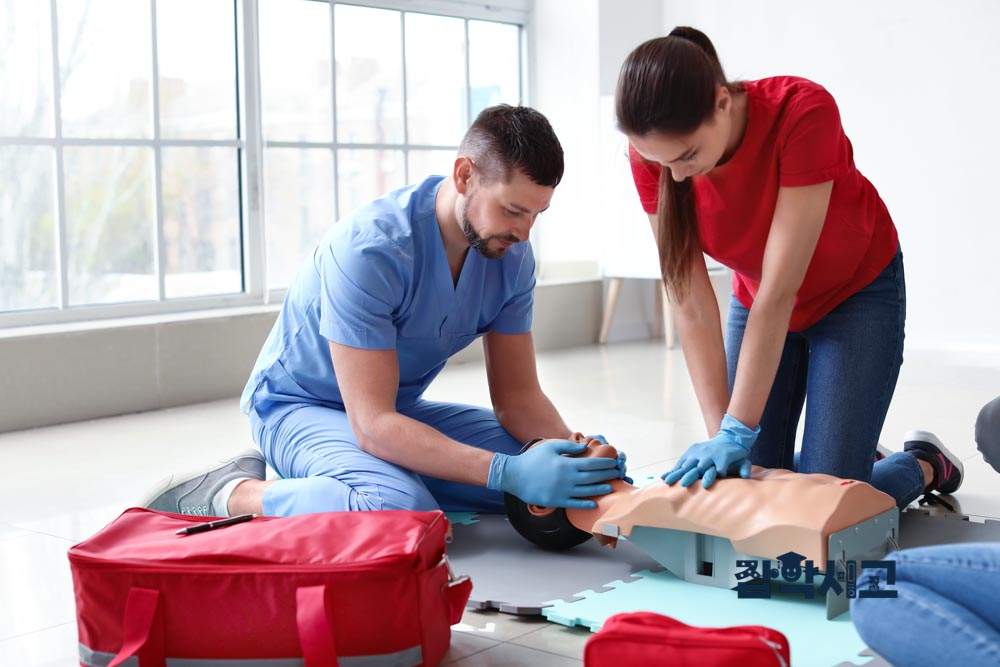
Unexpected Emergencies and the Importance of a Rapid Response
Cardiac arrest can occur anytime and anywhere without warning. We may encounter such emergencies in everyday life, and a rapid, effective response becomes the key to saving a life. CPR is one of the most important first aid techniques in these situations and plays a pivotal role in saving lives, depending on how appropriately the initial response is carried out.
The Core of CPR: Maintaining a Continuous Supply of Oxygen
The greatest importance of CPR lies in ensuring that oxygen continues to reach the brain and other vital organs. Starting CPR within a few minutes of cardiac arrest can reduce brain damage and greatly improve the chances of survival. Because brain damage progresses rapidly when oxygen becomes insufficient, the first few minutes make a decisive difference in survival.
The Effects of CPR on Survival Rates
There is a substantial difference in survival rates between cases in which CPR is performed immediately and those in which it is not. Research shows that patients who receive CPR immediately after cardiac arrest have significantly higher survival rates than those who do not. This is because CPR supplies the oxygen needed by the brain and other organs, playing an essential role in sustaining life until medical personnel arrive.
Gaining Critical Time Before Emergency Medical Services Arrive
CPR is an important way to buy time until medical professionals arrive. On average, emergency medical services may take anywhere from a few minutes to several tens of minutes to arrive, and performing CPR during this time is essential to minimizing harm. How this time is used can determine whether the patient lives.
A Lifesaving Skill Anyone Can Learn
CPR is a skill that members of the public can easily learn. By learning CPR through a formal training course, anyone can play an important role in an emergency. This contributes to improving the emergency response capabilities of the entire community and creates a society capable of responding rapidly to emergencies.
Individual and Social Responsibility: Putting CPR into Practice
Learning and performing CPR goes beyond simply acquiring a skill; it means equipping yourself with a powerful tool that can save another person's life. This strengthens individual responsibility and helps make society's safety net more robust. Therefore, understanding the importance and role of CPR and putting it into practice is an important responsibility that all of us share. It means more than basic first aid and is an essential skill for saving lives.
The Basic Concept of CPR: A Technique for Sustaining Life
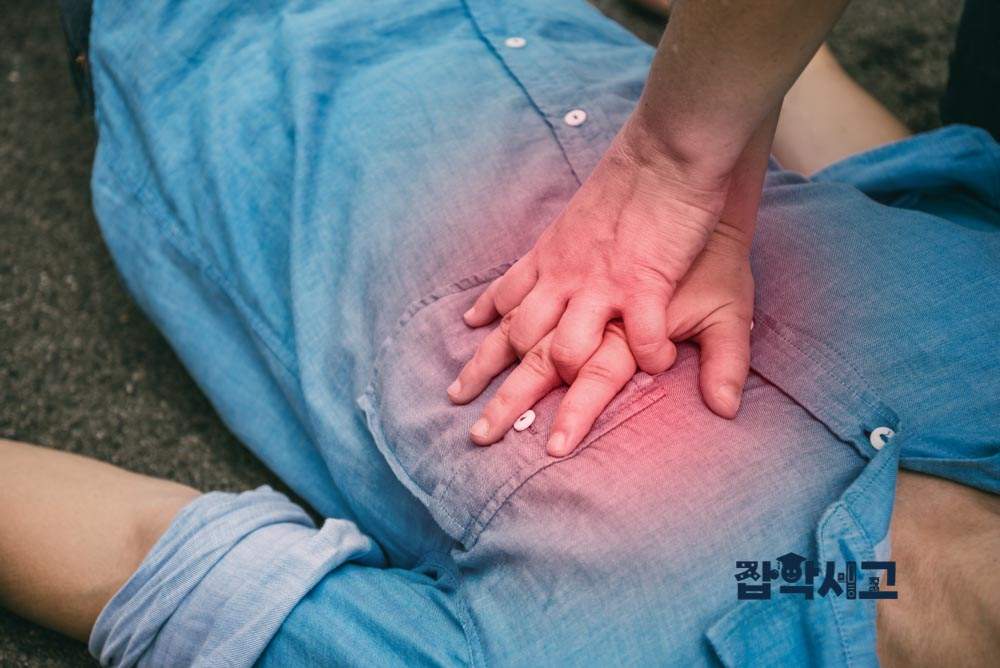
The basic concept of CPR is to temporarily replace the functions of the heart and lungs to supply oxygen-rich blood to the body. This protects the brain and other vital organs from damage and buys time for the patient to recover. CPR consists of two main components, rescue breathing and chest compressions, whose roles are closely interconnected. Rescue breathing supplies oxygen to the patient's lungs, while chest compressions circulate oxygen-containing blood throughout the body to deliver oxygen to the brain and vital organs.
The Origins of CPR and Early Attempts in Ancient Times
The history of CPR dates back to ancient times, when various early attempts were made to replace the functions of the heart and lungs. The concept of artificial respiration emerged in ancient Egypt and Greece, where people sought to prolong life through simple forms of chest compression and assisted breathing. Although these attempts were far removed from the modern concept of CPR, they are important historical records that offer a glimpse of humanity's instinctive efforts to save lives.
The Systematic Development of Modern CPR
CPR in its modern sense began to develop systematically in the 20th century. In the early 1960s, the American Medical Association (American Heart Association, AHA) established standard procedures for CPR, allowing it to become widely adopted in the medical community and society at large. From this point onward, CPR also began to reach the public through educational programs, which became a catalyst for greatly improving the ability to respond immediately to emergencies.
The Introduction of Automated Defibrillators and the Evolution of CPR
In the 1960s, the development of the automated defibrillator (AED) maximized the effectiveness of CPR. Defibrillators help restore a normal heartbeat and play an especially important role in improving survival rates among patients in cardiac arrest. The introduction of AEDs supported more effective CPR and further increased the chances of survival in emergencies.
The Expansion of CPR Education
In the 1980s, countries around the world began introducing CPR education programs for the general public. This greatly improved the emergency response capabilities of entire communities and prepared more people to play an important role in emergencies. These educational programs remain active today and play an important role in spreading awareness of the importance of CPR and teaching the skill.
CPR Today: An Essential Skill Anyone Can Learn
Today, CPR has become a skill that both medical professionals and members of the public can easily learn. Educational programs and training are offered in various formats, providing substantial help in responding quickly to emergencies. Understanding the basic concepts and historical background of CPR contributes to making better use of this important skill and is essential to improving an individual's ability to save lives. CPR has now become an important skill that goes beyond saving individual lives to protecting the safety of society as a whole.
Correct CPR Procedures and Step-by-Step Explanations
The Importance of CPR: Following Procedures and Steps Accurately
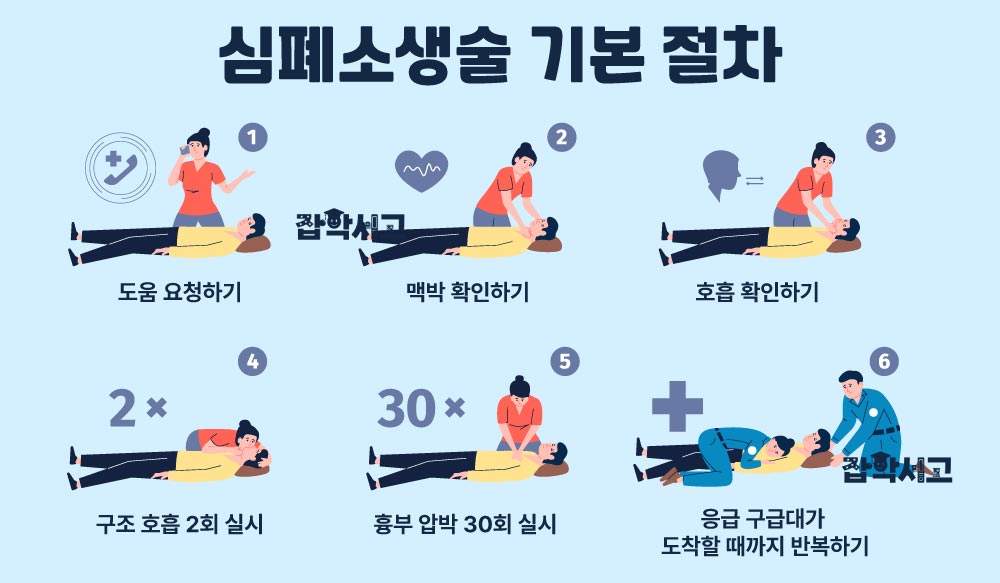
CPR is an important first aid technique for saving lives, and following the correct procedures and steps accurately is crucial. When this process is carried out correctly, it can effectively replace the functions of the heart and lungs and maximize the patient's chances of survival. The following is a detailed explanation of the basic CPR procedure and each of its steps.
The First Step: Assessing the Situation and Ensuring Safety
The first step in CPR is to assess the situation and ensure that the surroundings are safe. Your own safety is also important in an emergency, so you must first check whether the surrounding environment is safe. If you find someone in cardiac arrest, it is essential to call 119 immediately to request professional help. At the same time, if other people are nearby, ask for their help and, if possible, locate an AED (automated defibrillator) and have someone bring it.
The Second Step: Checking Initial Responsiveness
Once the situation has been confirmed to be safe, the second step is to check the patient's initial responsiveness. Check for a response by gently shaking the patient's shoulders and asking, "Are you okay?" If the patient is unresponsive or unconscious, CPR must begin immediately. A quick assessment at this stage has a major impact on the patient's chances of survival.
The Third Step: Performing Chest Compressions
Chest compressions, a core step in CPR, are crucial to sustaining the patient's life. Lay the patient on a flat floor, place the palm of one hand over the other hand, and position both hands in the center of the patient's chest. Keep your arms straight and use your body weight to press the chest firmly to a depth of 56 cm at a rate of approximately 100–120 compressions per minute. Because chest compressions cause the heart to circulate blood throughout the body, it is important to maintain the same rhythm for compression and release.
The Fourth Step: Giving Rescue Breaths
After performing 30 chest compressions, give rescue breaths. Tilt the patient's head back to open the airway, pinch the nose, open your mouth wide to seal it around the patient's mouth, and slowly blow air in for 1 second. Give a total of 2 rescue breaths, checking that the patient's chest rises between each breath. This is intended to supply the patient with sufficient oxygen.
The Fifth Step: Repeating Chest Compressions and Rescue Breaths
Repeating chest compressions and rescue breaths is the core of CPR, with the goal of stabilizing the patient's condition. If an AED arrives, use it immediately and prepare to deliver an electric shock. An AED analyzes the heart rhythm and can deliver an electric shock if necessary, and it is important to continue CPR without stopping during this process as well.
The Final Step: Deciding When to Stop and Continuing Until Medical Professionals Arrive
It is also important to judge accurately when to stop CPR. Continue this process until the patient begins breathing spontaneously or regains consciousness, or until medical professionals arrive and take over CPR. Avoiding interruptions in CPR is essential to maximizing the patient's chances of survival. Following the procedures and steps accurately is an important factor in determining whether CPR succeeds.
Analysis of CPR's Effects and Successful Cases
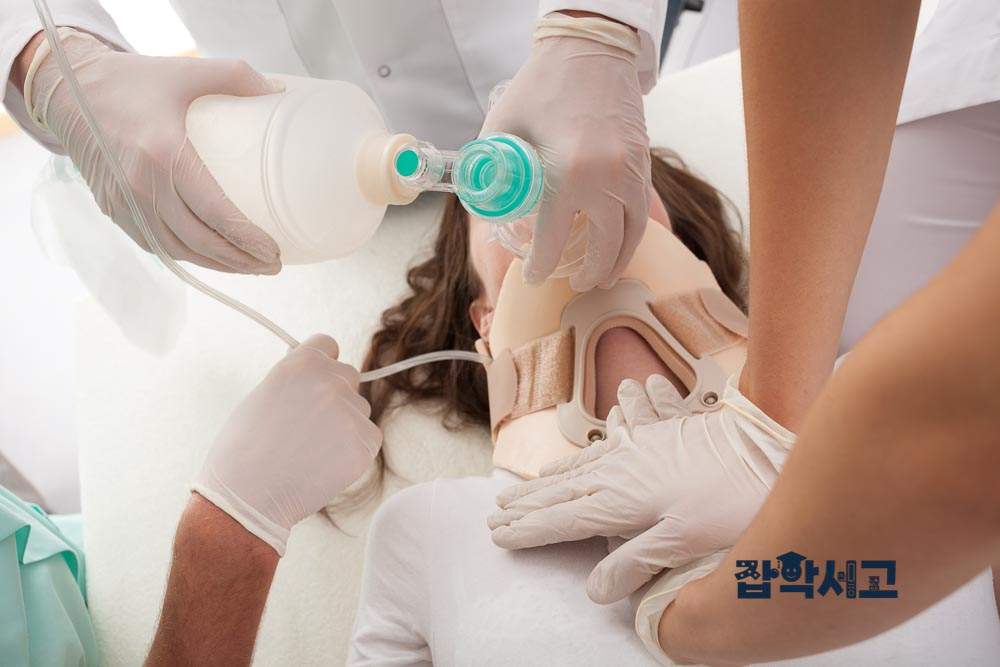
The Effects of CPR: The Key to Improving Survival Rates
The effectiveness of CPR has been clearly demonstrated through various studies and cases. Survival rates have been shown to improve substantially when CPR is performed immediately after cardiac arrest. This is especially pronounced in cases of cardiac arrest outside hospitals, demonstrating how important a rapid response is in an emergency.
The Importance of CPR as Shown by Research Findings
According to research by the American Heart Association (AHA), survival rates can increase twofold to threefold when CPR is performed within 3–5 minutes of cardiac arrest. This is strong evidence demonstrating that CPR goes beyond basic first aid to play a decisive role in saving lives. These findings emphasize that CPR is an essential skill in all emergencies and underscore the need for everyone to learn it.
The Impact of CPR on Preventing Brain Damage
Another important effect of CPR is minimizing brain damage. If cardiac arrest continues, the brain can suffer severe damage from a lack of oxygen. However, performing CPR promptly supplies oxygen to the brain and can reduce brain damage. This not only improves the patient's chances of recovery but also plays an important role in preventing long-term neurological damage.
The Practical Effectiveness of CPR as Shown by Successful Cases
Various successful cases make the importance and effectiveness of CPR tangible. Many cases have been reported in different countries in which members of the public saved lives through CPR. These cases demonstrate how important CPR is in actually saving lives and encourage more people to learn and practice the skill. For example, cases in which CPR saved people who suddenly suffered cardiac arrest on the street or in public places have been widely publicized by the media, contributing to greater public awareness of CPR.
The Importance and Effects of CPR Education
The introduction of CPR education programs is making an important contribution to improving survival rates. Countries such as Finland have strengthened CPR education nationwide, resulting in significantly higher survival rates among cardiac arrest patients than in other countries. This shows that CPR is more than a technical skill and that its effectiveness can be maximized through education and training. In societies where CPR education is widespread, initial responses to emergencies are faster and more accurate, allowing more lives to be saved.
The Long-Term Impact of CPR on Patients' Lives
The effects of CPR extend beyond simply improving survival rates. Helping patients recover quickly through prompt and appropriate CPR also has a major impact on their overall quality of life. This enables patients not only to recover physically but also to lead better lives mentally and socially. In addition to saving lives, CPR is an important tool for helping patients live healthier and happier lives.
CPR is a powerful first aid technique that can save lives when cardiac arrest strikes without warning. It is extremely important to understand the importance and role of CPR, become familiar with its correct procedures and steps, and put it into practice through ongoing education and training.
Various studies and successful cases demonstrate the effectiveness of CPR, encouraging more people to learn and use this skill. Everyone can save lives through CPR and contribute to creating a safer society.