Rapid technological advances and dramatic social changes in modern society are presenting many people with new challenges and considerable stress. These changes affect not only working people but also members of society from many different backgrounds, resulting in a health problem known as burnout syndrome.
Burnout syndrome goes beyond simple fatigue and negatively affects both physical and mental health. Various approaches are being studied to address it, and this article will systematically analyze the causes of burnout syndrome among people today and possible solutions.
Burnout: The Impact of Social Change
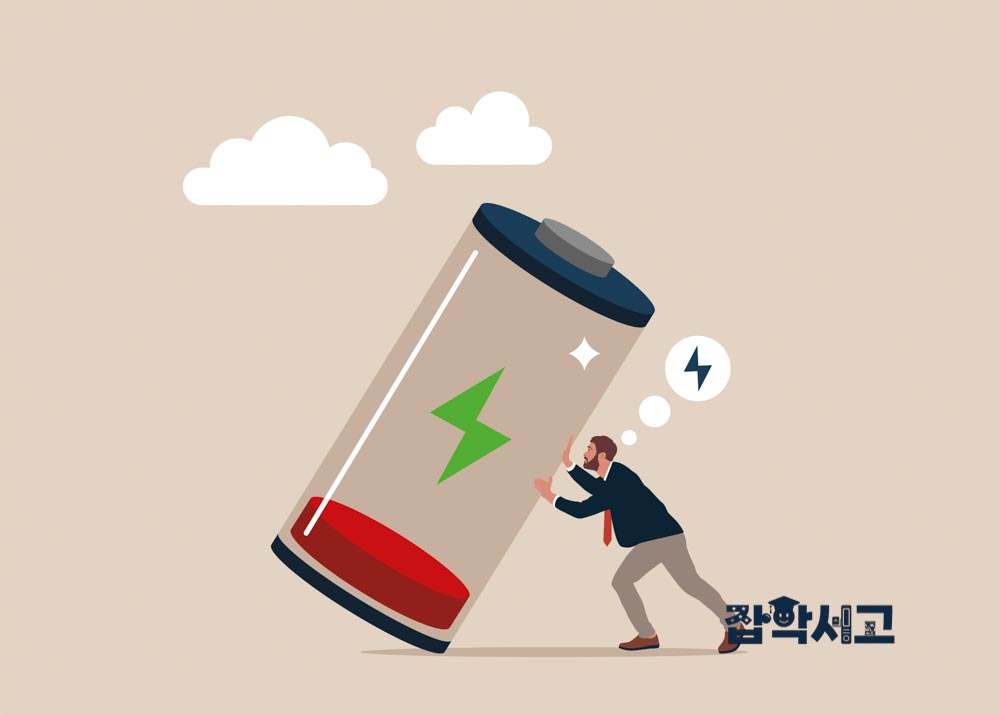
Changes in Modern Society and Burnout Syndrome
Modern society is undergoing changes that are far more complex and rapid than in the past. Rapid technological development since the Industrial Revolution, globalization, and the transition to an information society offer individuals and organizations new opportunities, but also bring enormous stress and pressure. People today must constantly adapt to new technologies and environments, and this process inevitably subjects them to excessive stress. The pressure to continually pursue personal development and learning is a major cause of burnout syndrome.
Technological Change and the Burden of Personal Development
Technology is advancing rapidly in modern society, and working people are consequently expected to engage in continuous personal development. In particular, rapid changes in information technology affect not just specific occupations but almost every industry. People live under the pressure of believing that they will fall behind the competition unless they continually improve themselves, and this is one of the main factors that cause burnout. This pressure can also disrupt the balance between work and personal life.
Loss of Work-Life Balance
Social changes have made it difficult for many people to maintain a balance between work and life. As arrangements such as working from home have become more common, personal time and working hours are frequently no longer clearly distinguished. This allows work-related stress to intrude into personal time, adversely affecting physical and mental health over the long term. When the boundaries between work and life become blurred, time for self-care decreases, and this lifestyle pattern further intensifies burnout syndrome.
The Pressures of a Competitive Environment
Modern society has created an environment of intense competition in education and the workplace. Individuals must set higher performance expectations and goals for themselves, leading to excessive self-expectations and stress. Young people in particular are constantly pushed into competition to achieve academic excellence and career success, and these circumstances increase the risk of burnout syndrome. Excessive competition encourages people to prioritize external achievements over inner satisfaction, allowing mental fatigue to accumulate.
Weakened Social Connections
As technology has developed, people have spent more time communicating online. However, social connections are weakening as opportunities for face-to-face communication decrease. This change in how people communicate can make them feel isolated or lonely, negatively affecting their mental health. A lack of social support also increases the likelihood of burnout syndrome. When people lack satisfaction in their relationships and emotional bonds with others, they can more easily become exhausted.
The Relationship Between Changing Values and Burnout
Changes in modern society are also influencing personal values. As material success and career advancement have become major goals in life, people have increasingly tended to focus on external achievements rather than inner satisfaction or peace of mind. This change in values can contribute to the development of burnout syndrome. When personal happiness depends too heavily on external success, even minor failures can cause intense frustration and increase the risk of burnout.
Changes in modern society have both positive and negative effects on people's lives. Technological advances and globalization open up new opportunities, while the stress and pressure they bring can cause burnout syndrome. Preventing burnout requires efforts to maintain balance in one's life, reflect on oneself, and care for one's mental and physical health.
Analyzing the Physical and Mental Symptoms of Burnout Syndrome
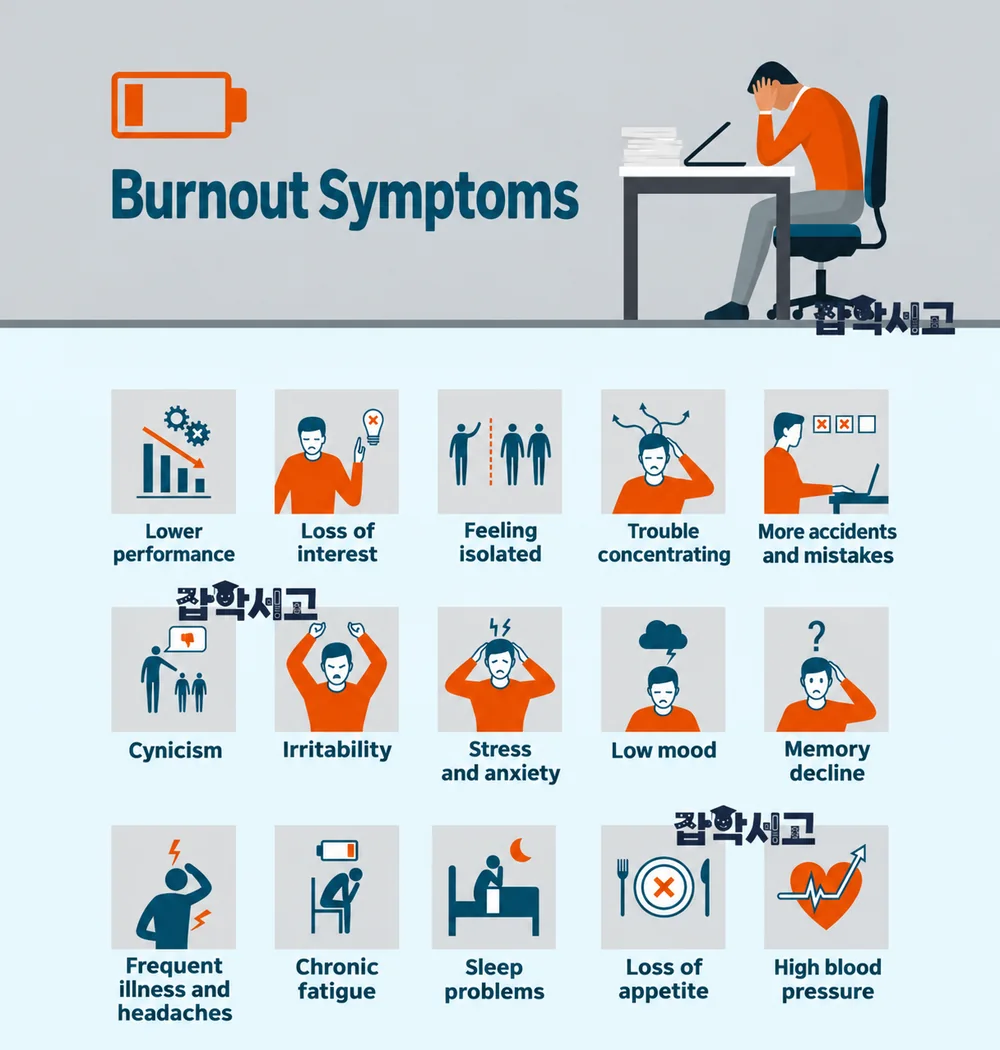
Physical Symptoms of Burnout Syndrome
Burnout syndrome manifests in a variety of physical symptoms. One typical symptom is chronic fatigue, a condition in which the body does not recover even with sufficient rest. Sleep disturbances are also common, with difficulty falling asleep or sleeping deeply leading to fatigue in the morning. Persistent headaches or muscle pain may also occur, causing physical discomfort in daily life. These symptoms are easily dismissed as simple fatigue, but if they persist for a long time, they risk developing into more serious health problems.
Mental Symptoms of Burnout
The mental symptoms of burnout syndrome include lethargy, reduced concentration, and declining memory. These directly affect a person's ability to perform their work and cause a sharp decrease in productivity. Emotionally, people often feel drained and may lose interest in work they previously felt passionate about. They may also feel detached in their relationships, leading to interrupted or uncomfortable communication with others, which can result in social isolation. Because mental symptoms have a major impact on everyday life as a whole, early detection and management are important.
Stress and Anxiety Caused by Burnout
Burnout syndrome is accompanied by high levels of stress and anxiety. If this condition persists, it is likely to develop into depression or an anxiety disorder. People experiencing burnout syndrome often suffer from reduced self-esteem and fall into a vicious cycle of self-blame. Negative self-assessments and excessive stress further worsen their mental and emotional state, which can seriously affect mental health over the long term.
Reduced Quality of Life and Social Isolation
Burnout syndrome also has a major impact on a person's quality of life. People experiencing burnout lose interest in everyday activities, and their overall satisfaction with life decreases significantly. This causes problems not only with their sense of professional achievement but also in their personal lives, reducing their participation in social activities. As a result, feelings of isolation intensify, potentially leading to greater psychological instability. A decline in quality of life begins with small aspects of daily life and gradually spreads, making it important to recognize and address these changes.
The Importance of Diagnosing and Treating Burnout Syndrome
The symptoms of burnout syndrome can be confused with other mental health problems. Because physical and mental symptoms occur together, an accurate diagnosis is necessary. It is important to seek professional help to identify the underlying causes of the symptoms and receive appropriate treatment. Regular health checkups to assess one's physical and mental condition also play an important role in prevention.
The Need for Personalized Management
The symptoms of burnout syndrome manifest differently in each person, and their severity may also vary. An approach tailored to each individual is therefore necessary. Recognizing one's condition and choosing appropriate ways to respond are important elements in preventing and overcoming burnout syndrome. It is important to find and practice ways to reduce stress and manage mental and physical health.
Workplace Conditions and Stress: Major Causes of Burnout

Excessive Workloads and Burnout
An excessive workload in the workplace is a typical cause of burnout syndrome. Many people become physically and mentally exhausted when they have to handle too much work. When workloads are heavy and the associated work goals are unclear or unrealistic, people push themselves beyond their limits, making burnout a likely eventual outcome. In environments that constantly demand high performance, stress accumulates and adversely affects health over the long term.
Unstable Relationships and Stress
Workplace relationships are also a major factor that can cause burnout syndrome. Conflicts with supervisors and disagreements among colleagues increase workplace stress and can hinder collaboration. In particular, excessive demands or criticism from supervisors intensify psychological pressure at work, reducing motivation and increasing the risk of burnout syndrome. Stress arising from relationships lowers overall satisfaction in the workplace and negatively affects job performance.
Job Insecurity and Financial Stress
Employment instability is another important cause of burnout syndrome. People working on contracts or as freelancers rather than as permanent employees find it difficult to feel financially secure, which can lead to psychological anxiety. This uncertain employment status causes ongoing stress, and mental and emotional exhaustion is likely to intensify as financial burdens grow. Financial insecurity reduces motivation and satisfaction at work and can cause burnout in working life.
Lack of Control and Feelings of Powerlessness
An environment in which people have little control over their work or are excluded from important decisions can also cause burnout syndrome. A workplace that prevents employees from taking initiative makes them feel powerless, encouraging the development of burnout. When people cannot regulate their own work, their job satisfaction drops sharply, and continuing to work in such an environment causes stress to accumulate.
A Workplace Culture Focused on Performance
A workplace culture that prioritizes performance is another important factor that causes burnout. In environments that set unrealistic goals or focus excessively on performance, employees overwork without being able to care for their health. An atmosphere that prioritizes performance increases the fear of failure and adds to an individual's psychological burden. Over the long term, this threatens mental health and contributes to burnout.
Inadequate Support Systems
The risk of burnout syndrome increases further when workplace support systems are inadequate. If employees do not receive appropriate support when they face difficulties, they feel burdened by the need to solve every problem on their own. In environments lacking emotional and psychological support, stress is not relieved but instead accumulates, potentially intensifying burnout syndrome. The less active support and understanding an organization provides, the more easily burnout syndrome can develop.
Strategies for Overcoming Burnout: Advice for Prevention and Recovery
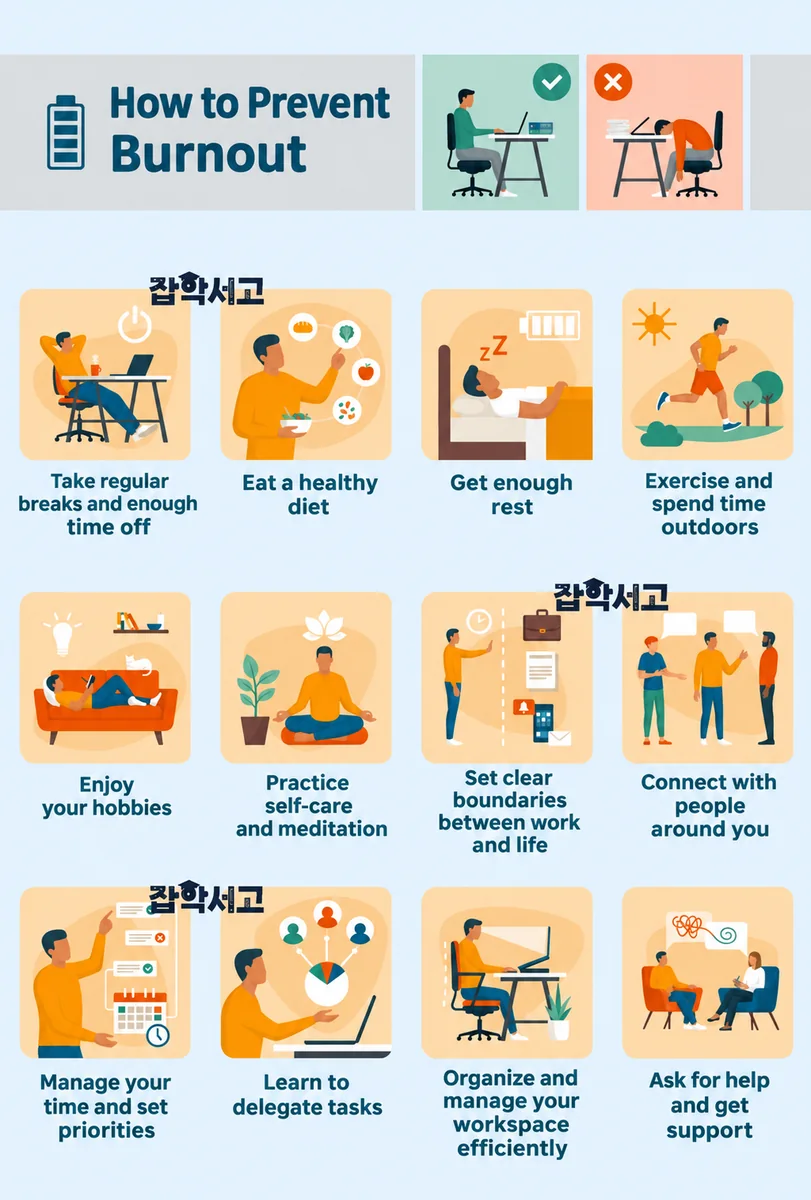
Understanding Yourself and Recognizing Your Limits
To prevent and overcome burnout, it is important first to understand yourself and clearly recognize your limits. You need to identify the amount of work you can handle and step away from excessive workloads or overly demanding schedules. Regularly checking your physical and mental condition and actively taking time to rest when you feel tired can greatly help prevent burnout. In particular, it is important to develop the habit of recognizing your own condition so that you do not push yourself beyond your limits.
Maintaining Work-Life Balance
Maintaining a balance between work and personal life is essential to preventing burnout. If you continue to feel burdened by work even after working hours have ended, this is likely to lead to burnout. Clearly distinguishing working hours from personal time and enjoying your personal time are effective ways to restore mental stability. Time with family, hobbies, and communication with friends are important elements that relieve work-related stress and improve quality of life.
Maintaining Positive Relationships
Maintaining healthy relationships in the workplace is also an important strategy for preventing burnout. Effective communication with supervisors and colleagues reduces workplace conflict and facilitates collaboration, easing stress. Asking for help is sometimes necessary, as the burden of trying to solve everything alone can itself lead to burnout. It is important to gain emotional support through positive relationships and create an environment in which people solve problems together.
Using Stress Management Techniques
To manage stress effectively, it is helpful to use techniques such as meditation, yoga, and deep breathing exercises. These techniques contribute to reducing stress by improving mental stability and lower the likelihood of burnout syndrome. Regular exercise and rest also help manage stress, and these activities can prevent burnout syndrome from recurring. It is important for individuals to find and practice stress management methods that suit them.
The Need for Professional Help
When burnout syndrome is severe, professional help is necessary. Counseling or treatment from a mental health professional can be greatly helpful in overcoming burnout, particularly by providing an in-depth analysis of its psychological causes and appropriate treatment methods. When necessary, it is important to actively address the problem by seeking psychiatric counseling or participating in a specialized treatment program.
Using Workplace Support Systems
Support systems provided in the workplace also play an important role in overcoming burnout. It is helpful to actively use counseling programs and support services offered by the company and to ask a supervisor for help when necessary. Emotional and physical support in the workplace can alleviate burnout syndrome and promote recovery. Receiving appropriate help can enable a quick recovery from burnout syndrome and allow people to maintain a healthy working life.
Burnout syndrome is a common problem in modern society, and efforts by both individuals and society are essential to preventing and overcoming it. Society should create healthier workplace environments, while individuals should prevent burnout by carefully managing their physical and mental health.
Because burnout syndrome is a complex problem that goes beyond simple fatigue, early detection and an appropriate response are more important than anything else. Through these efforts, we can enjoy healthier and happier lives.