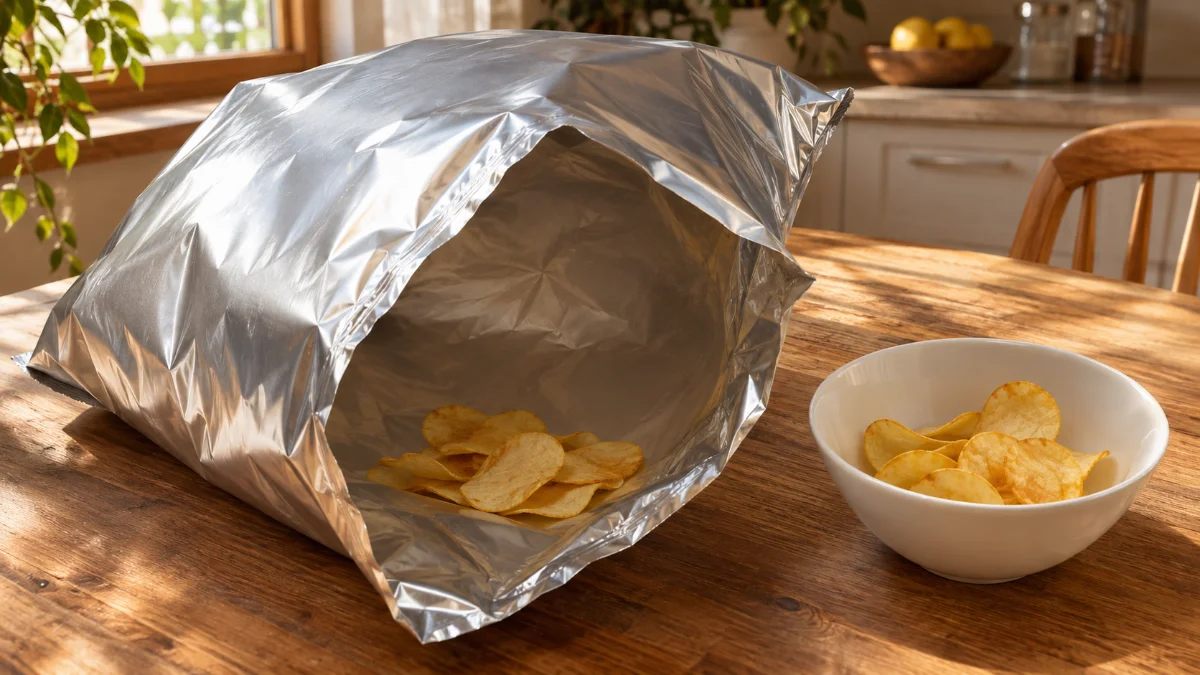
There is a joke in Korea: “I bought a bag of nitrogen and got some chips thrown in for free.” It pokes fun at the feeling that the bag is as big as ever, yet noticeably emptier once you open it.
Keeping the price tag untouched while quietly cutting the amount is called shrinkflation. It hides in many corners of everyday shopping, and once you know about it, you start noticing it surprisingly often.
What Is Shrinkflation?
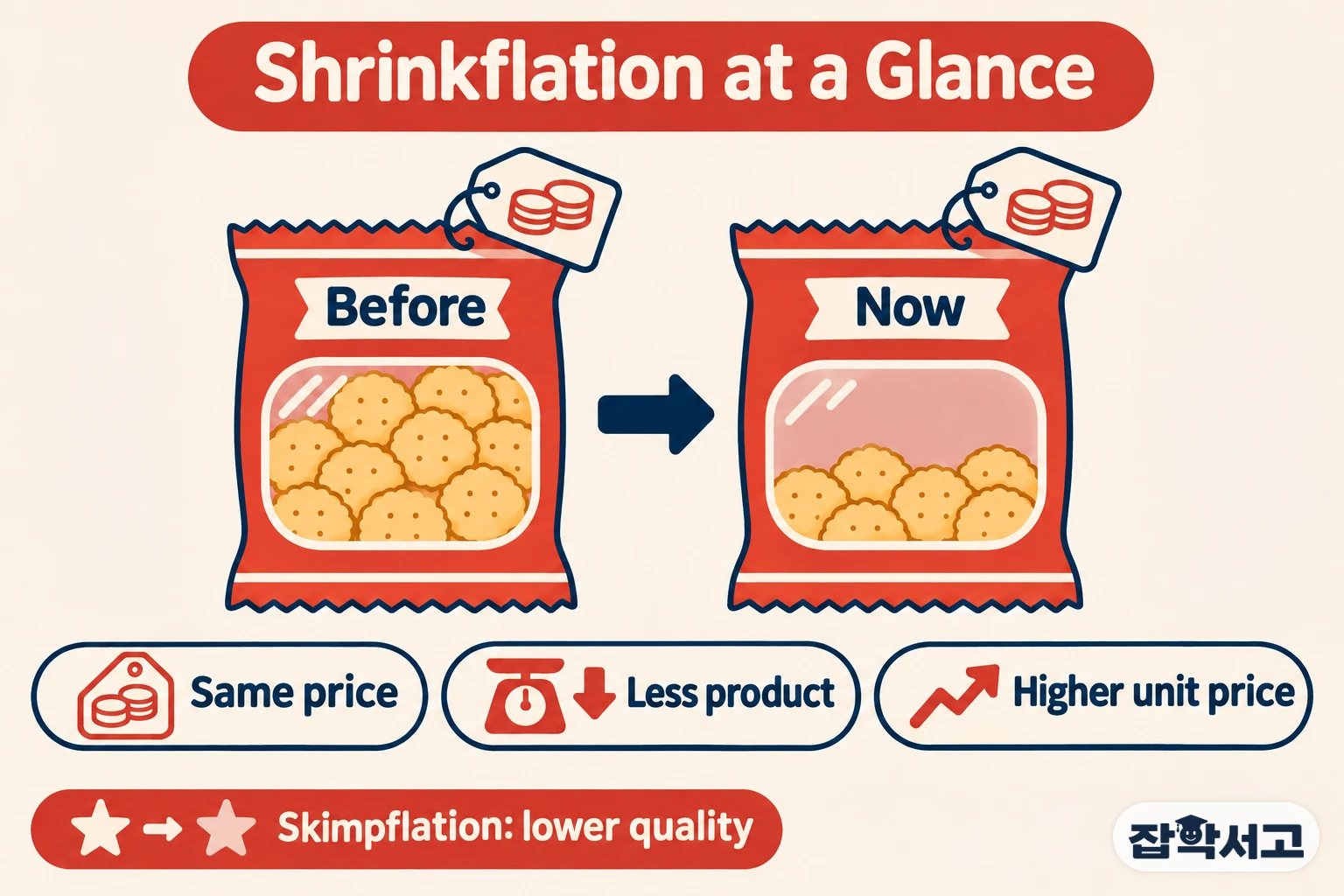
Shrinkflation combines “shrink” and “inflation.” Because the price stays the same while the volume, count or weight goes down, prices look unchanged on the surface, but measured by the same amount, the price has effectively gone up.
For example, if a snack that used to be 100 g for 1,000 won drops to 80 g at the same 1,000 won, the price per 100 g becomes 1,250 won, a 25% increase. Feeling that nothing has changed just because the number on the tag is the same is a lot like money illusion.
British economist Pippa Malmgren is often credited with popularizing the term. Companies use this tactic because shoppers react strongly to the number on a price tag but easily overlook a few grams or a couple of pieces.
When raw materials, packaging or shipping costs rise, companies face three choices: raise prices, cut quantity or lower quality. Cutting quantity is seen as drawing less backlash, so shrinkflation tends to spread whenever prices rise quickly.
Another option is to lower quality instead of quantity, by switching to cheaper ingredients or cutting back on service. This is called skimpflation, a name proposed in 2021 by a reporter at the US public radio network NPR.
In the Snack Aisle
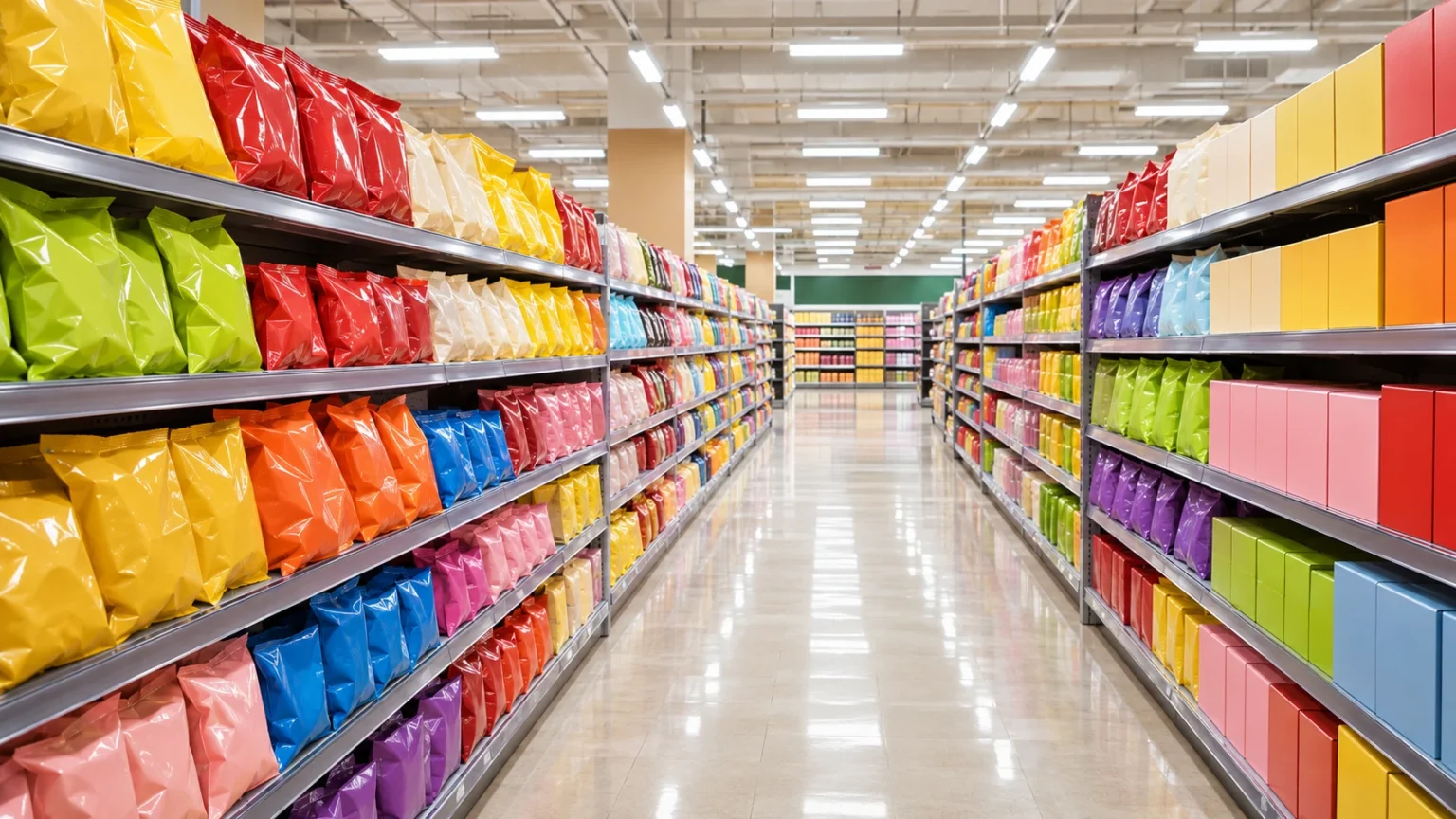
The first place shrinkflation shows up is the shelf of processed foods such as chips, instant noodles and ice cream. If the package size and design stay the same and only a few grams disappear inside, even regular customers find it hard to notice.
A Korean government survey in 2023 confirmed real cases. Combining the Korea Consumer Agency’s price information site, a complaint center and media reports, it found 37 products in 9 categories that had cut their contents while keeping prices unchanged.
The air in a chip bag is usually nitrogen, added to keep the chips from breaking or going stale. But shrinking the contents while enlarging the empty space counts as excessive packaging, so Korean law caps the share of empty space allowed in snack packages.
Quick tip — Memorize the net weight (g) on the back of snacks you buy often, and you will spot a cut right away.
On the Laundry and Bathroom Shelf
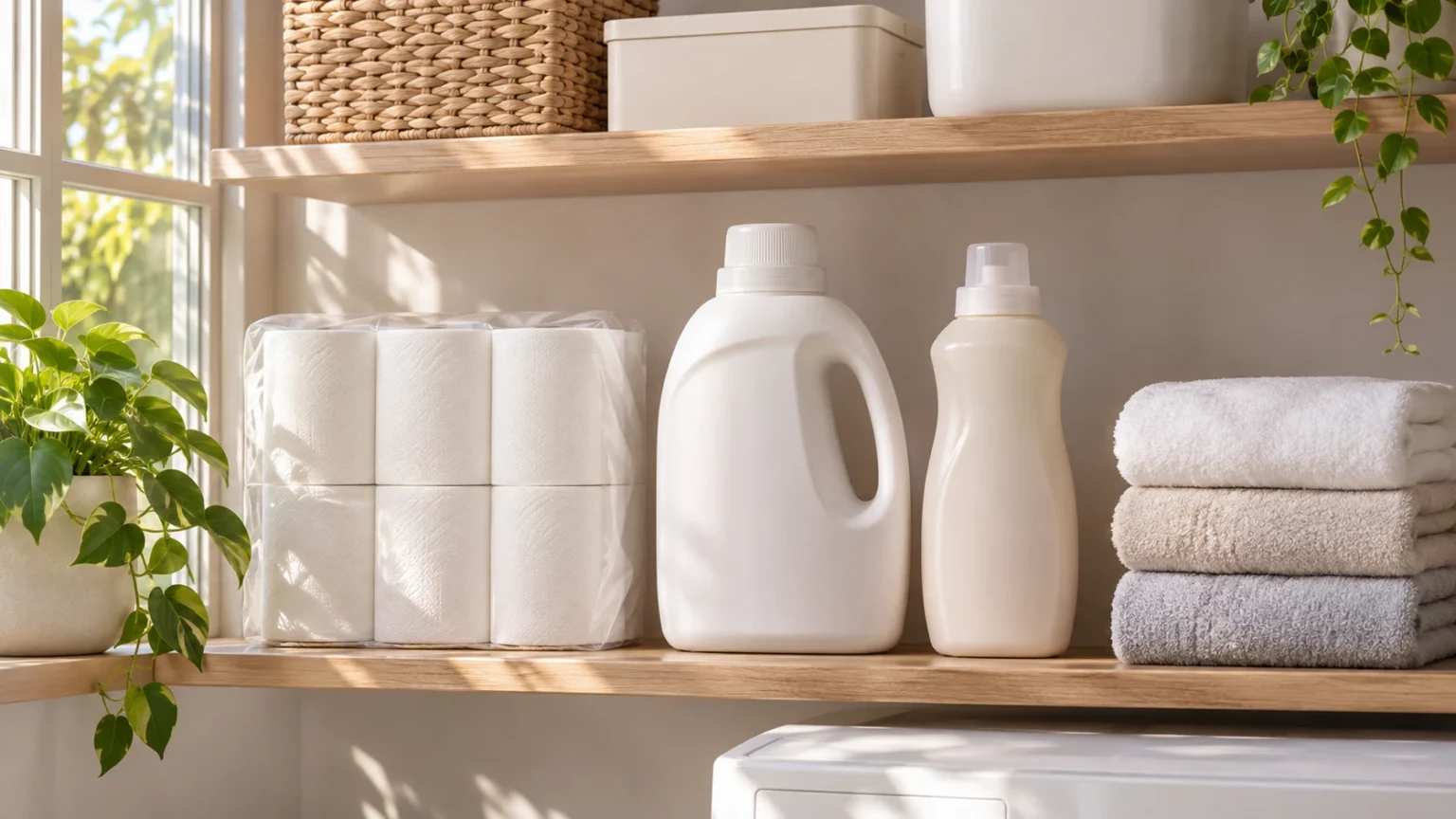
Household goods are no exception. Toilet paper rolls get shorter, and detergent or shampoo bottles hold less. Since the number of rolls per pack and the bottle shape stay the same, the difference is hard to see from the outside.
Because household goods are used up over several weeks, a smaller amount is hard to feel while you use them. You only sense that they ran out faster than before when it is time to buy more.
It happens abroad too. NPR once reported on a US cereal maker that shrank its “family size” box from 19.3 ounces to 18.1 ounces while keeping the price the same.
Quick tip — For toilet paper, compare the length per roll (m) rather than the number of rolls; for detergent, compare the volume and the number of loads.
In Delivery Apps and Chicken Boxes
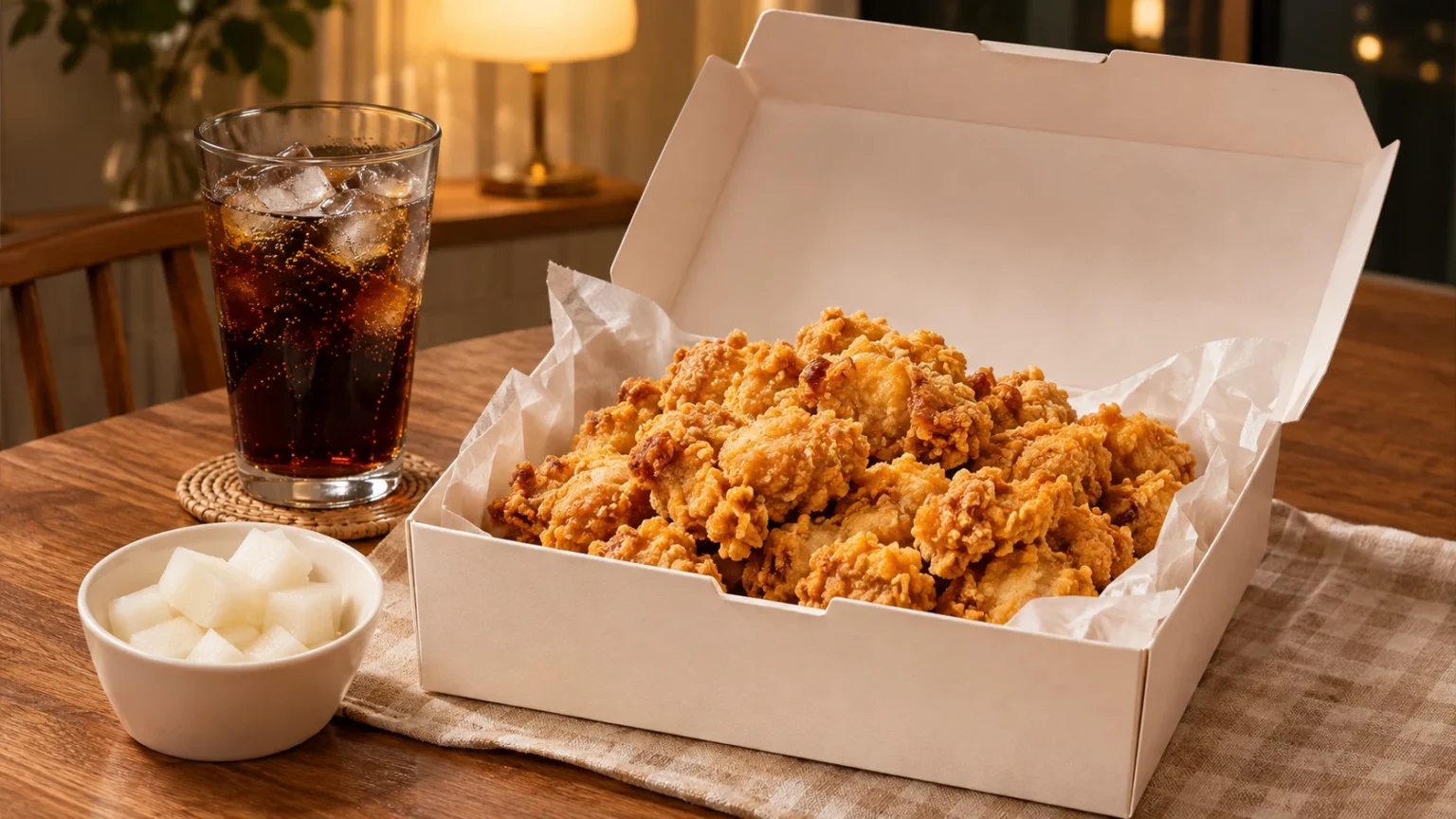
Restaurant and delivery food is even harder to check because the weight is not visible. Recently, one Korean fried chicken franchise cut its boneless menu from 700 g to 500 g, about 29% less, and then restored it within a month.
After a string of such cases, since December 2025 the outlets of 10 major chicken franchises in Korea have had to show the total pre-cooking weight on menus and delivery apps. Now customers can compare weights on the order screen.
Pre-cooking weight is the weight of the chicken itself before it is battered and fried. Weight after frying changes with the batter and moisture, so pre-cooking weight is the fair basis for comparing menus.
Quick tip — Before ordering delivery, check the weight (g) in the menu description and compare it with your past orders.
When Filling Your Cart
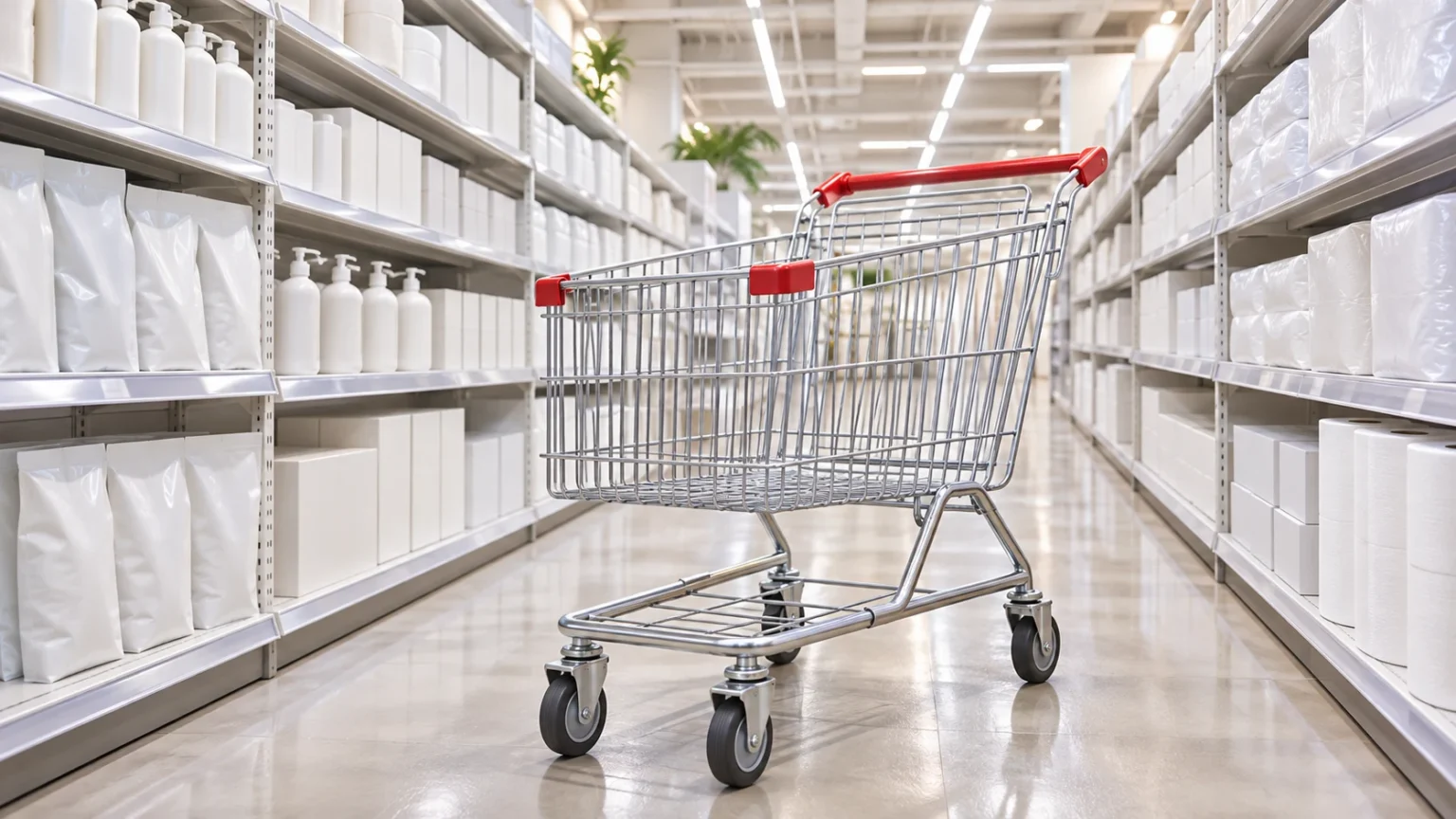
The surest way to catch a smaller amount is to look at the unit price. Price tags at large supermarkets show the price per 100 g or per item next to the selling price, so you can instantly see which is really cheaper even when package sizes differ.
Unit prices also correct the belief that multipacks are always a bargain. Even with a “buy one, get one free” or “value size” label, working out the price per 100 g sometimes shows that single items are cheaper.
Rules have arrived as well. Since August 3, 2024, 119 types of processed foods and household goods in Korea must announce any size cut of more than 5% on the package or at the point of sale for at least three months, or face a fine.
Quick tip — If the price per 100 g on the tag is higher than last time, the price has effectively gone up even if the selling price is the same.
Good to know
- Shrinkflation is a less visible price increase that cuts quantity instead of raising the price.
- It also helps to know skimpflation, which lowers quality instead of quantity.
- Checking unit prices and net weights is the most reliable defense.
An unchanged number on the price tag does not mean an unchanged price. The small habit of reading the weight line before you open the bag protects your shopping cart.
Recommended reading