
Fiscal policy is a key tool for promoting the stability and growth of a national economy, playing an important role as governments use it to adjust economic conditions, address imbalances, and pursue sustainable growth.
This article provides an in-depth analysis of the various effects of fiscal policy on economic growth and proposes specific fiscal policy tools and strategies for sustainable growth that can be achieved through them. Through this discussion, it seeks to deepen understanding of the economy as a whole and systematically examine the importance and effects of fiscal policy.
The Role of Fiscal Policy: Stabilizing the Economy and Promoting Growth
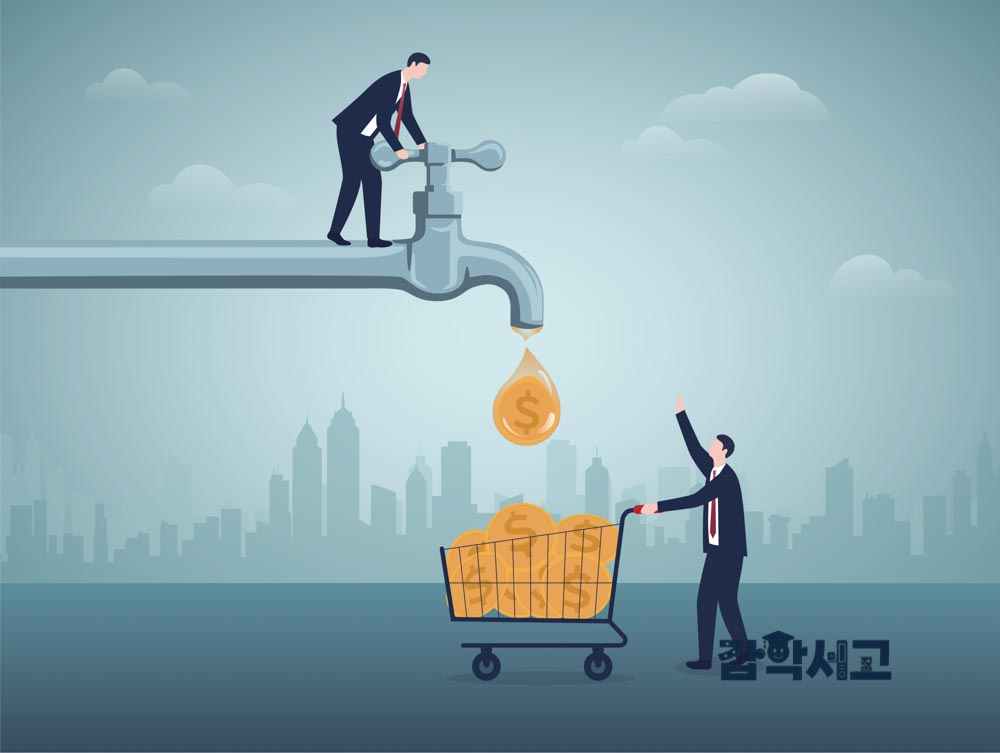
The Economic Stabilization Function of Fiscal Policy
Fiscal policy regulates the economic cycle through government spending and tax policies. When the economy enters a downturn, the government increases spending to stimulate demand and thereby support economic recovery. Conversely, when the economy overheats, it raises taxes to curb excessive consumption and maintain economic stability. These measures help reduce volatility across the economy and minimize instability associated with the business cycle.
Fiscal Policy for Promoting Economic Growth
Fiscal policy serves as an important means of promoting economic growth. The government improves economic productivity by concentrating investment in areas that increase long-term growth potential, such as infrastructure development, education, and research and development. These investments produce direct economic effects, such as job creation, in the short term, while strengthening economic competitiveness and establishing a foundation for sustainable growth in the long term. In particular, investment in future drivers of growth, such as advanced technology development, brings about structural changes in the economy and plays an important role in improving global competitiveness.
Income Redistribution and Strengthening Social Stability
Fiscal policy plays an important role in reducing economic inequality through income redistribution. By collecting tax revenue from high-income groups through tax policies and using it to support low-income groups, the government reduces economic inequality. These redistribution policies help strengthen social stability and promote overall economic growth by increasing people's capacity to spend. Policy efforts such as strengthening the social safety net ultimately make sustainable economic development possible.
Managing National Debt and Maintaining Fiscal Soundness
Fiscal policy serves as an important tool for managing national debt and maintaining fiscal soundness. The government regulates national debt through budget preparation and execution, thereby securing long-term fiscal stability. Because excessive increases in national debt can negatively affect the economy, the government must manage it carefully through fiscal policy. It must also continue to develop long-term fiscal plans and pursue structural reforms to improve the efficiency of debt management.
The Role of Fiscal Policy in International Economic Relations
Fiscal policy also plays an important role in international economic relations. The government responds to changes in the international economic environment by using various fiscal policy tools, including trade and exchange rate policies. This helps strengthen ties with the global economy and improve the national economy's global competitiveness. In particular, adopting flexible fiscal policies in response to changes in the international trading environment can maintain the stability of the national economy and strengthen its economic standing in the international community.
The Overall Importance of Fiscal Policy
Fiscal policy performs a wide range of roles in stabilizing the economy and promoting growth, demonstrating its importance as a tool for pursuing sustainable economic development. From regulating the economic cycle, promoting growth, redistributing income, and managing national debt to its role in international economic relations, fiscal policy performs essential functions throughout the national economy and helps provide continued support for economic stability and growth over the long term.
The Various Effects of Fiscal Policy on Economic Growth

Short-Term Economic Stimulus Effects
Fiscal policy plays an important role in stimulating the economy in the short term. In particular, government investment in infrastructure and spending on public works enable immediate job creation and drive economic growth through the resulting increase in consumption. During economic downturns, such government spending becomes an effective means of supporting economic recovery. For example, infrastructure projects involving roads, bridges, and public buildings invigorate the economy in the short term and also help stimulate local economies.
Establishing a Foundation for Long-Term Economic Growth
Fiscal policy also has a profound impact on long-term economic growth. When the government increases spending on research and development (R&D) investment, education, and training programs, this raises the economy's overall productivity. Technological innovation promotes structural improvements in the economy and strengthens global competitiveness. For example, government support for advanced technology sectors creates future drivers of growth and makes sustainable economic development possible. Investment in education and vocational training also improves the quality of the workforce over the long term, serving as a driving force for economic growth.
Income Redistribution and Economic Growth
Fiscal policy positively affects economic growth through income redistribution. Collecting tax revenue from high-income groups and using it to support low-income groups can reduce economic disparities. This income redistribution increases social stability while contributing to overall economic growth by expanding the spending capacity of low-income groups. Because worsening income inequality can weaken consumption and negatively affect economic growth, it is important to regulate it through fiscal policy.
Regulating Inflation and Deflation
Fiscal policy plays an important role in regulating inflation and deflation. Appropriate fiscal policies can curb inflation or prevent deflation, helping promote economic stability and sustainable growth. For example, to curb inflation caused by an overheating economy, the government can take measures such as raising taxes or reducing spending. Conversely, when an economic downturn raises concerns about deflation, the government needs to increase spending to stimulate economic activity.
Government Debt Management and Economic Growth
Fiscal policy also plays an important role in managing government debt. Excessive government debt can negatively affect economic growth over the long term, making careful management necessary. Maintaining an appropriate level of debt through fiscal policy and managing it steadily can secure the economy's long-term health. The government must carefully adjust its budget deficit and debt levels to minimize their negative effects on economic growth. It must also establish sustainable debt management strategies and aim for fiscal operations that do not burden future generations.
Responding to the International Economic Environment
Fiscal policy serves as an important tool for responding to changes in the international economic environment. Adjusting fiscal policy in line with uncertainty and changes in the global economy can improve the national economy's competitiveness and promote stable growth in global markets. In particular, when international trade and investment conditions fluctuate, the government must use fiscal policy to strengthen its ability to respond to external shocks, such as exchange rate fluctuations. This is essential for the national economy to maintain sustainable growth within the global economic system.
Fiscal Policy Tools: An Analysis of Government Spending and Tax Policies
The Role and Economic Effects of Government Spending
Government spending is a core fiscal policy tool that plays an important role in directly stimulating economic activity and establishing a foundation for long-term growth. The government positively affects the economy as a whole through various forms of spending, including infrastructure development, the provision of public services, and the strengthening of the social safety net.
In particular, infrastructure investment acts as a catalyst for economic growth. Investment in physical infrastructure, such as roads, railways, and ports, stimulates economic activity by improving logistics efficiency and reducing businesses' operating costs. Investment in digital infrastructure maximizes productivity by improving the efficiency of information and communication and helps strengthen businesses' global competitiveness. These infrastructure investments serve as a key factor in increasing the economy's long-term growth potential.
In addition, strengthening the social safety net through government spending is an important means of increasing economic stability. Expanding welfare programs, healthcare services, and educational support ensures that citizens' basic living needs are met, which has the effect of stimulating consumption across the economy. Strengthening the social safety net increases social stability and also contributes to improving the quality of human resources, supporting long-term economic growth.
The Economic Regulation Function of Tax Policy
Tax policy is another important fiscal policy tool, playing a central role in enabling the government to regulate economic activity and achieve income redistribution. Through various taxes, such as income tax, corporate tax, and value-added tax, the government can secure the necessary funds to provide public services and regulate the economy.
Tax policy also plays an important role in adjusting economic incentives. For example, introducing environmental taxation to encourage environmental protection can induce businesses to develop environmentally friendly technologies and products. Research and development (R&D) tax credits can also promote technological innovation, making structural transformation of the economy possible and helping pursue sustainable growth. These tax policies are an important means of bringing about structural improvements in various areas of the economy.
The Role of Tax Policy in the International Economy
Tax policy plays an important role in both the domestic and international economies. In response to changes in the global economic environment, the government can adjust tax policies to improve the national economy's competitiveness. For example, adjusting corporate tax rates can attract foreign investment and encourage global companies to invest domestically. Trade agreements can also promote international trade, thereby strengthening the national economy's global connections. These international tax policies provide an important foundation for the national economy to achieve sustainable growth in global markets.
The Overall Importance of Fiscal Policy Tools
Government spending and tax policies are the two pillars of fiscal policy, each playing an important role in maintaining economic stability and promoting growth. Government spending contributes to both short-term economic stimulus and the establishment of a foundation for long-term growth, while tax policy regulates economic activity and increases social stability through income redistribution. Both policies also serve as essential tools for responding to changes in the international economic environment and make a crucial contribution to promoting sustainable growth in the national economy.
Fiscal Strategies for Sustainable Economic Growth
Government Spending Strategies for Short-Term Economic Stimulus
Sustainable economic growth requires a swift and effective response to economic downturns. At such times, it is important to stimulate the economy by increasing government spending. Specifically, investing in infrastructure and expanding public services can create jobs in the short term and stimulate consumption, bringing vitality to the economy as a whole. Such spending supports rapid recovery during economic downturns and helps strengthen social stability.
Strategies for Establishing a Foundation for Long-Term Growth
Long-term economic growth requires strategies that extend beyond short-term economic stimulus. To this end, policies are needed to establish a foundation for long-term growth, including investment in research and development (R&D), the strengthening of education and training programs, and the development of digital infrastructure. These strategies help maximize economic productivity, promote technological innovation, and continually strengthen competitiveness in global markets. In particular, investment related to advanced technologies will serve as a key force driving future economic growth.
Addressing Economic Inequality Through Income Redistribution
Fiscal policy can serve as an important tool for addressing economic inequality. Collecting tax revenue from high-income groups through tax policies and using it to support low-income groups can reduce economic disparities. These redistribution policies increase social stability while promoting overall economic growth by expanding the spending capacity of low-income groups. Because worsening social inequality can negatively affect the economy as a whole, it is important to regulate it effectively through fiscal policy.
Fiscal Policy That Considers Environmental Sustainability
Sustainable economic growth requires fiscal policies that consider environmental sustainability. Introducing environmental taxation or supporting environmentally friendly industries can address climate change and create a sustainable economic environment. These policies go beyond environmental protection to play an important role in creating new drivers of economic growth and passing on a safe and sustainable economy to future generations.
Fiscal Strategies for Responding to International Economic Changes
As the global economic environment changes rapidly, fiscal strategies capable of responding to these changes are essential. Adjusting fiscal policy in line with international economic uncertainty and volatility can strengthen the national economy's international competitiveness. In particular, it is important to develop flexible fiscal policies in preparation for external shocks, such as exchange rate fluctuations and trade barriers, and to create an environment that can promote international trade and investment. This will help strengthen the national economy's global connections and support sustainable growth.
Maintaining Fiscal Soundness and Managing Government Debt
Maintaining fiscal soundness is important for sustainable economic growth. Excessive government debt can negatively affect economic growth over the long term, making careful management necessary. Maintaining an appropriate level of debt through fiscal policy and managing it steadily can secure the economy's long-term health. The government must also pursue sustainable fiscal management with the aim of conducting fiscal operations that do not burden future generations.
Fiscal policy is an important tool for promoting economic stability and growth, and strategies that give balanced consideration to short-term economic stimulus and the establishment of a foundation for long-term growth are essential. Sustainable economic growth can be achieved by effectively using government spending and tax policies to promote income redistribution and environmental sustainability, while strengthening the ability to respond to changes in the international economic environment.
Going forward, economic stability and growth should continue to be pursued through ongoing review and adjustment of the roles and strategies of fiscal policy.