
Inflation is one of the major issues in the modern economy, and discussions about its impact and causes continue unabated. In particular, recent global economic conditions have prompted differing views on whether inflation signals an economic crisis or is a temporary phenomenon.
This article will examine in detail the definition and causes of inflation, domestic and international trends, its role as a signal of an economic crisis, and the optimistic view that it is a temporary phenomenon.
The Definition of Inflation
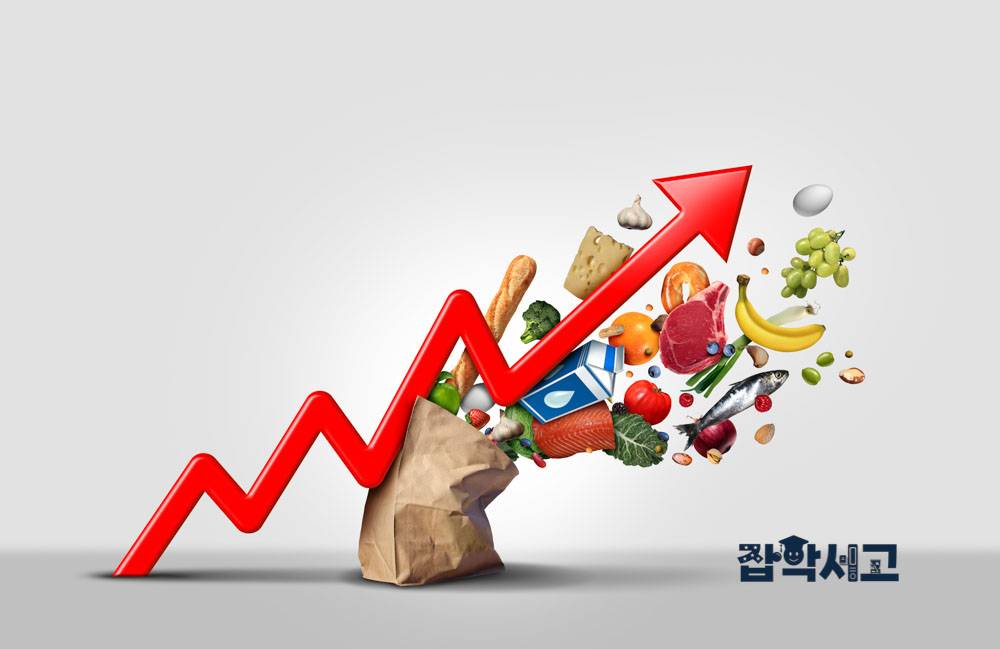 What Is Inflation?
Inflation generally refers to a sustained rise in prices. It means that prices of goods and services rise across the economy as the value of money declines.
Demand-Pull Inflation
Demand-pull inflation occurs when aggregate demand exceeds aggregate supply across the economy. For example, when an economic boom increases the purchasing power of consumers and businesses, demand for goods and services surges, leading to higher prices. In such circumstances, real GDP may exceed potential GDP.
Cost-Push Inflation
Cost-push inflation occurs as production costs increase. Rising raw material prices, rising wages, and exchange rate fluctuations can be causes, and prices rise as businesses pass their production costs on to consumers. In particular, rising prices of essential resources such as crude oil increase upward pressure on prices across the economy.
An Increase in the Money Supply
An increase in the money supply is a cause of inflation resulting from a central bank issuing excessive amounts of money. When the money supply increases, the value of money falls, leading to higher prices. In this case, the central bank's monetary policy plays an important role. For example, interest rate cuts or quantitative easing policies can cause the money supply to increase.
The Views of Economic Experts
Economic experts hold differing views on the causes of inflation. Some emphasize imbalances between supply and demand, while others identify the central bank's monetary policy as an important factor. The interconnectedness of the global economy also affects inflation, and fluctuations in international raw material prices are another important variable.
Inflation does not arise from a single cause but results from the combined effects of several factors. Economic experts analyze these complex causes and propose various policies to manage inflation effectively.
Inflation Trends in South Korea
 What Is Inflation Like in South Korea?
The 1970-1980s: Economic Growth and High Inflation
Inflation trends in South Korea have taken various forms depending on economic conditions and policy changes. During the 1970s and 1980s, the country experienced high inflation as it underwent rapid economic growth. The government's economic development plans and sharp increases in international oil prices were major factors during this period. In particular, the two oil shocks of the 1970s greatly increased inflationary pressures alongside rising raw material prices.
The 1990s: Stabilizing Inflation
As the 1990s began, the inflation rate gradually stabilized. The government's fiscal tightening policies and the central bank's monetary policies, such as interest rate increases, played a major role. Falling international oil prices and stability in the global economy also contributed to price stability.
The Early 2000s: External Shocks and Volatility
In the early 2000s, external shocks such as the collapse of the IT bubble and the global financial crisis of 2008 destabilized the economy and also caused the inflation rate to fluctuate. During this period, the Bank of Korea sought to manage inflation through monetary policies such as interest rate adjustments.
Recent Trends: Global Economic Uncertainty and Inflationary Pressures
In recent years, inflationary pressures have tended to rise again amid global economic uncertainty and the effects of rising raw material prices and exchange rate fluctuations. In particular, price increases became pronounced following the COVID-19 pandemic due to supply chain disruptions and the effects of fiscal policies. The Bank of Korea is pursuing policies such as interest rate increases to respond to these conditions.
Inflation trends in South Korea are affected by a complex combination of international economic conditions and domestic policy changes, and are likely to continue fluctuating under the influence of various factors.
Global Inflation Trends
 What Are Inflation Trends Like Abroad?
In recent years, inflation has emerged as a major economic issue worldwide. As the global economy recovers from the shock of the COVID-19 pandemic, supply chain bottlenecks, rising raw material prices, and central banks' monetary easing policies are acting as major factors driving inflation.
The U.S. Response
Major economies, including the United States, have recently faced mounting inflationary pressures. The U.S. Federal Reserve Board (FED) is working to curb inflation by adjusting monetary policy. Policies such as interest rate increases and quantitative tightening aim to ease inflation by reducing the money supply.
The European Union's Response
The European Union (EU) is also implementing various policies to control inflation. The European Central Bank (ECB) aims to control inflation through measures such as raising interest rates and scaling back its asset purchase programs. These policies are having a substantial impact on the eurozone economy.
The Situation in Asia
Inflationary pressures are also increasing in Asia. In particular, China and India are experiencing upward pressure on prices alongside high rates of economic growth. The Chinese government is working to curb inflation by strengthening capital controls and adjusting monetary policy.
Challenges in South America and Africa
In some countries in South America and Africa, inflation is causing economic instability. In these regions, factors such as currency depreciation and foreign exchange shortages, together with political instability, are further worsening inflation. This is having a negative impact on economic growth.
The Need for Global Cooperation
As inflation emerges as a major issue worldwide, national governments and central banks are implementing various policies to control it. However, the interconnectedness of the global economy limits what individual countries can achieve on their own, making international cooperation increasingly important.
Inflation and Economic Crises
 Inflation That Burdens Consumers
Inflation can be regarded as a signal of an economic crisis. Rapid price increases reduce the purchasing power of consumers and businesses, which can negatively affect the economy as a whole. Therefore, prolonged inflation increases the likelihood of an economic crisis.
The Impact on Low-Income Groups and the Middle Class
Inflation as a signal of an economic crisis has a particularly strong impact on low-income groups and the middle class. Rising prices make daily necessities more expensive, increasing the financial burden on low-income households. In such circumstances, consumer spending declines, negatively affecting economic growth.
The Impact on Businesses
Businesses are also affected by inflation. Rising production costs reduce business profitability, which can lead to reduced investment and employment. In particular, small and medium-sized enterprises may suffer greater damage because they are less able to respond to inflation than large companies.
Interest Rate Increases
Central banks and governments must develop various measures to control inflation. Raising interest rates is one of the main measures. Higher interest rates increase borrowing costs, which can reduce consumption and investment and thereby lower demand across the economy. However, raising interest rates also carries the risk of causing a recession.
Fiscal Policy
The government's fiscal policy also plays an important role. Reducing public spending and raising taxes can prevent the economy from overheating. However, these policies can be politically sensitive and may negatively affect economic growth. A cautious approach is therefore necessary.
The Importance of International Cooperation
International cooperation is also important. Because the global economy is interconnected, there are limits to what individual countries can achieve on their own. It is important to analyze the causes of inflation and develop joint responses through cooperation with international organizations. This can improve the stability of the global economy.
The Temporary Nature of Inflation: Grounds for Optimism
 Is Inflation Temporary? Is It a Crisis?
Some economists argue that inflation is a temporary phenomenon and offer an optimistic view of it. They believe that inflation arises from particular economic conditions or short-term factors and expect it to stabilize over the long term.
Supply Chain Recovery
The first basis for optimism is supply chain recovery. The COVID-19 pandemic severely disrupted supply chains worldwide, but they are gradually recovering over time. Once supply chains stabilize, raw materials and goods will be supplied more smoothly, contributing to price stability.
Central Bank Credibility
The second basis is central bank credibility. Major central banks have various policy tools for controlling inflation and the ability to use them effectively. They can manage inflation through various policies, including interest rate policies, adjustments to quantitative easing, and asset purchase programs.
Technological Progress
The third basis is technological progress. Technological innovation helps increase productivity and reduce production costs. This helps ease upward pressure on prices over the long term. For example, advances in automation and artificial intelligence can improve production efficiency, which can lead to cost savings.
The Market's Self-Correcting Mechanism
The fourth basis is the market's self-correcting mechanism. In a market economy, supply and demand adjust through price signals. When prices rise, businesses increase production, which boosts supply and can restrain price increases. This self-correcting mechanism of the market naturally helps ease inflation.
Global Economic Recovery
The fifth basis is the recovery of the global economy. The global economy has been recovering since the pandemic, which will contribute to greater stability across the economy. If the economic recovery continues, inflationary pressures are also expected to ease gradually.
Optimism About Inflation
Some economists therefore view inflation as a temporary phenomenon and argue that there is no need to be overly concerned about it. They emphasize the economy's inherent capacity to recover and are optimistic about long-term economic stability.
Inflation is a complex and multifaceted phenomenon with diverse causes and effects. Recent inflation trends in the global economy suggest that it could signal an economic crisis, but it could also be a temporary phenomenon that stabilizes.
Economic experts are proposing various policies and responses to manage inflation effectively, and efforts to improve the stability of the global economy through international cooperation are needed. Addressing inflation requires a multifaceted approach, and policy efforts guided by a long-term perspective are important.