In design, 'white space' is often readily regarded as a simple background or empty space. In reality, however, white space (margins) is an important element that brings out creativity and harmoniously combines the functional and aesthetic elements of design.
This article will explore the various roles of white space in design and its importance from multiple perspectives.
White Space in Design: A Stage for Creativity
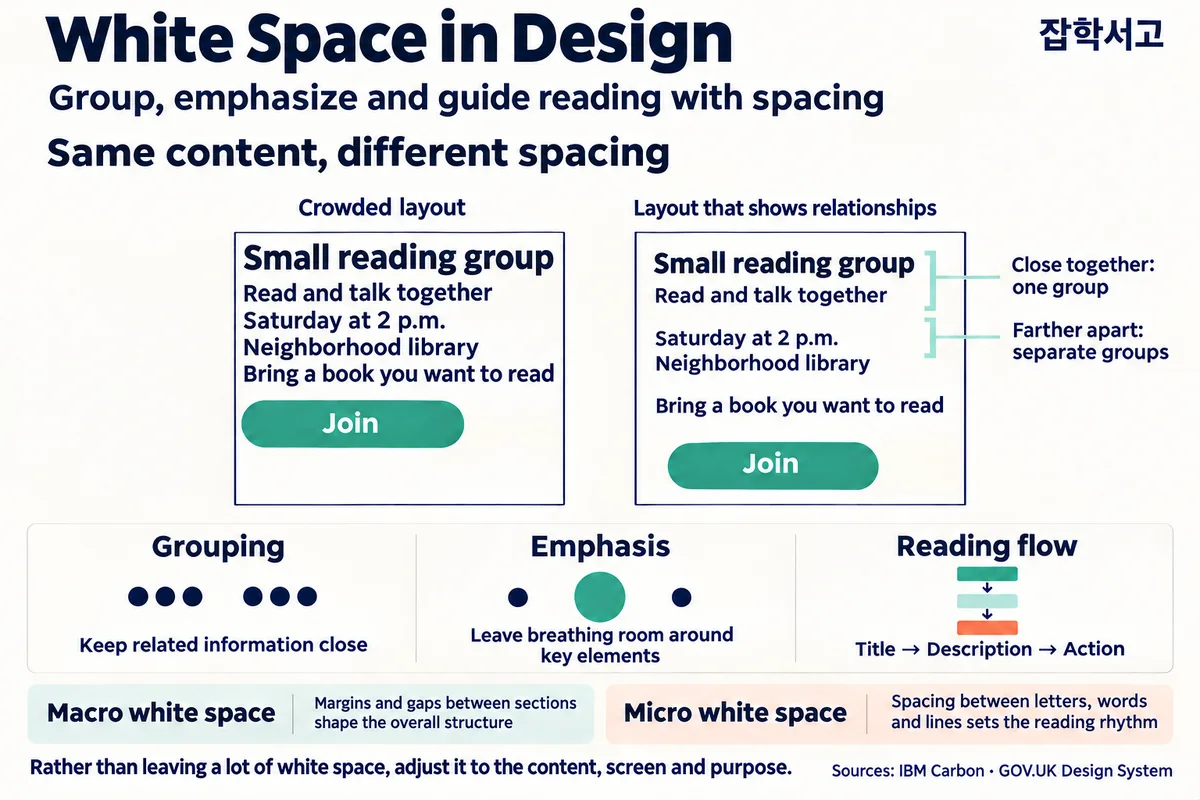 What Is White Space in Design?
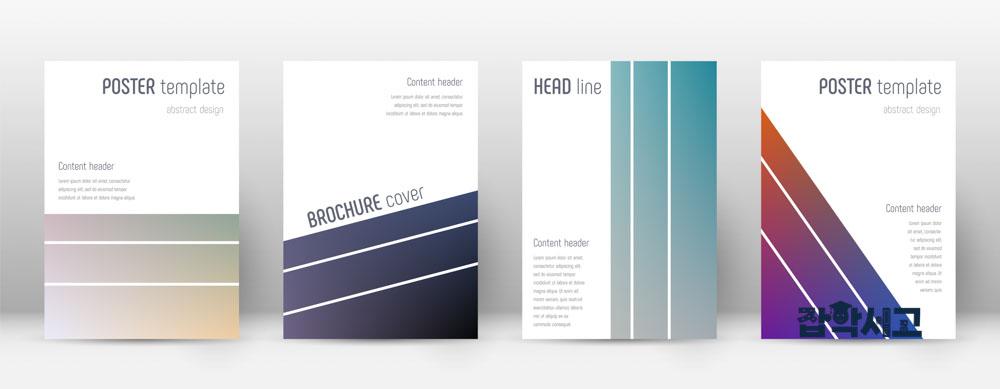
In design, white space means more than simply space. White space provides a stage on which design elements can stand out, and this stage is an important space where creativity can unfold.
The Roles and Importance of White Space
For example, in poster design, white space allows text and images to be arranged appropriately to communicate a message more effectively. As an important element in bringing out creativity, white space helps designers clearly understand the structure and flow of a design. This enables designers to communicate messages in more creative and innovative ways, ultimately improving the quality of the design.
Reducing Visual Fatigue and Focusing Attention
White space also reduces visual fatigue and focuses users' attention. Designs that are complicated by excessive information and elements can place a burden on users. In these situations, appropriate white space helps users understand the design more easily and pay attention to important information.
Possibilities for Creative Expression
By using white space, designers can try various forms of creative expression. For example, minimalist design maximizes white space to convey a concise yet powerful message. Such designs can be seen as the result of considering both visual and psychological effects.
Exploring New Ideas and Concepts
White space in design also helps with exploring new ideas and concepts. Through white space, designers can try experimental and creative approaches, which become a driving force behind the creation of original and innovative designs.
Overall, white space in design is more than simply empty space; it is an important stage for creativity to unfold. Using white space effectively plays a major role in maximizing designers' creativity and, further, in harmoniously combining functionality and aesthetic elements.
The Aesthetics of White Space: Harmonizing Function and Aesthetics
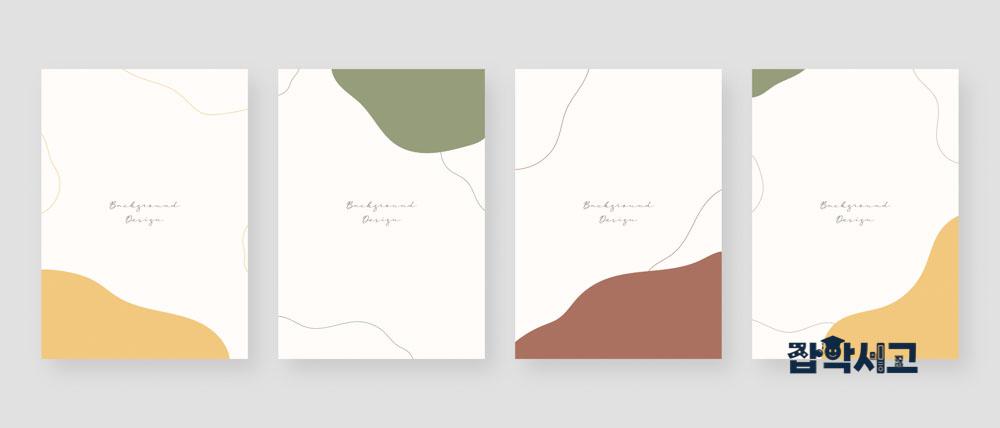 The Beauty and Importance of White Space
The aesthetics of white space do not simply refer to empty space; they constitute an important design element that harmoniously combines function and aesthetic elements. White space plays an important role in achieving overall balance in a design by arranging text and images appropriately and guiding users' visual flow.
Improving Readability
Using white space appropriately greatly improves the readability of a design. For example, in website design, sufficient white space between text and images helps users read and understand information more easily. This serves as an important element in enhancing the user experience.
Emphasizing Aesthetic Elements
White space also plays an important role in emphasizing the aesthetic elements of a design. Designs that use white space well give a clean and sophisticated impression, leading users to perceive the design more positively. These aesthetic effects can also contribute to improving brand image.
Functional Usefulness
White space is also highly important from a functional perspective. For example, in product design, white space helps users use a product more easily. White space between buttons or interface elements helps users make fewer mistakes and use the product more intuitively.
Structural Stability
White space also plays a role in improving the structural stability of a design. Appropriate white space helps design elements function independently without interfering with one another. This is an important element in maintaining the overall consistency of a design.
Improving the User Experience
Using white space effectively is essential to improving the readability, aesthetics, and functionality of a design. This makes it possible to provide a better user experience and improve the overall refinement of the design.
Practical Tips for Using White Space
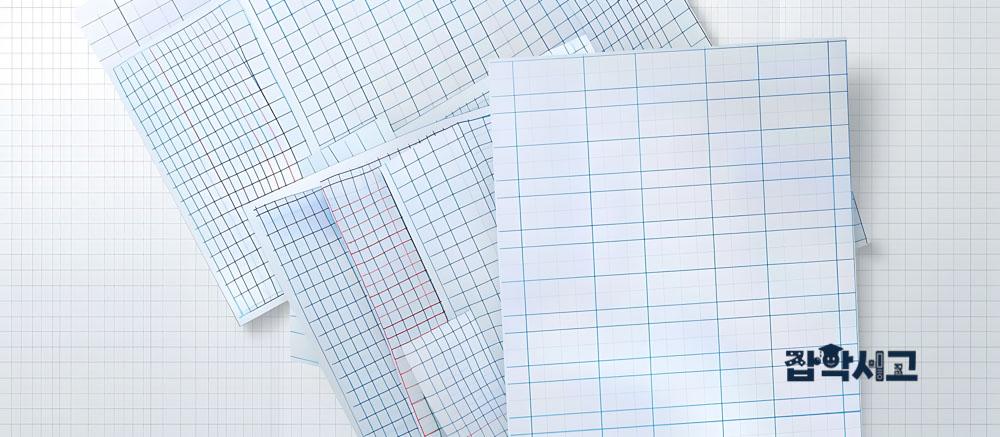 Using a grid is also one of the fundamentals.
Understanding the Roles of White Space
White space is more than simply empty space; it is an important tool that makes design elements stand out, controls visual flow, and improves the user experience. To use white space effectively, you must first understand its various roles and their importance.
Setting Design Goals
Before using white space, you must clearly define the purpose and goals of the design. For example, if the goal of a website design is to convey information to users, it is important to improve readability by leaving sufficient white space between text and images. In product packaging design, on the other hand, white space can be placed strategically to strengthen brand image and make the product stand out.
Using a Grid System
A grid system is a useful tool for managing white space effectively. Using a grid system allows design elements to be arranged at regular intervals, maintaining overall balance and consistency. This makes it clear where white space is needed and how much is required, allowing design work to proceed more efficiently.
Establishing a Hierarchy
White space can be used to visually represent the importance of design elements. Important information can be emphasized by leaving more white space around it, while relatively less white space can be used for less important elements. Establishing this hierarchy helps users quickly understand the design and easily find the information they want.
Understanding the Types of White Space
White space can broadly be divided into internal and external white space. Internal white space refers to white space located within elements such as text or images, while external white space refers to the space between design elements. A good understanding of each type of white space and how to use it can help refine the details of a design.
Using White Space Flexibly
It is important to use white space flexibly instead of setting it to a fixed value. In responsive web design, the amount of white space must be adjusted according to screen size. Setting white space with relative units (e.g., %, em) for this purpose can provide a consistent user experience across different device environments.
Visual Rhythm and Flow
White space can give a design visual rhythm and flow. Appropriate placement of white space can naturally guide users' eyes and focus their attention on important elements. For example, leaving sufficient white space between key content elements allows users to recognize each element individually and better understand the overall design.
Testing and Feedback
During the design process, it is important to continually test whether white space is being used appropriately and receive feedback. Observe users' responses and adjust white space as needed to provide the best possible user experience. This is an important step in improving the refinement of a design.
Practical tips for using white space consist of understanding its roles, setting design goals, using a grid system and establishing a hierarchy, understanding the types of white space, using white space flexibly, creating visual rhythm and flow, and conducting testing and gathering feedback. Using white space effectively through these strategies allows you to harmoniously combine the functionality and aesthetic elements of a design and maximize the user experience.
White Space Strategies for Successful Design
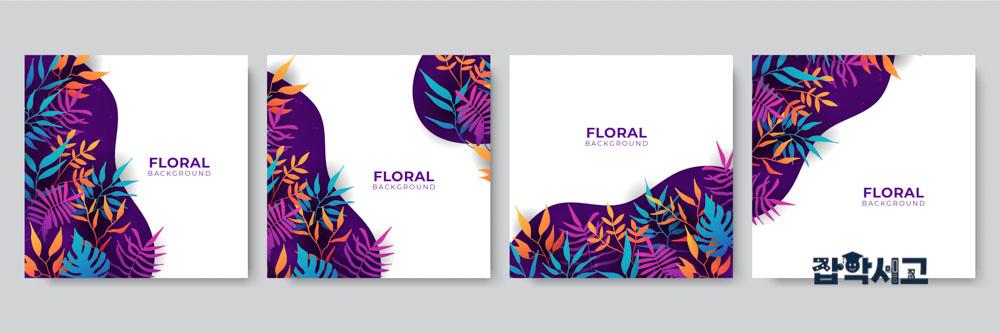 How Can White Space Be Used Effectively?
There are several strategies for using white space effectively to achieve successful design. The following explains specific strategies and their importance.
Maintaining Appropriate Proportions
The first strategy is to maintain 'appropriate proportions.' Carefully adjusting the proportions between white space and design elements can achieve overall balance in a design. This is an important element in giving the design a clean and sophisticated impression.
Emphasizing Important Information
The second strategy is 'emphasizing important information.' Using white space to emphasize important information makes it easier for users to recognize that information. This is particularly effective in advertising and marketing design.
User-Centered Design
The third strategy is 'user-centered design.' Arranging white space with users' experience and convenience as the highest priorities enables users to understand and use the design more intuitively. This is particularly important in website and application design.
Strengthening Aesthetic Elements
The fourth strategy is 'strengthening aesthetic elements.' Using white space well can strengthen the aesthetic elements of a design. This leads users to perceive the design more positively and can contribute to improving brand image.
Optimizing Functional Elements
The fifth strategy is 'optimizing functional elements.' White space plays an important role in optimizing the functional elements of a design. For example, in product design, white space helps users use a product more easily. This is an important element in increasing user satisfaction.
A Creative Approach
The final strategy is a 'creative approach' using white space. White space allows a variety of creative expressions to be tried, becoming a driving force behind the creation of original and innovative designs. Using white space effectively plays a major role in maximizing designers' creativity and, further, in harmoniously combining functionality and aesthetic elements.
Various strategies for using white space effectively are essential to the success of a design. Each strategy, including maintaining appropriate proportions, emphasizing important information, user-centered design, strengthening aesthetic elements, optimizing functional elements, and taking a creative approach, plays an important role in improving the refinement of a design and enhancing the user experience. These strategies can lead to more successful and satisfying design outcomes.
White space is more than simply empty space; it is an important design element that harmoniously combines creativity and function. Using white space appropriately can improve the readability, aesthetics, and functionality of a design.
This makes it possible to provide a better user experience and improve the overall refinement of the design. We hope you will create successful designs by applying strategies that use white space in design effectively.