Safe driving is an essential virtue for every driver and an important responsibility for protecting one's own safety and that of others. With traffic accidents increasing recently, the importance of safe driving is being emphasized more strongly, and strict adherence to basic rules and precautions is essential.
This resource aims to provide the guidance drivers need to practice safe driving. The following sections will discuss in detail the importance of safe driving, key road traffic regulations, the need for vehicle inspections and maintenance, and precautions to observe while driving.
The Importance of Safe Driving: Why Basic Rules Are Necessary
Safe driving goes beyond legal responsibility; it is a basic and essential duty that every driver must fulfill. Traffic accidents generally result from complacency or carelessness, causing significant harm not only to those involved but also to others. An accident caused by a momentary mistake can lead to serious physical and psychological harm and, in some cases, even threaten lives. Therefore, strictly following basic safety rules is the first step toward preventing these accidents and protecting everyone on the road.
Safe driving also contributes to creating a safer traffic environment by complying with road traffic laws. These laws exist to maintain traffic flow and order, and following them is essential for everyone's safety. When drivers fail to follow basic regulations, they can endanger other drivers on the road, contributing to congestion and higher accident rates.
The Ability to Respond to Unpredictable Situations
Following the basic rules of safe driving develops the ability to respond calmly even to unpredictable emergencies. Sudden changes in the weather, unexpected obstacles on the road, and emergencies at intersections are hazards that can arise at any time while driving. These situations require immediate judgment and action, abilities developed through consistent safety habits.
In particular, learning how to respond to dangerous situations while driving and practicing these responses repeatedly can be very helpful in actual situations. For example, on days with heavy rain, roads can become slippery, making it necessary to reduce speed and maintain a safe following distance. This advance preparation can prevent accidents before they occur and also plays an important role in maintaining confidence and composure.
Consistently following safety rules also helps drivers reduce their fear of dangerous situations and remain calm during emergencies. This enables them to control their vehicles more steadily on the road and provides a more comfortable driving experience.
The Psychological Effects of Consistent Driving Habits
Safe driving has an important influence on drivers' psychological stability. Developing consistent driving habits has value beyond simply preventing accidents, helping to reduce tension and unnecessary stress while driving. Drivers with safe driving habits can assess road situations more calmly and do not experience excessive anxiety even in unexpected situations.
Psychological stability also affects drivers' reaction speed and accuracy. An unsettled psychological state can cloud judgment while driving and interfere with appropriate responses. However, drivers who consistently practice safe driving can assess road situations with a more relaxed mindset and respond quickly and accurately.
This psychological stability also has a positive effect on passengers. When drivers control their vehicles calmly and steadily, passengers also feel safe and can travel comfortably. This provides a more pleasant driving environment for everyone, whether on trips or during everyday travel.
Creating a Culture of Mutual Respect on the Road
Safe driving also has a positive influence on other drivers and pedestrians and plays an important role in creating a traffic culture based on mutual respect. Drivers who follow the rules set an example for others, contributing to orderly roads and a safe driving environment. This is part of building a culture of mutual respect on the road, improving road safety by encouraging more drivers to follow the rules.
Drivers who comply with traffic regulations inspire trust in others. Particularly at intersections and merging sections, this helps others anticipate how they will drive and travel safely. Such mutual respect contributes to reducing the likelihood of road accidents and creates an environment where all drivers can travel comfortably and safely.
Furthermore, safe driving helps reduce road congestion by keeping overall traffic flowing smoothly. Failure to follow the rules can inconvenience other drivers through actions such as sudden stops or cutting in, potentially disrupting traffic across the road network. However, when all drivers follow the rules and show consideration for one another, roads can remain safer and traffic can flow more smoothly.
The Economic Benefits of Safe Driving
Safe driving also offers significant economic benefits. Traffic accidents bring substantial financial burdens, including repair costs, higher insurance premiums, and legal expenses. In particular, additional costs arise when an accident requires vehicle repairs or the use of alternative transportation. Following basic rules and practicing safe driving is a way to prevent these unnecessary expenses.
Furthermore, avoiding accidents can prevent increases in insurance premiums, providing substantial financial benefits over the long term. Drivers who maintain an accident-free record may receive insurance discounts, allowing them to save considerable amounts over time.
Reducing vehicle wear through safe driving is another economic benefit. Drivers who avoid sudden acceleration and hard braking and have their vehicles inspected regularly can extend their vehicles' lifespan, helping to reduce maintenance costs. Over the long term, these small habits lead to substantial savings and greater financial stability.
Key Road Traffic Regulations: Basic Guidelines for Safety
Road traffic laws are basic regulations that all drivers must understand and follow, providing important legal standards for ensuring the safety of drivers and pedestrians on the road. Traffic laws exist to maintain road safety and order, rather than merely to provide a basis for avoiding legal penalties. In particular, strict compliance with traffic laws plays a key role in preventing accidents and protecting everyone's life and property. Traffic laws may also be revised as circumstances change, so drivers must regularly check the latest information and drive safely in accordance with revised regulations.
Speed Limits: The Importance of Maintaining a Speed Appropriate to Conditions
Speed limits are a basic part of road traffic laws and an essential rule that applies to all roads. Different speed limits are set according to a road's type and location, helping drivers maintain speeds appropriate to road conditions. For example, highways allow relatively high speeds, while speeds are restricted on city roads and roads near residential areas. These limits can be checked on road signs, and observing them is a basic and important way to prevent traffic accidents.
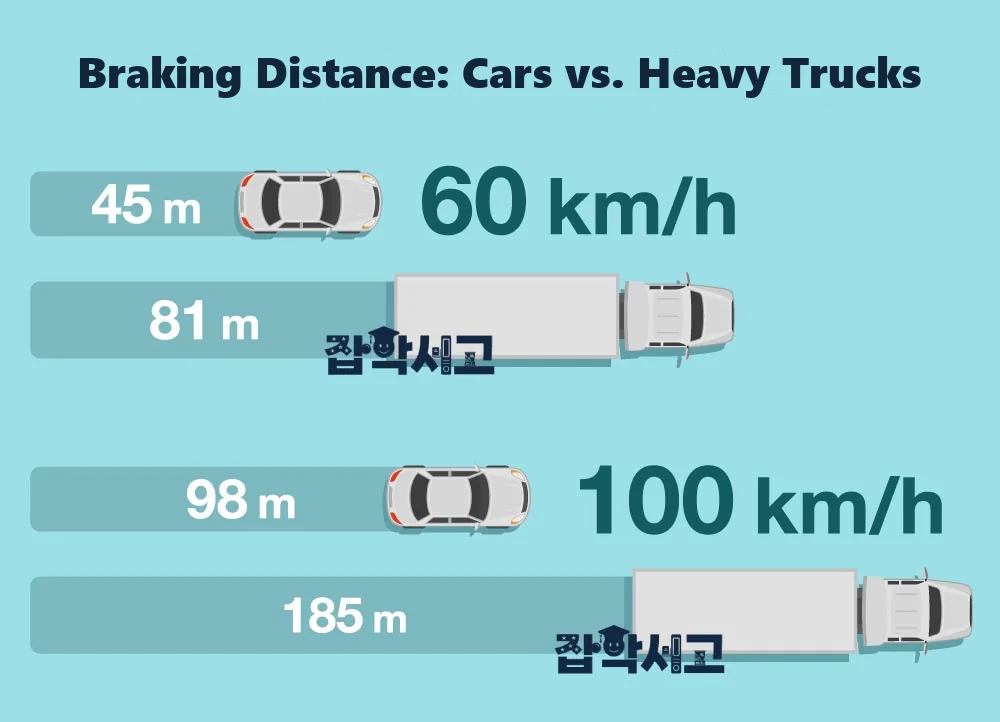
Exceeding speed limits increases a vehicle's braking distance or a driver's reaction time, making it difficult to respond to unexpected situations. In particular, higher speeds produce greater impact in an accident, increasing the likelihood of casualties and property damage. Therefore, all drivers must strictly observe posted speed limits and pay attention to road signs to maintain safe driving speeds. When weather or road conditions are poor, driving below the speed limit is also a safer approach.
Traffic Signals and Intersection Rules: Essential Elements of Accident Prevention
Compliance with traffic signals and intersection rules is an important matter that drivers must understand to drive safely on the road. At intersections with traffic signals, drivers must strictly obey the signals, and rushing through an intersection just before the signal changes is especially dangerous. Drivers must also yield to vehicles with the right of way at intersections, and it is essential to follow the signals when making left turns or U-turns. Following these rules helps prevent collisions at intersections and maintain order on the road.
At intersections without traffic signals, it is particularly important to yield while considering the position and speed of other vehicles. Where there is a stop sign, drivers must come to a complete stop, assess the situation, and enter safely. Following intersection rules is an important practice that helps all drivers use intersections safely, and observing these rules is a basic way to establish mutual trust on the road.
Lane-Changing Rules: Essential Procedures for Safe Road Use
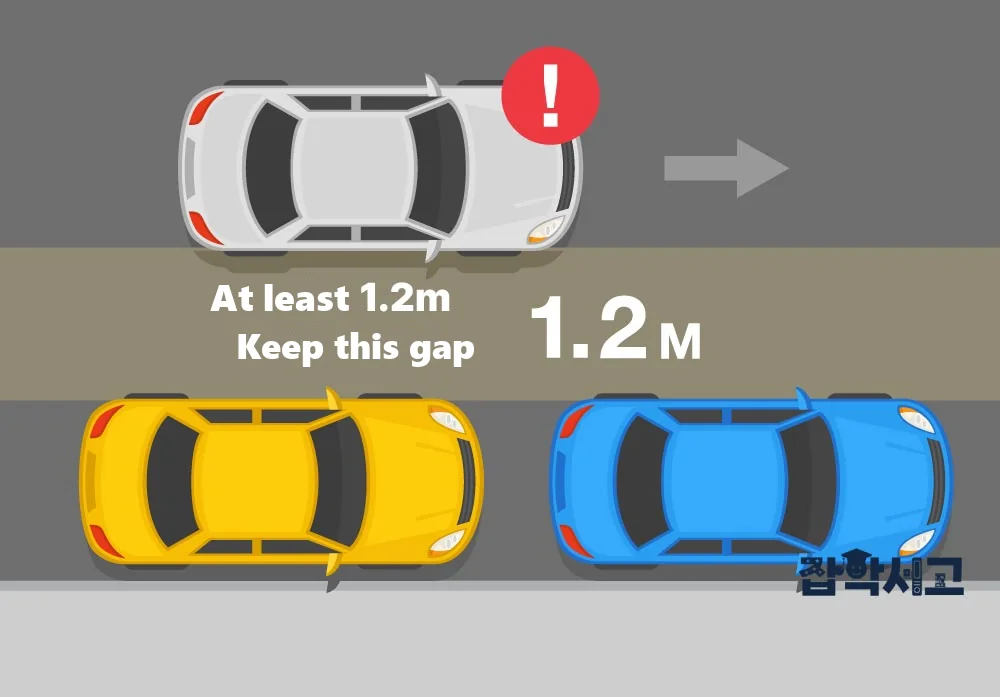
Drivers must also strictly follow the relevant rules when changing lanes, helping to prevent unexpected accidents on the road. When changing lanes, they must use turn signals to clearly communicate their intentions to other drivers. It is also important to ensure sufficient distance from surrounding vehicles before changing lanes safely. Failure to follow these procedures prevents other drivers from anticipating the direction of movement, increasing the likelihood of an accident.
Particular caution is needed when changing lanes on highways. Because vehicles travel at high speeds on highways, it can be difficult to anticipate how long other vehicles will take to change lanes. Therefore, sufficient distance and prompt lane changes are necessary. In addition, repeated lane changes can disrupt traffic flow, and unnecessary lane changes increase the risk of accidents, so it is advisable to minimize them whenever possible. Changing lanes correctly is an important habit that maintains road order and creates a safe driving environment.
Pedestrian Protection Rules: Giving Priority to Vulnerable Road Users
Pedestrian protection rules deserve particular attention from drivers and were created to ensure the safety of pedestrians, who are vulnerable road users. Pedestrians always have the right of way at crosswalks, so drivers must stop before crosswalks to allow them to cross safely. In particular, drivers must slow down and pay close attention when children, older people, or people with physical limitations cross the road.
Stricter speed limits apply in child protection zones, and drivers must pay particular attention when passing through these areas. Because children are likely to behave unpredictably, it is important to drive cautiously even within the speed limit. Pedestrian protection rules go beyond legal requirements and provide a basic way to practice safety and mutual respect on the road.
In addition, when vehicles pass without stopping as pedestrians cross the road, pedestrians may feel anxious, which can cause fear of using the road. By following these regulations, drivers can contribute to pedestrian safety and peace on the road.
The Prohibition of Drunk Driving: A Serious Legal and Moral Responsibility
Drunk driving is an unacceptable violation of the law and a clear criminal act that threatens both the driver's life and the lives of others. Driving under the influence significantly impairs judgment and reaction speed, creating a high risk that even a small mistake will lead to a serious accident. Therefore, after drinking alcohol, drivers must use public transportation or request a designated driver service.
Drunk driving does not end as a simple personal mistake; if an accident occurs, it can lead to legal penalties and substantial financial burdens. Drivers receive severe penalties for traffic accidents caused by drunk driving, which also negatively affect their credit and daily lives. Accidents caused by drunk driving also leave deep wounds for victims and their families, so it is important to have a sense of social responsibility and strictly avoid driving after drinking.
The dangers of drunk driving have been emphasized countless times over the years, yet numerous accidents occur every year because of drivers who fail to recognize its seriousness. All drivers must follow this rule and practice safe, responsible driving habits.
Understanding the Latest Traffic Regulations and Continuing to Learn
Traffic regulations are revised periodically in response to changing road environments and technological advances, and it is important for drivers to keep learning about these changes. Laws may also be revised to address new road conditions or traffic problems, and knowing about these changes in advance and preparing for them is essential to maintaining safe driving. For example, drivers must familiarize themselves in advance with recently introduced traffic systems or new road signs to prevent accidents.
Understanding and following each revision of the law serves a purpose beyond simply avoiding legal penalties. It provides a foundation for safer behavior on the road and is also an important way to prevent traffic accidents. In addition, complying with road regulations is a basic responsibility of every driver and contributes to building a culture of road safety.
Drivers must regularly update their knowledge of traffic regulations and actively seek relevant information to drive safely.
The Importance of Vehicle Inspections and Maintenance: Essential Preparation for Safety

Regular vehicle inspections and maintenance are basic preparations for safe driving, enabling drivers to prevent unexpected breakdowns and accidents in advance. This maintenance process plays an important role in keeping vehicle performance at its best and preventing sudden accidents, and it is also a basic duty for operating a vehicle safely. In particular, carefully maintaining essential components such as engine oil, tires, brakes, and lights while using a vehicle is directly connected to protecting lives. Thorough vehicle maintenance is a responsible action for the safety of both the driver and everyone on the road.
Engine Oil Maintenance: A Key Factor in Preserving Vehicle Lifespan and Performance
Engine oil is a lubricant that keeps each engine component operating smoothly, serving a role similar to the vehicle's 'heart.' Because engine oil reduces friction between components and dissipates heat, it must be replaced at regular intervals. If the oil's lubricating performance deteriorates, engine components can overheat or become damaged, leading not only to costly repairs but also, in serious cases, to a risk of accidents caused by engine failure.
Oil change intervals may vary depending on driving conditions and habits, and shorter intervals are advisable for frequent long-distance driving or travel on rough roads. It is also important to check the oil level and condition regularly and top it up when necessary. Proper engine oil maintenance and regular replacement extend a vehicle's lifespan and improve fuel efficiency, providing long-term economic benefits.
Tire Inspection and Maintenance: Essential Elements of Safe Driving
Tires are the only parts of a vehicle that touch the road, and their condition is directly linked to driving stability. Tires must remain in proper condition while driving so the vehicle can operate steadily even during sudden stops or sharp turns, while heavily worn tires weaken braking performance and increase accident risk. Tire wear and pressure must be checked regularly to maintain optimal condition, and changing to tires appropriate for the season contributes to safe driving.
Tire pressure also affects fuel efficiency. Excessive or insufficient pressure accelerates tire wear and reduces fuel economy, creating unnecessary costs. Tire condition is particularly important in adverse weather, such as rain or snow, and maintaining traction is essential for preventing skidding and ensuring stability on the road. Well-maintained tires adapt to road conditions and allow safe, smooth driving.
Brake System Maintenance: The Key to Braking Distance and Accident Prevention
The brake system is one of a vehicle's most important safety systems and a crucial factor directly related to its braking distance. Brake pads and discs wear with use, so their condition must be checked regularly and they must be replaced when necessary to maintain optimal braking power at all times. In particular, worn brake pads increase braking distance and can raise the risk of accidents in unexpected situations, while weakened braking performance at high speeds can have fatal consequences.
Brake fluid is another important maintenance item. It transmits braking force, and as it ages, air bubbles can form in the fluid and reduce braking performance. Therefore, its condition must be checked regularly, and it must be replaced at the intervals recommended by the manufacturer. This brake system maintenance preserves the ability to stop a vehicle quickly and safely and is an essential procedure for protecting occupants and everyone on the road, even in unexpected situations.
Checking Vehicle Lights: Essential for Driving at Night and in Adverse Weather
Vehicle lights are important devices that provide visibility for drivers at night or in poor weather and help them communicate with other vehicles. Headlights, taillights, and turn signals must be checked regularly to ensure that they work properly, with immediate repair or replacement when necessary. If lights do not work properly when driving at night or in the rain, visibility can be restricted and the risk of accidents can increase. Lights do more than provide visibility for the driver; they also help ensure safe driving by showing other drivers the vehicle's location.
Faulty lights can confuse other drivers and create greater danger, particularly when visibility is limited. Driving with nonfunctioning turn signals or headlights switched off increases accident risk because the driver's intentions cannot be communicated to others. Therefore, lights must be checked regularly, and any problems must be addressed immediately to ensure safety on the road.
Inspections at Professional Repair Shops: Reducing Long-Term Maintenance Costs and Ensuring Safety
Having a vehicle's overall condition checked regularly at a professional repair shop is an important way to reduce long-term maintenance costs and ensure safety. Repair shops can identify and prevent potential problems early by thoroughly examining internal components, electronic devices, and wiring that are difficult to check visually. Finding problems in advance through regular inspections allows action before they lead to major accidents or serious breakdowns, reducing maintenance costs over the long term.
In particular, regular inspections of major components such as the engine, battery, and cooling system are essential because failures while driving can lead to major accidents. Repair shops use the latest equipment and technology to inspect vehicles thoroughly, recommend necessary repairs, and help keep them in optimal condition. Inspections by maintenance professionals are essential for extending a vehicle's lifespan and creating a safe environment in which drivers can travel on the road with peace of mind.
Precautions While Driving: Practical Ways to Prevent Accidents
The Importance of Precautions While Driving: Basic Principles for Safe Travel
Strictly observing precautions while driving is an essential principle for preventing road accidents and creating a safe environment for all drivers and pedestrians. The most basic requirement is to remain focused on the road and surrounding conditions at all times while driving. Distracting activities such as operating a smartphone or navigation system carry a high risk of causing accidents and must be avoided while driving. Drivers must always recognize that a momentary lapse in attention can lead to a major accident and adopt an attitude of focusing solely on the road and vehicle while driving.
Unpredictable emergencies can arise at any moment on the road. Concentration on driving is essential for responding quickly and accurately to these situations. For example, immediate judgment and action are required when the vehicle ahead suddenly stops or a pedestrian enters the road. Since distractions make appropriate responses difficult in such moments, concentration plays an important role in preventing accidents.
Maintaining a Safe Following Distance: A Lifeline in Unexpected Situations
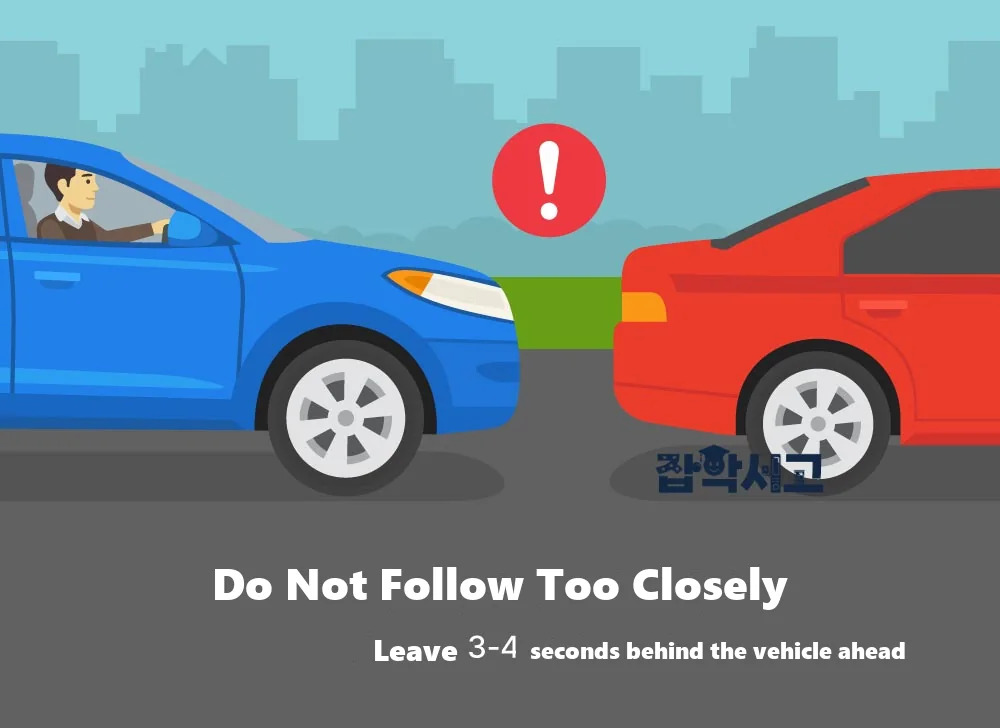
Maintaining a safe following distance means leaving enough space behind the vehicle ahead to prepare for unexpected situations while driving. Sufficient distance from the vehicle ahead provides time to stop safely when something unexpected happens. On ordinary roads, drivers must maintain a safe following distance that accounts for their reaction speed and the vehicle's braking distance, while greater distances are needed on high-speed roads such as highways. By maintaining the distance between vehicles in unexpected situations, this also helps prevent potential 2nd-stage accidents.
The higher the speed, the greater the required safe following distance. When a sudden stop occurs at high speed, the vehicle takes longer to stop completely, so insufficient distance from the vehicle ahead can lead to a collision. In particular, on roads such as highways, it is difficult to adjust the distance between vehicles instantly, so drivers must routinely maintain ample spacing. The habit of maintaining a safe following distance ensures the safety of both drivers and passengers and also contributes to the safety of the entire road.
Adjusting Driving to Weather and Road Conditions: Safe Responses Appropriate to the Situation
Weather and road conditions have a major influence on driving safety, making it essential to adjust driving methods accordingly. On rainy or snowy days, road surfaces become slippery and vehicle braking distances can increase. In these conditions, drivers must reduce their usual speed and particularly avoid actions such as sudden stops or rapid acceleration. When roads are wet or icy, drivers must take care not to press the brakes too hard and maintain smooth driving habits appropriate to road conditions.
Particular caution is needed when changing lanes in adverse weather. Drivers must activate turn signals in advance to inform other vehicles of their intentions and change lanes only after ensuring sufficient safe distance. Heavy snow or rain reduces visibility, making it essential to turn on headlights so other drivers can clearly see the vehicle's location. Adapting driving methods to weather and road conditions is an important way to prevent unexpected accidents and ensure safe travel.
Understanding Nearby Vehicles' Intentions and Preparing to Respond: The Need for Anticipatory Driving
While driving, drivers must always anticipate the movements and intentions of surrounding vehicles and be prepared to respond accordingly. Drivers on the road have various driving habits, and some vehicles may cut in abruptly or travel at inconsistent speeds. Anticipating and preparing for other vehicles' behavior in these situations is very helpful in preventing accidents. For example, if a vehicle is trying to change lanes abruptly, it is important to adjust speed to maintain a safe distance and slow down if necessary.
Anticipatory driving goes beyond ensuring one's own safety and plays an important role in establishing mutual trust with other drivers on the road. The more thoroughly drivers prepare for unexpected situations, the more they can reduce various accidents that may occur on the road, and these habits also contribute to maintaining smooth traffic flow. Anticipatory driving is an essential element in creating a culture of road safety and a basic driving principle that every driver must practice.
Preventing Drowsy Driving: Adequate Rest and Safe Driving
Drowsy driving is a major cause of traffic accidents, and drivers must rest whenever they feel tired while driving. As drowsiness builds, judgment and reaction speed decline sharply, increasing the risk of an accident. In particular, on long-distance drives, drivers must stop at rest areas or safe locations at regular intervals to get enough rest and reduce the risk of accidents caused by drowsiness. During long-distance travel, it is important to take a short break every 2 hours to stretch, breathe fresh air, and relieve fatigue.
If drowsiness persists, drinking coffee or a caffeinated beverage or taking a short nap may help. However, caffeinated beverages only suppress drowsiness temporarily, and their effects are unlikely to last for a long time. When feeling drowsy, the safest approach is to rest fully and resume driving only after adequate rest has eliminated the drowsiness. Because drowsy driving can seriously threaten one's own life and the lives of others, drivers must prioritize rest whenever they feel tired.
A Relaxed and Yielding Mindset: Consideration for Safety on the Road
While driving, it is important to stay relaxed and be willing to yield to other drivers. Driving in a hurry or trying to get ahead aggressively can threaten both one's own safety and that of others. Such attitudes can cloud judgment and interfere with appropriate responses in unexpected situations. A relaxed mindset eases tension on the road and creates an atmosphere of mutual yielding and consideration, helping overall traffic flow smoothly.
Yielding and consideration play a particularly important role at intersections and bottlenecks. Being considerate of others on the road builds mutual trust among drivers and contributes to a safe, pleasant traffic environment. Staying relaxed and considering others is essential for reducing road tension and maintaining overall traffic order. If all drivers travel with a relaxed and yielding attitude, roads will become safer and more peaceful.
Safe driving is a basic duty that every driver must fulfill. To do so, it is important to comply strictly with traffic regulations, inspect the vehicle's condition regularly, and carefully observe all precautions while driving.
These basic rules are the best way to protect one's own safety and that of others and also contribute to creating a safe, peaceful traffic culture. By understanding and practicing these guidelines, all drivers can improve road safety and prevent accidents.