The media plays a central role in modern society and is closely connected to our daily lives. For this reason, the media must uphold high ethical standards when communicating information and faithfully fulfill its role and responsibilities.
This material aims to discuss in depth the importance of media ethics, the role of the media in modern society, responsibility when communicating information, stronger internal rules to ensure credibility, and measures to ensure transparency in building trust with readers.
The Importance of Media Ethics and the Media's Role in Modern Society
The Importance of Media Ethics
Media ethics is essential to providing fair and reliable information. Beyond simply serving as a channel for communicating information in society, the media plays an important role in shaping public awareness and the social agenda. For this reason, the information the media communicates must be accurate and fair, and ethical responsibility must accompany this process. Accurate reporting enables the public to make sound judgments, which serves an important function in a democratic society.
The Media's Expanded Role in Modern Society
The role of the media in modern society is becoming increasingly important. Advances in digital technology have ushered in an era in which anyone can easily access information, but the risk of misinformation spreading has also grown accordingly. Situations in which fake news or distorted information spreads rapidly and causes social confusion occur frequently. Accordingly, the media must further strengthen its role as a provider of reliable information, and upholding ethical standards has become more important than ever.
Ethical Standards and Ensuring Credibility
Media ethics provides guidelines for the conduct of journalists and editors and serves as a standard for maintaining fairness and credibility in reporting. Media outlets that uphold ethical standards earn the trust of readers and viewers, which enhances their long-term credibility. Fair reporting is an important factor in strengthening relationships of trust with readers, enabling the media to maintain lasting influence.
Fair Treatment of Diverse Perspectives
In today's multicultural society, diverse values and perspectives coexist. The media must fairly address a range of perspectives without representing only the interests of a particular group. By providing everyone with information on equal terms, this helps reduce social conflict and promote mutual understanding. The media must avoid biased reporting and contribute to social integration by fairly reflecting multiple perspectives.
Information Transparency and the Importance of the Newsgathering Process
Media ethics also emphasizes transparency in information sources and the newsgathering process. If information sources are unclear or ethical problems arise during newsgathering, the credibility of the reporting can decline significantly. The media must uphold ethical standards during newsgathering and earn the trust of readers and viewers through accurate and transparent information sources. This enables it to ensure the reliability of information and provide the public with reporting based on facts.
The Media's Social Responsibility
The media must go beyond simply communicating information and fulfill its responsibilities as an institution with social influence. It must address social issues fairly and thereby contribute to creating a better society. Media outlets that fulfill their social responsibilities also earn public trust and can expand their social influence over the long term. Through these efforts, the media provides the public with reliable information and plays an important role in creating a better society.
Responsibility for Information: The Need for Reliable Reporting
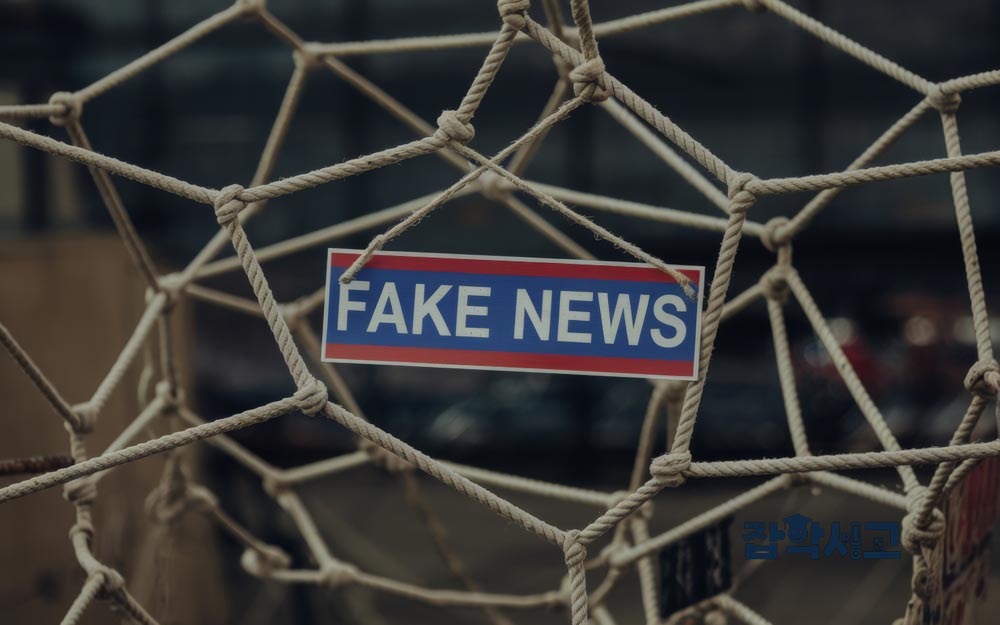
Responsibility for Information: The Core of Media Ethics
Responsibility for information is a core element of media ethics, contributing to the healthy functioning of society through reliable reporting. Beyond simply communicating information, the media must take care to ensure that the information is based on facts and provided in a socially responsible manner. This is a basic prerequisite for the media to fulfill its social responsibilities.
The Importance of Thorough Fact-Checking and Cross-Checking
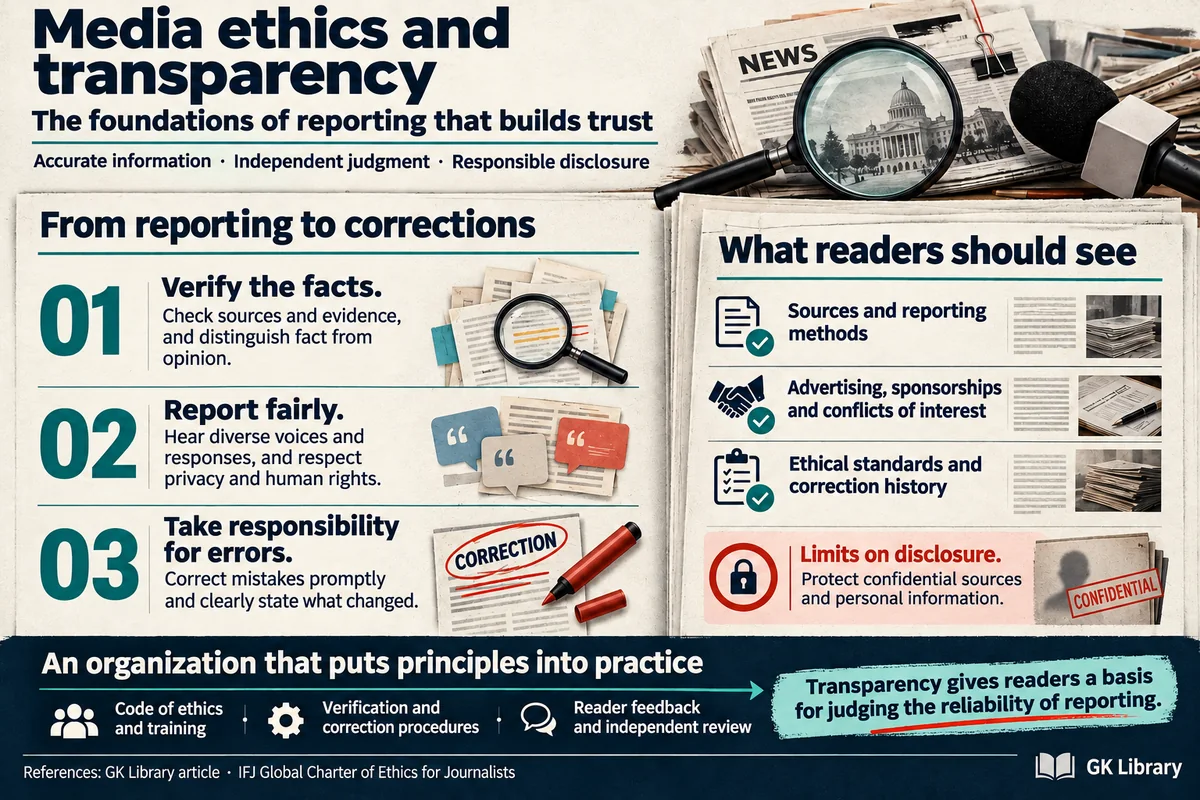
Reliable reporting begins with thorough fact-checking. Before reporting information, the media must cross-check it against multiple sources. This can prevent misinformation from spreading and help communicate accurate information to the public. Cross-checking is a procedure for determining whether information sources are trustworthy and sufficiently objective; omitting this process increases the likelihood of reporting misinformation.
The Need for Prompt Corrections When Errors Occur
Errors that may arise when communicating information must be corrected promptly. When incorrect information spreads, it can cause public misunderstanding and have a devastating impact on the media's credibility. Therefore, when an error occurs during reporting, the media has a responsibility to recognize it immediately and correct it transparently. This enables it to maintain a relationship of trust with the public.
Maintaining a Fair, Unbiased Perspective
Maintaining an unbiased perspective is another important element of reliable reporting. Giving excessive weight to the positions of particular interest groups or personal opinions can undermine the objectivity of information. Through fair and objective reporting, the media must help the public make sound decisions based on facts. Reporting that represents only the interests of a particular group can cause social conflict, which the media must avoid.
Protecting Privacy and Respecting Human Rights
Media ethics places importance on protecting privacy and respecting human rights during the reporting process. Content that invades the privacy or damages the reputation of the subjects of reporting can raise ethical concerns and may also lead to legal disputes. Therefore, when providing information, the media must fully respect the rights of those it reports on. This is one of the basic ways in which the media fulfills its social responsibilities.
Representing the Voices of Vulnerable Groups and Minorities
The media must fairly address the voices of vulnerable groups and minorities. It is important to reflect diverse social perspectives so that particular groups or social classes are not excluded from media coverage. Through this, the media enhances social fairness and helps ensure that diverse voices are reflected in society. Providing fair information can help reduce social conflict and is one of the media's responsibilities.
Long-Term Efforts to Maintain Credibility
Maintaining credibility over the long term is directly linked to the media's survival. Media outlets that lose public trust struggle to recover, which ultimately also harms their relationships with readers or viewers. Reliable reporting is an important factor that not only earns public trust in the short term but also enhances the media's sustainability over the long term. Therefore, the media must consistently uphold ethical standards and spare no effort in providing reliable information.
Strengthening Internal Media Rules to Ensure Credibility
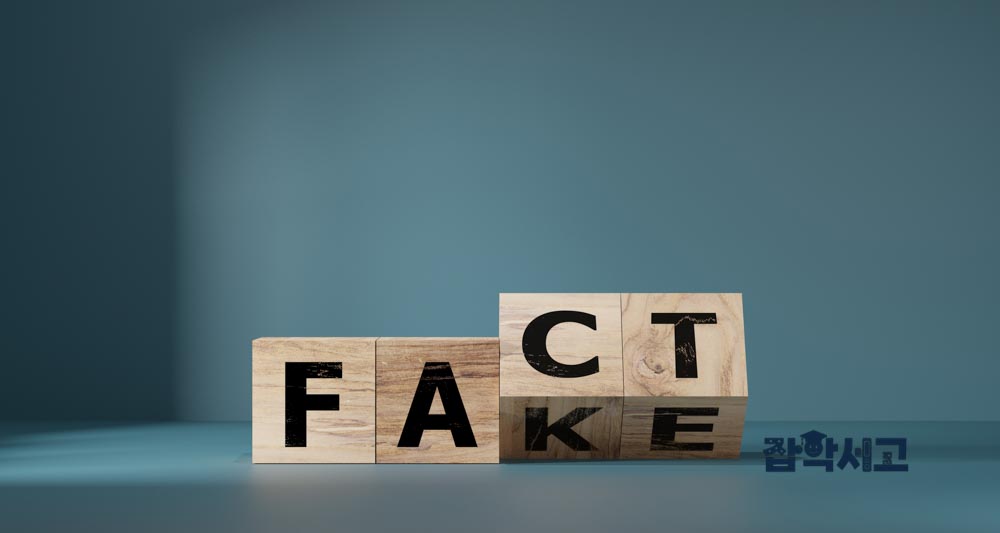
The Need to Strengthen Internal Media Rules
To maintain and enhance the media's credibility, it is essential to strengthen internal rules comprehensively. Internal rules aim to clearly establish ethical standards within an organization and build a systematic framework for putting them into practice. This provides an important foundation for ensuring the media's long-term credibility and sustainability.
Establishing a Clear Code of Ethics
The first step in strengthening internal rules is to establish a clear code of ethics. A code of ethics sets out specific guidelines for the conduct of journalists and editors, enabling consistent ethical standards to be maintained throughout the organization. The code must be updated regularly to reflect changing social values and the media environment. Such a code must function as practical guidance rather than merely a formal document.
The Need for Regular Training Programs
To put a code of ethics into practice, every member of the organization must fully understand it and have the ability to apply it. Regular training programs are essential for this purpose. Ongoing education and training must be provided so that journalists and editors properly understand ethical standards and can apply them in their work. Both new and existing employees must receive regular training, which serves as an important means of continually strengthening the organization's ethical capabilities.
Transparent Newsgathering Processes and Information Verification Systems
The core of strengthening internal rules lies in establishing transparent newsgathering processes and information verification systems. Procedures must be established to clearly identify information sources and thoroughly verify their reliability. This can improve the accuracy of reporting and prevent harm caused by misinformation. Procedures and systems to prevent ethical problems that may arise during newsgathering must also be established.
Establishing an Independent Ethics Committee
An independent ethics committee needs to be established as part of strengthening internal rules. The ethics committee must have the authority to assess ethical problems that arise during the media's reporting process and respond promptly. An independent committee helps prevent bias that may arise within the organization and further strengthens the media's credibility by evaluating ethical standards from an objective perspective.
Institutional Mechanisms to Strengthen Employee Accountability
To enhance employees' ethical accountability, internal rules must clearly specify sanctions for violations of ethical standards. These sanctions must be applied fairly and can motivate employees to comply with ethical standards. It is important to create an environment in which employees can clearly recognize and fulfill the media's ethical responsibilities.
Strengthening Ethical Standards Through External Cooperation
Beyond strengthening internal rules, sharing ethical standards through cooperation with external media institutions and ethics organizations is also important. Through mutual cooperation and information sharing, media outlets can pursue common ethical goals. This can raise ethical standards across the industry and help establish the media's credibility in society.
Measures to Ensure Transparency in Building Trust with Readers

The Importance of Transparency
Media transparency is essential to building trust with readers. Transparency refers to the process of clearly explaining how information is collected and through which sources it is provided. This enables readers to assess the reliability of the information the media provides for themselves and plays an important role in enhancing the media's credibility. Various methods of ensuring transparency help strengthen relationships with readers.
Clearly Disclosing Information Sources
The first measure for ensuring transparency is to clearly identify the sources of information used in reporting. Disclosing information sources allows readers to judge how trustworthy the information is. Since credibility can decline when sources are anonymous or unclear, it is important to identify sources as specifically as possible and explain how the media assessed their reliability.
Maintaining Transparency in the Newsgathering Process
The process through which reporting is produced must also be disclosed transparently. Readers want to know how reporting was carried out and what newsgathering procedures were used to collect information. The media can enhance its credibility by clearly explaining these processes and providing the background and context of its reporting. This plays an important role in helping readers gain a deeper understanding by providing information beyond the finished report alone.
A System for Promptly Correcting Errors
Errors that occur during reporting can significantly undermine the media's credibility. To prevent this, a system is needed to correct errors promptly and transparently. When incorrect information is reported, correcting it promptly and clearly informing readers of the correction can strengthen both the media's sense of responsibility and its credibility. An honest and prompt response is an important process in restoring readers' trust in the media.
Strengthening Communication with Readers
Active communication with readers is an important element of building trust. Gathering readers' opinions and reflecting them in reporting signals that the media interacts with readers and respects their interests. Transparently explaining and responding to readers' questions or concerns also further strengthens relationships of trust. Through this, readers come to see that the media is based on communication rather than simply delivering information in one direction.
Ensuring Financial Transparency
Financial transparency is very important for maintaining the media's independence. To continue reporting independently without being influenced by external funding, advertising, sponsorship, and similar factors, the media must maintain financial transparency. This can reassure readers that media reporting is not biased toward particular interests and can provide objective and neutral information.
Sharing Codes of Ethics and Internal Rules
Finally, sharing the ethical standards the media follows with readers plays an important role in building trust. The media must disclose its codes of ethics and internal rules and clearly communicate its efforts to uphold them to readers. This enables readers to understand that the media is not merely an institution that provides information but one that practices responsible reporting according to ethical standards.
Media ethics is becoming increasingly important in modern society, and a range of measures is needed to maintain the reliability of information and responsibility for it. Building trust with readers through reliable reporting, stronger internal rules, and transparency is essential to the media's sustainable development. Through these efforts, the media will be able to contribute to creating a better society and provide the public with reliable information.