Culinary tourism goes beyond simply visiting new places. It is an experience of exploring each region's distinctive flavors and culture in depth through the art of food, adding another dimension to travel. Culinary tourism is a special journey that allows travelers to experience a region's history and traditions, connect with its people, and understand their way of life through flavors and atmospheres that can only be experienced locally.
Culinary tourism has a unique appeal not only for food lovers but also for those seeking new perspectives and inspiration through travel. We will now examine the varied attractions and essential elements of culinary tourism and explore the pleasure of experiencing local flavors through each region's signature foods.
The Appeal of Culinary Tourism: Exploring Flavors Around the World
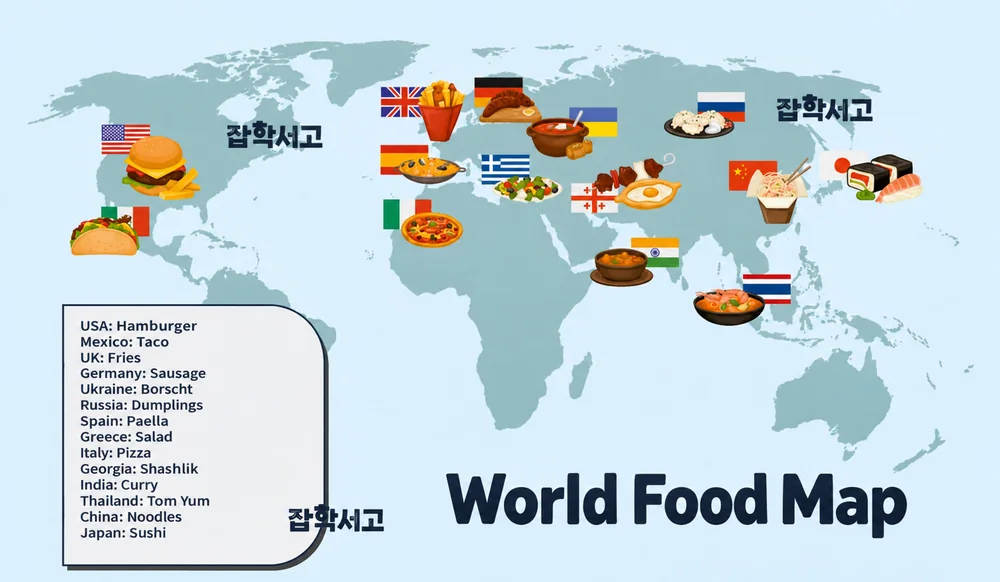
Culinary Tourism: Exploring the Flavors of the World
Culinary tourism offers opportunities to experience diverse flavors from countries around the world. Each country's food reflects its regional history and culture, allowing us to naturally understand local traditions and ways of life. For example, France's refined cooking techniques embody a long history of food culture, while Japanese sushi expresses the distinctive natural environment and philosophy of an island nation. Italy's pizza and pasta also carry meaning beyond food alone and have become part of Italian life. Through these foods, culinary tourism helps travelers experience local culture firsthand and enjoy more enriching journeys.
Experiencing Local Culture at Hidden Culinary Gems
Culinary tourism offers the pleasure of venturing beyond famous tourist attractions to seek out hidden culinary gems frequented by locals. These places offer special moments when travelers can feel like locals rather than tourists. By tasting distinctive local foods they cannot encounter in their everyday lives, travelers naturally become immersed in the local people's way of life and culture. Such experiences give tourists opportunities to discover a region's true character and make possible a deeper journey that goes beyond ordinary sightseeing.
Connecting with People Through Food
Culinary tourism goes beyond simply tasting food and encourages interaction with local people. Conversations with people encountered in local restaurants offer valuable opportunities to hear firsthand about their lives and culture. Food is an important medium that connects people, and these encounters allow travelers to understand local culture more deeply and grow closer to the local community. Such exchanges go beyond travel alone and serve as an important means of communication between people.
Culinary Tourism's Contribution to Health and Well-being
Culinary tourism not only offers experiences with new foods but also has a positive impact on health and well-being. By tasting food made with fresh ingredients in different regions, we gain opportunities to improve our eating habits. In particular, experiencing local food prepared with healthy cooking methods and fresh ingredients encourages us to seek out beneficial foods more often, which plays an important role in improving quality of life.
Pursuing Sustainable Travel
Culinary tourism is also attracting attention as a form of sustainable travel. By visiting restaurants that use local ingredients and traditional cooking methods, travelers can support the local economy and practice environmentally friendly travel that minimizes negative environmental impacts. This is one way travelers can go beyond ordinary sightseeing and make a positive impact on the places they visit. Contributing to local economies and cultures while pursuing sustainability has become an important value in culinary tourism today.
The Meaning and Value of Culinary Tourism
Culinary tourism means more than simply traveling and offers a special experience of exploring the world through food and culture. Connecting with the histories, cultures, and people of countries around the world through food adds depth to travel and offers a special opportunity to go beyond being a tourist and participate in local people's everyday lives. These experiences enrich the meaning of travel, and culinary tourism has now become an essential part of modern travel.
Regional Signature Foods: The Pleasure of Tasting Local Delicacies
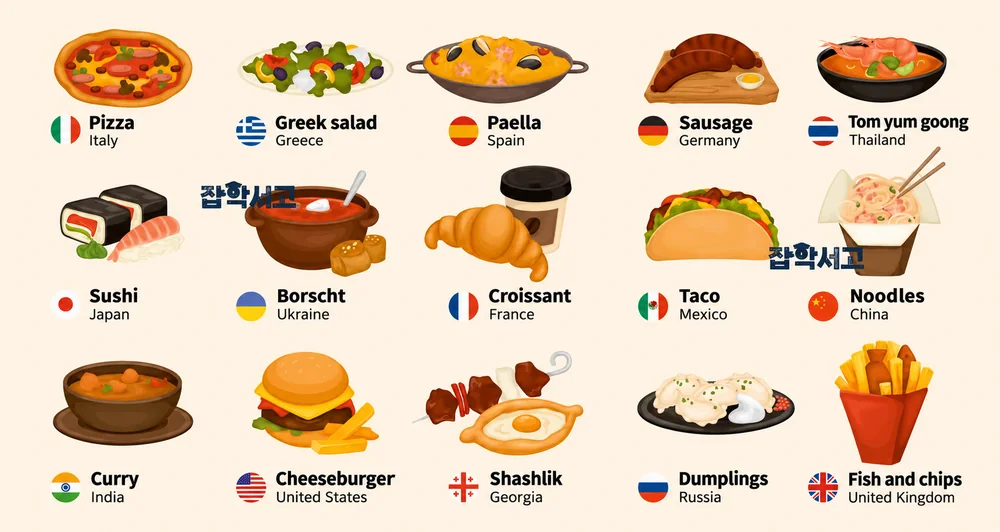
Italy: A Feast of Pizza and Pasta That Varies by Region
Italy's pizza and pasta are more than food; they are iconic dishes that reflect the country's history and culture. Each Italian region uses its distinctive ingredients and cooking methods to create unique flavors. Regional culinary identities stand out in dishes such as Naples' thin, crispy pizza and Rome's carbonara pasta made with generous amounts of cream. These varied dishes, rooted in the Mediterranean's abundant ingredients and Italy's history of agriculture and trade, are beloved by food enthusiasts around the world. Travelers can experience the flavors of each region by tasting a variety of dishes in Italy.
France: The Art of Fine Cuisine and Wine
France is a world-renowned center of culinary culture, known for its fine cuisine and wine. Each region of France is famous for its own wines, cheeses, and breads, which express its regional character. Restaurants listed in the Michelin Guide are places where the world's finest chefs present refined and creative dishes, making them essential destinations for culinary tourists. French wine and cheese, in particular, allow visitors to experience the country's craftsmanship and longstanding traditions while offering special flavors that can only be enjoyed locally.
Japan: The Aesthetics of Sushi Crafted with Fresh Ingredients
Japanese sushi and sashimi use fresh seafood to emphasize delicate flavors and aesthetic sensibility. Sushi embodies Japanese traditions and aesthetics that go beyond simply being food to eat, and it is a globally beloved, central element of culinary tourism. Throughout Japan, visitors can taste a variety of traditional foods such as ramen, udon, and okonomiyaki. Each region has distinctive dishes that allow travelers to experience Japan's diverse food culture.
China: A Food Culture as Diverse as Its Vast Land
China's food is as varied as its immense territory. Regional foods such as Beijing's Peking duck, Sichuan's spicy dishes, and Shanghai's dim sum reflect distinctive local characteristics. Chinese cuisine is famous for its diverse ingredients and elaborate cooking techniques, and its tastes and flavors hold great appeal for food enthusiasts around the world. In particular, the spicy flavors of Sichuan cuisine and the delicate cooking techniques of Shanghai dim sum are elements that culinary tourists must experience.
Mexico: Tacos and Guacamole Reflecting a Colorful Culture
Mexican food is rooted in the country's longstanding history and diverse cultural influences. Foods such as tacos, guacamole, and enchiladas are characterized by distinctive cooking methods that use fresh ingredients and hot peppers. Mexican food reflects the region's vibrant, colorful culture and offers visual pleasure as well as delicious flavors. Travelers can experience Mexico's dynamic culture firsthand through its food.
India: Abundant Spices Meet Distinctive Cooking Methods
India's curries and tandoori dishes are based on traditional spices and distinctive cooking methods. Each region of India has its own characteristic curries, breads, and desserts, and these foods reflect the country's diverse cultural and religious backgrounds. Indian food, in which a variety of spices blend harmoniously, is highly popular with culinary tourists for its distinctive flavors and aromas. Through Indian cuisine, travelers can gain a deeper understanding of the country's rich food culture.
Tasting the World Through Culinary Tourism
Culinary tourism offers a special opportunity to experience a region's culture firsthand through its distinctive flavors. Signature foods from countries around the world, including Italy's pizza and pasta, France's fine cuisine and wine, Japan's sushi, China's varied dishes, Mexico's tacos, and India's curries, embody their countries' histories and traditions. These culinary journeys have become an important form of travel that goes beyond food alone and allows travelers to understand and experience each country's unique culture.
Culinary Travel Essentials: The Best Restaurants and Hidden Culinary Gems

The Best Restaurants: Culinary Experiences Guaranteed by Michelin Stars
One of the most important elements of culinary travel is visiting restaurants awarded Michelin stars. These restaurants are run by world-renowned chefs and offer travelers unforgettable experiences through premium ingredients and innovative cooking methods. France and Japan, in particular, have many restaurants listed in the Michelin Guide and are considered essential destinations for culinary tourists. From traditional national dishes to modern culinary creations, these restaurants offer a deep experience of each country's food culture.
Local Hidden Culinary Gems: Experiencing Authentic Regional Flavors
Alongside famous restaurants, hidden culinary gems frequented by locals are an important element of culinary travel. Away from big cities and tourist attractions, small restaurants found in narrow alleys and markets serve a region's authentic food. These hidden culinary gems offer dishes made with traditional local cooking methods and fresh ingredients, providing culinary travelers with valuable opportunities to experience the region's distinctive flavors and culture.
Advance Research: Preparation That Determines the Success of a Culinary Trip
Thorough advance research is essential to enjoying a successful culinary trip. It is important to use blogs, travel guides, social media, and other resources to gather information beforehand about famous restaurants and hidden culinary gems in the region you plan to visit. This allows you to plan your itinerary in advance and prepare so that you do not miss opportunities to experience a variety of foods. Advance preparation is even more important because many places require reservations to enjoy particular dishes.
Visiting Traditional Markets: Experiencing Fresh Ingredients and Local Culture Up Close
Traditional markets are places where travelers can experience fresh local ingredients and a variety of foods firsthand, making them another essential element of culinary travel. Markets offer opportunities not only to taste regional specialties and traditional foods but also to get a close glimpse of local people's everyday lives. Cooking for yourself with ingredients purchased at a market also offers a different kind of experience and deepens your understanding of local food.
Connecting with Locals: Experiences That Make Culinary Travel More Special
Another important element that enriches culinary travel is interaction with local people. Good approaches include talking with people you meet at local restaurants or participating in traditional cooking classes to prepare food yourself. These experiences allow you to understand local culture and ways of life more deeply and turn culinary travel into a special journey that goes beyond simply exploring food.
Dishes Filled with Culture and History: Rediscovering the Flavors of Travel Destinations

Culture and History in Food: The Essence of Culinary Tourism
Culinary tourism is a process of understanding the culture and history contained in food, rather than simply tasting it. Each region's traditional dishes reflect its people's lives, history, and social background, allowing travelers to experience the country's culture more deeply. Food is an important medium that expresses a region's identity, and exploring it can be considered the essence of culinary tourism.
French Cuisine: A Symbol of Aristocratic Culture
French fine cuisine reflects a long history and deeply rooted aristocratic culture. The lavish recipes enjoyed by aristocrats before the French Revolution live on today and can be experienced in fine dining restaurants. These dishes are more than food; they are a cultural heritage that has accompanied France's political and social changes. French cuisine served at Michelin-starred restaurants offers opportunities to experience the country's aristocratic traditions and gastronomy and has become an important element of culinary tourism.
Japanese Sushi: Art Shaped by Marine Resources and Tradition
Japanese sushi and sashimi are representative foods that clearly reflect the country's abundant marine resources and traditional cooking methods. Sushi, in particular, has developed since the Edo period and serves as an important window into Japan's history and culture. Other traditional Japanese foods also reflect each region's characteristics and historical background, allowing travelers to experience both Japan's past and its present through these foods. Traditional foods such as sushi fully embody Japan's refinement and aesthetic sensibility and have become an important element of culinary tourism.
Chinese Food: Reflecting the Characteristics of Diverse Ethnic Groups and Regions
China's food culture reflects its vast territory and diverse ethnic backgrounds. From dishes developed in imperial courts, such as Peking duck, to Sichuan's spicy dishes and Shanghai's dim sum, each region's food fully embodies its historical and geographical characteristics. This plays an important role in exploring China's deep and rich cultural background, and diverse flavors and cooking methods help travelers understand the unique cultural heritage of each Chinese region. Chinese food is highly popular with food enthusiasts worldwide for its elaborate presentation and complex cooking processes.
Indian Curry: A History of Flavor Blending Spices and Culture
India's curries and tandoori dishes reflect the country's diverse cultural backgrounds and religious characteristics. India was a center of the spice trade, and that history plays an important role in Indian cuisine today. Each region has its own distinctive curries and tandoori dishes, and these foods embody India's complex social structure and rich historical background. Spices, in particular, have become an important element of Indian cooking and are closely connected to the country's trading history. Culinary tourists can experience India's colorful culture through its spices and cooking methods.
Mexican Food: A Blend of Complex History and Agriculture
Mexican foods such as tacos and guacamole reflect the country's agricultural history and complex cultural background. Influenced by the Aztec civilization and the era of Spanish conquest, Mexican cuisine combines diverse ingredients and cooking methods to create distinctive flavors. Mexican food expresses the country's dynamic, colorful culture and offers travelers opportunities to understand its complex historical background. These foods are also deeply rooted in everyday Mexican life and are important elements through which travelers can experience the country's culture on culinary tours.
Culinary Tourism: A New Way to Travel and Rediscover Culture
Culinary tourism goes beyond exploring flavors and is a process of rediscovering the culture and history contained in each region's food. Food reflects each country's identity and historical background, helping us understand its culture more deeply. Through culinary tourism, travelers gain special experiences in which they encounter local culture and understand local people's lives, going beyond simply being tourists.
Culinary tourism goes beyond ordinary travel and is a special journey of experiencing the world's diverse flavors and cultures through the medium of food. Tasting each region's signature foods and understanding the cultural meaning and history they contain adds depth to travel. Seeking out local hidden culinary gems and savoring distinctive flavors that can only be experienced there is also an essential part of culinary tourism's appeal.
Through these experiences, travelers can experience local people's everyday lives as part of the local culture rather than simply as tourists, making their journeys more special. Culinary tourism now carries meaning beyond ordinary travel and has established itself as an important form of travel that opens up new perspectives.