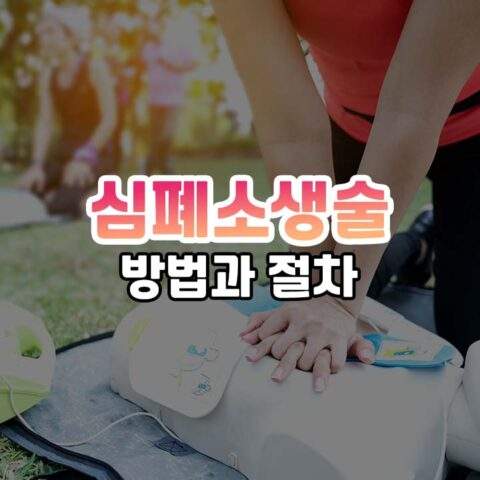
Cardiopulmonary resuscitation (CPR) is a basic first aid technique for saving the life of someone in cardiac arrest. This technique temporarily replaces the functions of the heart
Hofstadter’s Law says that it always takes longer than you expect, even when you take the law into account. This piece covers its origin in Gödel, Escher, Bach, its recursive struc
A bone becomes a satellite, a match becomes a desert sun—what is that edit? This article explains the match cut: how it differs from a jump cut, graphic, action, and auditory types
In modern society, logistics is like the vast bloodstream that keeps cities and nations moving. Millions of parcel boxes move every day, container ships come and go around the worl
Every day, we live amid countless advertisements and marketing campaigns. Within this flood, there are figures with the power to instantly capture our attention and move our hearts
A duty-free shop sells goods to travelers leaving the country without customs duties or value-added tax. This article covers how duty-free shops began, why they can drop taxes, the
Fiscal policy is a key tool for promoting the stability and growth of a national economy, playing an important role as governments use it to adjust economic conditions, address imb
Medical tourism is a phenomenon involving the use of medical services across national borders, including a range of services such as disease treatment, dental care, plastic surgery
Magic hour is the short stretch just after sunrise or just before sunset when light turns red and soft. We look at why the light changes, a landmark example from film history, shoo
The car battery is one of a vehicle's key components, playing an important role in supplying power to start the engine, operate electronic devices, and run various electrical compo
Parasocial interaction is the one-sided sense of face-to-face closeness we feel with media figures who don’t know us. This piece covers Horton and Wohl’s 1956 concept, the differen
In modern society, maintaining health is becoming an increasingly important challenge. Many people try to protect their health through dietary supplements, but the effects of gluta