The car battery is one of a vehicle's key components, playing an important role in supplying power to start the engine, operate electronic devices, and run various electrical components (automotive electronic components). However, a dead battery can seriously disrupt vehicle operation.
This article will analyze the main causes of car battery discharge and provide detailed guidance on proper maintenance, jump-starting methods, and precautions to take after starting the engine.
Main Causes of Car Battery Discharge: An Analysis by Cause
 What Are the Main Causes of a Dead Car Battery?
There are various reasons why a car battery goes flat. This section will analyze and explain the main causes in detail.
Battery Life
The first main cause is simply that the battery has reached the end of its life. Car batteries generally last about 3–5 years, and the performance of their internal cells inevitably deteriorates over time. Natural battery aging is one of the main causes of discharge.
Exterior and Interior Lights
The second most common cause is leaving the vehicle's exterior or interior lights on for an extended period. In particular, accidentally forgetting to turn off the headlights or interior lights at night can quickly drain the battery. This is a mistake that can easily happen to anyone.
Excessive Use of Electronic Devices
The third cause is excessive use of electronic devices. Modern vehicles come equipped with many advanced electronic devices and systems, and using them for extended periods with the engine off can easily drain the battery. In particular, prolonged use of Bluetooth systems, navigation systems, and audio systems consumes a great deal of power.
Electrical System Problems
The fourth cause is problems with the electrical system associated with the battery. Problems with the vehicle's alternator or electrical wiring can prevent the battery from charging properly or cause unnecessary power consumption. Electrical system faults can be prevented in advance through regular inspections.
Extreme Temperatures
The fifth cause is extreme temperatures. In particular, low temperatures in winter slow the battery's chemical reactions, causing its performance to decline sharply. Conversely, high temperatures in summer can also reduce performance as the electrolyte inside the battery evaporates. Temperature changes have a major impact on battery condition.
Leaving the Vehicle Unused for Extended Periods
Finally, leaving a vehicle unused for an extended period can also cause battery discharge. If a vehicle is not used for a long time, self-discharge lowers the battery voltage. In particular, leaving the vehicle unused for 2 weeks or longer increases the risk of battery discharge.
Jump-Starting a Dead Battery: Required Tools and Procedure
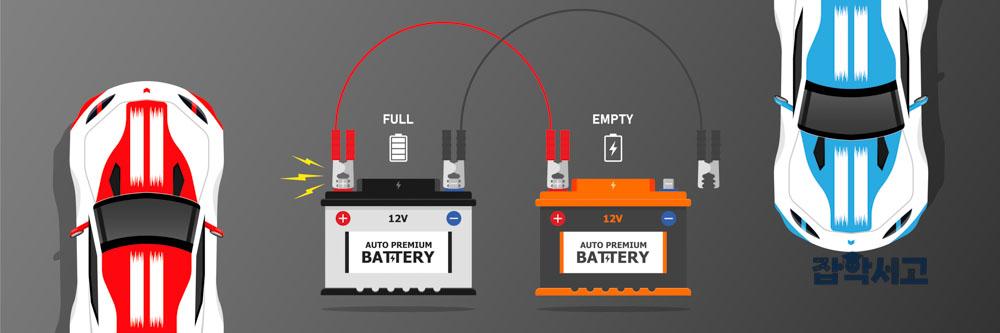 How to Jump-Start a Car Battery
When a battery goes flat, jump-starting is the quickest and most effective solution. The tools and procedure needed for jump-starting will be explained in detail below.
Required Tools
The basic tools needed for jump-starting are jumper cables and the battery of another vehicle. It is advisable to use jumper cables that are at least 10 gauge in thickness. A personal jump starter is also convenient because it allows you to charge the battery without another vehicle.
Jump-Starting Procedure
Preparing the Jumper Cables
Prepare the jumper cables. Connect one end to the battery of the vehicle with the dead battery and the other end to the battery of the vehicle with a charged battery. The order of connection is very important.
Battery Connection Order
- Connect the red cable to the positive (+) terminal of the dead battery.
- Connect the remaining red cable to the positive (+) terminal of the charged battery in the other vehicle.
- Connect the black cable to the negative (-) terminal of the charged battery in the other vehicle.
- Connect the other end of the black cable to a metal part of the vehicle with the dead battery, rather than to its negative (-) terminal. (This is for safety.)
Attempting a Jump-Start
First, start the engine of the vehicle with the charged battery and wait about 5 minutes. Then try starting the engine of the vehicle with the dead battery. If it does not start, wait another 2–3 minutes and try again.
Removing the Jumper Cables
Remove the jumper cables safely. Remove them in the reverse order of connection.
- First, remove the black cable from the metal part of the vehicle with the dead battery.
- Remove the black cable from the negative (-) terminal of the charged battery in the other vehicle.
- Remove the red cables from the positive (+) terminals of both vehicles.
Checking the Battery's Condition
Check whether the dead battery has been charged properly. It is a good sign if the engine of the vehicle with the dead battery runs normally, but if the battery goes flat again, there is a strong possibility that the battery itself has a problem. In this case, it is advisable to replace the battery or have it inspected by a professional.
Driving the Vehicle Further
Driving for 20 minutes after a jump-start does not guarantee sufficient charging or prevent another discharge. The required charging time and method depend on battery condition, capacity, and vehicle conditions. Follow the vehicle manual and use a suitable charger or seek servicing when needed.
How to Use a Personal Jump Starter
A personal jump starter allows you to charge the battery without another vehicle. The instructions are as follows.
- First check the vehicle and jump starter manuals for compatibility and the required connection and power sequence. Keep the jump starter switched off before attaching the clamps.
- Following the manuals, connect the red clamp to the designated positive (+) terminal on the vehicle.
- Connect the black clamp to the ground point or negative terminal specified by the vehicle and device manuals. Do not assume every product uses the same connection point.
- Check the connections, then switch on the jump starter and start the vehicle in the sequence specified by the manuals.
- Once the engine starts, follow the manuals to switch off the jump starter and remove the clamps in the specified order.
This allows you to start the vehicle quickly and safely. A personal jump starter is easy to use and carry, making it useful in emergencies.
By following all these steps, you can effectively jump-start a dead battery. Familiarizing yourself with the appropriate tools and procedure can help you prepare for emergencies.
Precautions and Safety Tips After Jump-Starting a Battery
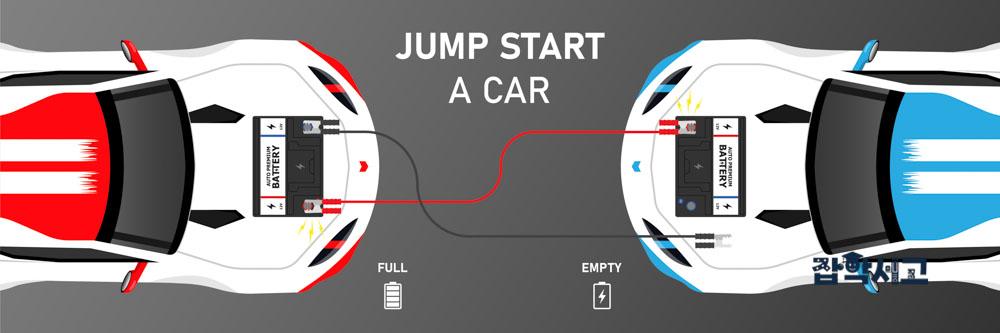 How to Jump-Start a Car Battery 2
Several precautions must be followed after jump-starting a battery. Each precaution and safety tip will be explained in detail below.
Driving the Vehicle Long Enough
The first precaution is to check the battery charge level and the cause of discharge. Do not assume that driving for a fixed time fully charges the battery; follow the vehicle and battery manuals for appropriate charging and any necessary inspection.
Checking the Battery's Condition
The second precaution is to check the battery's condition. If the battery remains unstable after jump-starting, there may be a problem with the battery itself. In this case, it is advisable to visit a nearby repair shop and have it inspected by a professional. If the battery needs replacing, replace it with an appropriate model.
Inspecting the Electrical System
The third precaution is to inspect the electrical system. The cause of battery discharge may lie in the vehicle's electrical system. Inspect the alternator, wiring, and connections for any faults. Since electrical system problems require specialized knowledge, it is advisable to seek professional help.
Preparing for Extreme Temperatures
The fourth precaution is to prepare for extreme temperatures. In winter, in particular, maintain the battery's temperature by using a protective battery cover or parking indoors. Similarly, in summer, avoid direct sunlight and take care not to let the temperature inside the vehicle become excessively high.
Regular Battery Inspections
The fifth precaution is to inspect the battery regularly. Check the battery's condition periodically and maintain it with a charger when necessary. A battery management system (BMS) allows you to monitor the battery's condition in real time, enabling more efficient management.
Safe Jump-Starting Procedure
Finally, safety must be the top priority when jump-starting a battery. Always follow the correct order when connecting or removing jumper cables, and make sure the cables do not touch one another. Also, prevent fires or explosions by keeping metal tools and equipment from coming into contact with the battery terminals.
Additional Safety Tips
- When jump-starting, check that there are no flammable materials nearby.
- Always wear protective gloves and safety glasses when inspecting the battery.
- After using jumper cables, check them for damage and replace them if necessary.
Following these precautions and safety tips allows you to operate the vehicle safely and smoothly after jump-starting the battery. Thorough care of the battery and electrical system can prevent unnecessary discharge and help you respond safely even in emergencies.
Preventing Battery Discharge: An Introduction to Proper Maintenance
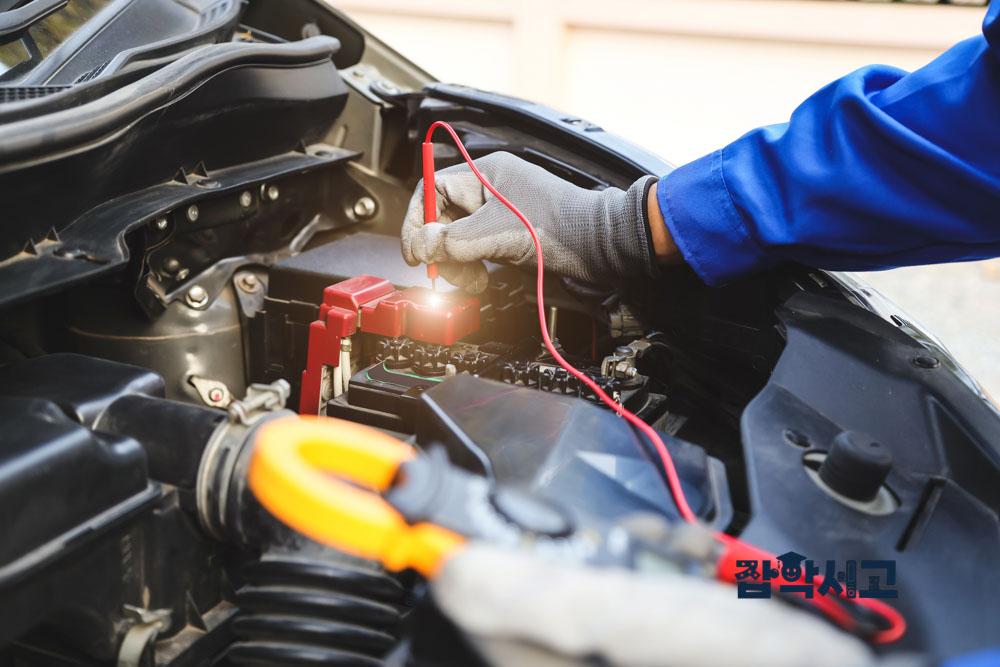 Regular inspections are essential.
To extend battery life and prevent discharge, several maintenance practices must be followed carefully. Each practice will be introduced in detail below.
Regular Inspections and Maintenance
First, regular inspections and maintenance are essential. Keep the battery terminals and connections clean, and check the battery voltage regularly. In particular, it is important to clean corroded or dirty areas and maintain the proper battery fluid level.
Care When Using Electronic Devices
Second, take care when using electronic devices. Avoid using electronic devices for long periods with the engine off, and always turn off exterior or interior lights that are not needed. Making this a habit can effectively prevent battery discharge.
Driving the Vehicle Regularly
Third, drive the vehicle regularly. Frequent driving reduces the risk of discharge because the alternator charges the battery. In particular, taking longer drives regularly is more helpful for battery care than making short trips. It is advisable to drive the vehicle at least once a week.
Maintenance for Adverse Weather
Fourth, maintain the battery in preparation for adverse weather. In winter, it is advisable to use a protective battery cover or park the vehicle indoors. In summer, park the vehicle out of direct sunlight to minimize changes in battery temperature. Battery care in extreme temperatures has a major impact on maintaining battery performance.
Using a Battery Charger
Fifth, use a battery charger. If the vehicle will not be used for an extended period, charging the battery periodically with a battery charger can reduce the risk of discharge. In particular, modern smart chargers monitor battery condition in real time and provide appropriate charging.
Using a Battery Management System (BMS)
Finally, monitor the battery's condition periodically. Installing a battery management system (BMS) allows you to check the battery's condition in real time and prevent unexpected discharge. A BMS analyzes battery voltage, temperature, charge level, and other factors in real time, providing substantial help in maintaining battery health.
Additionally, disconnecting the battery terminals while the battery is not in use is another good way to prevent discharge. When replacing the battery, it is also important to choose one that meets the specifications in the vehicle's manual.
These methods allow you to manage your car battery efficiently and minimize the risk of discharge. Regular maintenance and inspections can extend battery life and keep the vehicle operating safely.
A dead car battery is a problem that can happen to anyone, but knowing how to maintain it properly and respond appropriately allows you to resolve the issue without major inconvenience.
We hope this article has helped you learn in detail about the main causes of battery discharge, prevention methods, and the procedure and precautions for jump-starting. We encourage you to take thorough care of your battery to ensure safe and smooth vehicle operation.