Tourism studies
Going Before It Disappears: Last Chance Tourism
Last chance tourism is travel to see vanishing landscapes, wildlife, or cultures before they are gone. This piece covers the concept and its origins, why people are drawn to it, we
You are browsing the English interface. Articles without a published translation are clearly marked and open in Korean.
784 articles found
Tourism studies
Last chance tourism is travel to see vanishing landscapes, wildlife, or cultures before they are gone. This piece covers the concept and its origins, why people are drawn to it, we
Economics
The Big Mac Index compares the price of a Big Mac around the world to gauge whether a currency is overvalued or undervalued. This article covers how it began, the purchasing power
Logistics
Every day, we consume goods that have traveled from all over the world. The coffee beans we brew in the morning, the smartphone in our hand, even the clothes we wear. How have all
Food & nutrition
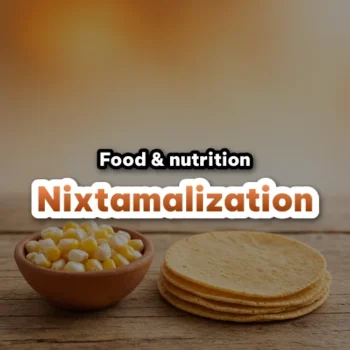
Nixtamalization is a traditional Mesoamerican method of cooking and steeping dried corn in an alkaline solution such as limewater, then washing and hulling it. Learn its history, h
Information technology
Kernighan's Law says that debugging is twice as hard as writing code, so code written as cleverly as possible can't be debugged by its own author. We look at where the line came fr
Information technology
Frameworks provide standardized structures and methods for software development, helping developers build applications more efficiently and consistently. These tools are often clos
Chemistry
Sublimation is the process in which a solid turns directly into a gas without passing through the liquid state. This article covers the principle and conditions behind it, everyday
Film & media
The Steadicam is a body-worn camera stabilizer that keeps the operator's movements from reaching the camera. We look at how it was born, the structure and principles that tame the
Library & information science
A “Sleeping Beauty in Science” is a paper that goes almost uncited for years after publication and then suddenly draws a surge of citations. This article covers what the term means
General knowledge
Hanlon’s Razor is a rule of thumb that says not to blame malice for what mistakes or foolishness can adequately explain. This piece covers where it came from, why we tend to read o
Social welfare
Welfare administration is a system that plays an important role in improving citizens' quality of life and strengthening the social safety net. It serves as an essential foundation
Film & media
OTT services let you watch video content on all kinds of devices. This article explains the concept of OTT, SVOD, and AVOD, the market share and rankings of major OTT services in K