Sometimes a book that sat untouched in a corner of a bookstore for decades suddenly becomes a bestseller. Something similar happens in the world of academic papers. A paper that was barely cited for a long time after publication suddenly starts passing through the hands of countless researchers decades later.
Like the princess in the fairy tale who falls into a long sleep and is awakened when someone finds her, such papers have a name: “Sleeping Beauty in Science.” Academics also call this phenomenon “Delayed Recognition.”
This article looks in turn at what Sleeping Beauty papers are and how they are measured, famous papers that actually woke up, why papers fall asleep, and the questions this phenomenon raises for research evaluation.
Knowledge That Shines Late: How Sleeping Beauties in Science Work and What They Mean
What Is a Sleeping Beauty in Science?
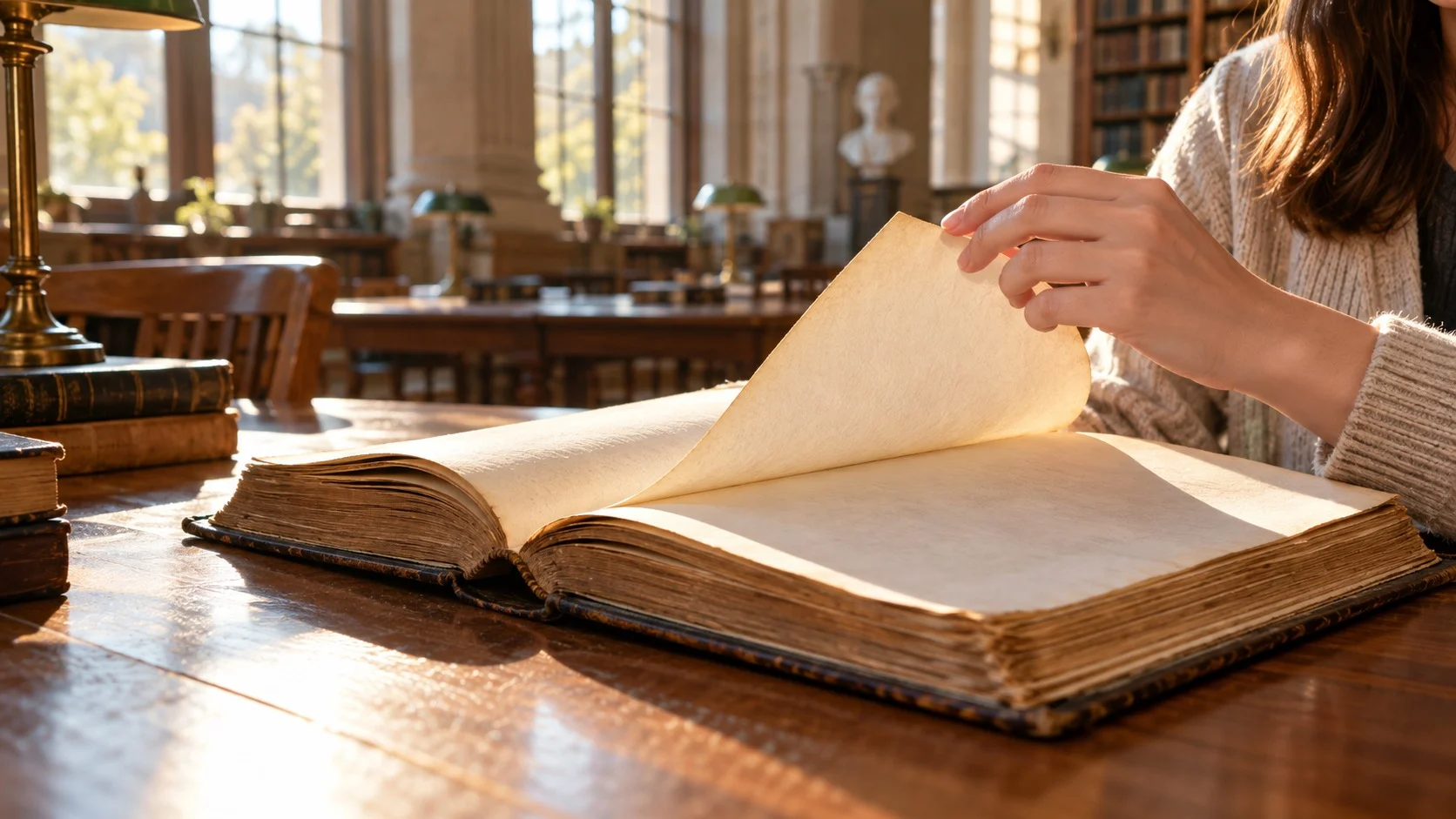
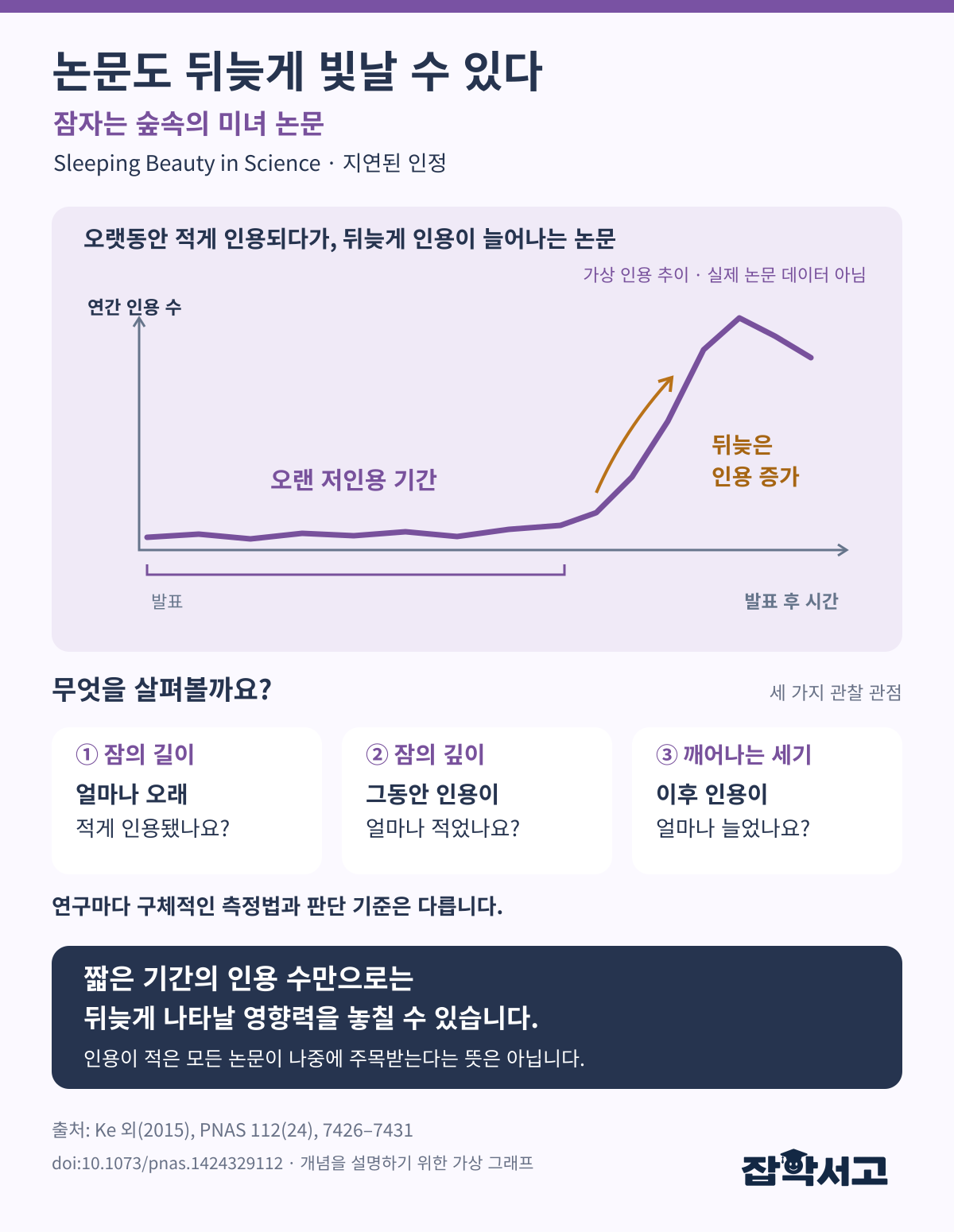
A Sleeping Beauty paper is one that goes unnoticed for a long time after publication and then, at some point, suddenly sees its citations rise sharply. If you plot its citations year by year, a low, flat line stretches on for a long time and then shoots up steeply in a particular year.
(1) The study that gave it a name
The name came into wide use with a paper that Anthony van Raan of Leiden University in the Netherlands published in 2004 in the journal Scientometrics. He explained the phenomenon by comparing a sleeping paper to the fairy tale in which the princess awakens after being kissed by a prince.
(2) Three yardsticks
Van Raan identified sleeping papers using the following three criteria.
- Depth of Sleep: If a paper received an average of one citation or fewer per year while asleep, it is in a deep sleep; if it received one to two, it is in a light sleep.
- Length of Sleep: This looks at how many years such a period of barely being cited lasted.
- Awake Intensity: This looks at how many citations the paper received per year during the four years after it woke up.
(3) Earlier research
Even before this, Eugene Garfield, who created the citation index, took an interest in papers that were recognized late and introduced a number of examples.
Papers That Woke Up After Decades

In 2015, researchers at Indiana University in the US published the results of an analysis of about 22 million papers in the journal Proceedings of the National Academy of Sciences (PNAS). They created an index called the “Beauty Coefficient,” which reflects both the length of sleep and the intensity of awakening, and used it to find the papers that had slept most deeply.
(1) First place: a paper on adsorption
The paper with the highest score was one on adsorption in solutions published in 1906 by the German chemist Herbert Freundlich. Its citations rose sharply only around 2002, nearly a hundred years later.
(2) A paper awakened by graphene
Second place went to a paper published in 1958 on how to make graphite oxide. As graphene research took off in the 2000s, this old method drew attention again, and its citations exploded around 2007.
(3) Einstein's paper
A 1935 paper in which Albert Einstein and his colleagues questioned the completeness of quantum mechanics also made the list. It woke up again as quantum information research gained momentum in the 1990s.
The researchers reported that such papers are less rare than one might think, and that many of them gained influence only more than 50 years after publication.
Why Papers Fall Asleep, and What Wakes Them
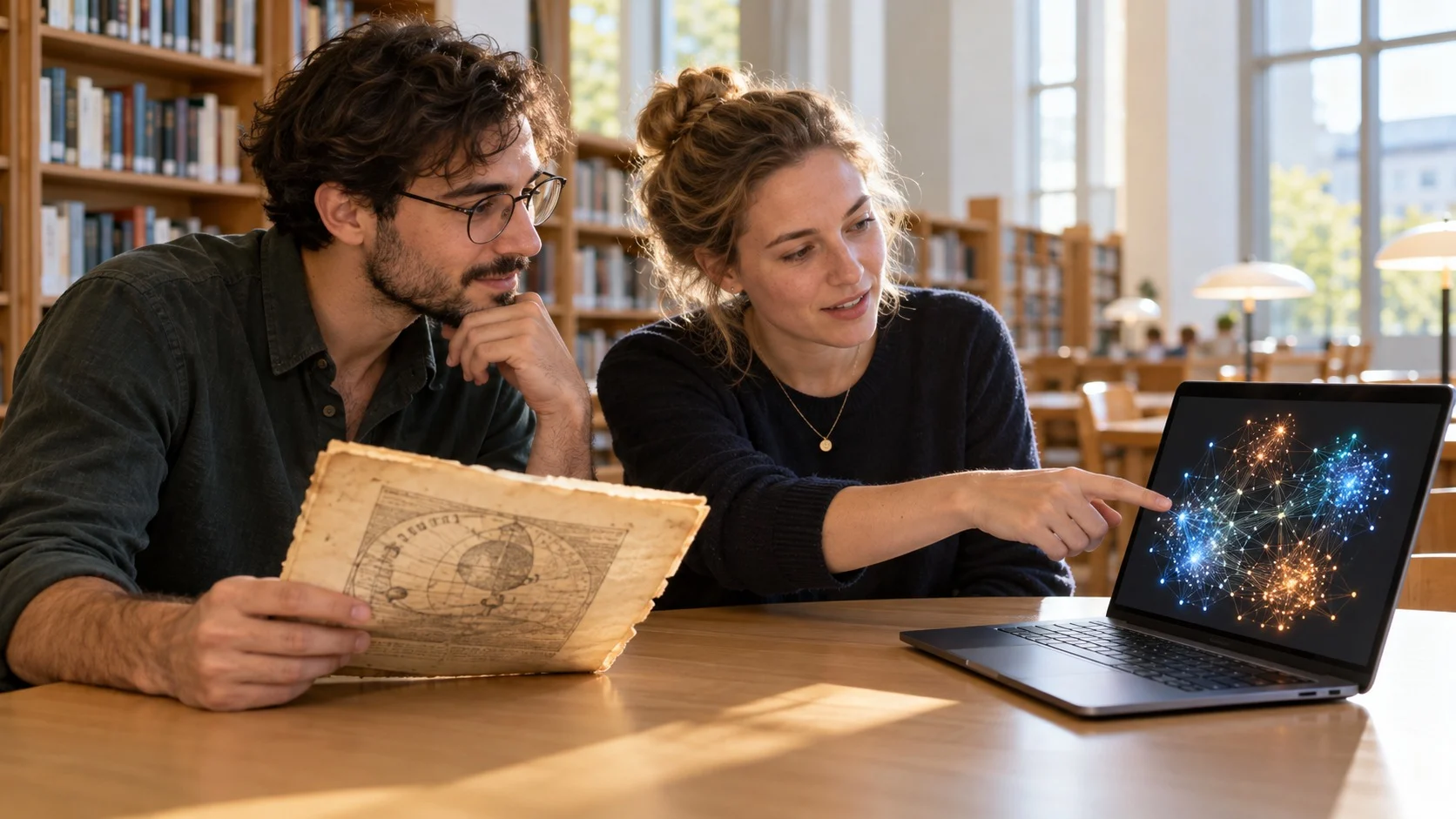
Sleeping papers often come about not because their content is lacking, but because they were out of step with their time.
(1) Ideas that came too early
Research that appears before technology or theory has caught up has nowhere to be used and is easily buried. Gregor Mendel's laws of inheritance from 1866 also went unnoticed for a long time until several scientists rediscovered them in 1900.
(2) The wall between fields
Many of the papers that woke up were cited in fields other than the one where they were first published. Think of a materials engineer discovering a chemistry paper, or an information scientist making use of a physics paper.
(3) Enter the prince
New experimental techniques, new research topics, and renewed attention from influential researchers play the role of the prince who wakes a sleeping paper. Such rediscoveries are possible because libraries and academic databases have made even old papers searchable.
The Questions Sleeping Papers Raise for Research Evaluation
This phenomenon casts doubt on judging the value of a paper solely by its citation count over a short period.
(1) The limits of short evaluation windows
Many research evaluations look at citation counts for two to five years after publication. But this yardstick cannot recognize papers that will shine decades later. The 2015 researchers also stressed that we should be wary of measuring scientific impact with short-term citation indicators alone.
(2) Preserving old materials
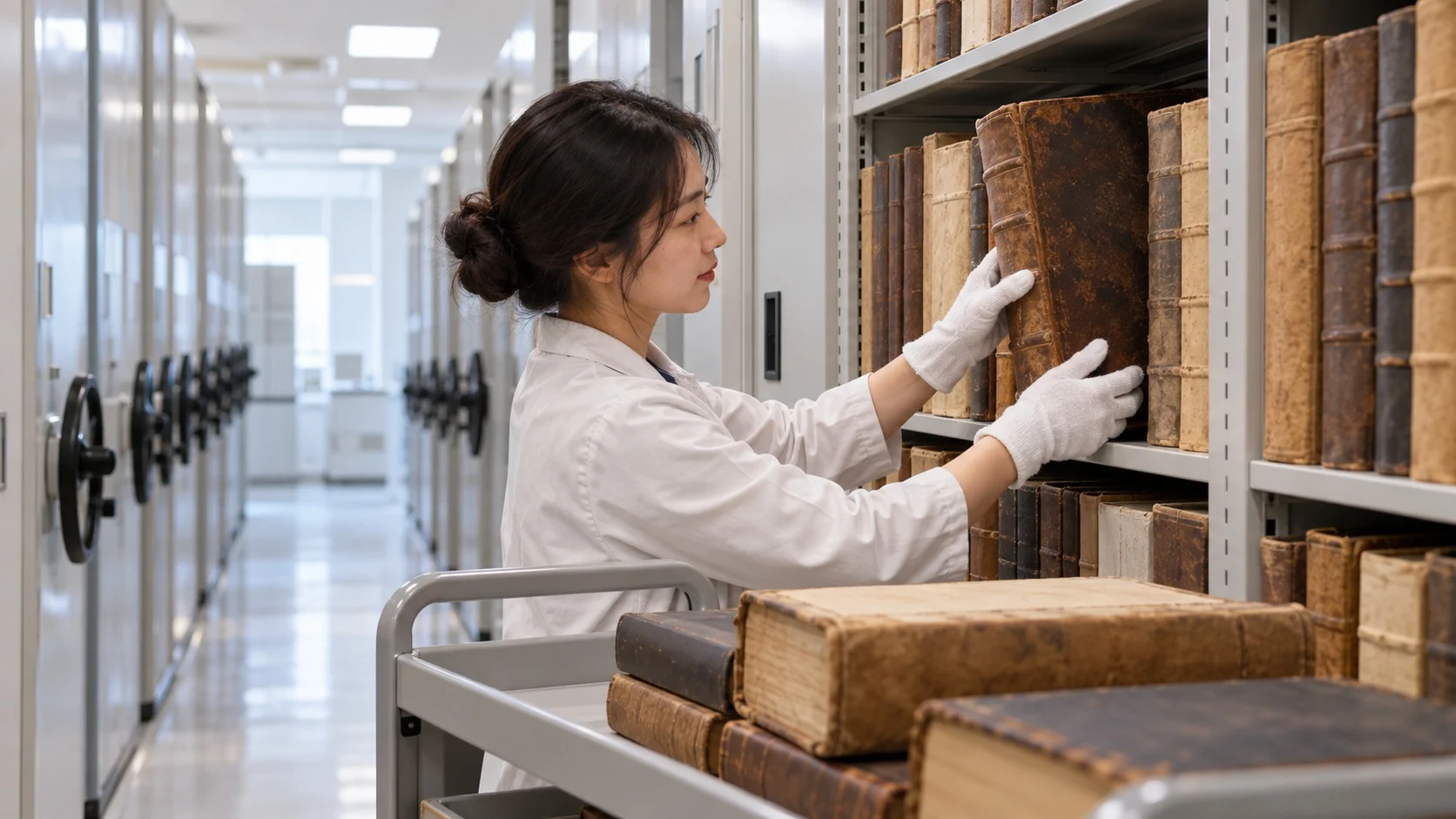
For a sleeping paper to wake up, someone has to be able to find it. That is why the work libraries do to preserve old journals and maintain catalogs and indexes is also a way of preparing for future discoveries.
Sleeping Beauties in Science show that the value of knowledge is not fully decided at the moment it is published. Research that no one looks for today may become the key that opens a major discovery tomorrow.
Not being swayed by immediate citation counts, and steadily keeping the door open to old knowledge as well, is the first step toward research aimed at broader discoveries.