Two foods with the same 20 g of protein can differ in quality. This article explains the Protein Digestibility Corrected Amino Acid Score (PDCAAS): essential amino acids, the three
In psychology, impressions are considered a very important concept, and the first impressions we form of other people or things have a very powerful influence. These impressions gr
Education is a powerful means of changing the world and plays a central role in the development of our society and the renewal of culture. One way to deliver this education more ef
Psychologist Abraham Maslow divided basic human needs into five stages. This article introduces his hierarchy of needs, from physiological needs, safety, and belonging and love to
What is the deep, savory taste that is neither salty nor sweet? This article covers umami from Kikunae Ikeda's discovery to glutamate, inosinate and guanylate, the synergy effect,
The Grand Tour was the long educational journey around continental Europe that young English aristocrats took with a tutor from about 1660 to the 1840s. This piece covers the origi
In this article, we aim to offer a realistic analysis of the media's social influence and ripple effects and examine the implications that can be drawn from it. The media play a ve
In the business environment, a deep understanding of organizational behavior has become an essential element of successful organizational operations. Organizational behavior explor
Design is a form of visual communication that plays a central role in conveying information and emotion. Proportion is a particularly important element of design, defining the rela
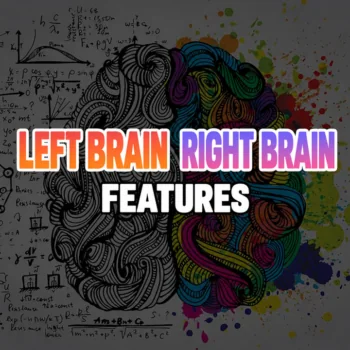
What does it mean to be “left-brained” or “right-brained”? This article explains how the two hemispheres divide their roles, explains their cooperation, and discusses the limits of
Inorganic chemistry is a branch of chemistry that, unlike organic chemistry, which centers on carbon, studies most elements other than carbon and their compounds. As a fundamental
The base rate fallacy is judging from vivid case details while ignoring how common an event usually is. This piece covers Kahneman and Tversky’s research, the cab problem, everyday