When you taste a broth made from kombu, a ripe tomato or a long-aged cheese, a deep, rich flavor lingers on the tongue that is hard to describe as merely salty or sweet. In Korean, people often call it “gamchilmat” — that very savory taste.
Put simply, umami is “the taste, produced by amino acids such as glutamate and certain nucleotides, that gives broth its depth and rich flavor.” Internationally it is known by the Japanese-derived name umami, and it is recognized as the fifth basic taste after sweet, salty, sour and bitter.
In this article, we will look in turn at how umami was discovered, which compounds create this taste, why our bodies welcome it, and the misconceptions surrounding seasonings along with healthy ways to use them.
Understanding and Using Umami
The Fifth Taste Found in Kombu Broth
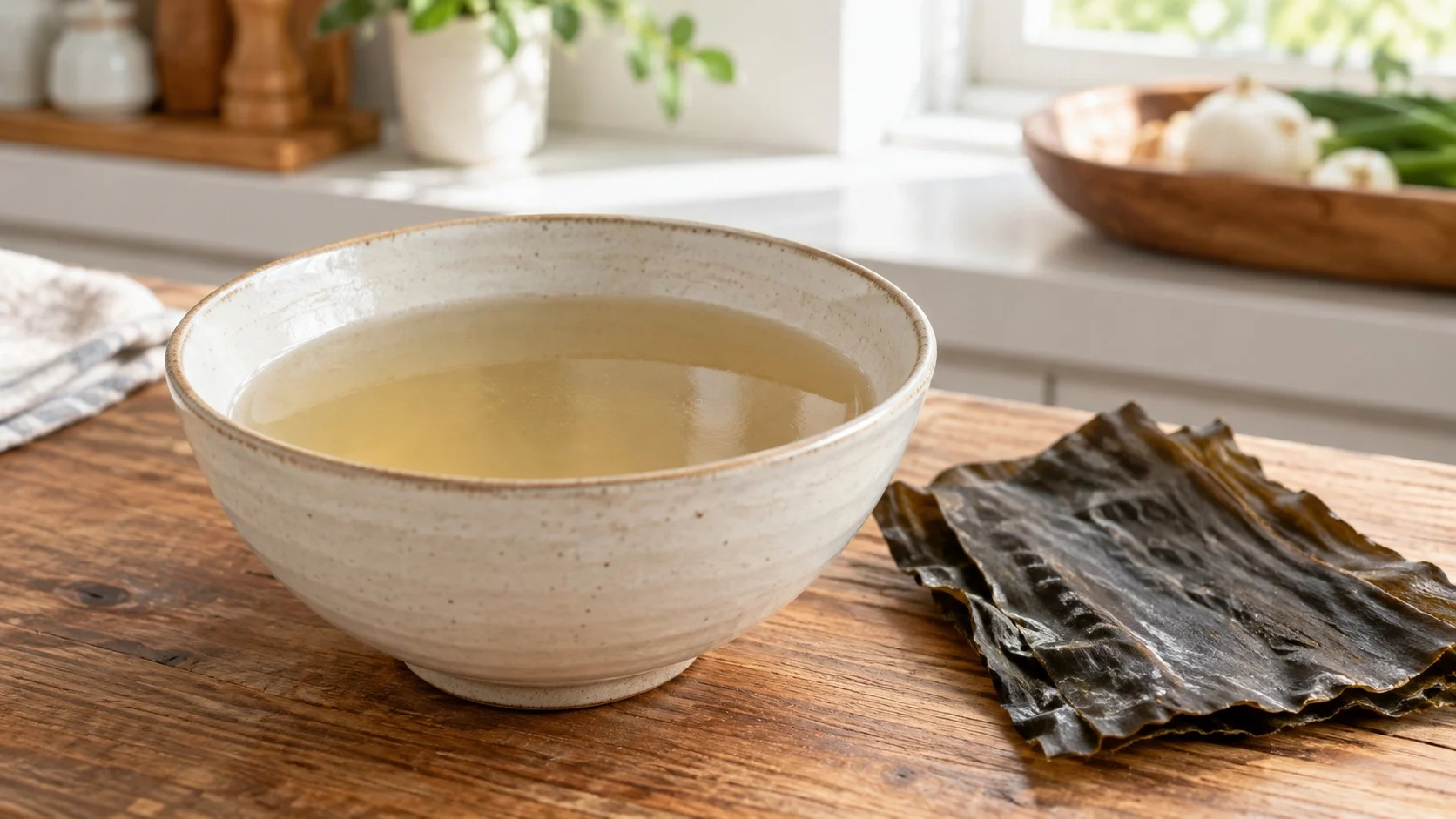
The first person to reveal the nature of umami was the Japanese chemist Kikunae Ikeda. He noticed that the distinctive taste of the kombu broth his wife made was different from the four known tastes.
In 1908, Ikeda showed that the compound responsible for this taste in kombu was an amino acid called glutamate, and he named the taste umami, after the Japanese word for “delicious.” The following year, monosodium glutamate (MSG) began to be made and sold as a seasoning.
Western science, however, long refused to accept umami as a distinct taste. Umami began to be used as a scientific term at an international symposium held in Hawaii in 1985, and only after receptors on the tongue that detect umami were identified in the early 2000s did it finally become established as the fifth basic taste.
Three Compounds That Create Umami
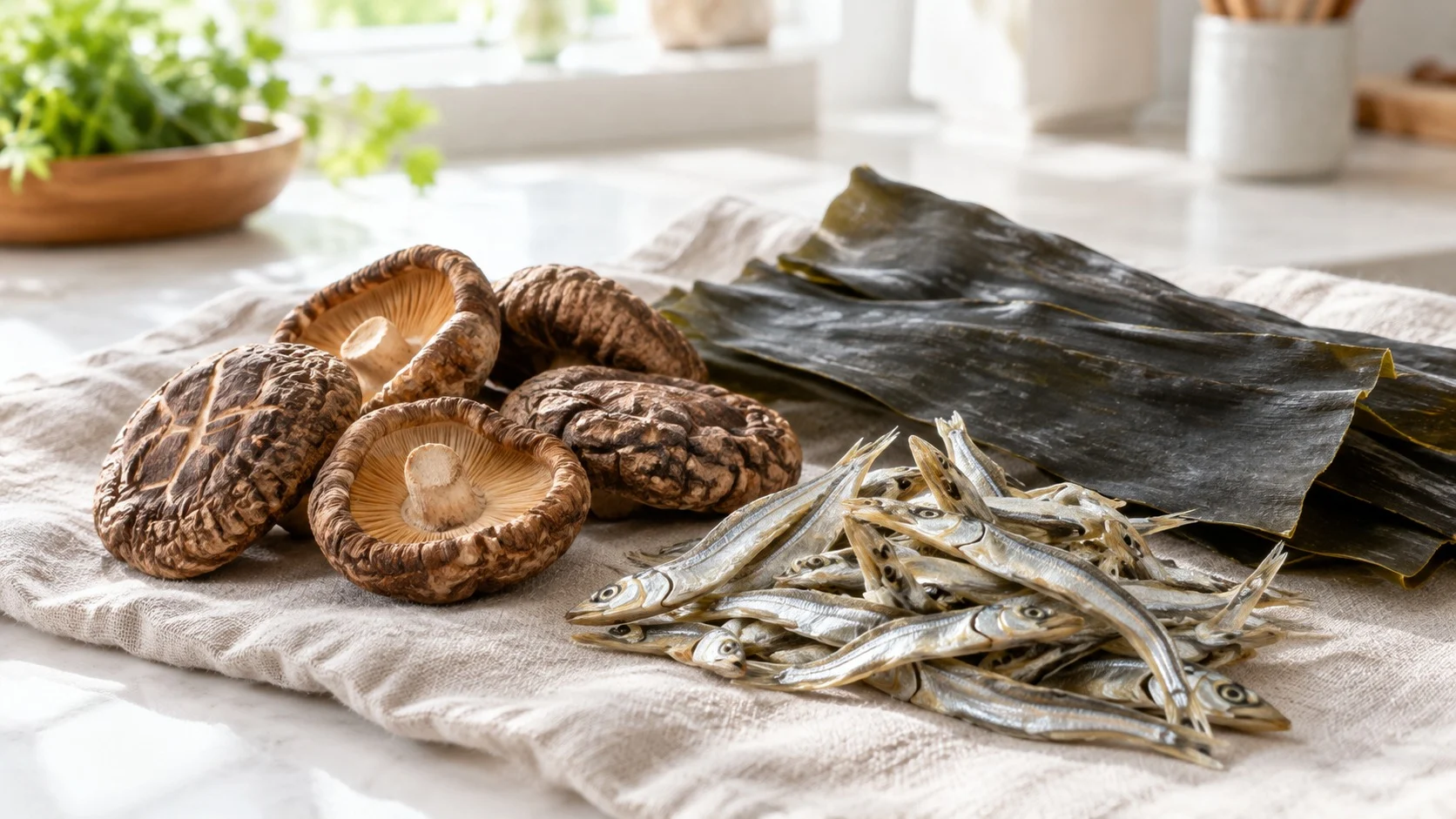
Umami is produced not by a single compound but by several working together. The three most representative are as follows.
(1) Glutamate
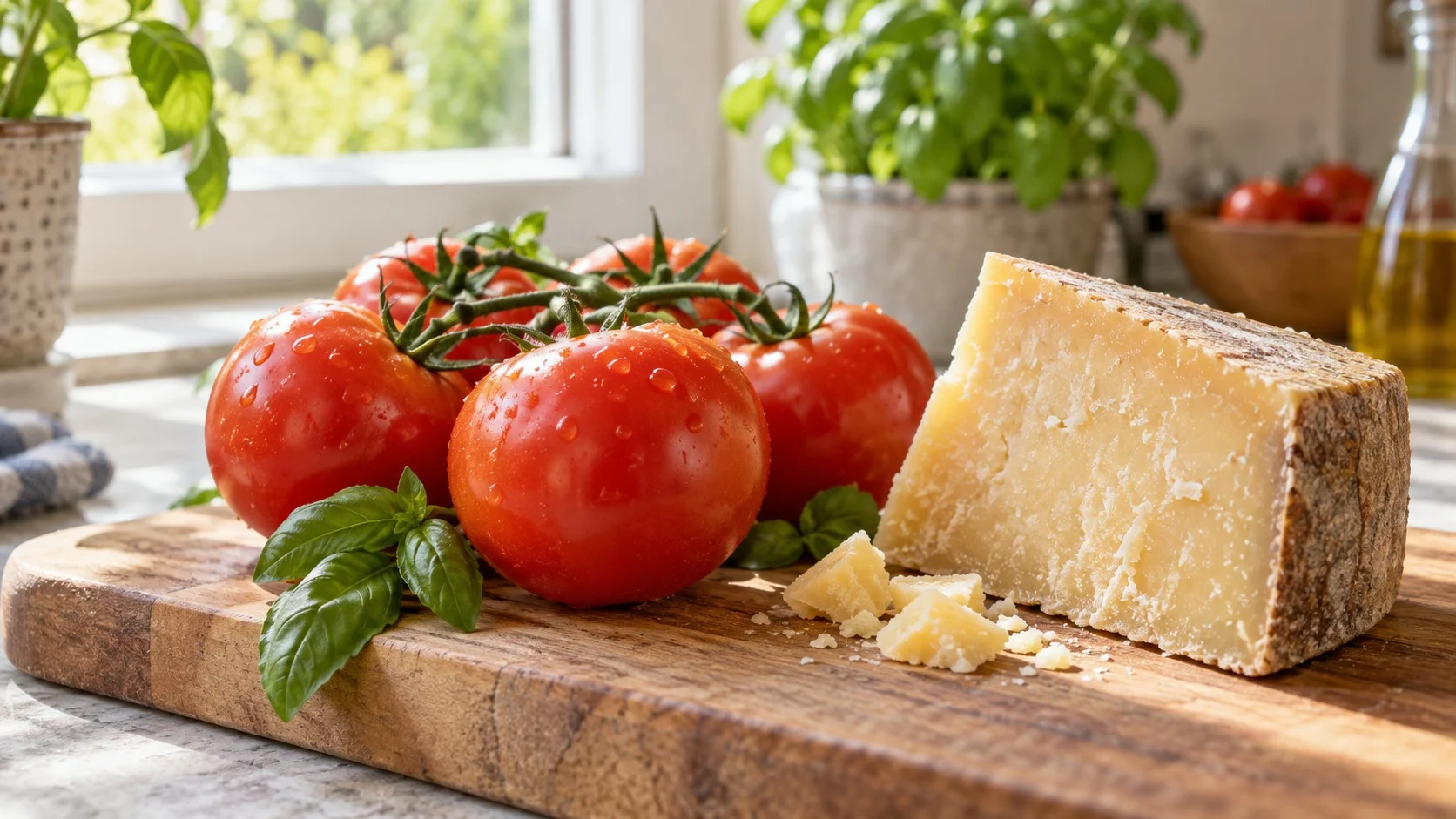
One of the amino acids that make up proteins, it is abundant in kombu, tomatoes, aged cheese, soy sauce and doenjang (soybean paste). While bound up in proteins it has almost no taste; it only becomes flavorful once released through aging or fermentation.
(2) Inosinate
A nucleotide discovered in katsuobushi (dried bonito) in 1913 by Ikeda's student Shintaro Kodama. It is plentiful in meats such as beef and pork, and in fish such as anchovies.
(3) Guanylate
Identified by Akira Kuninaka in 1957, it is especially abundant in dried shiitake mushrooms.
Interestingly, when glutamate and nucleotides are used together, umami becomes several times stronger. This is called umami synergy. The time-honored practice of making broth from kombu and anchovies, or kombu and katsuobushi, hides exactly this science.
Why Our Bodies Welcome Umami
The tongue has receptors that detect umami (a receptor formed by pairing T1R1 and T1R3). When this receptor meets glutamate, it sends the brain a signal that “this food contains protein.”
Just as sweetness signals carbohydrates, a source of energy, umami is thought to have evolved as a signal for finding protein, which is essential for building the body. In fact, breast milk contains plenty of free glutamate, so babies experience umami from the moment they are born.
Umami also helps stimulate the secretion of saliva and digestive juices and increases satisfaction with a meal. For this reason, it is even being studied as a way to revive the appetite of older people who have lost interest in food.
Umami is also known to be sensed not only on the tongue but also in the stomach and intestines. When the signal that food has arrived reaches the digestive organs, the body begins preparing to take in protein. In this sense, umami goes beyond mere taste and is linked to the entire flow of digestion and nutrition.
Misconceptions About Seasonings and Healthy Use
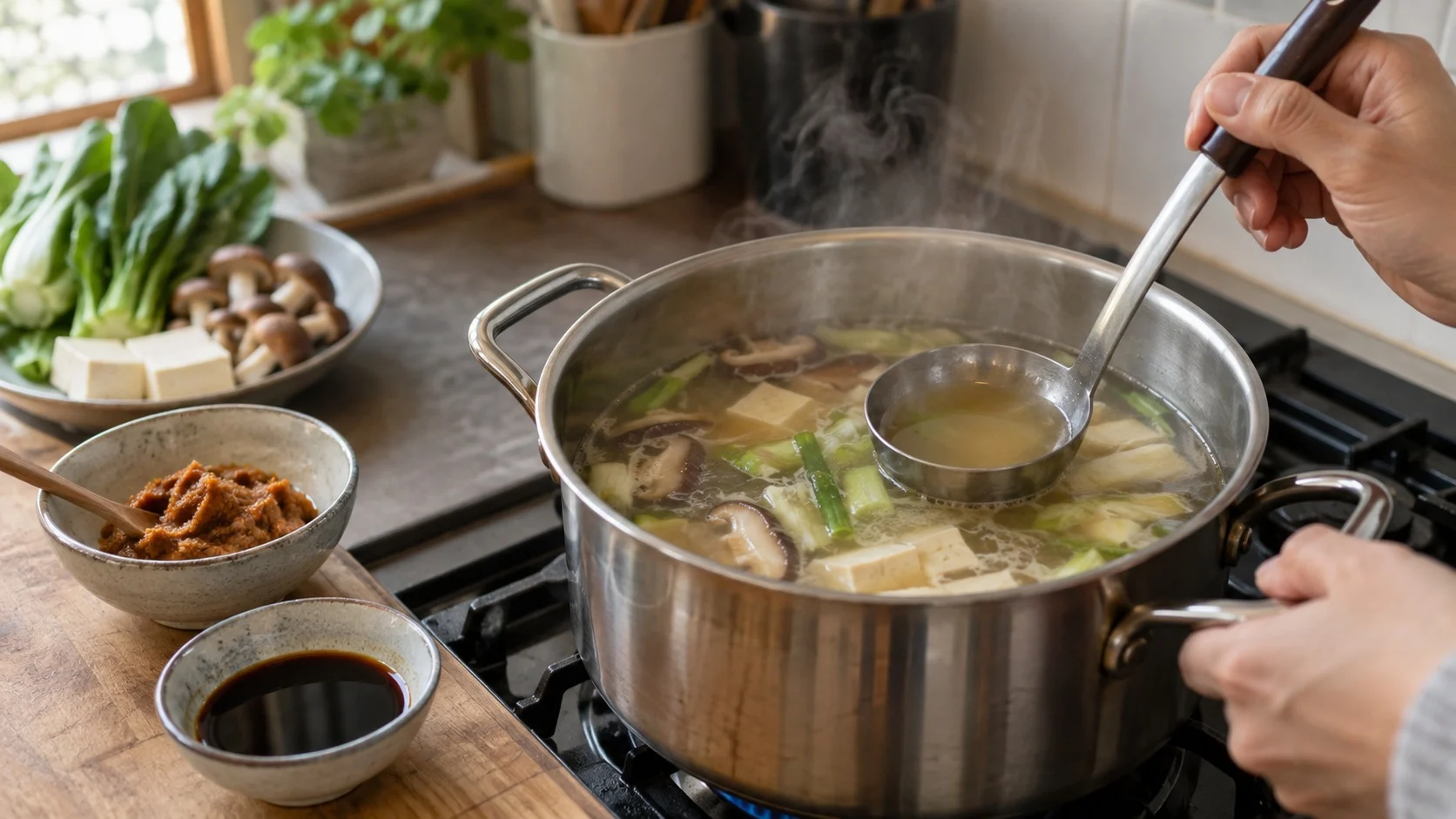
Monosodium glutamate was once suspected of causing headaches and heart palpitations. However, later studies found no clear link at normal levels of intake, and both the Joint FAO/WHO Expert Committee on Food Additives (JECFA) and the U.S. Food and Drug Administration (FDA) regard it as safe.
Smart Ways to Use Umami
- Sodium Reduction: Umami fills out the flavor of food, so dishes do not taste bland even with less salt.
- Natural Ingredients: Making broth with umami-rich ingredients such as kombu, anchovies, shiitake mushrooms and tomatoes gives deep flavor even without added seasonings.
- Aging and Fermentation: In long-matured foods such as doenjang, soy sauce and kimchi, umami increases as proteins break down.
- Moderation: MSG contains only about one third as much sodium as the same weight of salt, but seasonings still contain sodium, so it is best to use them sparingly, only enough to support the flavor.
In the end, umami is not a taste to avoid but one that, when understood and used well, makes our diet healthier and richer.
Starting from the glutamate Kikunae Ikeda found in kombu broth, umami came to be recognized as the fifth basic taste through the discovery of inosinate and guanylate and the identification of receptors on the tongue. Underlying it is our body's age-old wisdom for seeking out protein.
Knowing the reason behind the deep flavor in a single spoonful of broth — that is the first step in food and nutrition science toward understanding umami.