The sleeper effect is the phenomenon in which a message from a hard-to-believe source has little power at first but becomes more persuasive as time passes. We look at how it was di
This time, I would like to introduce brainstorming, a technique used especially often in situations that call for ideas. Although it is already a well-known technique, some people
Why do the shortcuts we take for speed today come back later at a high price? This article explains technical debt, the term first used by Ward Cunningham, how interest builds up,
Amara's Law says we tend to overestimate the effect of a new technology in the short run and underestimate it in the long run. This article covers where the saying came from, why t
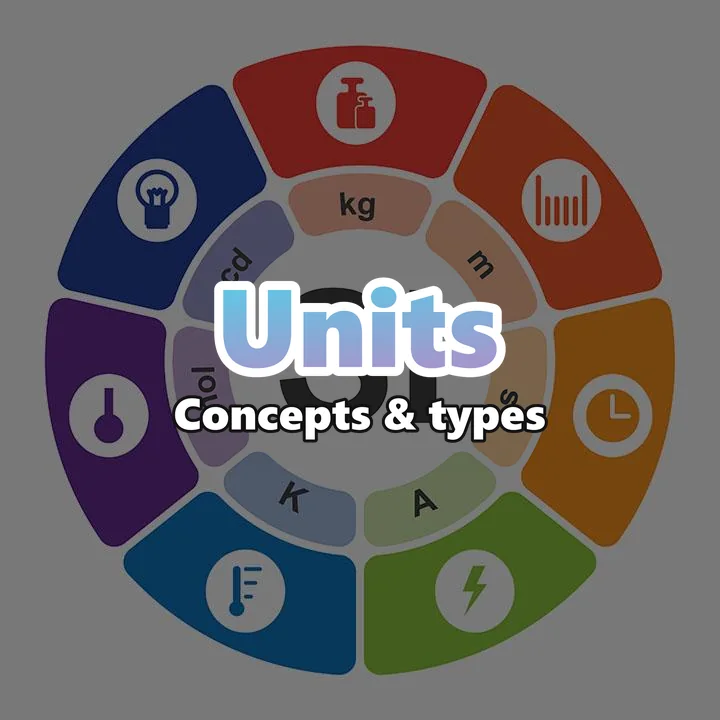
A look at the concept and types of units, how they are used across everyday life and the sciences, and practical examples of converting between units of length, weight, time, tempe
A Pigouvian tax charges an activity that harms others a tax equal to that harm, so market prices reflect the true social cost. Learn about externalities, how the tax corrects the m
Lightning is one of the most remarkable electrical phenomena produced by nature. The moment lightning flashes is not only visually beautiful but also conceals complex scientific pr
Volunteer tourism is travel in which tourists spend part or all of their trip volunteering to help local communities or nature. We look at how it began, its main types, what travel
HTML is short for Hyper Text Markup Language and is one of the languages needed to create websites. Here, HTML mainly uses the concept of tags to create web documents, and this art
The rule of thirds is a composition principle that divides the frame into nine equal parts and places key subjects on the lines or where they meet. This article covers its basic pr
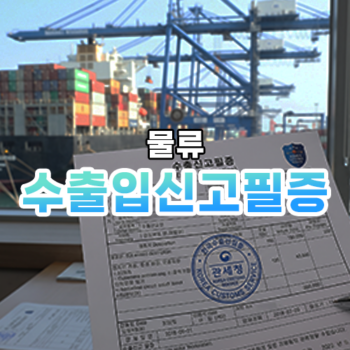
If you have ever bought something directly from overseas, you are probably familiar with the term “customs clearance.” It is the process by which the goods you ordered pass through
Every day, we consume goods that have traveled from all over the world. The coffee beans we brew in the morning, the smartphone in our hand, even the clothes we wear. How have all