When we think of robots, we usually picture metal arms, rigid joints and precisely turning motors. For a long time, the typical image of a robot was a machine like an industrial factory robot: strong and fast, repeating the same motion countless times. But robots like these easily run into trouble when they have to pick up soft objects such as eggs or fruit, or when they bump into people.
Look around nature and things are different. An octopus, without a single bone, slips through narrow gaps, and an elephant uses a trunk made entirely of muscle to lift heavy logs and to pick up small fruits. Taking hints from creatures like these, researchers began studying robots whose bodies are made of soft materials such as rubber and silicone, a field called “soft robotics.”
This article looks in turn at what soft robots are, the principles that make their soft bodies move, the fields where they are actually used, and the challenges that still need to be solved.
Machines That Move With Soft Bodies: The Story of Soft Robots
How Are They Different From Rigid Robots?
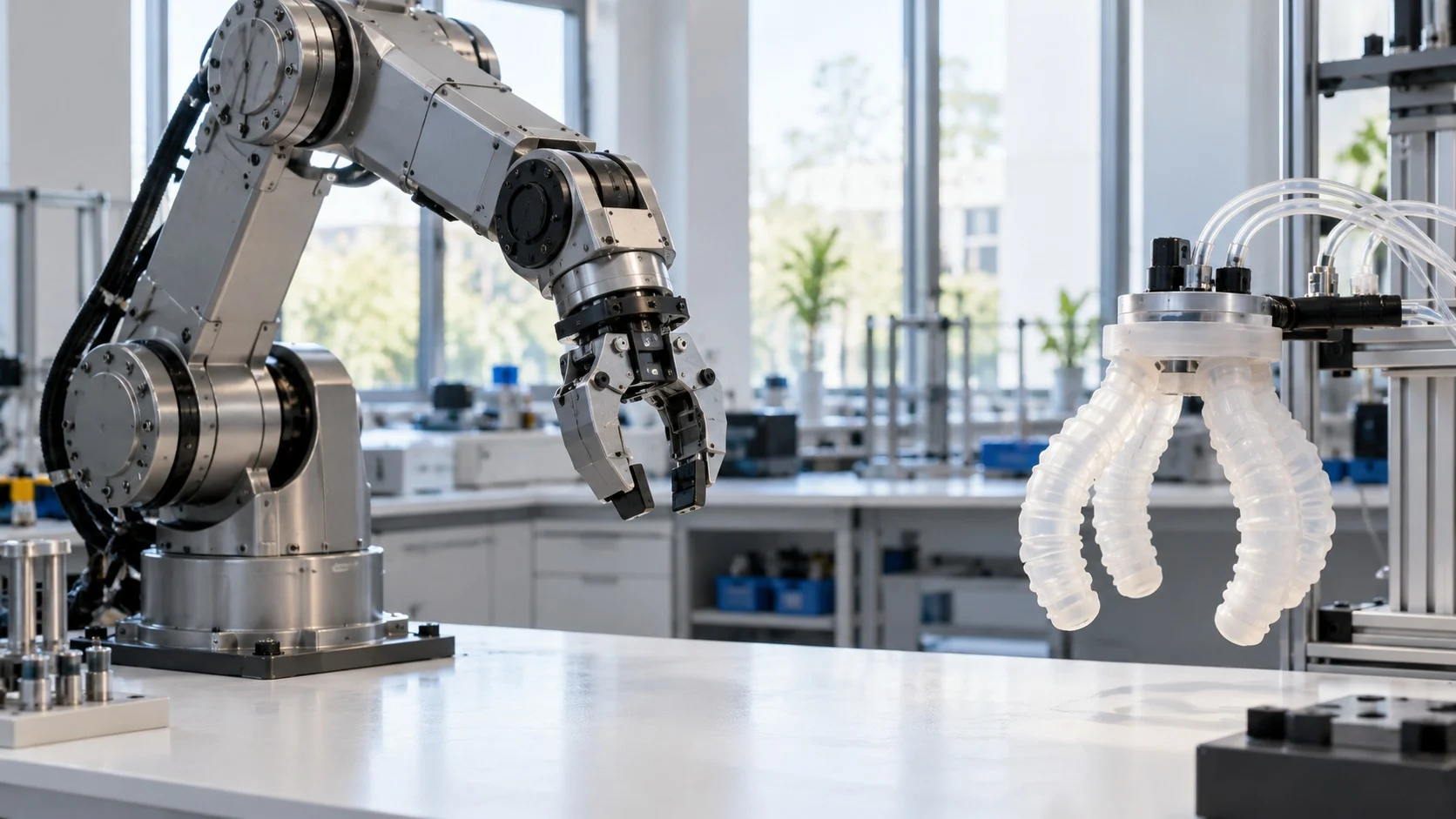
A soft robot is a robot whose body is made mostly of materials that bend and stretch easily, instead of segments made of metal or hard plastic. Some robots are soft all over, while in other cases only a soft hand is attached to the end of a rigid robot arm.
The differences between the two kinds of robots can be summarized as follows.
(1) How the body changes shape
A rigid robot bends only at its fixed joints, but a soft robot's whole body bends, twists and stretches, deforming on its own to fit the shape of objects or terrain.
(2) Safety in a collision
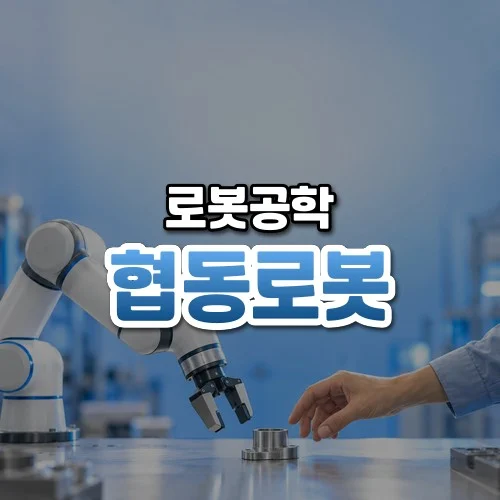
A rigid arm moving quickly can injure a person it hits, so for a long time factory robots worked separately inside fences. A soft body absorbs impact, making it much safer to work alongside people.
(3) The difficulty of control
On the other hand, because the body bends freely, it is much harder to work out what shape it is in at any moment and to move it as intended. The existing methods used to calculate the motion of rigid bodies do not apply directly.
This softness is often called “compliance,” the property of yielding to an outside force rather than resisting it. Thanks to it, even when the calculations are slightly off, a soft robot's body adapts to the shape of the object by itself, so it can often get the job done without highly precise control.
How Air and Heat Move a Soft Body
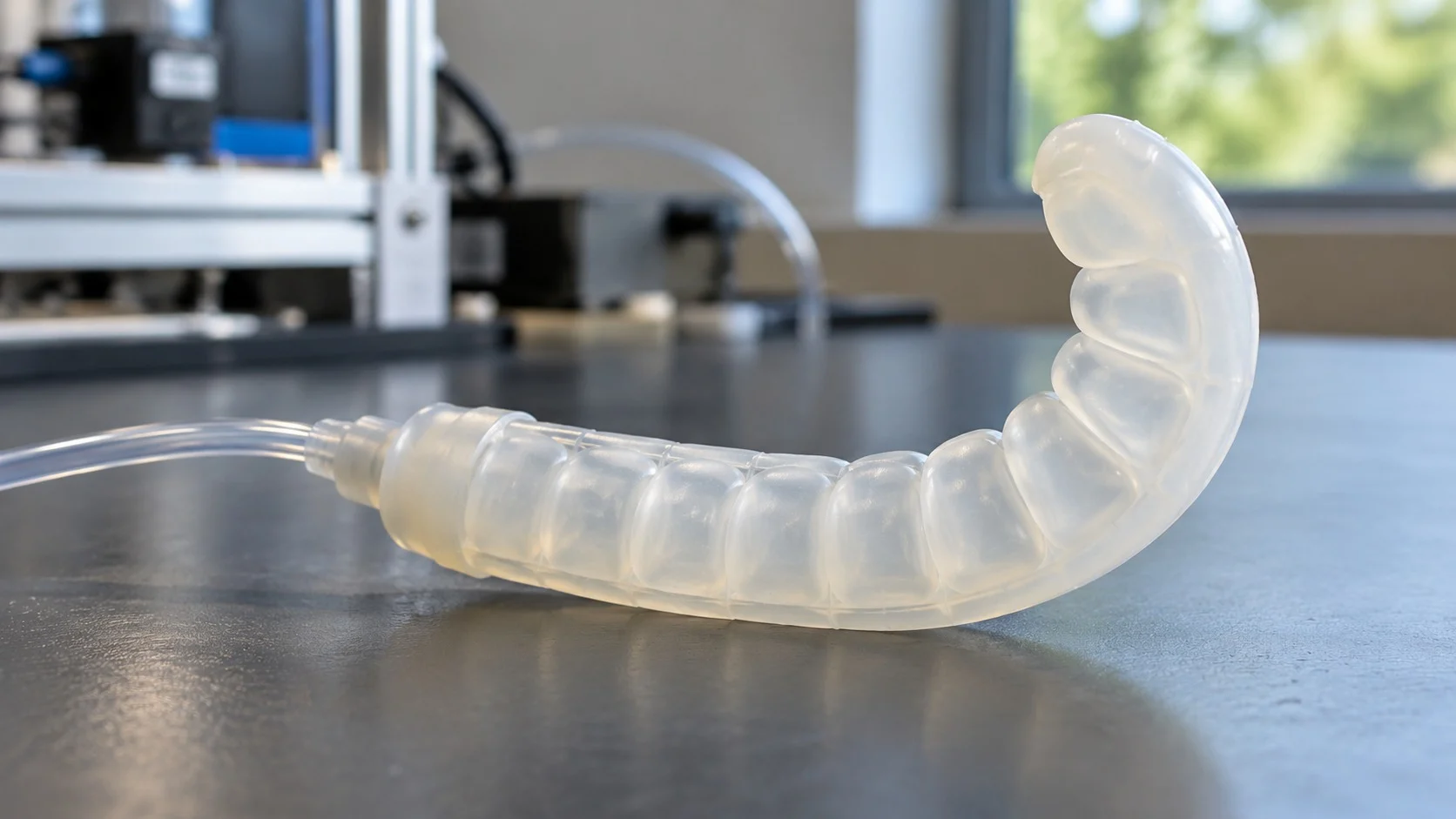
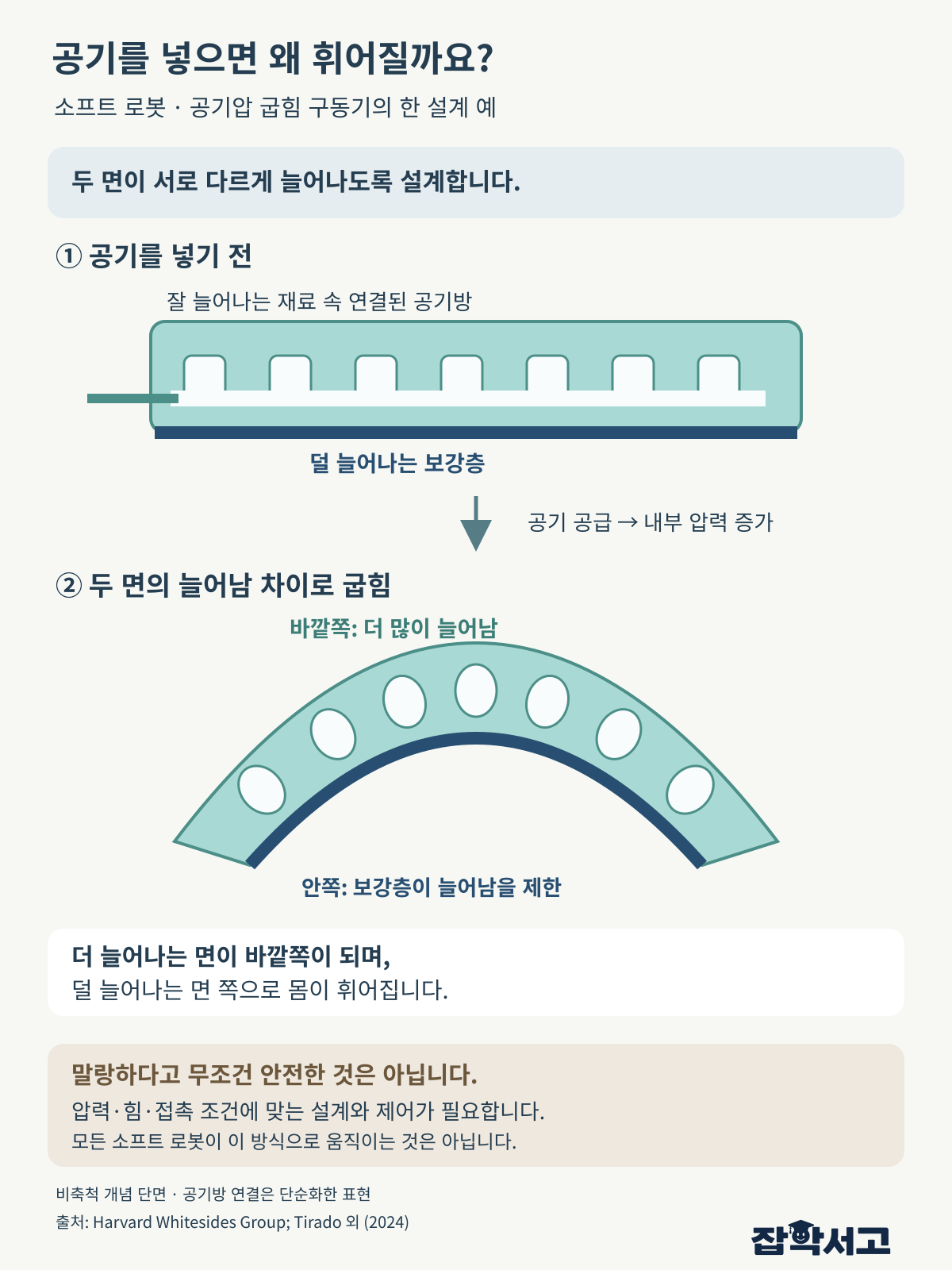
Instead of rigid motors and gears, soft robots use actuators in which the material itself stretches or contracts. The main methods are as follows.
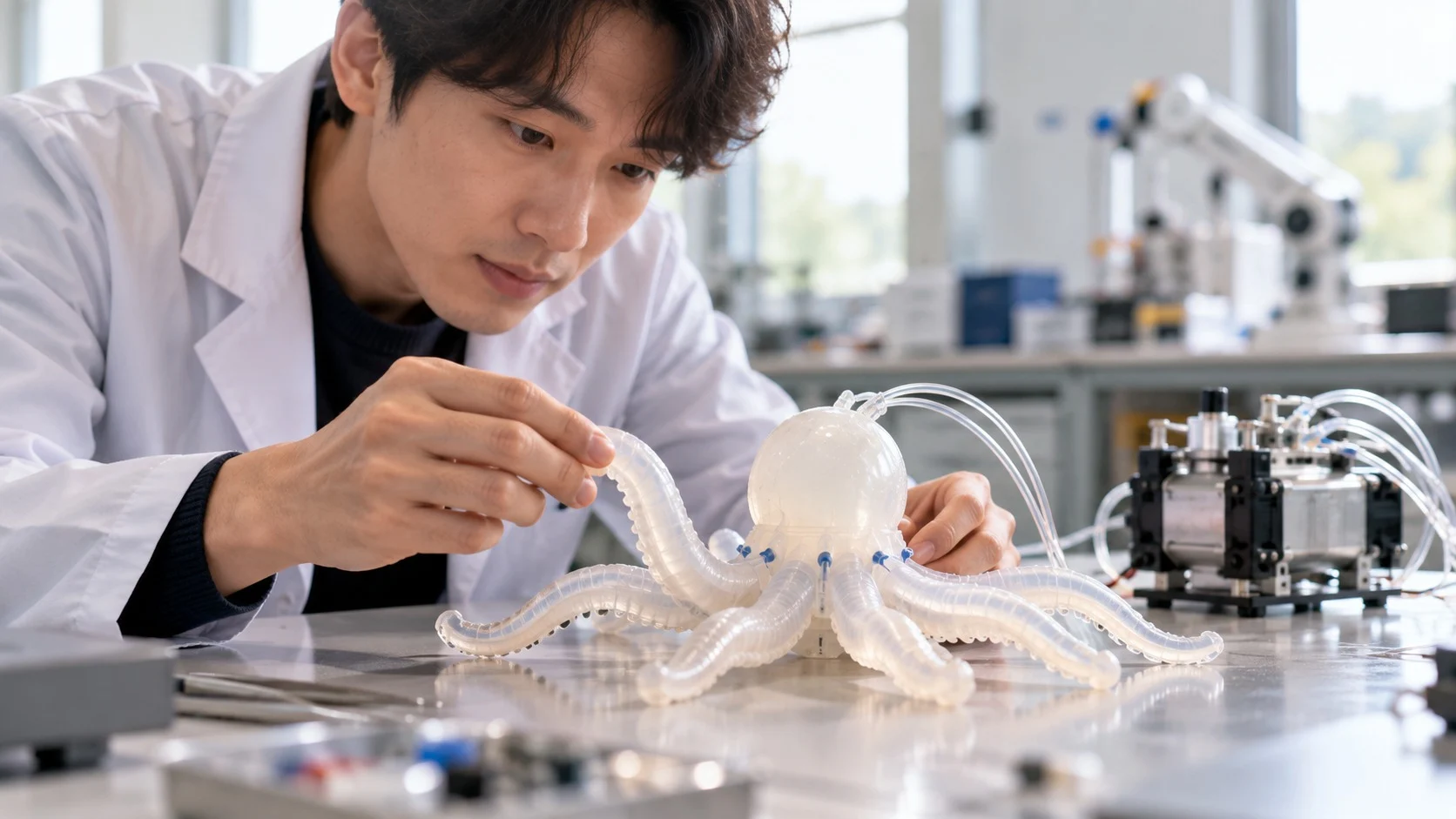
- Pneumatic actuation: Several small air chambers are built inside a silicone body, and when air is blown in, the side that stretches more easily swells and the body bends toward the other side. It works much like inflating a balloon and is the most widely used method.
- Pneumatic artificial muscle: When air is pumped into a rubber tube wrapped in mesh, the tube thickens and shortens, producing a pulling force just like a real muscle.
- Shape memory materials: Alloys or polymers that return to their original shape when heated are used to make the body close up or open out. Their response, however, tends to be slow.
- Dielectric elastomer: When a high voltage is applied across both sides of a thin rubber membrane, the membrane is squeezed thinner and spreads wider, and this change is used to create fast movements.
Because the material itself acts as the muscle in this way, building a soft robot's body and building the mechanism that moves it often become one and the same task.
Grasping, Crawling and Diving Into the Sea
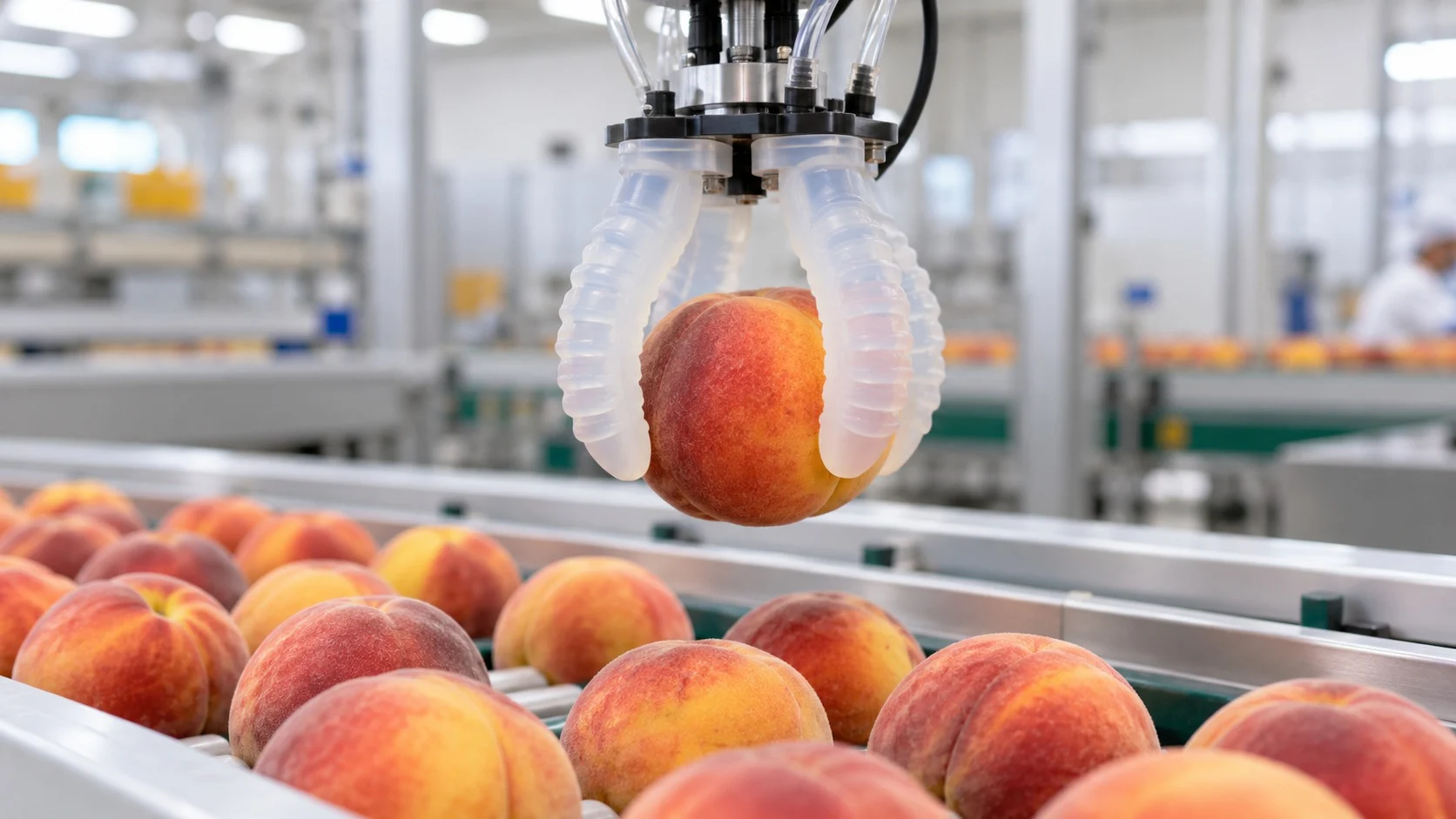
The first place where the advantages of a soft body shone was the hand that picks things up, in other words the gripper.
(1) Hands that grasp delicate objects
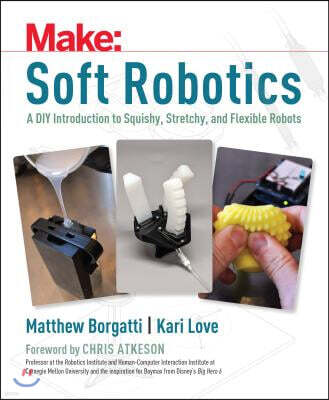
When air is pumped in, a finger-shaped soft gripper gently wraps around and holds an object, so it can handle items that vary in shape and are easily damaged, such as fruit, bread and eggs. That is why it is attracting attention in food packaging and logistics.
(2) The coffee-ground balloon hand
In 2010, a team of American researchers unveiled a gripper made from a rubber balloon filled with coffee grounds. When the balloon is pressed against an object and the air is drawn out, the grounds jam tightly together and harden, gripping the object in its exact shape.
(3) A robot that is soft all over
In 2016, researchers at Harvard University in the United States announced the “Octobot,” an octopus-shaped robot that moves without any rigid parts. Instead of a battery, it moved its legs with gas produced as hydrogen peroxide decomposed.
(4) Deep-sea exploration
In 2021, Chinese researchers reported that a fish-shaped soft robot, with electronic components dispersed inside its silicone body, flapped its fins and moved even in the very deepest part of the Mariana Trench.
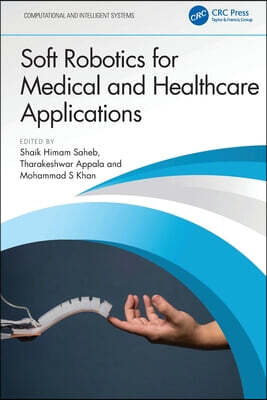
Research is also active in fields that come into close contact with the human body, such as soft wearable suits that help people walk and surgical tools that bend their way along narrow passages inside the body.
The Homework That Remains
For soft robots to move beyond the lab and into wide use, there are still many hurdles to overcome.
- Force and speed: A soft body is safe, but it still struggles to match metal robots at lifting heavy objects or moving quickly.
- Power source: Pneumatic systems need pumps and tubes to supply compressed air, which gets in the way of robots moving around freely.
- Soft sensors: To know how the body has bent, a robot needs sensors that stretch along with it, and research continues on electronic skin that works like stretchable skin.
- Durability: Over countless cycles of inflating and deflating, the material can fatigue or tear, and in cold places rubber can turn hard and brittle.
That is why many researchers, rather than choosing between a rigid body and a soft one, design robots by adding just the right softness where it is needed.
Soft robotics shows that strength and precision are not a robot's only virtues. A machine that does no harm when it bumps into you and wraps itself around the shape of whatever it holds: that is the first step for robots coming closer to people.