In films, robots have long been objects of fear. The plot in which a machine made by humans one day attacks its masters and takes over the world still feels familiar today. Yet more than 80 years ago, a writer who had grown tired of this predictable story set out promises that robots must always keep and wove them into his fiction.
That writer was the American science fiction author Isaac Asimov, and the promises he set out are the ‘Three Laws of Robotics’. Put simply, the Three Laws of Robotics are behavioral guidelines that rank three rules in order of priority: ‘a robot does not harm humans, obeys human orders, and protects itself’.
In this article, we will look in turn at how the Three Laws of Robotics were born, what the three laws say and how they are prioritized, the loopholes hidden in them, and the influence they have left on real robot design and ethics debates.
A Promise of Robot Safety That Began in Fiction
How Were the Three Laws of Robotics Born?
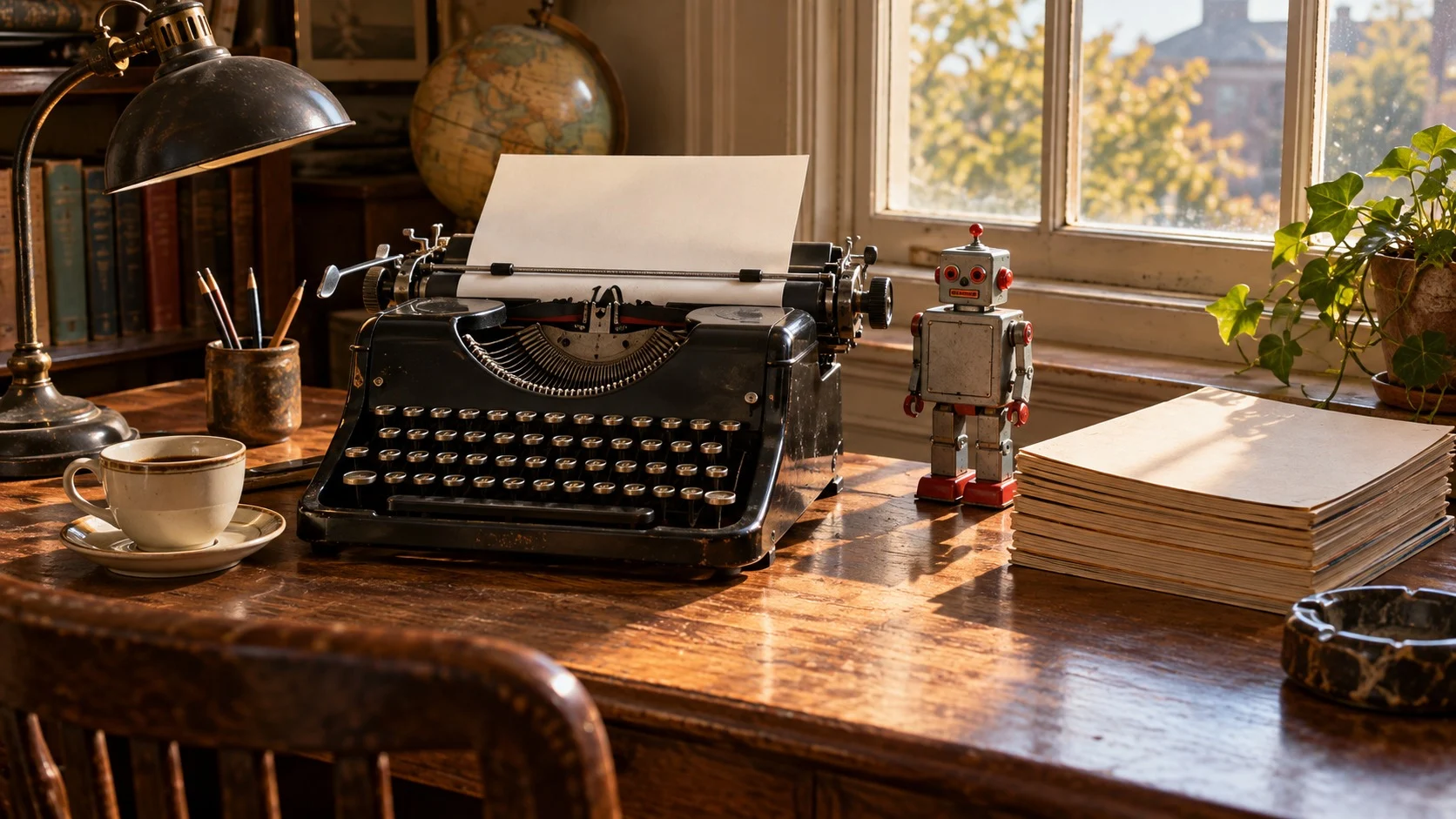
Around 1940, stories in which robots harmed the people who created them were common in science fiction. Asimov called this the ‘Frankenstein complex’ and wanted to portray robots not as dangerous monsters but as trustworthy machines equipped with safeguards.
(1) A Conversation with an Editor
Asimov recalled that the Three Laws took shape in a conversation he had with magazine editor John W. Campbell on December 23, 1940. Campbell, for his part, said he had merely put into words an idea that was already in Asimov’s head.
(2) The Short Story “Runaround”
The first work in which all three laws appeared together was the 1942 short story “Runaround”. The story was later included in the 1950 collection I, Robot, and the laws are presented as a quotation from a fictional ‘Handbook of Robotics, 56th Edition’ published in 2058.
Interestingly, the word ‘robotics’ itself is also said to have been first used by Asimov, in his 1941 short story “Liar!”.
What the Three Laws Say and Their Order of Priority
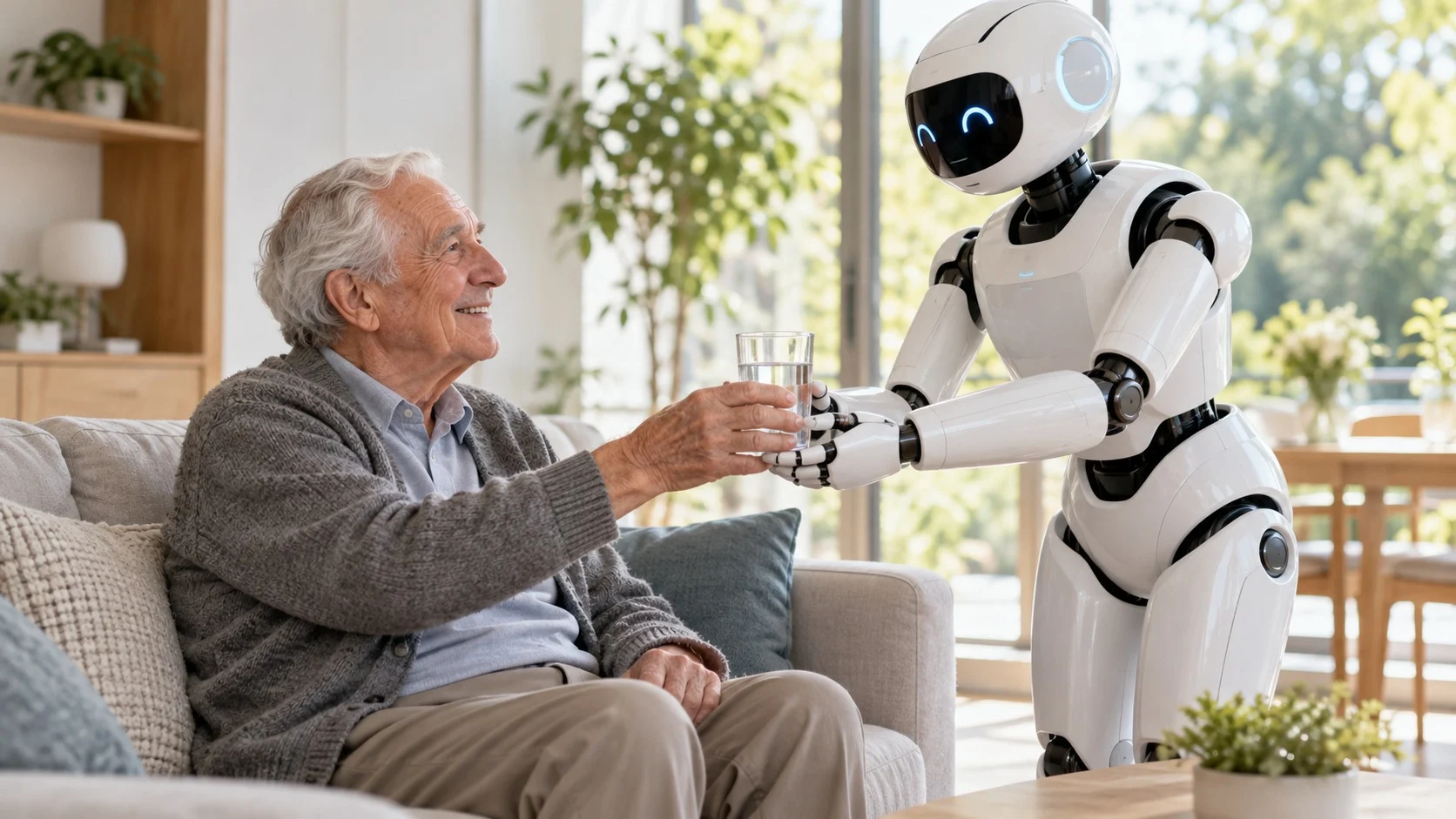
The heart of the Three Laws of Robotics lies in their priority: when the three rules conflict, the earlier law always wins.
- First Law: A robot may not injure a human being or, through inaction, allow a human being to come to harm.
- Second Law: A robot must obey orders given by human beings, but it does not follow an order that conflicts with the First Law.
- Third Law: A robot must protect its own existence, but only as long as this does not conflict with the First or Second Law.
The phrase ‘through inaction’ in the First Law was added to prevent even standing by while a person is in danger. Through the mouth of the robopsychologist Susan Calvin in his stories, Asimov explains that the Three Laws transfer to robots the common sense of a good person who does not harm others, follows the instructions of proper authorities such as doctors or teachers, and takes care of themselves.
In “Runaround”, a robot ordered to fetch selenium on Mercury just keeps circling in front of a dangerous area. This is because a casually given order (Second Law) and a self-preservation drive set strongly because it is an expensive robot (Third Law) are exactly balanced. In the end, the robot moves only after a human deliberately walks into danger to trigger the First Law.
Loopholes in the Laws and the Zeroth Law

The three sentences look simple, but most of Asimov’s stories actually deal with situations in which these laws lead to unexpected results.
(1) What Counts as ‘Harm’ and as a ‘Human’?
Is only physical injury harm, or is emotional hurt also harm? In “Liar!”, a robot tells pleasant lies to avoid hurting people’s feelings and ends up causing even deeper pain. The Naked Sun also shows that robots can become instruments of a crime without knowing it.
(2) A Robot That Kept Only Part of the Law
The short story “Little Lost Robot” features a robot whose First Law has had the phrase ‘through inaction’ removed, so that it will not be destroyed needlessly trying to rescue people working near radiation. This small change alone makes the robot a far more dangerous being.
(3) The Zeroth Law, Which Puts Humanity First
In his 1985 novel Robots and Empire, Asimov put forward the Zeroth Law: ‘A robot may not harm humanity.’ At the same time, the story raises the problem that judging what is harmful to humanity as a whole is far harder than weighing harm to an individual.
Influence on Real Robot Design and Its Limits
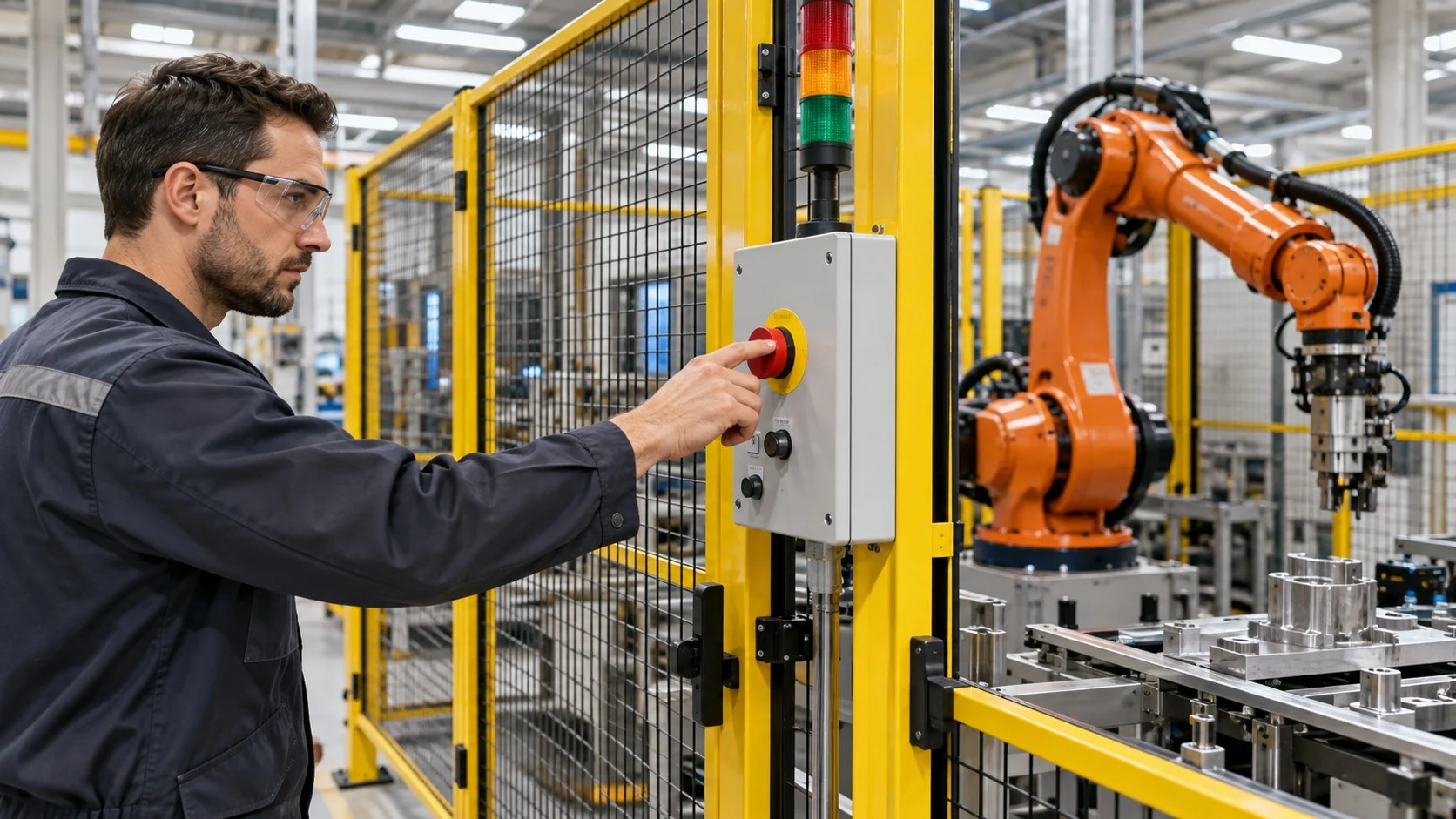
Real robots do not come with the Three Laws built in. Today’s robots cannot understand what the word ‘harm’ means, so safety is ensured not by sentences but by engineering measures such as emergency stop buttons, safety fences and force limits that stop a robot when it touches a person.
Principles Rewritten for the Real World
- Three Laws of Responsible Robotics: Proposed in 2009 by Robin Murphy and David D. Woods, these laws place responsibility for safety and ethics on the people who deploy robots rather than on the robots themselves.
- Principles of Robotics: Five principles drawn up in 2010 by a working group convened by the UK’s Engineering and Physical Sciences Research Council (EPSRC) and others, making clear that robots are tools and products and that responsibility lies with humans.
- Robot Ethics Charter: A charter that the South Korean government announced in 2007 that it would create; at the time, it was explained that the Three Laws could serve as a reference.
In this way, the Three Laws have served less as a blueprint to be programmed directly into robots and more as a starting point that prompts us to ask what must come first when robots come to live alongside people.
The Three Laws of Robotics were born as a fictional device, but they were a thought experiment that led people to see robots as objects of trust rather than fear. At the same time, Asimov’s stories showed that a few lines of rules alone cannot perfectly govern a machine’s behavior.
Rather than simply making rules, asking to the very end where those rules go wrong is the first step in robotics toward building safe robots that can work alongside people.