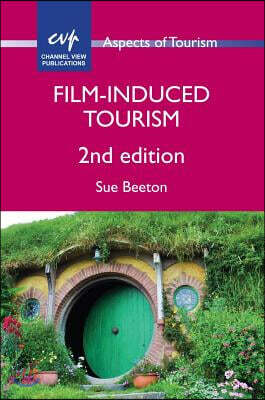
After watching a favorite movie, you sometimes want to walk the very streets from its scenes. You want to sit on the bench where the main character sat, and take a photo from the same spot at the same angle. Seeing with your own eyes a landscape you had only seen on screen becomes a special experience in itself.
Travel like this, visiting the filming locations of movies or dramas, or touring film studios and theme parks built around screen works, is called ‘Film-Induced Tourism.’ It is also known as screen tourism or location tourism, and goes by the nickname Set-Jetting, a twist on Jet-Setting, which refers to the luxurious overseas travel of the wealthy.
In this article, we will look in turn at how film-induced tourism arises, representative examples from around the world, how regions make use of this trend, and the shadows that follow behind it.
A Journey into the Places on Screen: The World of Film-Induced Tourism

Why Do People Visit Filming Locations?
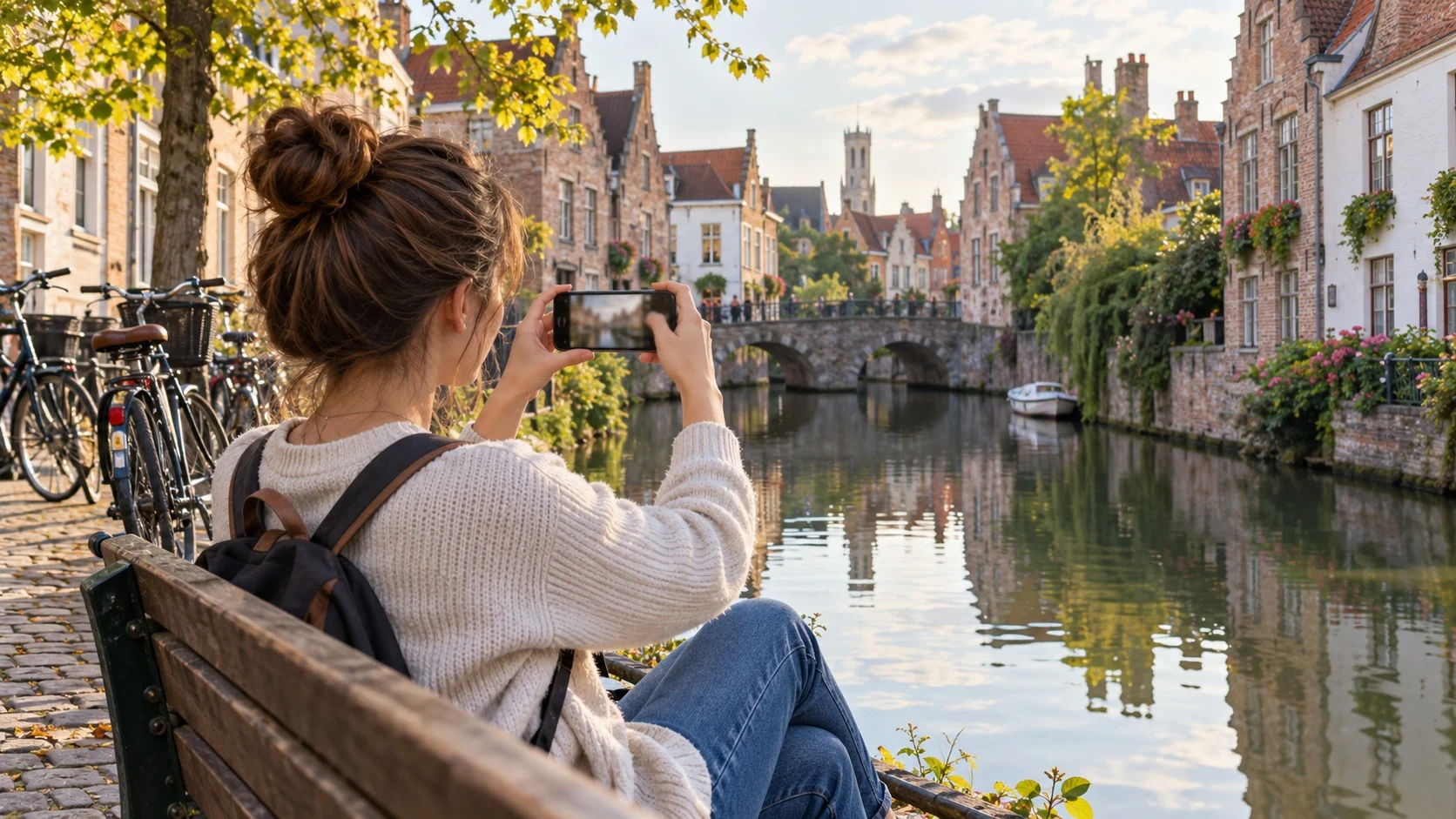
Film-induced tourism begins when a single work etches a place deeply into the mind. A two-hour story stays in memory far longer than a single advertisement. The reasons people visit filming locations can be broadly divided into three.
(1) Drawn by the Scenery
People go because the scenery captured on screen, such as the sea, mountains, or old castles, is beautiful in itself. In effect, the work has already shown them the place at its finest.
(2) Drawn by the Story
People go because the place holds the events of the work and the emotions of its characters. Even the same alley takes on an entirely different meaning when you think of it as the spot where the main character said goodbye.
(3) Drawn by the Actors and Fandom
People go because it is where a favorite actor actually stood. Fans take photos imitating the scene on that very spot, connecting themselves with the work.
It also matters that these are not promotional materials made specifically to advertise a tourist site. Because viewers naturally lose their hearts to the place while enjoying the story, the work becomes a powerful, unintended travel guide. This is also why, in 2005, Australian tourism scholar Sue Beeton published the book “Film-Induced Tourism”, establishing the phenomenon as a serious subject of research.
Filming Locations That Moved the World
Film-induced tourism began to attract major attention as a branch of tourism in the 1990s. In 1996, the British Tourist Authority published a map of Britain marking film locations, becoming the first organization to make serious use of this trend in tourism promotion.
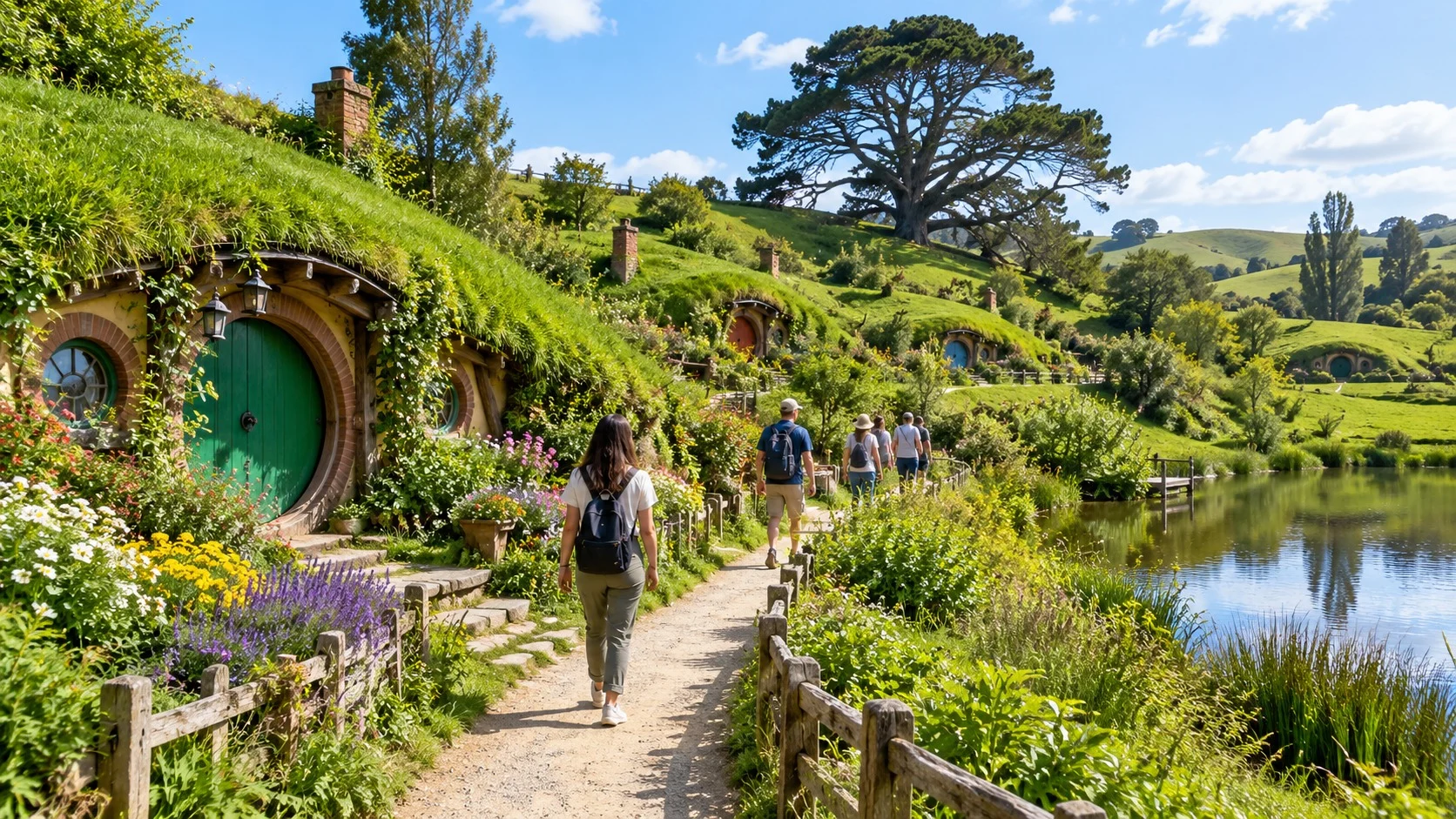
- The Lord of the Rings: As New Zealand’s mountains and fields appeared as the landscapes of Middle-earth, countless fans visited New Zealand, and the Hobbiton set remains a tourist attraction to this day.
- Harry Potter: Alnwick Castle in England saw a large rise in visitors after scenes of the wizarding school were filmed there, and London’s King’s Cross Station gained a photo spot modeled on Platform 9¾ from the story.
- The Sound of Music: In Salzburg, Austria, tour products that follow the locations from the film have continued for a long time.
- Winter Sonata: Thanks to this drama, which aired in 2002, Nami Island in Chuncheon, Gangwon Province, rose to become a Korean Wave tourist destination visited by travelers from Japan and many other Asian countries.
In this way, film-induced tourism can increase visitors to already famous places, and it can also turn little-known places into tourist destinations overnight. Since fans keep coming even decades after a work has ended, a single work becomes a tourism resource that stays with a region for a long time.
How to Turn Filming Locations into Tourism Resources
The release of a work does not mean tourists will automatically keep coming for a long time. That is why many countries and regions act with tourism in mind from the filming stage onward.
(1) Attracting and Supporting Productions
Regional film commissions draw in production crews by helping with location scouting, permits, accommodation, and the like. Many countries also have programs that refund part of the filming costs.
(2) Location Maps and Tour Routes
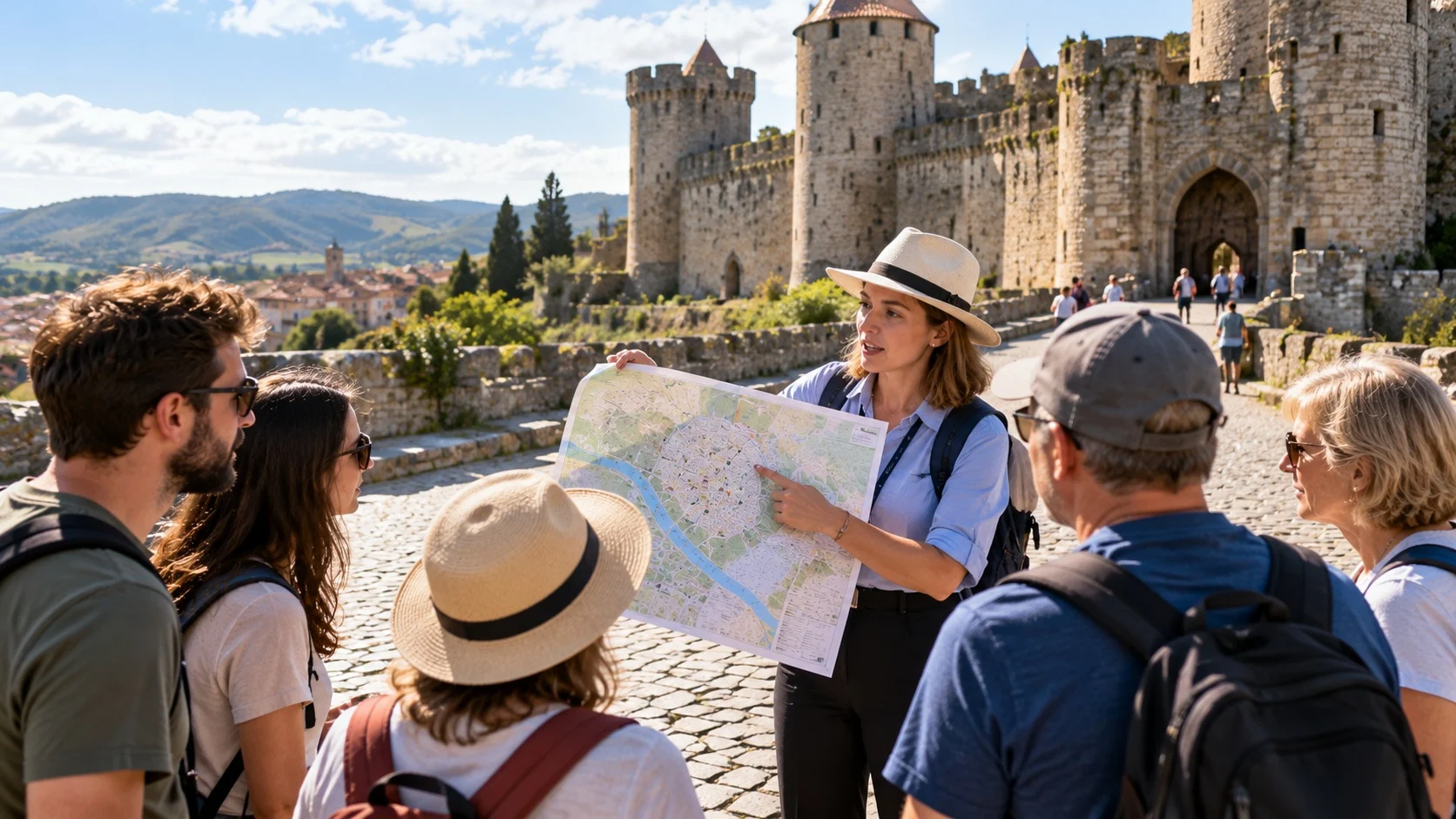
Once a work is released, maps marking the filming locations and walking routes that follow them are created to help tourists find their way easily.
(3) Preserving Sets and Props
Sets used in filming are left standing instead of being torn down, or photo spots and exhibition halls recreating the scenes are built, keeping the lingering impression of the work alive for a long time.
(4) Promotion Alongside the Work
The work’s title and scenes are used together in tourism advertising, so that viewers immediately connect the places on screen with real travel destinations. Since interest is hottest right after a work is released, it is a good idea to have travel products ready in advance to match the release or broadcast.
The Shadows of Film-Induced Tourism
Film-induced tourism does not always bring only welcome guests. When a work’s popularity brings crowds all at once, quite a few problems arise.
- Overtourism: Tourists crowd into narrow alleys and small villages, disrupting residents’ daily lives, and housing prices and the cost of living can also rise.
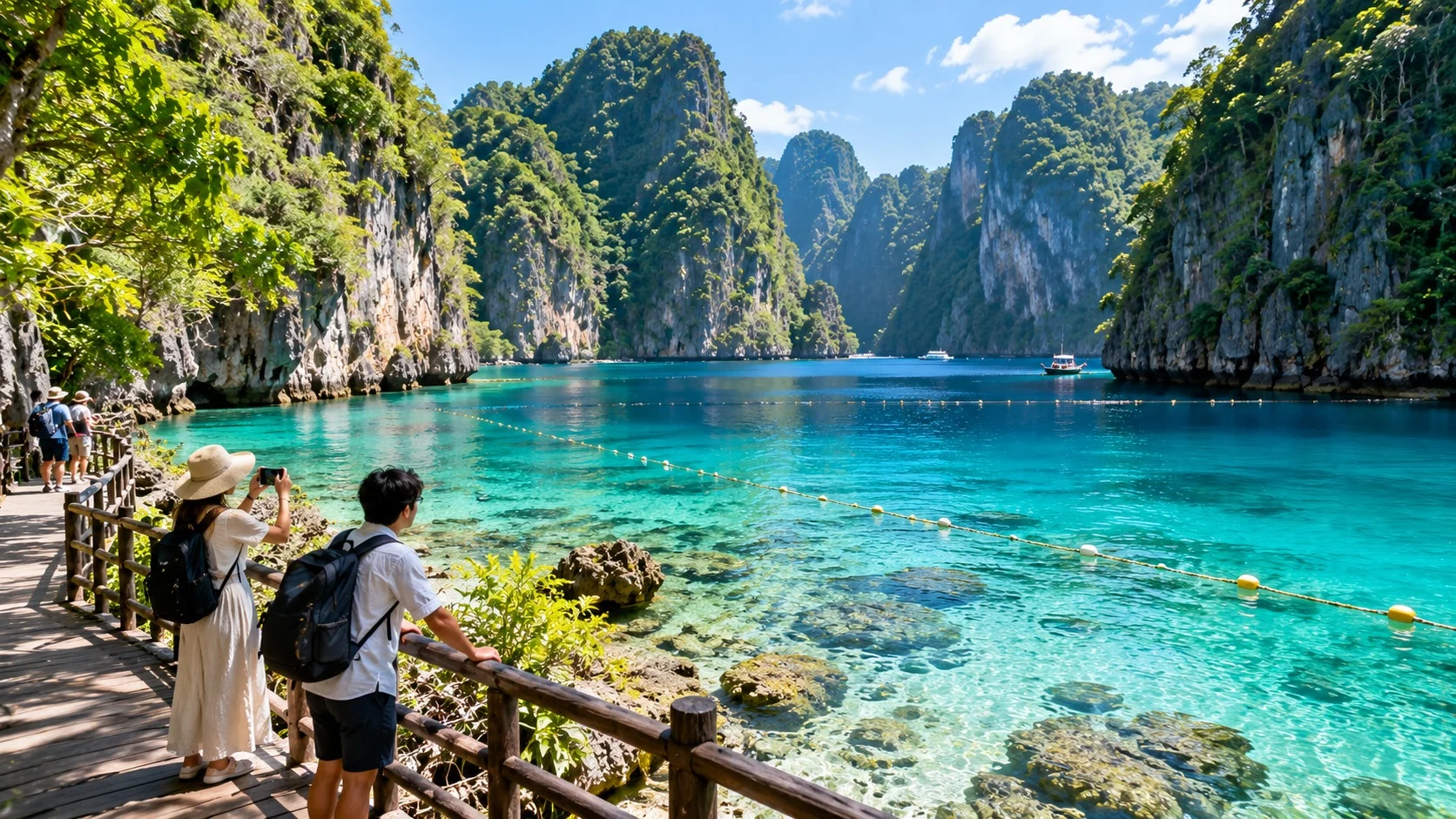
- Environmental Damage: After Maya Bay in Thailand became famous through the film “The Beach”, thousands of people flocked there each day and the marine ecosystem was ruined, so in June 2018 it closed indefinitely to recover, and later reopened under strict limits.
- Expectation Gap: Scenery on screen has been polished with lighting and editing, so some tourists are disappointed when they see the real place.
- Short-Lived Boom: When a work’s popularity fades, tourists quickly fall away too, and facilities built relying only on the trend can end up empty.
That is why keeping location tourism going over the long term requires an effort not to rely only on a work’s popularity, but also to show the place’s own history, nature, and the lives of its residents.
Film-induced tourism is a process in which a story gives a place new meaning, and that meaning moves people. Looking beyond the scenes on screen to the people who live there and the time that place holds is the first step toward a good filming-location trip.